How to Create a Landscaping Services Checklist
Build a quote-ready landscaping services checklist by organizing work into 4 parts: scope, site conditions, seasonal tasks, and follow-up decisions. Without that structure, bids blur together, missed items trigger change orders, and you can end up paying for work you never meant to authorize. This guide shows you how to write each section so contractors can price the job clearly and you can compare quotes without guessing.
How do you build the checklist


Start by separating what you want done from what the property already needs. Then group tasks into monthly, seasonal, and annual buckets, and add a final decision column so each item is marked must, should, or optional before pricing.
Walk the same route. Use one repeatable path every month so your notes stay comparable. Include the lawn, beds, trees, shrubs, patios, walls, walkways, and drainage areas, then record weeds, moisture problems, overgrowth, damage, and debris.
Split by cadence. Put recurring maintenance in the monthly group, seasonal work in a separate group, and structural or long-horizon items in the annual group. This keeps one-time work from getting buried inside routine upkeep.
Add quote fields. For each item, note who decides, what to verify, and when the work should happen. That makes the checklist useful on a site visit, not only in your memory.
Mark priority tags. Tag each line as must, should, or optional. Must covers safety, access, or damage control; should covers useful work that depends on budget; optional covers upgrades or preference-based tasks.
Say a side yard has standing water after rain. Put that note in site conditions, because it can change the quote. Keep hedge trimming in scope, and leaf cleanup in seasonal work.
What should be on a homeowner checklist
A homeowner checklist should capture the work requested, the property conditions that affect price, and the follow-up choices that still need a decision. It should also separate what you observed from what the contractor still needs to confirm, especially for drainage, plant ID, and access.
- Customer and property: name, service address, phone, email, and gate codes if needed.
- Requested work: mowing, edging, pruning, cleanup, mulch, repair, or replacement.
- Measurements with units: bed lengths, lawn area, mulch depth, path width, fence or wall sections.
- Access: drive path, locked gates, steep slopes, narrow entries, overhead limits, pets.
- Existing conditions: weeds, bare spots, erosion, compacted soil, dead branches, pests, damaged hardscape.
- Materials and removal: mulch type, plant count, debris haul-away, disposal destination if relevant.
- Photos: wide shots, close-ups, and any area that may need verification.
- Follow-up items: questions, unknown plant names, drainage concerns, or areas needing a second visit.
What makes this checklist useful is that each item can be checked off, priced, or sent back for more information without rewriting the whole scope.
What you’ll need
- Clipboard or single-page worksheet
- Pen or pencil
- Phone or camera for photos
- Measuring tape or measuring wheel
- Property sketch or printed site plan
- Checkboxes or a simple table template
- Notebook for questions and follow-up items
- Flashlight for shaded or enclosed areas
How do you review tasks by season?
Review the checklist in three layers: monthly inspection, seasonal maintenance, and annual review. Monthly work catches fast changes, seasonal work handles weather-driven needs, and annual review checks the parts of the property that affect the whole plan.
List monthly checks. Keep the same route and record lawn, beds, trees, shrubs, patios, walls, walkways, and drainage areas. Check for weeds, moisture problems, overgrowth, damage, and debris.
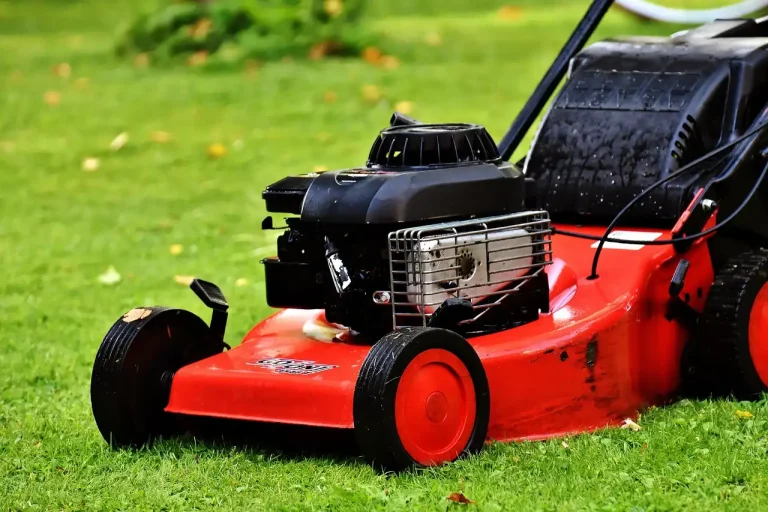
Add seasonal work. Include spring cleanup, pruning, lawn repair, leaf removal, and winter preparation. Weekly active-growth care can also include mowing, trimming, removing debris, and checking newly planted areas.
Reserve annual review. Use the annual pass to inspect soil health, drainage, plant placement, and hardscape condition. That layer informs next year’s quote, not only this month’s visit.
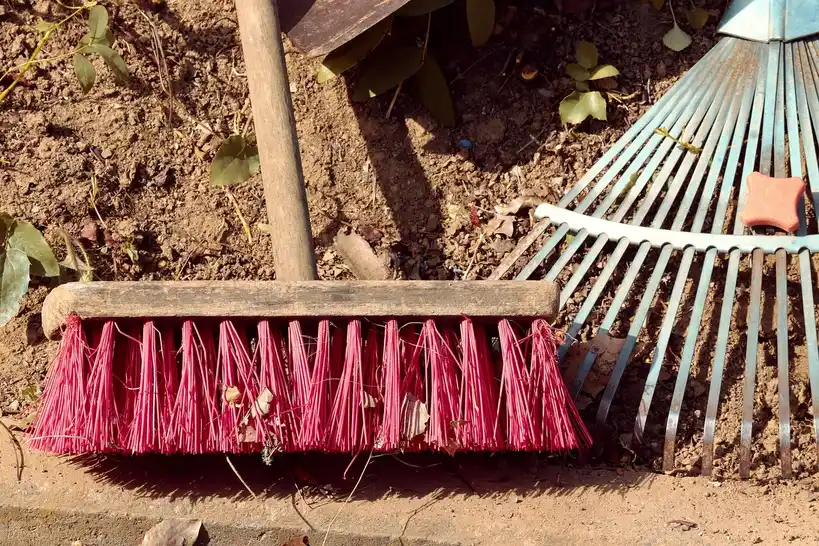
Set fall tasks. For fall, note mowing until first frost, aerating in early fall, overseeding after aeration, fertilizing in late October to early November, raking leaves, and winterizing irrigation.
Suppose a property has compacted mulch around foundation beds and a low spot near a downspout. The monthly list flags the moisture problem, the seasonal list can add mulch correction, and the annual review can decide whether drainage work belongs in the next quote.
How do you prep a site visit checklist
Before an estimate, the site-visit checklist should separate requested work, observed conditions, and unresolved questions. It also needs measurement rules, access notes, and photo references so the quote uses the same facts every time. If you are still refining scope, the same conversation should also cover the questions to ask before hiring a landscaper.
Record the basics. Capture customer and property details first. Add the date, address, contact info, and the exact areas being discussed.
Measure immediately. Label measurements as soon as you take them, and use units consistently. Mark approximate areas clearly, such as “about 120 sq ft,” so nothing gets mistaken for a confirmed figure.
Separate the source. Label each note as observed, customer-reported, or needs verification. That distinction matters when a plant name, drainage issue, or buried condition is not fully known.
Document removal and materials. Note haul-away, dump fees, mulch type, soil amendments, replacement plants, and any material already on-site. Also note whether the contractor must remove debris or dead plants.
Add photos and follow-up. Take wide shots for context and close-ups for damage, roots, weeds, or drainage points. End with unresolved items, such as access limits, irrigation status, or plant identification.
Measurement and documentation standards
Use the same documentation rules every time so quotes stay comparable and scope disputes stay limited. Measurements should always include units, and approximate figures should be labeled as estimates rather than confirmed counts. When a site note comes from the owner, mark it separately from what was observed during the visit, and flag anything that still needs verification before pricing.
- Units: feet, inches, square feet, linear feet, or plant count, used consistently across the whole checklist.
- Approximate versus verified: label uncertain figures as approximate and confirmed figures as verified.
- Photo naming: use area-based names that match the checklist, such as front bed, side yard, or rear drainage zone.
- Date stamps: keep the visit date with the notes and photos so seasonal changes can be tracked later.
- Area labels: identify each bed, lawn section, or drainage spot by the same name in every note.
- Observed, customer-reported, needs verification: separate those categories so the bid reflects what is known now and what still needs confirmation.
A common first-timer mistake is writing “replace shrubs” without size, count, or location. A better note is “replace 3 foundation shrubs, 18 to 24 inches tall, front west bed,” because it gives a bid something real to price.
Landscaping services checklist builder

Use this one-page table as the core planning tool. It keeps scope, site conditions, seasonal timing, and follow-up decisions in one place, so you can compare quotes without re-explaining the job.
| Checklist item | What to verify | Who decides | When to do it |
|---|---|---|---|
| [Must] Recurring maintenance | Mowing frequency, edging, trimming, debris pickup, and newly planted areas that need closer attention | Homeowner and contractor | Monthly or weekly during active growth |
| [Must] Monthly inspection route | Lawn, beds, trees, shrubs, patios, walls, walkways, drainage areas, weeds, moisture, overgrowth, damage, debris | Homeowner | Once each month |
| [Should] Seasonal cleanup | Spring cleanup, leaf removal, winter preparation, and any debris that affects access or plant health | Homeowner and contractor | Spring and fall |
| [Should] Fall lawn care | Mow until first frost, aerate in early fall, overseed after aeration, fertilize in late October to early November | Contractor | Fall |
| [Must] Pruning | Dead, damaged, or diseased limbs; timing by plant type; clearance from structures and walkways | Contractor | Seasonal or annual review |
| [Should] Plant replacement | Species, size, count, location, sun exposure, irrigation access, and whether the plant is confirmed or needs verification | Homeowner and contractor | During estimate or planting season |
| [Should] Mulch | Bare areas, deep piles, compacted mulch, mulch touching trunks, and total area to cover | Homeowner and contractor | Spring or fall |
| [Must] Drainage issues | Runoff, standing water, downspout discharge, low spots, wet soil, and areas needing verification | Contractor | Before quote approval |
| [Should] Disposal | Whether debris, leaves, brush, dead plants, or hauled material must be removed and where it goes | Homeowner | Before scheduling |
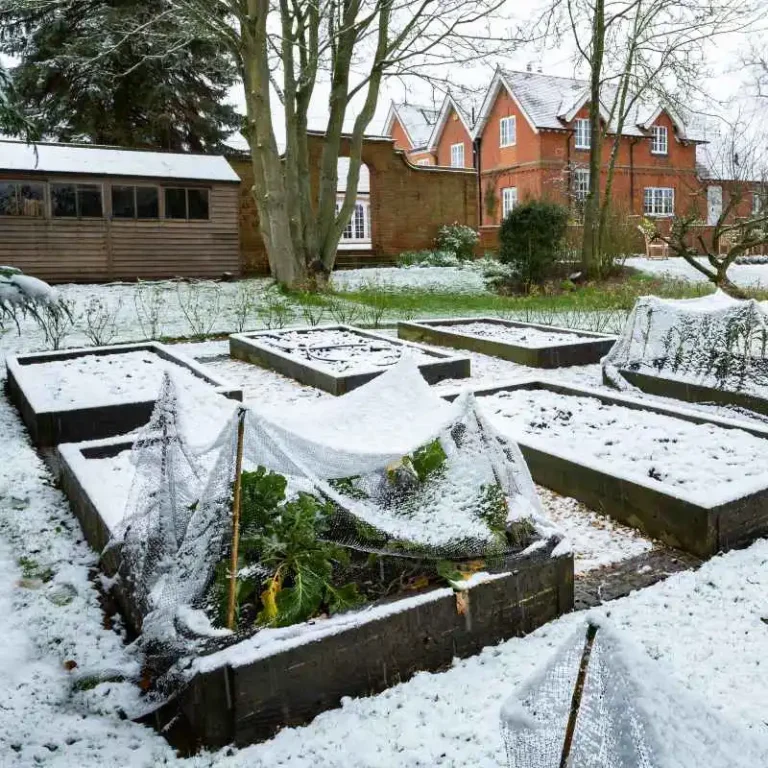
| [Optional] Bed protection | Spent vegetable plants to remove, sensitive plants to cover or mulch, and bulbs to plant in late September or October | Homeowner and contractor | Late summer to fall |
| [Must] Edging | Walkway lines, bed edges, driveway borders, and any spots where edging changes the finished look or access | Homeowner and contractor | Monthly or seasonal |
| [Must] Measurement and photo standards | Units, approximate versus verified notes, area labels, date-stamped photos, and documentation that matches the site visit record | Homeowner | During estimate |
Common mistakes
Most checklist problems come from mixing requests, observations, and guesses. Fix that first, then make sure the list matches the property rather than a generic yard-care template.
- Mixing scope and conditions: “Trim shrubs” is a request; “shrubs blocking the walkway” is a condition.
- Skipping units: Write feet, inches, square feet, or linear feet every time measurements appear.
- Leaving access out: Locked gates, tight side yards, and steep grades can change labor and equipment needs.
- Ignoring uncertain items: If a plant or drainage source is unclear, mark it for verification instead of guessing.
- Overfilling the list: Keep optional upgrades separate so the core quote stays readable.
- Failing to tag priority: Without must, should, and optional labels, owners and contractors may price different jobs.
One useful rule: if the item affects safety, access, or the final scope, it belongs on the checklist. If it is only a style preference, keep it optional until the quote is stable.
Frequently asked questions
How do I make a landscaping services checklist
Use four sections: scope, site conditions, seasonal tasks, and follow-up decisions. Add checkboxes, units, photos, and priority tags, then keep monthly, seasonal, and annual work separate so the quote reflects the job you actually want.
What should be on a landscaping service checklist for a homeowner?
Include customer and property details, requested work, measurements, access, existing conditions, materials and removal, photos, and follow-up items. That gives the contractor enough information to price the job without relying on memory or guesswork.
How often should a landscaping maintenance checklist be reviewed?
Review it monthly for inspection items, seasonally for cleanup and planting tasks, and once a year for soil, drainage, plant placement, and hardscape condition. If a storm, renovation, or plant failure changes the site, review it sooner.
What should I ask before a landscaper gives an estimate?
Ask what is included, what is excluded, how debris disposal is handled, whether measurements were verified, and whether access or drainage issues may change the price. Also ask which items are must, should, or optional so the estimate stays clear.
What seasonal items belong on a fall landscaping checklist
Include mowing until first frost, aerating in early fall, overseeding after aeration, fertilizing in late October to early November, raking leaves, winterizing irrigation, pruning damaged limbs, and protecting sensitive plants with mulch or covers.
Which landscaping tasks should be left off a checklist because they need a professional?
Leave off any item that depends on uncertain drainage design, hardscape repairs, plant identification you cannot confirm, or work that requires equipment or access you do not have. Mark those items for contractor review instead of pretending the scope is settled.