Do Houseplants Need Smaller Pots for Winter or More Root Space?
Houseplants usually do better in winter in the same pot, or one size smaller, unless roots are crowded; extra root space often means wetter soil and rot risk when light and evaporation drop. Choose wrong, and soil stays wet too long, roots decline, and growth stalls. This guide explains when to downsize, hold the current pot, or move up one size for common indoor plants in winter.
Why a snug pot beats extra soil volume in winter
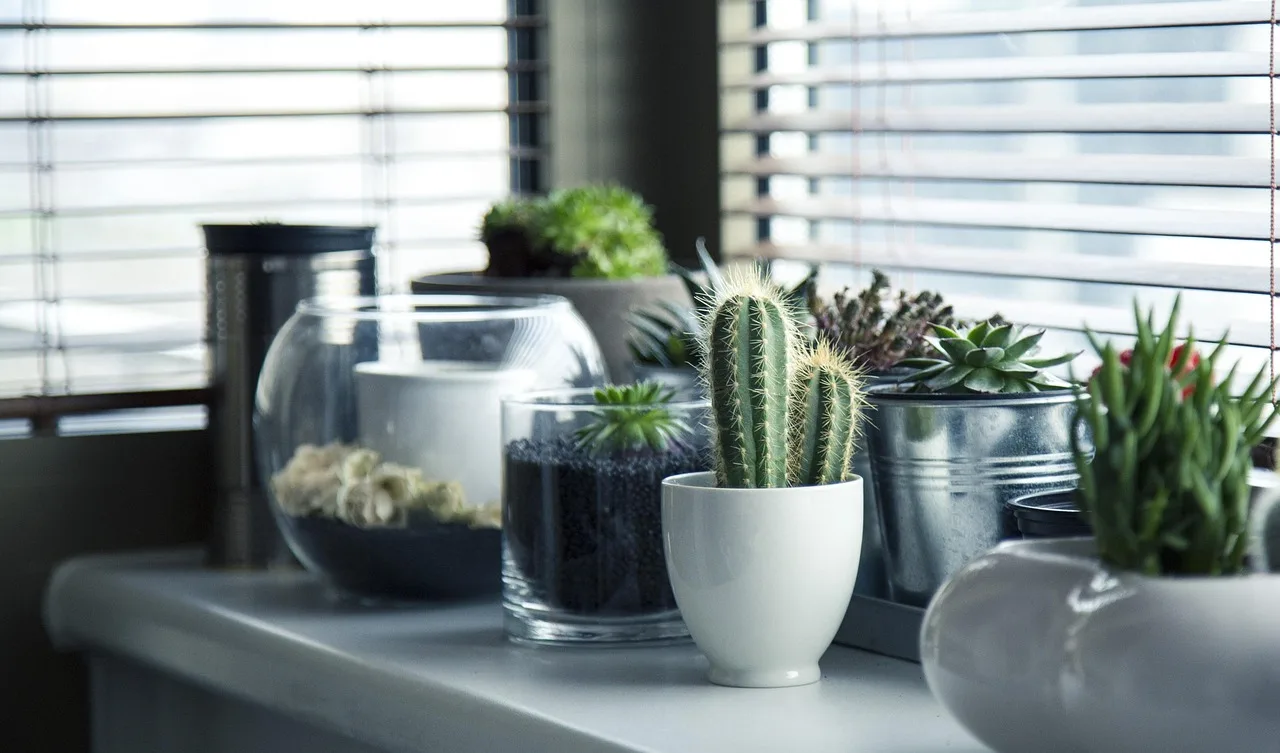
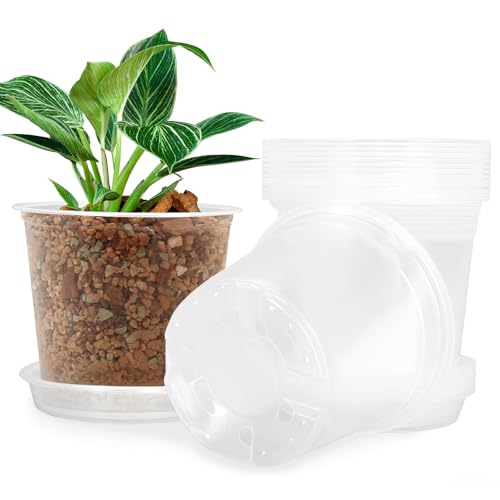

Usually, no. Most houseplants do better in winter in a pot that fits the current root ball, because short days and lower light slow growth and reduce water uptake. A slightly snug pot is often safer than extra empty mix, which can stay damp too long and raise rot risk.
That said, a “smaller” pot is not the main winter strategy. A useful winter question is whether the plant needs less root room, the same root room, or only a slight size-up of about 1 to 2 inches in diameter. For many indoor plants, the current pot is still fine until spring.
Why winter changes the pot-size decision
Winter dormancy or partial dormancy slows root growth and leaf growth. Water moves through the mix more slowly, and roots take up less moisture, so a large pot can hold wet soil far longer than the plant can use it. That is why extra volume is often a liability in winter, not a benefit.
A plant that is comfortable in spring may struggle in the same pot size if the room is cold, dim, or both. Low light, cool nights, and slower evaporation all stretch the time the mix stays wet. The smallest pot that still fits the root ball and drains well is usually the safer choice.
Winter pot sizing decision table
Use this table to match the plant’s condition to the next pot decision. The goal is not to reduce pot size across the board. It is to avoid adding soil volume that winter roots cannot dry fast enough.
| Plant condition | Recommended pot action | Risk level |
|---|---|---|
| Rootbound but healthy plants | Keep the same pot until spring, unless watering is impossible to manage | Low |
| Slow-drying soil | Do not size up; consider a better-draining mix or a pot with more drainage | High |
| Root rot suspicion | Repot now into a smaller or same-size pot with fresh, dry, well-draining mix | High |
| Recently bought nursery plants | Hold the current size if roots are not circling hard; size up only 1 to 2 inches if needed | Medium |
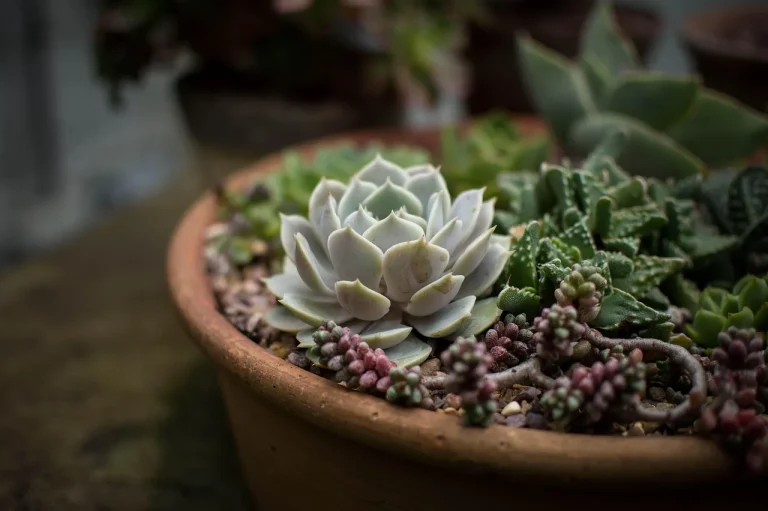
| Succulents and cacti | Stay snug; use a very modest pot size and avoid extra mix around the roots | Low to medium |
| Tropical foliage plants | Keep the pot close to the root ball; size up only if roots have filled the container | Medium |
How to tell if a plant is rootbound
A rootbound plant often has roots circling the inside of the pot, filling the container, or pushing out of drainage holes. Water may run through too fast because there is little soil left, or the pot may dry unevenly because roots have taken over most of the space. That does not always mean it needs a bigger pot this week.
Many healthy plants can stay rootbound until spring if watering is still manageable and the plant is not showing stress. A compact root mass can be better than a large, wet pot in winter. The question is whether the plant is crowded and stable, or crowded and failing.
Say your pothos is in a 6-inch pot, roots are visible at the drainage holes, and the top inch of mix dries in about four days. That plant may be rootbound, but if leaves are still firm and growth is merely slow, it can usually wait for spring.
Suppose a peace lily is in the same size pot, but the soil stays wet for 10 days, the leaves yellow, and the stems feel soft. That is no longer a simple space issue. The plant needs immediate attention, and a larger pot would make the moisture problem worse.
When should you stay in the same pot?
Stay in the same pot when the plant is healthy, winter growth is slow, and the current container drains well. A rootbound plant that is still taking water at a normal pace can often wait until spring. The same is true for plants that are naturally dry-down sensitive, such as many succulents and cacti.
Healthy plants with slow winter growth
If the plant is stable, not losing leaves, and not showing soft stems or sour soil, keep the pot size unchanged. Winter is not the time to add extra root room for a plant that is already coping well. Fresh mix can wait unless the root system is failing or the pot is broken.
Plants that are already dry-down sensitive
Some plants are more likely to suffer from overwatering than from being a little snug. Succulents, cacti, and many thick-leaved plants prefer a pot that dries fast. In winter, that usually means staying put rather than moving into a larger container with more wet mix.
- Check the dry-down time. Water the plant normally and note how long the top layer and the lower mix stay damp. If the pot already dries slowly, do not add more volume in winter.
- Inspect the root ball. Slide the plant out if needed and look for firm roots and active circling. If the roots fill the pot but the plant is otherwise healthy, keep the size and wait for spring.
- Confirm drainage. Make sure the container has holes and that no standing water sits in a saucer or cachepot. Winter watering errors are more common when water has nowhere to escape.
When should you move up 1 to 2 inches?
Move up only about 1 to 2 inches in diameter when roots have filled the container and the current pot dries at a normal pace. That is enough space for most houseplants. A larger jump is usually too much for winter, because the unused mix holds moisture that the plant may not use quickly.
Recently bought nursery plants
Fresh nursery plants often arrive in tight pots that are already close to rootbound. If the root ball is dense and the plant is top-heavy, a small size-up may be reasonable even in winter. Keep the increase modest, and avoid moving from a 4-inch pot to an 8-inch pot in one go.
Plants that outgrow the current root ball
Choose a new pot only slightly wider than the old one, usually 1 to 2 inches wider in diameter. That small change gives roots more room without leaving a wide ring of wet mix around them. It is a safer winter move than matching the plant to a much larger decorative pot.
A common first-timer mistake is putting a small fern into a pot that looks “right” above ground but is far wider than the root ball. In a cool room, that extra soil can stay wet for weeks. The plant often declines from wet roots before it has any chance to grow into the space.
When should you wait until spring?
Wait until spring for routine repotting, especially if the plant is healthy and only a little crowded. Winter repotting is best reserved for urgent cases. If the plant is stressed, cold, or slowing down hard, moving it now can add shock without solving the real problem.
Routine repotting
Spring or early summer is usually the best time to repot houseplants because growth is active and roots recover more quickly. The plant can use fresh mix and extra space at the same time. Winter repotting should be the exception, not the default maintenance plan.
Plants showing winter stress
Do not repot a plant just because growth has slowed in winter. Slow growth is expected. Repot only if you see yellowing leaves tied to soggy soil, wilting despite wet mix, mushy stems, or sour-smelling soil that points to root trouble.
Drainage, mix, and pot material
Drainage holes matter more in winter because wet mix dries more slowly. Fresh, well-draining potting mix often matters more than extra pot volume, especially for plants that do not need a bigger root zone yet. Pot material changes how fast the mix dries, and that changes watering risk.
Drainage holes and saucers
Most indoor pots should have drainage holes. Without them, water can pool at the bottom and keep roots wet for too long, especially in winter. If you use a saucer or cachepot, empty excess water after watering instead of letting the pot sit in it.
Terracotta versus plastic
Terracotta dries faster because the porous wall lets moisture escape. That can help reduce winter overwatering risk. Plastic holds moisture longer, so it raises the chance of wet soil lingering after a size-up or a heavy watering. In a cold room, that difference matters.
Why fresh mix matters
A new, well-draining indoor potting mix can be more useful than extra pot space. Fresh mix restores pore space and improves air around the roots. For many plants, that is safer than giving them a much bigger pot full of damp, unused soil.
- Choose the right container. Pick a pot with drainage holes and only 1 to 2 inches more diameter if the plant truly needs more room. Avoid oversized pots that hold too much moisture for winter roots.
- Use fresh mix. Fill around the root ball with a well-draining indoor mix matched to the plant type. Cacti and succulents need faster-draining mix than tropical foliage plants.
- Water sparingly after repotting. Moisten the mix enough to settle it, then let it dry at the plant’s normal pace. In winter, the safest next step is usually less water, not more frequent watering.
Which houseplants should not be repotted in winter?
Most houseplants should not be repotted in winter unless they are failing. Avoid routine winter repotting for healthy rootbound plants, dormant succulents, and plants that already dry slowly. If the plant is stressed from cold, low light, or past overwatering, repotting can make things worse unless it is urgent.
Tropical foliage plants can also be poor candidates if the room is dim and cool. Aroids, peace lilies, many philodendrons, and similar plants may tolerate a modest size-up, but only if roots truly need the space and the pot will not stay wet for too long. A cold room makes that risk higher.
Simple rule of thumb
Stay in the same pot if the plant is healthy and the mix is already slow to dry. Move up 1 to 2 inches if the root ball fills the container and the plant is still active enough to use the extra space. Wait until spring if the plant is stable, mildly rootbound, or stressed by winter conditions.
Quick decision checklist
- Choose the same pot if roots are crowded but the plant is healthy.
- Move up 1 to 2 inches if roots fill the pot and drainage is good.
- Wait until spring if the plant is not actively growing and is otherwise fine.
- Repot now if roots are rotting, the pot is broken, or the mix smells sour.
- Do not size up if the soil already stays wet too long.
Frequently asked questions
Do houseplants need smaller pots in winter?
Usually, no. Most houseplants do best in the same pot size in winter, and some do better staying slightly snug. A smaller pot is not a blanket winter rule. The real decision is whether the current pot drains and dries fast enough for low light and slower growth.
Should I repot a houseplant into a smaller pot for winter?
Only if the current pot is clearly too large, the mix stays wet too long, or the plant is suffering from root problems. Otherwise, keep the same size. Downsizing a healthy plant just because it is winter can stress the roots without fixing the real issue.
Does a bigger pot hurt houseplants in winter?
It can. A bigger pot holds more wet mix, and winter roots use water more slowly. That extra space can stay damp long enough to invite rot, especially in cool rooms, plastic pots, or cachepots that trap runoff.
When is the best time to repot houseplants?
Spring or early summer is usually best because plants are actively growing and recover faster. Winter repotting is mainly for urgent cases like root rot, a broken pot, or severe crowding. Routine repotting can usually wait.
How do I know if my houseplant is rootbound in winter?
Look for roots circling inside the pot, roots coming out of drainage holes, or water running through too quickly because the container is full of roots. A rootbound plant can still be healthy in winter, so the question is whether it is crowded or actually declining.
What happens if I add too much pot space in winter?
Too much pot space leaves a lot of unused mix around the roots. That soil stays wet longer, especially in low light or a cold room, which can slow root function and increase the risk of rot. A small increase is safer than a large one.