Pothos Winter Care Indoors: Why Growth Stops and What to Change
Pothos winter care indoors starts with placement: move the plant to brighter indirect light, keep it away from cold glass and vents, and water only when the top 2 inches of mix are dry. Skip those changes and roots stay cold and wet, which drives yellow leaves, slow growth, and stem dieback. This guide explains why pothos growth stops in winter and the exact order of fixes to make first.
Why pothos slows in winter

Winter slowdown is usually a placement and environment issue, not a watering mystery. Shorter daylength, weaker indoor light, cooler soil, and slower evaporation all reduce active growth in Epipremnum aureum, the tropical evergreen climbing vine sold as pothos, devil’s ivy, or money plant. A healthy plant may still sit quietly for weeks.
That quiet is normal only if the leaves stay firm, the stems stay green, and the soil is drying at a sensible pace. Yellow leaves, limp stems, and persistently wet mix point to stress, not seasonal pause.
Shorter days and weaker indoor light
Pothos can survive in low light, but it grows much more slowly there. Bright indirect light usually means bright room light near a window, with no direct sun hitting the leaves. That indoor setup supports steadier growth and better variegation. In winter, the same window can deliver less usable light for fewer hours each day.
That matters more for variegated cultivars. Long low-light spells can reduce variegation, so patterned pothos often lose contrast before they stop growing entirely. If the plant sits several feet back from a window, growth may slow or stall even when the room feels bright.
Cooler roots and slower evaporation
Winter changes the root zone too. Cooler soil slows root activity, and indoor air usually dries more slowly than it does in summer, so potting mix takes longer to lose moisture. That is why the same watering habit that worked in warm months can keep the root ball wet for too long in winter.
Cold glass, drafty windowsills, and pots without drainage holes make the problem worse. Wet compost plus cold roots is the fastest route to yellowing and rot risk.
Normal slowdown versus stress
Normal winter slowdown looks like slow new leaf production and longer pauses between visible changes. Stress looks different. Yellowing leaves, mushy stems, leaf drop, leggy vines with large gaps, or a pot that stays wet for many days all mean the plant needs a change in placement or care.
Say your pothos is six feet from a north window in January and has not made a leaf in three weeks. If the stems are firm and the top layer of soil dries in a reasonable time, that can be seasonal slowdown. If the pot still feels heavy and the lower leaves turn yellow, light and water both need attention.
Is your pothos getting enough winter light?
Most winter pothos problems start with light. Bright indirect light supports steadier growth indoors, while low light is only a survival condition and often leads to slower growth, leggier vines, and weaker variegation. If the plant is far from a window or shaded by curtains, light is the first thing to change.
What bright indirect light looks like indoors
Bright indirect light means a spot near a window where the plant gets strong daylight without direct sun on the leaves. An east window often works well, and a south or west window can also suit pothos if the plant sits back from the glass or receives filtered light. Direct sun is too harsh for the leaves.
The goal is steady brightness, not a short burst of glare. A plant that can read a page by daylight near its spot is closer to this condition than one tucked in a dim corner.
Why variegated pothos need more light
Green pothos tolerates low light better than patterned types, but variegated cultivars need brighter indirect light to keep their markings. In dim rooms, the plant may produce greener leaves because chlorophyll gives it more working surface to capture light. That is a response to the room, not a sign that the plant “prefers” the corner.
If the leaves are getting greener while growth slows, the plant is telling you the light level is too low for its patterning.
Signs the plant is too far from a window
Leggy growth is one of the clearest clues. When the internodes stretch and leaves appear with big gaps between them, light is usually too weak or too far away. New leaves may also open smaller than expected, and variegation can fade.
- Move it closer. Place the pot within a few feet of a bright window with indirect light. If direct sun reaches the leaves for part of the day, step it back or filter the light with a sheer curtain.
- Rotate weekly. Turn the pot a quarter turn every week so one side does not lean hard toward the window. This helps vines grow more evenly and prevents one-sided stretching.
- Prune long gaps. If stems are already leggy, trim just above a leaf node. That encourages branching and helps the plant look fuller once light improves.
Should you water pothos less in winter?
Usually, yes, but not on a fixed schedule. Winter watering should follow soil dryness, not the calendar. Wait until the top 1 to 2 inches of mix are dry, then water thoroughly and empty any excess from the saucer. Slower drying means many plants need less frequent watering indoors.
How to check the top 1 to 2 inches of soil
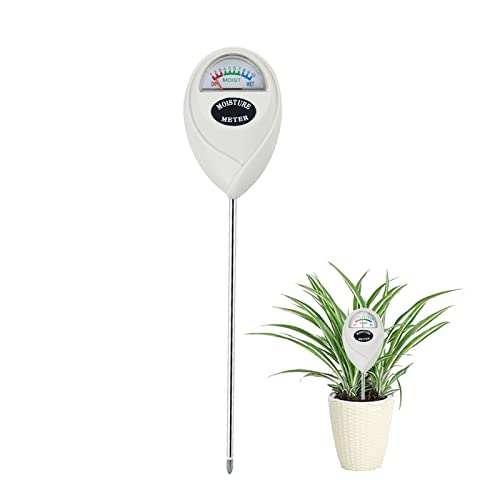
Use a finger, a wooden skewer, or a moisture probe to check the upper layer of mix. If it feels dry to the first knuckle, or the skewer comes out clean and dry from the top 1 to 2 inches, it is time to water. If it still feels cool or damp, wait.
A common mistake is watering because the surface looks dusty. The top can look dry while the root zone is still damp, especially in winter.
Cold soil, wet feet, and drainage holes
Overwatering is a common problem for indoor pothos, especially in winter. Pots without drainage holes hold water around the roots, which raises the risk of rot. A drainage hole is important because it lets extra water leave the container instead of sitting at the bottom.
If the pot sits in a saucer, dump the excess after watering. That small step matters more in winter because the mix dries slowly and roots stay in contact with moisture longer.
Why overwatering often looks like yellowing
Yellow leaves in winter often point to too much water, not too little. When roots stay saturated, they cannot take up oxygen well, and the plant may shed older leaves first. Yellowing plus a heavy pot and soft stems is a stronger warning than yellowing alone.
Suppose a pothos is under a room light but the pot still feels heavy five days after watering. That is not a cue to add more water. It is a cue to increase light, improve drainage, or let the mix dry farther before the next soak.
- Check the root zone first. Lift the pot and compare its weight to a dry one, then test the top 1 to 2 inches of mix. If the pot still feels heavy and the upper layer is damp, wait before watering.
- Water thoroughly once. When the mix is dry at the top, water until it runs from the drainage hole. This wets the whole root ball evenly instead of leaving dry pockets near the bottom.
- Empty the saucer. Remove standing water right away. That keeps the roots from sitting in moisture and reduces the chance of winter root stress.
How warm should pothos be indoors?
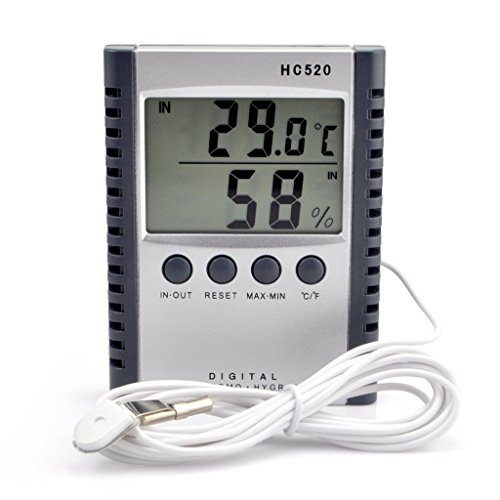
Pothos does best around 65 to 85°F (18 to 29°C) and should be kept above 55°F. Winter rooms can meet that range and still create trouble if the pot sits on cold glass, near a draft, or above a heating vent. The root zone matters as much as the air temperature.
Drafts, windowsills, and heater vents
Cold drafts from a door or window can cool leaves and soil fast. A pot pushed against cold glass may lose heat overnight even if the room feels comfortable. Heater vents can create the opposite problem by drying the top of the plant while the potting mix stays unevenly moist below.
Move the plant a small distance and watch the result. A shift of even a few feet can change the root temperature and drying rate enough to matter.
Cold-root stress signs to watch
Cold-root stress can show up as droopy foliage, yellowing lower leaves, or a pot that stays wet far longer than expected. Growth may stop completely even though the plant receives enough water. If the room is cool at night, the problem is often worse on a windowsill than on an interior shelf.
Keep the plant away from any spot that falls below 55°F. That threshold is a practical line for avoiding cold stress indoors.
When humidity matters more
Humidity matters most when heated indoor air starts drying leaf edges. Pothos tolerates roughly 40 to 50% humidity, but 50 to 70% is a better range when conditions allow. Dry air can contribute to brown tips, yet humidity alone rarely fixes winter slowdown if light and temperature are wrong.
Dry heated air and brown tips
Brown tips often appear in rooms with forced-air heat or a small humidifier gap near the plant. The air above the pot may be dry while the root zone stays cool and wet, so the plant faces two opposing stresses at once. That is common in winter.
Raise humidity only after the plant is in brighter light and away from cold drafts. Otherwise, you can make the top of the plant feel better without solving the real cause of slow growth.
When to ignore humidity and fix light first
If the plant is leggy, pale, or refusing new growth, light comes before humidity. A pothos in dim light will still slow down even in a humid room. If leaves show brown tips but the pot is sitting in shade, move the plant first, then fine-tune humidity later.
A simple humidity target is helpful, but it should not outrank placement. The plant cannot use extra moisture in the air to make up for poor light.
Winter pothos triage table
Use this table to decide what to change first. Start with the symptom that is easiest to verify, then work through the likely cause before you change the watering rhythm.
| Symptom | Likely cause | What to check first | Exact change to make |
|---|---|---|---|
| Growth has stopped, but leaves are firm | Shorter days and low indoor light | Distance from the window and whether the plant gets bright indirect light | Move it closer to bright indirect light; avoid direct sun |
| Big gaps between leaves | Insufficient light | Whether vines are stretching toward the window | Shift to brighter indirect light and trim leggy stems just above a node |
| Yellow leaves with a heavy pot | Overwatering or poor drainage | Top 1 to 2 inches of soil and the drainage hole | Let the mix dry farther before watering and empty standing water after each soak |
| Leaves droop near a cold window | Cold-root stress | Pot contact with glass, drafts, or a windowsill | Move the plant away from cold glass and keep it above 55°F |
| Brown leaf tips in heated rooms | Dry indoor air | Humidity near the plant | Raise humidity toward 50 to 70% if the plant is already in good light |
| Pale new leaves on a variegated plant | Low light reducing pattern strength | Window direction and shading | Move to brighter indirect light to support stronger variegation |
7-day reset checklist
This reset gives the plant a better winter setup without overcorrecting. Follow the order below so you fix the most likely problem first and avoid pushing wet roots into colder conditions.
- Move the plant first. Put the pothos in brighter indirect light and away from cold glass, drafts, and heater vents. This single change addresses the most common winter slowdown before you change anything else.
- Test the soil depth. Check the top 1 to 2 inches of mix with a finger or skewer. If it is still damp, do not water yet.
- Inspect the pot. Confirm that the container has a drainage hole. If it does not, plan to repot into one that does, because winter watering is less forgiving in a closed pot.
- Water only if dry. If the top layer is dry, water thoroughly once and let all excess drain away. Then empty the saucer so the roots do not sit in standing water.
- Check temperature again. Make sure the plant stays above 55°F and ideally within 65 to 85°F. If it sits near a window, move it a little farther from the pane overnight.
- Pause feeding. Skip fertilizer in winter. Monthly balanced liquid fertilizer belongs in spring and summer, when the plant is actively growing and can use the feed.
- Watch for recovery signs. Look for firmer stems, slower drying of the upper soil, and new growth from nodes after the placement changes settle in. If the pot stays wet or the leaves keep yellowing, revisit light and drainage before watering again.
Frequently asked questions
Why is my pothos not growing in winter?
Winter growth often slows because indoor light is weaker, days are shorter, soil stays cooler, and water evaporates more slowly. If the plant is in low light, near cold glass, or in a pot that stays wet, those conditions can stop active growth altogether. Placement usually comes before watering.
Do pothos stop growing indoors in winter?
Many pothos plants are reported to slow down sharply indoors in winter, and some may pause new leaf growth for weeks. That can be normal if the leaves are healthy and the soil dries at a sensible pace. If the plant is yellowing, drooping, or staying wet, that is stress rather than normal slowdown.
How much light does pothos need in winter?
Pothos grows best in bright indirect light, even in winter. It can survive in low light, but growth becomes much slower and variegation can fade. A brighter window spot, without direct sun on the leaves, gives the plant a better chance to keep making new growth.
Does pothos need fertilizer in winter?
Usually no. Monthly balanced liquid fertilizer is suggested in spring and summer, but it should be skipped in winter because growth slows. Feeding dry compost is especially risky, so if you resume later, water first and fertilize only during active growth.
How warm should pothos be indoors in winter?
Pothos does best around 65 to 85°F (18 to 29°C) and should stay above 55°F. Cold windowsills, drafts, and chilly nights can slow the roots even when the room seems comfortable. A warmer interior spot is usually better than a colder window edge.