How to Care for Snake Plants in Winter Without Causing Root Rot
Water snake plants in winter only after about the top 2–3 inches of soil are dry, the pot feels light, and the room stays above 60°F with good drainage. Skip that check and roots can sit wet for weeks, which leads to rot fast. This guide shows how to judge soil dryness, room conditions, and drainage before you water.
Snake plant winter watering table


Use this table before you water. The same plant can need different timing in different rooms, and pot type changes drying speed a lot.
| Winter setup | Water now? | How long to wait | Soil-depth test | Root-rot risk |
|---|---|---|---|---|
| Warm bright room | Only if the top 2–3 inches are dry | Usually several days less than a cool room; recheck after 2 days if the pot is still heavy | Finger or wooden chopstick to 2 inches down | Low to moderate |
| Cool bright room | Wait until the mix is mostly dry | Often longer than in spring; check again in 3–5 days if any moisture remains | Finger or wooden chopstick to 2 inches down | Moderate |
| Low-light room | Usually no, unless the soil is fully dry and the pot feels very light | Often the longest wait between waterings | Finger test plus chopstick test in the root zone | High |
| Cachepot or no-drainage setup | Not until you confirm every layer is dry | Wait and fix drainage first if water has nowhere to escape | Check 2 inches down and lift the inner pot for standing water | Very high |
What you’ll need
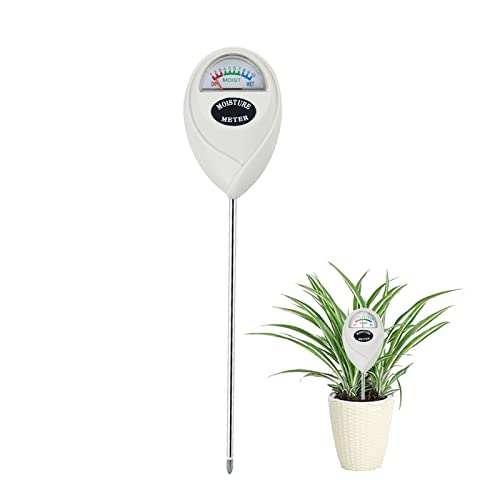
- A finger or wooden chopstick for a 2-inch soil check
- A pot with a drainage hole
- Well-draining cactus and succulent mix
- A terracotta pot if the soil tends to stay wet
- Room-temperature water
- Clean scissors or pruners for damaged roots
- A dry tray or saucer
- Fresh dry mix for repotting if roots need rescue
How often should you water a snake plant in winter?
Water less often than in spring and summer. Use soil dryness, room temperature, light, and drainage, not a fixed calendar. The top 2–3 inches should feel dry before you water, and a finger or chopstick should come out dry a couple of inches down.
- Check the soil depth. Push a finger or wooden chopstick 2 inches into the mix. If it comes out cool or damp, wait.
- Match watering to the room. In a bright warm room, the plant may dry faster than in a cool or dim room. Move it farther from a window or heater and the next watering usually comes later.
- Skip calendar watering. Do not water every 7 or 14 days by habit; a common rule of thumb is to water only when the soil is dry. Snake plants store water in their leaves, so winter care depends on the plant’s actual dryness, not the date.
- Add water in one round. Water until a little runs from the drainage hole, then empty the saucer. Recheck the soil after a few minutes; if it still feels wet at the top, stop there and wait longer next time.
Say your snake plant sits in a south-facing room near a warm vent. The top of the mix may dry sooner than a plant in a cool apartment, but the chopstick test still decides the timing.
How do you tell root rot from normal winter slowdown?
Winter slowdown usually means slower drying and less growth, not soft roots. Root rot points to soggy soil, dark or black roots, mushy texture, and leaves that yellow or wilt even though the plant still has water in the pot.
Read the leaves and soil
A snake plant that is merely thirsty often has slightly softer leaves and dry soil all the way through. A plant with rot often has leaves that yellow, brown, or collapse while the pot still feels heavy.
Inspect the roots for color and texture
Slide the plant out of the pot. Healthy snake plant roots are commonly white and firm. Darkened or black roots that feel mushy point to rot, especially after a wet stretch.
A common first-timer mistake is to water again because the leaves look limp. If the pot is already wet, more water makes the problem worse.
Decide whether the plant is thirsty or rotting
If the mix is dry and the roots are firm, water once. If the mix is soggy and the roots are dark or mushy, treat it as root rot and move to rescue steps right away.
What to do if the soil stays wet
If soil stays wet for days in winter, remove the plant from the soggy mix, inspect the roots, and reset it in dry, draining soil. That is the fastest way to stop the roots from sitting in moisture long enough to rot.
- Unpot the plant. Tip it out gently and shake away loose wet soil. Keep the crown dry while you work.
- Trim damaged roots. Cut off black, mushy roots with clean scissors. Leave white, firm roots in place.
- Air-dry briefly. Let the root ball sit out until the surface is no longer slick. A short dry-down helps the next potting mix start dry.
- Repot in fresh mix. Use a cactus and succulent mix that drains well and does not stay oversaturated. Set the plant in a pot with a drainage hole, then wait before watering again unless the mix was bone dry.
Suppose the pot stayed wet after a heavy winter watering and the leaves started yellowing. If the roots are still mostly white and firm, the plant can often recover in fresh dry mix. If most roots are black and mushy, recovery gets much less likely.
Should you repot a snake plant in winter?
Repot only when wet soil is the problem or when the current pot holds water too long. Winter is not the best season for routine repotting, but it is the right time to act if the plant is stuck in soggy soil or a pot with no real drainage.
- Choose a draining pot. Use a pot with a drainage hole. If the plant lives in a cachepot, keep the inner pot lifted out of standing water after each watering.
- Pick a faster-drying material. Terracotta dries faster than plastic and helps reduce soggy soil. That can matter a lot in low-light winter rooms.
- Refresh the mix. Fill with cactus and succulent mix, then firm it lightly. Do not pack it tight, because air spaces help excess water move away from the roots.
Snake plants are succulent houseplants with leaves that store water, and they can be divided and repotted in spring. In winter, the priority is keeping the roots dry enough to survive the slow season.
How cold is too cold for snake plants indoors?
Keep snake plants above 50°F (10°C), and protect them from drafty windows in winter. Freezing temperatures can damage the foliage, and cold glass can help the root zone stay damp longer than it should.
Move them away from drafty glass
If a plant sits beside a window that chills overnight, slide it farther into the room. Even a small move can reduce cold stress and help the pot dry at a safer pace.
Watch for cold damage after watering
Watering in a cold spot is risky because the mix dries slowly. If the room is cool, bright, and near a drafty window, wait longer between waterings and check the soil twice before adding more water.
Common mistakes
- Watering on a fixed schedule instead of checking soil depth.
- Using a pot with no drainage hole and leaving water pooled under the plant.
- Keeping the plant in a low-light room after watering it heavily.
- Using plastic when the mix already stays wet too long.
- Ignoring yellowing or browning leaves when the roots are already soft.
- Adding fertilizer in winter or fall, which can push growth when the plant should be moving slowly.
Frequently asked questions
How do I know if my snake plant has root rot or is just thirsty?
Thirst usually comes with dry soil and firm roots. Root rot comes with soggy soil, dark or black roots, and mushy texture. If you unpot the plant and the roots crumble or smell sour, repot immediately into fresh dry mix.
What kind of pot prevents snake plant root rot?
A pot with a drainage hole is the first requirement. Terracotta is a strong choice because it dries faster than plastic. If you must use a cachepot, keep the nursery pot inside it and empty any collected water right away.
Should I repot a snake plant in winter if the soil stays wet?
Yes, if the plant keeps sitting in wet soil. Move it into fresh dry cactus and succulent mix in a draining pot as soon as possible. Do not wait for spring if the roots are already staying soggy.
Can I save a snake plant with mushy roots?
Often, yes, if some roots are still white and firm. Trim the mushy parts, let the plant dry briefly, and repot it in dry mix with drainage. If most of the root system is black and soft, the plant may not recover.
Do snake plants need less water in winter than in summer?
Yes. Their growth slows in winter, so they use water more slowly. That does not mean “barely water at all.” It means you wait for dry soil and adjust for light, room temperature, and pot drainage.
What soil should I use for a snake plant to avoid root rot?
Use a cactus and succulent mix. It should drain quickly and not stay oversaturated. If the mix still holds water too long, add more drainage-friendly material or move the plant into a terracotta pot with a drainage hole.