Best Winter Houseplant Care for Radiators (2026): Research Shows
Keep houseplants 12 to 24 inches from radiators, move tender plants off cold window glass at night, and water less often in winter because heated rooms dry fast and roots use less moisture. Dry air, hot vents, and cold drafts cause leaf scorch, root rot, and sudden drop-off. This guide shows where to place plants, how to water in low light, and which humidity fixes work best in apartments with radiators.
Quick comparison
| Product | Badge | Best for | Price | ||
|---|---|---|---|---|---|
 | XLUX Plant Soil Moisture MeterXLUX | Our pick | Single-probe · battery-free · indoor/outdoor | $8.48 Price as of 27 Nov 2026 | View |
 | TempPro TP50 Digital Hygrometer Indoor Thermometer RoomTempPro | Also great | Indoor thermometer · humidity gauge · DRY/COMFORT/WET | $9.97 Price as of 27 Nov 2026 | View |
 | SupKing 2 Pack Plant Saucers Drip Tray 10 Inch Heavy SturdySupKing | Pair with it | 2-pack 10-inch saucers · clear plastic | $8.99 Price as of 27 Nov 2026 | View |
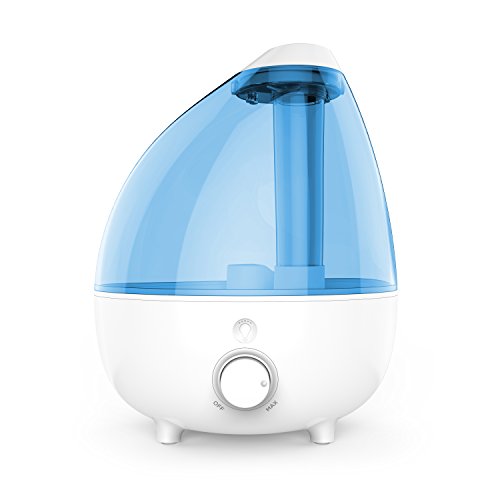 | Pure Enrichment MistAire XL Ultrasonic Cool Mist HumidifierPure Enrichment | Upgrade pick | Large-room humidifier · 1-gallon tank · variable mist | $39.99 Price as of 27 Nov 2026 | View |
 | 2 Pack 8 Inch Pots for Plants IndoorFielda | Pair with it | 2-pack 8-inch pots · self-watering · green | $15.99 Price as of 27 Nov 2026 | View |
For a radiator-heavy apartment, the best buys are the tools that tell you what the air and soil are doing, not guesswork. Start with a hygrometer for dry rooms, then a moisture meter for watering, then a humidifier if tropical plants keep crisping at the edges.
How we chose
We compared the products on four practical points: whether they solve a winter apartment problem directly, how easy they are to place in a small room, whether they help you avoid overwatering or dry-air stress, and how clearly their specs support the job. The goal is fewer surprises near heaters and cold glass.
We also favored tools that fit common apartment setups. That means simple controls, easy reading, and parts that do not take much floor space.
XLUX moisture meter: best for soil checks
This is the strongest pick if you need a fast read on whether potting mix is dry enough to water. Based on the manufacturer’s details and buyer feedback, the battery-free dial and slim probe make it useful for apartment plants that sit near a radiator and dry out faster than the rest.
It is a good fit for tropical foliage plants, hanging baskets, and larger pots where the top layer can feel dry while lower roots still hold moisture. The main drawback is that a single-probe meter can miss pockets in very chunky mix, so it works best as one check alongside finger testing.
TempPro hygrometer: best for dry air
This is the best first tool if you need to know whether the room itself is too dry. It shows humidity and temperature, which matters because most houseplants prefer relative humidity around 40–50%, while heated apartments often drop lower in winter.
It is especially helpful near radiators, entry halls, and bright sofa-side shelves where the air may differ from the rest of the apartment. The drawback is simple: a hygrometer tells you the number, but it does not fix the air on its own. You still need a humidifier, grouping, or a tray to change conditions.
SupKing plant saucers: best for water control
This set works well when you need to protect floors, keep excess water from sitting under pots, and make plant care less messy in tight rooms. The clear plastic keeps the look subtle, and the ridges can improve airflow under the pot a little.
It suits windowsills, shelves, and kitchen corners where overwatering can quickly become a stain problem. The drawback is that a saucer is not a watering system. If you leave water standing in it, roots stay wet too long, which raises rot risk in winter.
Pure Enrichment humidifier: best for whole-room dryness
This is the best choice when the whole room feels dry, not just one plant corner. The large tank, variable mist, and automatic shut-off make it practical for winter bedrooms or living rooms where tropical plants and people both feel the heat.
It is most useful when dry air is the main issue and several plants sit in the same zone. The drawback is size: a larger humidifier takes space and needs regular cleaning, so it is more commitment than a pebble tray or grouping. It also works best with a hygrometer, not by feel alone.
Fielda self-watering pots: best for busy schedules
This is a decent option if you want a more forgiving pot for plants that like steady moisture and you often miss the exact watering window. The water level indicator and reservoir help reduce swings between bone-dry soil and drenching.
That said, self-watering pots are not ideal for every plant. Succulents and cacti usually prefer drier conditions, and any pot with a reservoir can keep too much moisture around roots if you do not adjust for winter slowdown.
Which one should you buy?
If your main problem is dry air across the whole apartment, start with the hygrometer and then the humidifier. If the leaves crisp at the edges but the room feels comfortable, a moisture meter usually solves more than a misting habit does.
If you only want one low-cost tool, buy the moisture meter first. It answers the question that matters most in winter: whether the pot is actually dry enough to water. If you already know the soil is right but the room still feels parched, shift budget to the humidifier.
If your plants sit on shelves, window ledges, or under drip-prone baskets, saucers are worth adding. If you travel or forget watering, the self-watering pots make sense for moisture-loving plants, but they are not a good fit for dry-loving desert types.
How do I care for houseplants in a winter apartment with radiators?
Put heat, cold glass, and light in separate buckets. Radiators dry the air and can scorch leaves, while cold windows chill foliage at night. The safest winter routine is to move plants out of direct heat, check soil more carefully, and give brighter light without letting leaves touch glass.
Read the room before you move plants
Central heating can dry out indoor air and harm some plants, and a heated apartment often combines short daylight, dry air, warm vents, and cold glass. That mix is why one shelf can be fine for a pothos and wrong for a fern. The fix depends on which stress hits first.
Use small shifts first
- Move plants off the heat line. Start by shifting pots 12 to 24 inches away from radiators, fireplaces, and forced-air vents. Small changes often cut drying stress without forcing a full room rearrange.
- Check the window edge. If a plant sits on a sill above a radiator, move it back from the glass at night or add a buffer. Cold glass can damage leaves even when the room itself feels warm.
- Watch the soil, not the calendar. Use a finger test and water only when the top inch is dry. Winter growth slows, so most plants need less frequent watering, but radiator-adjacent pots can dry faster than the rest of the apartment.
Say your monstera sits on a south window above a radiator. The room may feel warm, but the top inch of soil can dry faster than expected while the leaf tips still get chilled at night. Move it a short distance from the glass, then water by dryness, not by a fixed weekly habit.
How often should I water houseplants in dry winter air?
Water when the top inch of potting mix is dry, not on a fixed winter schedule. Dry air and lower light slow growth, so most indoor plants need less frequent watering in winter, but radiators can speed evaporation enough that nearby pots dry sooner than plants in cooler corners.
Use a simple trigger
- Test the top inch. Push a finger into the soil to about the first knuckle. If that top inch feels dry, water; if it still feels cool or damp, wait.
- Water fully, then drain. Give enough water to moisten the root ball and let excess run out. Tip away standing water after about 10 minutes so roots do not sit wet.
- Adjust for the microclimate. Pots beside radiators, vents, or warm windows dry faster than plants in hallways or bathrooms. Check those spots more often, because room-wide humidity can hide local dryness.
A common first-timer mistake is watering all plants on the same day because the apartment feels dry. In a small flat, the fern by the radiator may need water three days before the snake plant on the sofa-side shelf does. The soil tells the story better than the room thermometer.
Should houseplants be kept away from radiators?
Yes. Most houseplants should stay away from direct radiator heat, especially tender tropical foliage plants. Dry, hot air pulls moisture from leaves and soil, and the blast can brown edges or make the plant drop leaves fast. A gap of about 12 to 24 inches is a practical starting point in apartments.
What to move first
- Tropical foliage plants with thin leaves.
- Newly watered pots that dry too fast near heat.
- Plants that show crisp edges or curled leaves.
Succulents and cacti handle lower humidity better than many tropical plants, but they still should not sit so close to a radiator that the pot bakes. Direct heat is a separate problem from dry air. A cactus can dislike both, even if it tolerates one better than a fern.
How do I raise humidity for houseplants in an apartment?
Use the right tool for the scale of the problem. For one or two humidity-sensitive plants, grouping and a pebble tray can help locally. For several tropical plants in one room, a humidifier plus a hygrometer is the most reliable setup. Pebble trays help a little, but they do not replace real humidity control.
Choose the fix by plant type
- Group similar plants together. Cluster tropical foliage plants so they share a slightly moister pocket of air. This works best on shelves or tables, not in open draft paths.
- Use a pebble tray wisely. Set pots on a wide tray of pebbles topped up with water, keeping the pot base above the water line. This adds local humidity without soaking roots.
- Add a humidifier when needed. If the room stays dry in winter, run a humidifier and watch the hygrometer. That gives you a measurable target instead of guessing by leaf edges.
Most houseplants prefer relative humidity around 40–50%, but that does not mean every plant wants the same setup. Tropical foliage plants usually benefit the most from higher local humidity, while succulents and cacti usually care more about soil dryness and airflow than a moisture boost.
Do houseplants need less water in winter?
Usually, yes. Lower light and slower growth mean many houseplants use less water in winter, so the old schedule often becomes too frequent. The exception is a plant sitting near a radiator, vent, or warm window, where the soil may dry faster than the rest of the apartment suggests.
Look for the exception, not the rule
If a plant is in a cool hallway or away from heat, it may hold moisture longer. If it is on a radiator-side sill, check it sooner. Winter watering is about matching the pot’s drying rate to its microclimate, not applying the same interval to every room.
Do I need grow lights for houseplants in winter?
Not always, but dim winter windows often need help. If natural light is weak, a full-spectrum LED clip light can keep plants from stretching and losing color. Move plants into brighter spots first, then add light if the window still does not give enough for the species you are growing.
Set lights for winter conditions
- Place the light close enough. Keep the fixture at the distance the manufacturer recommends, usually close for low-light houseplants. Too far away wastes light, while too close can stress leaves.
- Run it on a timer. A consistent daily schedule is better than random extra light. Many indoor setups use about 10 to 12 hours a day, but lower-light plants may need less and brighter growers may need more.
- Match light to plant demand. Tropical foliage plants near weak windows benefit most. Succulents and cacti need brighter conditions overall, so a weak winter window often is not enough for them without better placement or stronger light.
Cold windows and dry air can damage houseplants in different ways. A leaf may scorch from hot dry air near a radiator, while another may spot or crisp from contact with cold glass at night. If both happen in the same room, solve the heat issue and the chill issue separately.
Apartment houseplant placement checklist
This checklist separates the common winter setups that cause trouble in small apartments. The best microclimate fix changes with the heat source, the window, and the type of plant.
| Setup | Radiator proximity | Window chill risk | Humidity-sensitive plants | Watering trigger | Best microclimate fix |
|---|---|---|---|---|---|
| Windowsill above radiator | High; keep 12 to 24 inches away if possible | High at night if glass gets cold | Yes, especially tropical foliage plants | Water when the top inch is dry | Pull pots back from glass, add a hygrometer, and use a humidifier if several plants share the spot |
| Sofa-side shelf | Usually low unless near a vent | Low to moderate depending on nearby window | Sometimes, if the room air is dry | Check every few days in winter dryness | Group plants together and use a pebble tray if the shelf is warm but not directly heated |
| Entry hall | Often low | Moderate if the door leaks cold air | Less ideal for fussy tropicals | Water more slowly; soil often dries less fast | Keep away from drafts and choose plants that tolerate lower light and cooler air |
| Bathroom | Usually low | Low if the room stays closed | Good for humidity-loving plants if light is adequate | Check soil less often if moisture lingers | Use for plants that like humid air, but watch for low light and overwatering |
| Kitchen | Variable near ovens and heat sources | Low away from windows; moderate near cold glass | Moderate for many tropical plants | Water by dryness, since heat swings are common | Keep away from direct cooking heat and avoid overwatering after steam-heavy days |
Picture a fern on a bathroom shelf and a jade plant on a kitchen ledge. The fern may welcome local humidity if the room has enough light, while the jade plant may rot if you chase moisture around it. The right setup depends on the species, not the room label.
What should I do if my houseplant leaves turn brown in winter?
Check the pattern first. Brown leaf edges near a radiator usually point to dry heat, while damage on the side facing a cold window points to chill or contact with glass. Brown tips can also come from salt buildup, especially if fertilizer kept going through winter or water quality is poor.
Work through the causes in order
- Move the plant first. Take it off the radiator line and away from cold glass. This removes the two most common winter stressors before you change anything else.
- Check soil and saucers. If the pot is bone-dry, water fully. If the saucer holds water, empty it after about 10 minutes so roots do not sit wet.
- Inspect for pests and salts. Look for fine webbing or speckled leaves, which can signal spider mites in dry warm air. If fertilizer has been used, pause feeding and consider a flush once spring growth resumes.
Dry heated air invites spider mites, and dust makes the problem easier to miss. A quick leaf wipe and close inspection can catch stress early. If the leaves look dull, spotted, or dusty, treat that as a warning sign, not just a cosmetic issue.
Frequently asked questions
Is a humidifier good for houseplants in winter?
Yes, especially for tropical plants in dry heated apartments. A humidifier helps most when several plants share one room and the air stays below the range many plants prefer. Use it with a hygrometer so you know whether the room is actually reaching a better level.
How close can a houseplant be to a heater?
A useful starting point is 12 to 24 inches away from a radiator or similar heat source. Closer than that, the air can dry too quickly and the pot may lose moisture faster than the roots can handle. Keep leaves from touching the heat source or cold glass.
Can cold windows and dry air damage houseplants?
Yes. Cold glass can chill leaves at night, while dry heated air can pull moisture from foliage and soil. In small apartments, both problems often happen in the same spot, so the fix is to move the plant a little back from the window and add humidity only if needed.