Gardening Techniques for Choosing the Right Garden Tools
Choose garden tools by the task first, then by your reach, grip strength, and bed layout: one sharp hand tool, one digging tool, and one pruning tool often cover small gardens. The wrong tool wastes money, strains wrists and backs, and makes clean cuts or straight holes harder to get. This guide shows how to match common garden jobs to the right tools, handles, and blade shapes.
Start with the job, not the kit


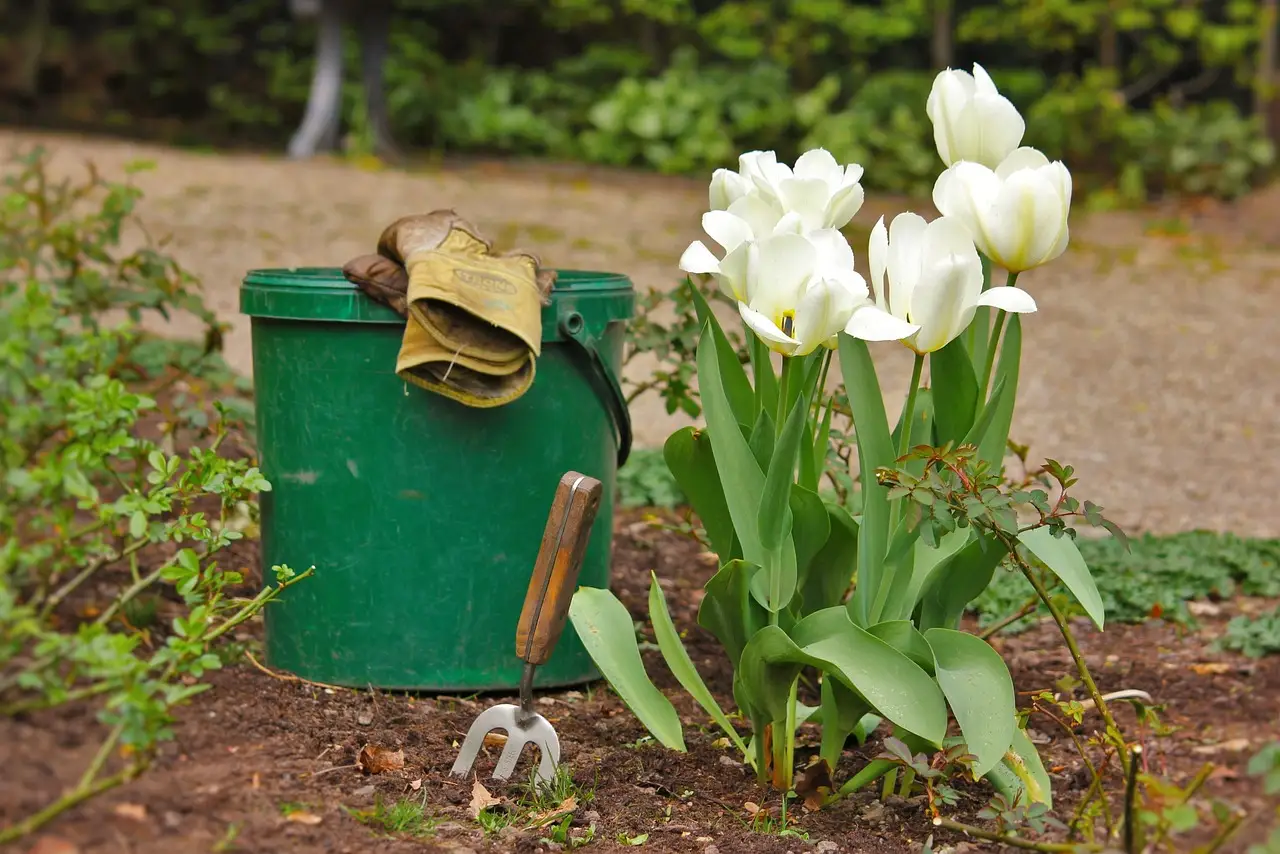
The fastest way to avoid wrong purchases is to name the task before you name the tool. A hand trowel that feels right in containers can be clumsy in firm border soil, and a long handle that helps in open beds can be awkward on a shelf-packed patio.
Garden Design’s tool guidance includes a section called 12 Essential Garden Tools, and it frames tools as useful for both beginning and advanced gardeners. Its care guidance also covers daily and seasonal maintenance, with cleaning and storage as part of the routine. Tool choice and tool care work together.
Match tool size to bed type and plant spacing
Small beds, raised beds, and containers usually reward compact tools with tighter control. Border beds, clay soil, and pruning-heavy gardens usually reward longer handles, stronger joints, and blade or tine shapes that can take more load.
Think in terms of reach, mechanical advantage, and access. If your plants are spaced closely, an oversized head wastes motion and disturbs nearby roots. If your soil is dense, a flimsy tool bends or skates instead of cutting or loosening the ground.
Use fit, mechanical advantage, and storage space as filters
Three questions should narrow the field fast. Does the handle fit your hand without hot spots? Does the tool give enough mechanical advantage for the job? Can you store it dry, upright, and out of the weather?
A tool that fits the job but fails one of those filters is usually the wrong buy. A shorter handle can force bending. A wide head can be efficient in open soil and useless between closely spaced plants.
What garden tools do you actually need for your garden?
Most gardeners need a small core set, not a full rack. Start with a hand trowel, bypass pruners, a garden fork or spade, gloves, and one watering tool. Add a rake or hoe when your beds or soil type actually call for them.
Garden Design’s page also notes that beginning gardeners often find starting a garden intimidating, and that garden resources can help even then. That is another reason to buy by task, not by a generic kit.
The core tools most gardeners should own
- Hand trowel. Best for planting and transplanting in small beds and containers. Look for a comfortable grip and a blade shape that scoops cleanly without twisting your wrist.
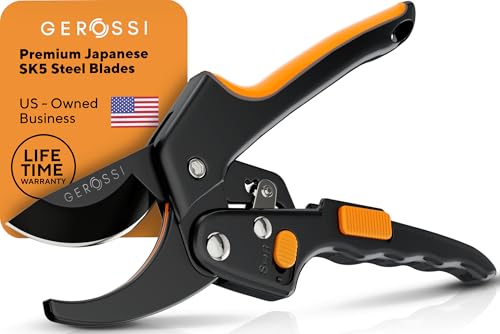
- Bypass pruners. Best for live stems and small branches. A clean cutting action matters, and blade size plus hand fit should match your grip.
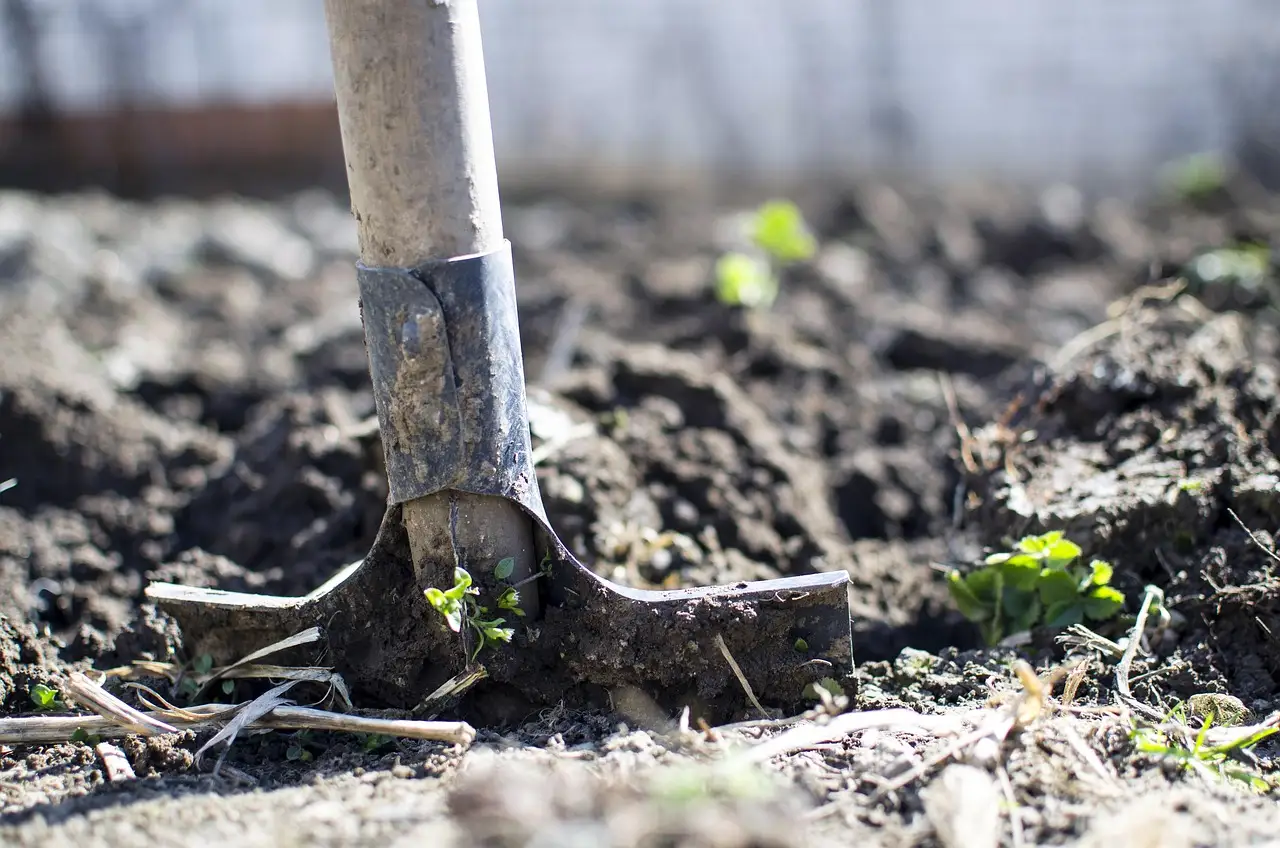
- Garden fork. Best for loosening soil and lifting roots, especially in compacted or clay soil. Tine strength matters more than a pretty finish.
- Spade. Best for edging, digging, and moving soil in border beds. Blade shape and length affect mechanical advantage.
- Rake. Best for leveling soil and clearing debris. Choose leaf rake or bow rake based on the job.
- Hoe. Best for weeding and cultivating. Head style and handle length should match weed pressure and posture.
- Watering can or hose nozzle. Best for targeted watering. Flow control matters for seedlings and containers.
- Gloves. Best for thorn protection and blister reduction. Fit and dexterity matter as much as material.
- Tool care supplies. Cleaning tools, dry storage, sharpening, and rust prevention keep the set working longer.
When hand tools make more sense than long-handled tools
Hand tools usually make more sense in containers, raised beds, narrow borders, and tight paths. They give closer control, take less storage space, and are easier to angle around stems and edges.
Long-handled tools make more sense when you are reaching across wider beds, moving more soil, or standing for longer stretches. If your back is bending because the tool is too short, the longer version is the better first buy.
What to buy first if you are starting small
If you are starting with pots or one small raised bed, begin with a trowel, bypass pruners, gloves, and a watering nozzle or can. Add a rake or hoe only if you notice leveling, debris, or weed pressure becoming regular chores.
If your garden is mostly open ground, start with a spade and garden fork first, then add the smaller hand tools. The soil and bed layout should decide the order.
Garden tool decision table
This table maps common tasks to the best tool type, the fit or spec that matters most, and the buying mistake that causes the most trouble. Use it to replace “one tool for everything” thinking with a task-by-task choice.
| Task | Best tool type | Key fit or spec to check | Most common buying mistake |
|---|---|---|---|
| Planting seedlings in containers | Hand trowel | Comfortable grip and a narrow blade | Buying a broad blade that spills soil and crowds roots |
| Transplanting small starts | Hand trowel | Blade length that reaches below the root ball | Choosing a short, flimsy blade that bends in firm mix |
| Cutting back live stems | Bypass pruners | Blade size and hand fit | Buying an anvil-style cutter for green growth |
| Removing small branches | Bypass pruners | Clean cutting action and comfortable mechanical advantage | Picking oversized pruners that force your hand open too far |
| Breaking up compacted soil | Garden fork | Strong tines and a sturdy head | Choosing thin tines that bend in clay |
| Lifting roots or old plants | Garden fork | Tine strength and shaft stability | Buying a light-duty fork for heavy soil |
| Edging border beds | Spade | Blade shape and handle length for mechanical advantage | Using a short tool that makes you hunch over |
| Moving soil or compost | Spade | Blade width matched to the load | Buying a narrow blade that slows bulk work |
| Leveling new soil | Rake | Head width and tooth style | Choosing a head that is too wide for tight beds |
| Clearing leaves and debris | Leaf rake | Flexible tines and a wide head | Buying a heavy bow rake that drags on soft debris |
| Weeding between rows | Hoe | Head style and handle length | Picking a short handle that strains the lower back |
| Targeted watering for seedlings | Watering can or hose nozzle | Flow control and spray pattern | Using a harsh stream that disturbs soil and bends stems |
How do you choose the right garden tools for the task?
The right tool depends on the work surface, the plant type, and the force you need to apply. A sharp pruner can handle live stems cleanly, while a fork or spade handles soil movement better. Comfort matters because the wrong grip or handle length changes how accurately you work.
Grip shape, handle length, and weight balance
Choose a grip that fills your palm without forcing a tight pinch. A handle that is too thin can feel slippery, and one that is too thick can fatigue your fingers fast. For long tools, the balance point should feel steady rather than blade-heavy or top-heavy.
Handle length should match posture. Short handles suit close work and limited storage. Longer handles help when you need reach and reduced bending, especially in border beds or larger plots.
Blade size, tine strength, and head width
Blade size should match the scale of the job. A small blade gives control in containers. A larger blade moves more material in open beds. On pruners, the cutting geometry matters because a clean bypass cut is better for live growth than a crushing cut.
Tine strength matters in clay soil and compacted beds. Head width matters on rakes and hoes because an oversized head can be efficient in open ground and awkward in tight spacing. Weak tines and poor blade geometry are common failure points.
Left-hand, right-hand, and two-handed use
Check whether the tool feels natural in the hand that will use it most. Many pruners work for both hands, but some grips favor one side or twist the wrist more than they should. Two-handed tools should let you keep the wrists neutral while applying force.
Suppose you are pruning a row of stems in a narrow raised bed. A bypass pruner with the wrong grip shape can twist your wrist on every cut, while a smaller model with a better hand fit keeps cuts cleaner and reduces fatigue.
Which tools work best for raised beds and containers?
Raised beds and containers usually call for compact tools that stay inside the footprint of the bed. You want control, not reach. Hand tools usually beat long-handled versions here because they reduce soil spill and let you work around close spacing.
Best fits for tight planting spaces
A hand trowel is often the first pick for potting mix, seedlings, and transplanting in containers. Bypass pruners are often a good choice for deadheading and light trimming near the rim of a pot. Gloves should be snug enough to keep dexterity for small stems and ties.
A watering can or adjustable nozzle matters in these spaces because flow control keeps the top layer from washing away. Look for a gentle spray pattern for seedlings and a narrower stream for established containers.
Tools that avoid overreach and soil spill
Large rakes, broad spades, and long hoes can be awkward in a raised bed if the tool face is wider than the bed itself. In that case, smaller heads and shorter handles usually work better because you can keep material inside the bed and avoid scraping edges.
Picture a 4-by-8-foot raised bed planted with lettuce, basil, and carrots. A compact fork or hand trowel will usually serve better than a full-size digging tool because the smaller tool reaches between plants without smashing stems or dumping soil over the side.
When compact tools beat long-handled versions
Choose compact tools when the job happens at arm’s length or less, or when storage space is limited. Long handles are better when the bed is wide, the soil is heavy, or the task repeats across a larger area. The bed size should decide the format.
Which tools are worth spending more on?
Pay more where build quality changes the result of the work. That usually means pruners, spades, forks, and any tool that has to cut cleanly or withstand force. Spend less where the task is light and the tool is simple, such as a basic rake for debris or a no-frills watering can.
Where build quality pays off
Bypass pruners are worth upgrading when the blade closes cleanly, the lock feels secure, and the handle fits your hand without squeezing. Garden forks and spades are worth stronger construction if you work in clay soil or move heavy soil often, because weak heads bend and loose sockets wobble.
Gloves can also be worth more if you need a better fit. Thorn work, pruning, and repetitive weeding all reward gloves that protect without taking away finger control.
Where a budget tool is usually fine
Light debris raking, occasional watering, and basic container planting usually do not require premium pricing. A simple leaf rake or watering can is often enough if the head shape suits the job and the handle feels comfortable.
Basic versions also make sense if you are still testing a garden layout. It is better to learn how often you actually weed, dig, or prune before buying a specialized tool for a job that happens only a few times a season.
When to upgrade from a multipurpose tool to a specialized one
Upgrade when the same task keeps exposing the same failure point. If a general-purpose hoe leaves weeds behind, a different head style may solve the problem. If a do-it-all pruner crushes green stems, a better bypass model is the right upgrade.
A common first-timer mistake is buying one multipurpose tool and hoping it will cover raised beds, containers, clay soil, and pruning all at once. That usually leads to fatigue and poor results. Replace the tool that fails most often, not every tool at once.
How should you care for garden tools?
Clean tools after use, dry them before storage, and keep cutting edges sharp enough to do their job without force. Tool care is not optional if you want reliable cuts, less rust, and less effort next time. Garden Design’s guidance treats cleaning and storage as part of tool maintenance, both daily and seasonal.
Cleaning after use
- Remove soil first. Knock off loose dirt, then rinse or wipe the blade, tines, or head until residue is gone. Wet mud left on steel traps moisture and speeds rust.
- Dry every surface. Wipe metal and handles completely before putting the tool away. Pay attention to joints, hinges, and the area where the blade meets the handle.
- Check for wear. Look for nicks, loose fasteners, rust spots, or bent edges. Small problems are easier to fix before they change how the tool cuts or digs.
Dry storage and rust prevention
Store tools indoors or under a dry cover, not on damp soil or in a puddle-prone corner. Hanging tools keeps edges off the ground and makes rust less likely. A light coat of oil on metal parts helps protect against moisture, especially after wet weather or seasonal use.
Sharpening and basic maintenance supplies
Keep a sharpening tool for pruners and other cutting edges, plus a cloth for wiping and a brush for dried soil. If a blade needs force to cut, it is already costing you accuracy. Sharpening restores clean action and reduces hand strain.
Garden Design includes a guide specifically about caring for tools, and its maintenance advice covers both daily and seasonal attention. That lines up with the practical rule here: use, clean, dry, store, and inspect.
Frequently asked questions
What garden tools do I actually need for my garden?
Start with the tools that match your actual tasks, not a full kit. Most gardens need a hand trowel, bypass pruners, gloves, and one digging tool such as a spade or garden fork. Add a rake, hoe, or watering nozzle when your beds, weeds, or watering pattern demand them.
What are the most essential garden tools for beginners?
Beginners usually need the fewest tools that do the most work. A hand trowel, bypass pruners, gloves, and a watering can or nozzle cover a lot of small-garden chores. If the garden is larger or the soil is heavy, add a garden fork or spade next.
Should I buy hand tools or long-handled tools first?
Buy hand tools first if you garden in containers, raised beds, or tight spaces. Buy long-handled tools first if you work in open ground, move a lot of soil, or need to reduce bending. The size of the bed and the amount of reach you need should decide it.
How do I pick garden tools that fit my hands and height?
Check whether the grip fills your palm without forcing a squeeze, and whether the handle length lets you work without hunching or overreaching. For cutting tools, blade size should suit your hand, not just the job. A good fit keeps you accurate and lowers fatigue.
How do I care for garden tools so they last longer?
Clean off soil after use, dry the tool fully, and store it in a dry place. Sharpen cutting tools when they start to crush instead of slice, and watch for rust on metal parts. Good storage and basic maintenance matter as much as the original purchase.
What garden tools are worth spending more money on?
Spend more on tools that take repeated force or need a clean cut, especially bypass pruners, spades, and garden forks. Pay attention to blade geometry, tine strength, and handle fit. A better-made tool usually holds up longer and works with less strain.