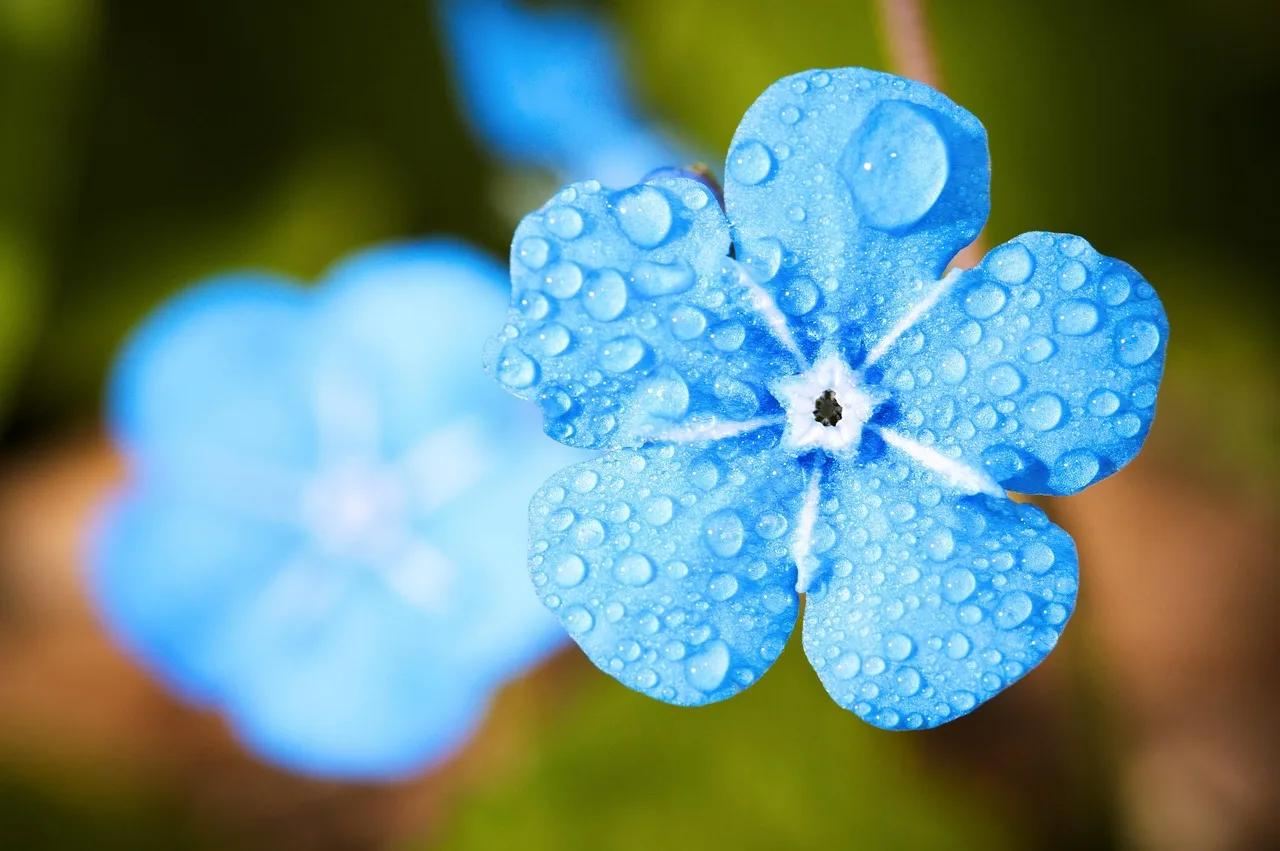
Why Some Plants Have Flowers and Others Do Not
Some plants never flower because they reproduce without blossoms, while flowering plants may stay leafy until maturity, daylight, temperature, or stress cues trigger bloom. Misreading that split can lead you to prune, fertilize, or move a plant at the wrong time and miss flowers for a season. This guide explains which plants biologically do not flower, which ones are simply not blooming yet, and why reproduction costs shape both paths.
Flowering and non-flowering plant reproduction
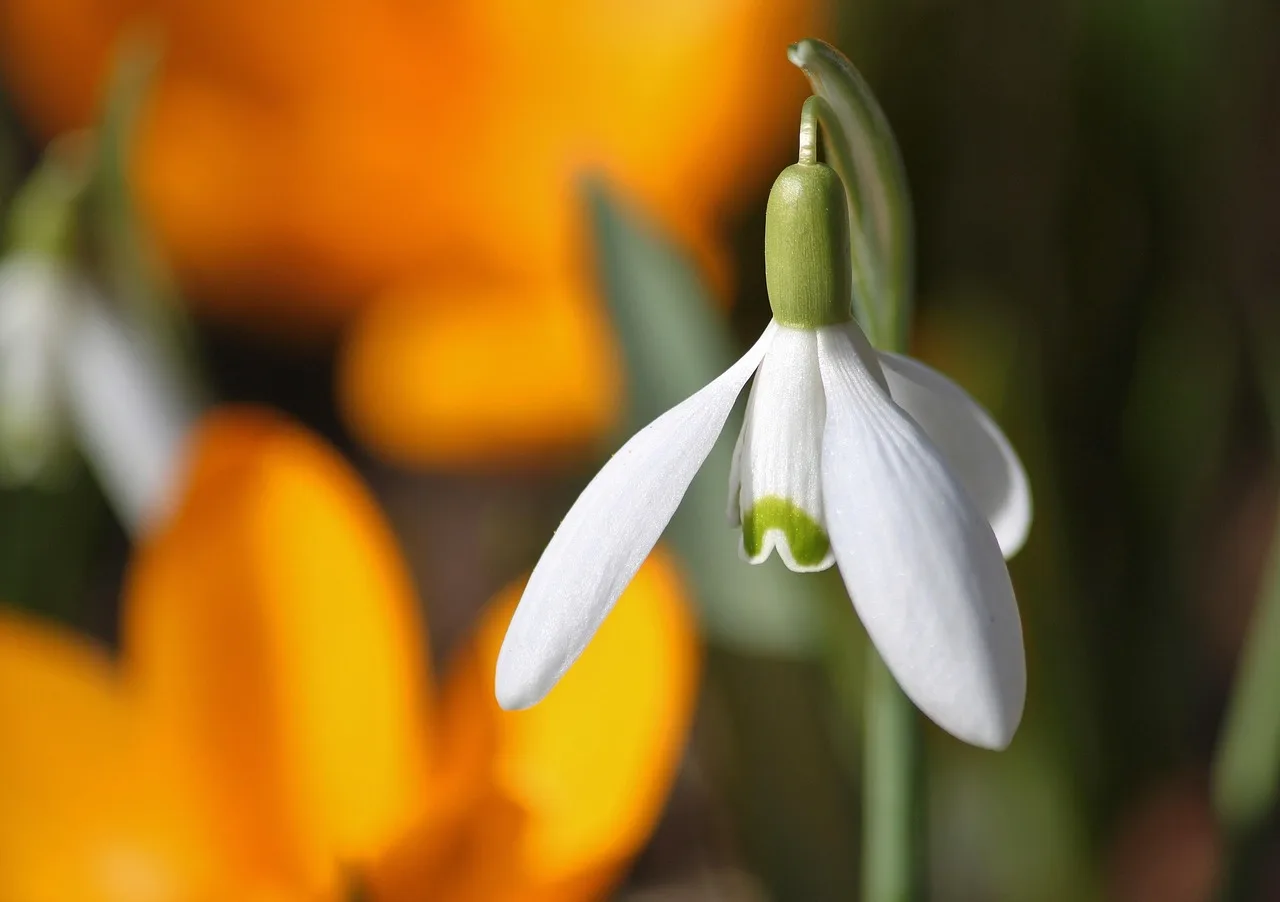
Flowering plants make flowers because flowers are their reproductive organs, with pollen, ovules, and seed formation tied to that structure. Many other plants never form flowers at all; they make spores or cones instead. The key split is biological, not cosmetic. A fern with no blossoms is normal. A rose with no buds is a different problem.
Flowering plants and reproductive parts
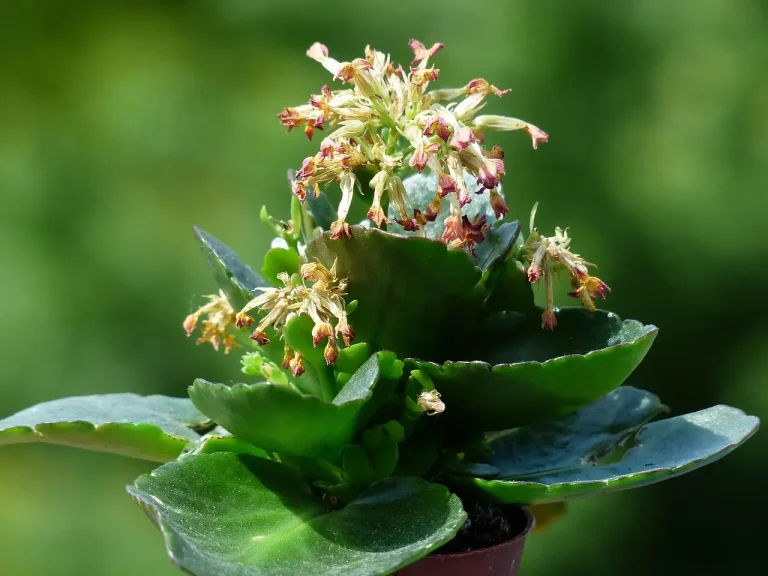
Flowering plants, also called angiosperms, produce flowers as reproductive structures. In a flower, the stamen is the male part that carries pollen, and the pistil is the female part, with the stigma where pollen lands. Flowers can have both parts in one bloom, or separate them into different flowers.
Pollination happens when pollen lands on the stigma. After successful pollination and fertilization, seeds can form. That is why flowers matter even when they seem brief or decorative. They are the plant’s route to the next generation.
Non-flowering plant groups
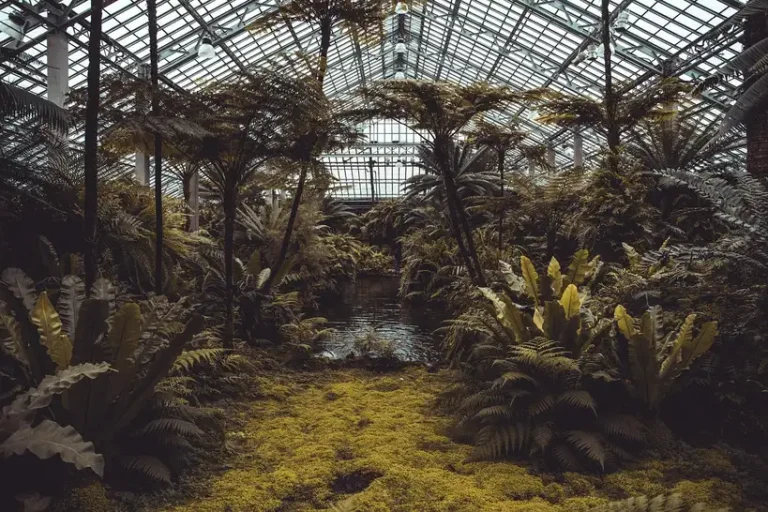
Non-flowering plants do not produce flowers. Ferns and mosses reproduce by spores. Conifers reproduce with cones, not petals or blossoms. These plants are not “failing to bloom”; flowers are simply not part of their reproductive design. (Wikipedia)
Say your yard has a mature fern that stays green all summer but never flowers. That is expected. By contrast, a tomato plant with healthy leaves and no buds may be too young, too shaded, or recently pruned hard enough to delay flowering.
What flowers do for a plant
Flowers are where many plants switch from growth to reproduction. They hold the parts that receive pollen, move it to the right place, and form seeds after fertilization. A plant may build leaves and roots first, then shift energy into flowers when conditions support reproduction.
Stamen, pistil, and pollination
The stamen makes and holds pollen. The pistil contains the egg-holding structure and includes the stigma for pollen reception. When pollen reaches the stigma, pollination has happened. In many species, insects such as bees carry pollen from one flower to another.
That transfer matters because pollen has to reach the right place for seeds to form. Some flowers can pollinate themselves, while others need pollen from a different flower of the same species. The route varies, but the reproductive goal is the same.
Seeds after fertilization
After pollination and fertilization, seeds form. The number of seeds can vary by flower type and by how the plant allocates energy. Some flowers produce many seeds. Others produce fewer, larger seeds with more stored resources.
A common first-timer mistake is expecting every bloom to become fruit. That only happens after successful pollination and fertilization. If the flower drops without setting seed or fruit, the plant may not have been pollinated, or the conditions may have shifted too fast for seed development.
Why do some plants never make flowers?
Some plants never make flowers because their lineage does not use flowers at all. Ferns, mosses, and conifers belong in that group. Their reproduction depends on spores or cones, so a lack of blossoms is normal biology, not poor care.
Ferns and mosses
Ferns and mosses reproduce without flowers. Their life cycles are different from flowering plants, and their reproductive structures do not look like petals, buds, or blossoms. If you are waiting for a fern to flower, you are waiting for something its biology does not produce.
Conifers and cones
Conifers also do not make flowers. They form cones instead. Seed production still depends on reproduction, but the structures are different from the flowers seen on angiosperms. That is why pine, spruce, and similar trees are not judged by bloom performance.
Do all plants have flowers? No. That is the core distinction. Flowering plants have them; non-flowering plants do not. The question is whether the species is built to flower, not whether the gardener has found the right fertilizer.
Why do some flowering plants skip blooming?
Some flowering plants skip blooming because they are not ready yet or because conditions tell them to hold back. Age, light, pruning, nutrition, and dormancy all affect bloom timing. A plant can be healthy, leafy, and still not flower in a given season.
Age and maturity
Many flowering plants need to reach maturity before they bloom. Young plants often direct energy into roots, stems, and leaves first. That delay is normal. A plant can look vigorous and still be too immature to flower.
Light, pruning, nutrition, and dormancy
Light is a major cue for bloom. Too little sun can keep a flowering plant focused on leaf growth only. Pruning at the wrong time can remove buds before they open. Too much nitrogen can push leaves over flowers. Dormancy can also pause bloom until the plant senses the right season again.
Why do plants flower at different times? Species differ, and seasons differ too. Some flower in spring, some in summer, and some after a cold period or a change in day length. A fruit tree can be in flower in spring while a nearby herbaceous plant waits for warmer weather.
Male and female flowers explained
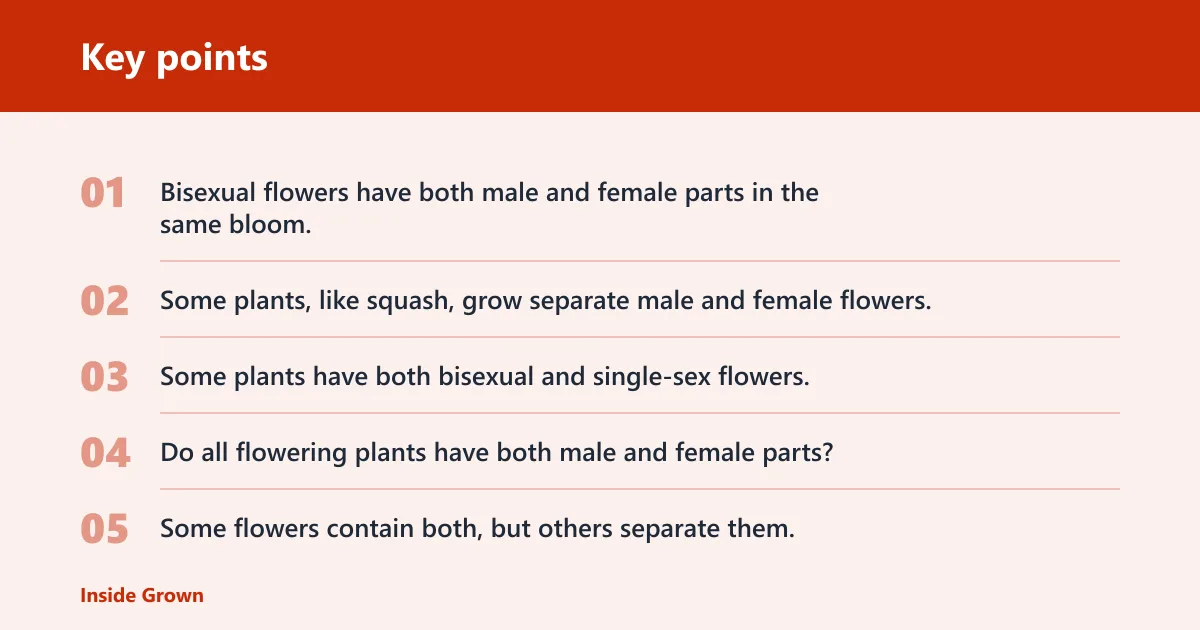
Not every flowering plant builds flowers the same way. Most plants sprout bisexual flowers with both male and female parts. Some plants grow separate male and female flowers. Both patterns can work well, but they affect pollen transfer and seed production differently.
Bisexual flowers
Bisexual flowers have both male and female parts in the same bloom. That arrangement can make pollination simpler because pollen and stigma are close together. It is common in many plant species and often efficient for seed formation.
Separate male and female flowers
Some plants, like squash, grow separate male and female flowers. Some plants have both bisexual and single-sex flowers. Male flowers can reduce the energy cost of making a full bisexual bloom, while plants with male and bisexual flowers can produce more seeds.
Do all flowering plants have both male and female parts? No. Some flowers contain both, but others separate them. Soybean plants do have flowers, and those flowers fit the flowering-plant pattern rather than the non-flowering one. The exact flower type depends on the species.
Energy tradeoffs in flower structure
Flower production costs energy. A plant has to decide, in biological terms, how much of its resources go to leaves, stems, roots, and reproductive structures. Separate male flowers can be less costly than making every flower bisexual, and that tradeoff can affect how many seeds the plant ultimately sets.
No flowers diagnostic table
Use this table to separate a species that never flowers from a flowering plant that is simply not blooming yet. If the plant group itself does not make flowers, the answer is biological. If the species does flower, check age, light, pruning, nutrition, and dormancy next.
| Plant group | No-flowers cause |
|---|---|
| Ferns | Species trait: reproduce by spores, so flowers are not expected. |
| Mosses | Species trait: reproduce without flowers, often through spores or similar life-cycle stages. |
| Conifers | Species trait: reproduce with cones rather than flowers. |
| Fruit trees | Growing-condition problem if mature trees stay leafy: low light, wrong season, late pruning, or cold dormancy. |
| Annual vegetables | Growing-condition problem if the species is flowering type: too much nitrogen, too much shade, or the plant is still young. |
| Soybean plants | Growing-condition problem if no buds appear: the plant may be immature, stressed, or outside its flowering window. |
-
Identify the plant group.
Check whether it is a fern, moss, conifer, or a known flowering plant. If the species belongs to a non-flowering group, no bloom is expected at any stage. -
Look for buds or flower scars.
Search along stems and nodes for buds, old flower stems, or spent blooms. Their presence tells you the species can flower and may only be delayed. -
Review age and light.
Compare the plant’s age with the species’ normal maturity and make sure it gets the light that species needs to bloom. Weak light is a common reason for leafy growth without flowers. -
Check recent pruning and feeding.
Remove the guesswork: hard pruning or heavy nitrogen can shift the plant toward leaves. If the plant was cut back or overfed, flowering may wait until the next cycle. -
Match the season.
Confirm whether the plant flowers in spring, summer, or after dormancy. A healthy plant outside its bloom window can look perfect and still make no flowers yet.
Suppose a 2-foot hibiscus sits in bright shade and makes long, leafy stems all summer. That is a flowering plant that may not have enough light to bloom well. Now compare that with a fern in the same spot; the fern is not “missing” flowers at all.
Frequently asked questions
Why some plants have flowers and others do not
Some plants have flowers because their species uses flowers for reproduction. Others never flower because they reproduce by spores or cones instead. That difference is built into the plant group, so the first question is always whether the species is supposed to bloom at all.
Why don’t some plants make flowers
They may be in a non-flowering group such as ferns, mosses, or conifers. If the plant is a flowering species, then age, low light, pruning, too much nitrogen, or dormancy can delay bloom. The fix depends on which category it falls into.
Do all plants have flowers?
No. Only flowering plants produce flowers. Ferns, mosses, and conifers do not. They reproduce in other ways, so a lack of blossoms is normal for those groups and should not be treated as a problem.
What makes a plant flower or not flower
Species biology decides whether flowers are possible, and growing conditions decide whether a flowering plant blooms on schedule. Light, maturity, season, pruning, nutrition, and dormancy all affect the final result. A plant can stay healthy and still wait to flower.
Can a plant be healthy and still not flower?
Yes. A healthy plant can put energy into roots and leaves before it spends that energy on reproduction. If it is young, in low light, recently pruned, or outside its bloom season, it may look vigorous and still produce no flowers that year.
Do soybean plants have flowers?
Yes. Soybean plants are flowering plants, so they do produce flowers. Their bloom timing depends on age, season, and growing conditions. If a soybean plant stays leafy only, check maturity, light, and stress before assuming it is a non-flowering species.