Is PVC Pipe Safe for Vegetable Gardens?
PVC pipe is generally acceptable in vegetable gardens for cold-water irrigation, trellises, and bed frames if you choose potable-water-rated rigid pipe, keep it out of heat and direct food contact, and replace weathered pieces before they fail. The safer path is to use known-source pipe marked for drinking-water service, not mystery scrap or sun-damaged material.
PVC pipe and garden safety basics
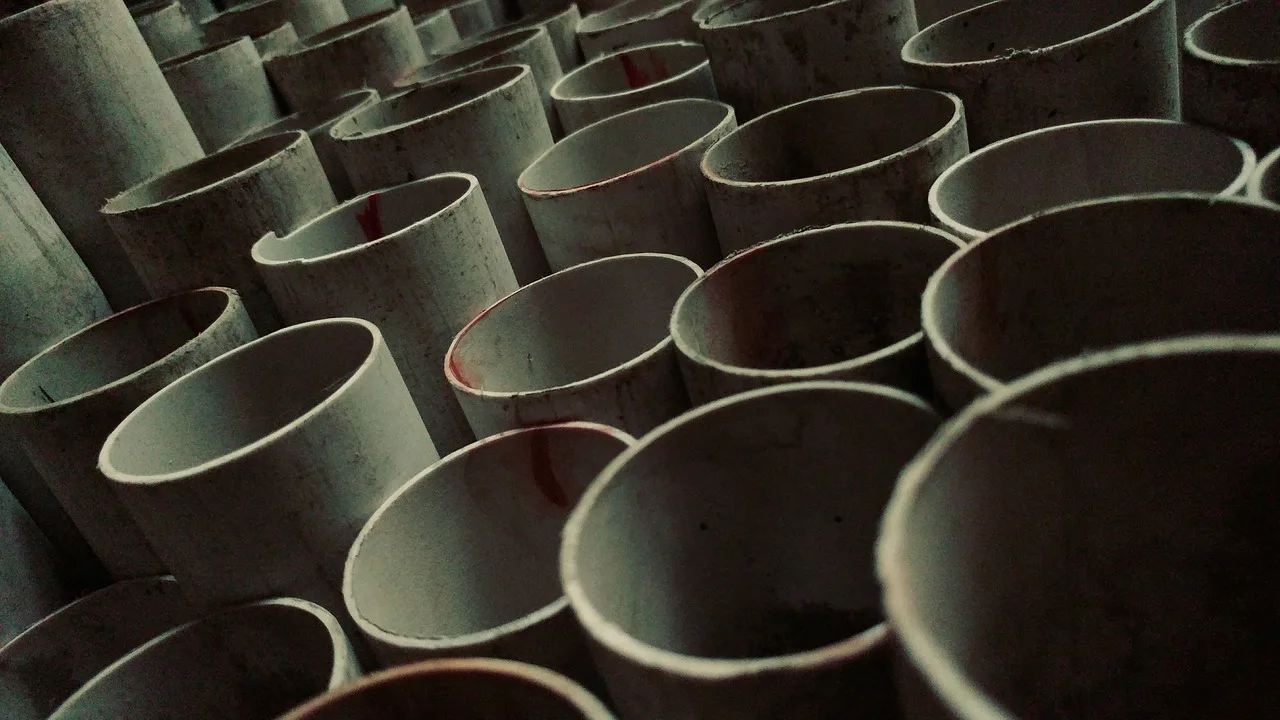

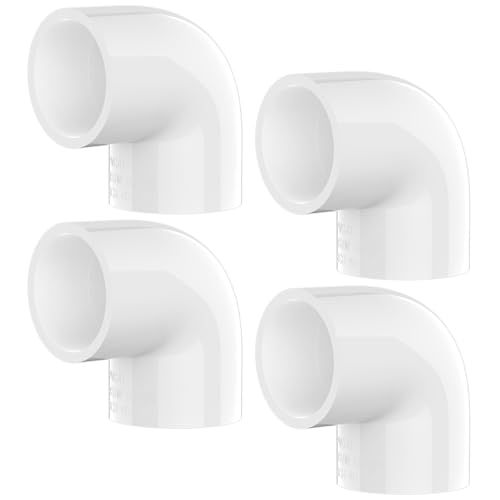

PVC stands for polyvinyl chloride, also called vinyl. In garden use, the key question is not whether PVC exists, but which formulation you have and where it will sit: inside a water line, against soil, near roots, or out in full sun.
Rigid uPVC and flexible PVC are not interchangeable. Rigid uPVC is the common pipe choice for plumbing and irrigation. Flexible PVC can use a different additive package, so it should not be treated like rigid potable-water pipe unless the product is clearly rated for that use.
Gardeners use PVC for irrigation lines, trellis supports, bed edging, and hydroponic channels. Those uses carry different risk levels. Water moving through a marked pipe is a different case from plastic touching soil, touching edible roots, or baking in sunlight for years.
Where the common risk comes
The main concerns are unknown source, old material, surface damage, heat, and UV exposure. A pipe that is chalky, cracked, or deeply scratched can be hard to trust outdoors, even if it once looked fine.
That is why known-source, new pipe matters. NSF/ANSI 61 and potable-water markings help identify pipe intended for water contact, while scrap pipe with no markings leaves you guessing.
Is PVC pipe safe for vegetable gardens?
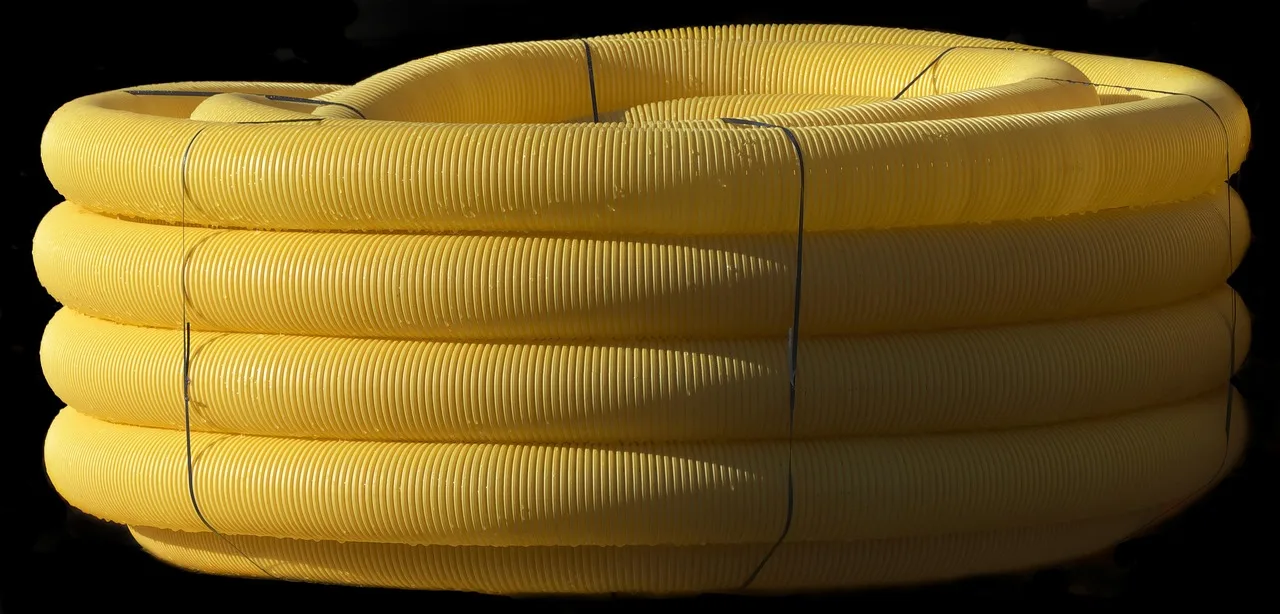
Yes for cold-water irrigation and some support uses when the pipe is new, known-source, and marked for potable-water or drinking-water use. No for unknown scrap, old sun-brittled pipe, flexible PVC of unknown formulation, or any setup where the pipe itself becomes part of the edible growing surface or root zone.
Safe for irrigation lines
For irrigation lines, potable-water-rated rigid PVC is the clearest choice. NSF/ANSI 61 and drinking-water markings are the right signals to look for because they show the pipe is intended for water contact. If the pipe will carry irrigation water, those markings matter more than appearance.
That does not mean every marked pipe is good for every garden role. It means the pipe is suitable for water contact inside the line when the marking matches the use. It is a water-contact decision, not a blanket approval for every edible-garden structure.
Caution for hydroponic channels
Hydroponic channels or pipes can be used, but they deserve caution because the pipe interior stays in active water contact. Use new, known-source, potable-water-rated rigid PVC, keep light exposure low enough to limit algae, and choose a setup that can be cleaned and sanitized well.
A covered, marked rigid channel is a controlled water-contact use. A clear, sunlit scrap tube with no markings is not. For hydroponics, material choice and cleanliness matter because the pipe is part of the growing system, not just a support.
Avoid unknown scrap or old pipe
Old or recycled PVC should stay out of edible beds unless the source and intended rating are known. If the pipe is sun-brittled, chalky, cracked, or deeply scratched, the safest move is to skip it. The same applies to pipe with missing markings or pipe reclaimed from an unknown jobsite.
A common first-time mistake is to assume any white plastic pipe is fine because it looks clean. A piece that has sat outdoors for years can still fail early when you bend it for a hoop, frame, or support.
What type of PVC is safest to buy?
The safest choice for edible-garden water contact is new, known-source, potable-water-rated rigid pipe with visible drinking-water certification markings. If the pipe will carry irrigation water, NSF/ANSI 61 or a comparable drinking-water marking is the key check. Do not substitute unlabeled pipe or recycled offcuts just because the size is right.
Markings to look
Check the pipe itself and the package before you buy. Look for a potable-water or drinking-water rating, plus an NSF/ANSI marking when the product is intended for that use. If the printing is missing, smeared, or unreadable, treat the pipe as unknown-source material.
Check the printed rating. Look for potable-water, drinking-water, or an NSF/ANSI mark on the pipe body. If the pipe will carry irrigation water, this is the first filter.
Confirm the pipe is rigid. Choose rigid uPVC for garden plumbing and support work. Flexible PVC can have a different additive package, so do not use it as a stand-in for rigid pipe.
Verify the source is known. Buy new pipe from a reputable supplier or use a product with clear labeling. Unknown scrap is the wrong material for edible beds.
Inspect the surface. Reject pieces with heavy UV wear, whitening, cracks, or deep scratches. Surface damage is a warning sign that the pipe may not hold up outdoors.
Why known-source new pipe matters
Potable-water-rated pipe is designed for water contact when specified, but that does not erase every other variable. A known-source piece lets you check the intended use, the marking, and the material family. An unlabeled cutoff gives you none of that.
The safer approach is to stay with documented pipe instead of guessing at a piece with an unknown formulation. That matters most when the pipe will stay in a garden for a long time or carry water regularly.
PVC contact with soil and water
Water inside the pipe is the easiest case to evaluate. Soil and root-zone contact are less straightforward. Potable-water certification addresses water-contact use, not a universal safety stamp for long-term contact with soil, mulch, or edible roots.
Water inside the pipe
When PVC carries irrigation water, the relevant question is whether the pipe is rated for drinking-water contact or another approved water-contact use. For that purpose, potable-water-rated PVC is the right category to look for. NSF/ANSI 61 helps verify that the pipe belongs in that role.
Soil and root-zone contact
When PVC becomes bed edging, a planter wall, or a piece in direct root-zone contact, the decision gets harder. Certification for water inside the pipe does not automatically prove the same pipe is the best choice for long-term direct contact with edible soil. That is why unknown-source and reused material deserve a hard no.
If you want a simpler soil-contact choice, many gardeners prefer untreated wood, galvanized metal designed for outdoor use, or stone in vegetable-garden layouts where the material is not in the growing mix. Those options are easier to evaluate than mystery plastic for direct bed contact.
Why certification does not cover every use
Certification is specific to the condition tested or specified by the maker. A drinking-water approval helps with irrigation lines. It does not answer every question about UV exposure, heat, surface wear, or whether the pipe should line a bed full of tomatoes and lettuce.
That is the line to keep straight: water contact inside the pipe is one decision, while soil and edible-root contact are another.
PVC pipe decision matrix
This matrix gives a plain Safe / Caution / Avoid call for common garden scenarios. Use it to decide fast, then confirm the markings before you buy or build.
| Pipe type | Source | Certification mark | Direct soil/root contact | UV/heat level | Use case | Recommended action | Preferred alternative |
|---|---|---|---|---|---|---|---|
| Rigid uPVC, potable-water-rated | New, known-source | NSF/ANSI or drinking-water mark | No | Low to moderate | Irrigation line | Safe | None needed |
| Rigid uPVC, potable-water-rated | New, known-source | NSF/ANSI or drinking-water mark | No | Moderate | Hydroponic channel | Caution | Opaque, cleanable channel material |
| Rigid PVC | Unknown scrap | None or unreadable | Yes | Outdoor weather | Raised-bed framing | Avoid | Untreated wood or galvanized metal designed for outdoor use |
| Rigid PVC | Old, sun-brittled | Unclear | No | High | Above-soil trellis support | Avoid | Stronger outdoor support material |
| Flexible PVC | New, labeled for another use | Not verified for potable water | Yes | Moderate | Edible-bed edging | Caution | Untreated wood or galvanized metal designed for outdoor use |
| Rigid PVC, no markings | Unknown source | None | Unknown | Unknown | Any edible-garden use | Avoid | Known-source, marked pipe or another material with a clearer use history |
Use PVC where it does the cleanest job, and keep it out of roles it was not meant to fill. That usually means irrigation lines first, trellises second, and hydroponic parts only when the source and rating are clear.
Irrigation lines
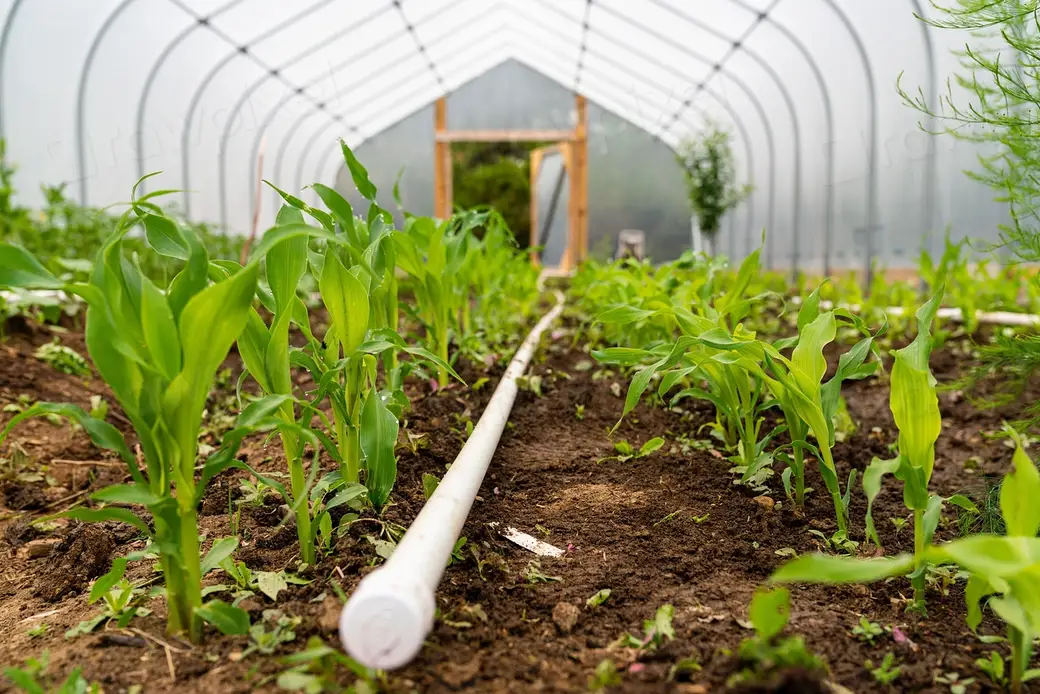
For irrigation, choose rigid, potable-water-rated PVC with visible markings. Keep it shaded when possible and protect exposed runs from rough handling. The goal is simple water delivery, not heavy structural work.
Trellis supports
PVC can work as a trellis support when the load is light and the pipe stays in good condition. Use known-source rigid pipe, and avoid pieces that have become brittle in sun. If the support has to carry meaningful weight or wind load, a material with a stronger outdoor record is the better choice.
A trellis made from new rigid PVC is more defensible than a faded scrap arch with no marking. The source and condition are the variables that change the answer.
Hydroponic channels
Hydroponic channels are acceptable only when the pipe is intended for water contact and can be cleaned well. Light exposure matters because exposed water channels can develop buildup more easily. Use known-source pipe, keep the system shaded when practical, and replace pieces that become cloudy, brittle, or hard to sanitize.
Heat can affect rigidity and surface wear, so an outdoor channel in full sun needs more inspection than a shaded indoor one. That is not a reason to ban PVC outright. It is a reason to choose the right product for the setup and inspect it regularly.
Frequently asked questions
Is pvc pipe safe for gardening?
It can be, but only for defined uses. PVC is common in garden plumbing and structures, yet the source, rating, and condition matter. Choose new, known-source rigid pipe with drinking-water markings when the pipe will carry water, and avoid unknown or weathered material.
Is pvc safe for gardening?
Sometimes. The answer depends on whether the pipe is rigid or flexible, whether it is new, and whether it is rated for water contact. For edible gardens, potable-water-rated pipe is the safer starting point for irrigation. Unknown scrap or old sun-damaged pipe should stay out of the bed.
Is it safe to grow vegetables in pvc pipes?
It can be safe in hydroponic systems if the pipe is new, known-source, and intended for water contact. It is not the same as using PVC as a soil container or bed wall. For direct root-zone or soil contact, certification for water alone does not settle the question.
What type of PVC is safe for edible plants?
The safest choice is new, rigid, potable-water-rated PVC with NSF/ANSI or drinking-water certification markings. That is the best fit for irrigation and some hydroponic parts. Do not confuse that with a blanket approval for recycled pipe, flexible PVC, or unknown scraps in bed construction.
Does PVC leach chemicals into soil or water?
PVC formulations vary, so the safer approach is to choose the right material and source instead of guessing. For water-contact uses, potable-water-rated pipe is the appropriate category. For soil and root-zone contact, the certification does not automatically answer the question, so caution is warranted.
Is old or recycled PVC safe to use in a garden?
Not as a default. Old, sun-brittled, scratched, or unknown-source PVC deserves a hard no for edible garden use. Recycled pipe is only worth considering if the source, prior use, and rating are known, and even then it is a weaker choice than new, labeled pipe.
Can PVC pipe be used for hydroponics and trellising?
Yes, with limits. Hydroponic channels should be new, known-source, and appropriate for water contact, with cleaning in mind. Trellising is fine when the pipe stays rigid, shaded enough to avoid early failure, and away from direct food contact. Unknown or weathered pipe should not be used for either job.