Is Cinder Block Safe for Vegetable Gardens?
Cinder block can work for vegetable beds if you use plain, unpainted blocks and keep the inside lined with soil or a permeable barrier where needed. Skip blocks with unknown coatings or unknown additives. Some materials can affect soil chemistry or introduce contamination concerns, especially when the source is unclear or the bed is built on acidic soil. This guide explains when cinder block is acceptable, when to skip it, and what setup lowers risk most.
Assessing cinder block safety for edible beds
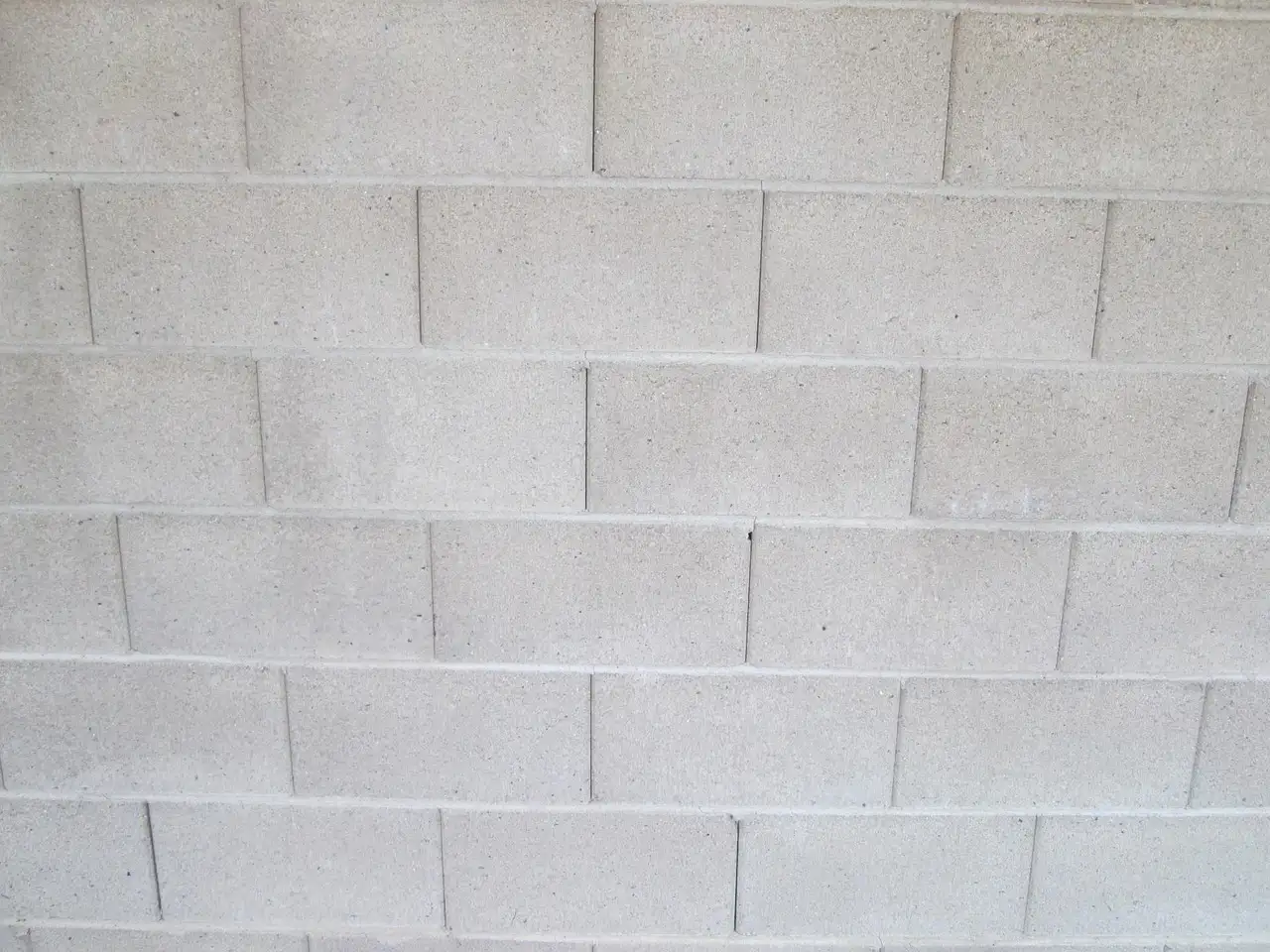
Cinder blocks can be safe for edible beds when the blocks are plain, in good condition, and from a known source, and when the bed is built so it drains well. The main concerns are salvaged blocks with an unknown history, soil that trends acidic, and tight planting cells that dry out quickly and leave roots with too little room.
What “safe” means here
For vegetable gardens, “safe” means the block source is known, the bed drains properly, and the soil stays in a range that supports plant growth without creating avoidable leaching risk. It does not mean every block is risk-free. It means the setup lowers risk enough for ordinary home use, with the safest choices made on source, condition, and planting layout.
When the answer is usually yes
A cinder block bed is usually acceptable when you buy plain blocks from a known source, use a level and stable base, fill the bed with a balanced soil mix, and keep most vegetables in the main bed rather than relying on the hollow cells. That setup suits fruiting crops well and can also work for many leafy crops when the soil is checked and the bed is not constantly saturated.
When the answer is usually no
Skip cinder blocks when the source is unknown, the blocks are badly weathered or crumbling, or the garden plan depends on acidic soil and long-term contact with old salvaged material. The risk is more about the block source and condition than the crop alone, but edible roots and leaves are less forgiving when the setup is uncertain. If those conditions apply, choose a different bed material.
Cinder block vegetable bed safety check
Use this checklist as a decision framework before you build. The safest result comes from combining a known block source, a crop plan that fits the bed layout, soil that is not strongly acidic, and drainage that keeps the root zone from staying wet.
| Check area | What to look for | Safer choice | Risk signal |
|---|---|---|---|
| Block source | New concrete masonry units or clearly documented blocks | Plain, unpainted, known source | Unknown salvaged blocks, coatings, or additives |
| Age and condition | Surface wear, crumbling, staining, and repair history | Sound blocks with intact faces | Old, damaged, or heavily weathered blocks |
| Crop type | Main-bed vegetables versus pocket plantings | Tomatoes, peppers, beans, salads, root vegetables in the bed; herbs in cells | Focusing edible roots or leafy greens in small cells |
| Soil pH risk | Recent soil test and pH trend | Neutral to slightly acidic, monitored over time | Acidic soil with unknown block history |
| Drainage setup | Level base, water movement, and no pooling under the bed | Gravel base or other stable foundation with drainage | Water sitting under the frame or along the base |
Verdict: Use cinder block when the source is known, the condition is sound, drainage is steady, and the crop plan keeps most edibles in the main bed. Avoid it when the blocks are old and uncertain, the soil stays acidic, or the design depends on the hollow cells for the main crop load.
What makes cinder blocks a mixed choice?
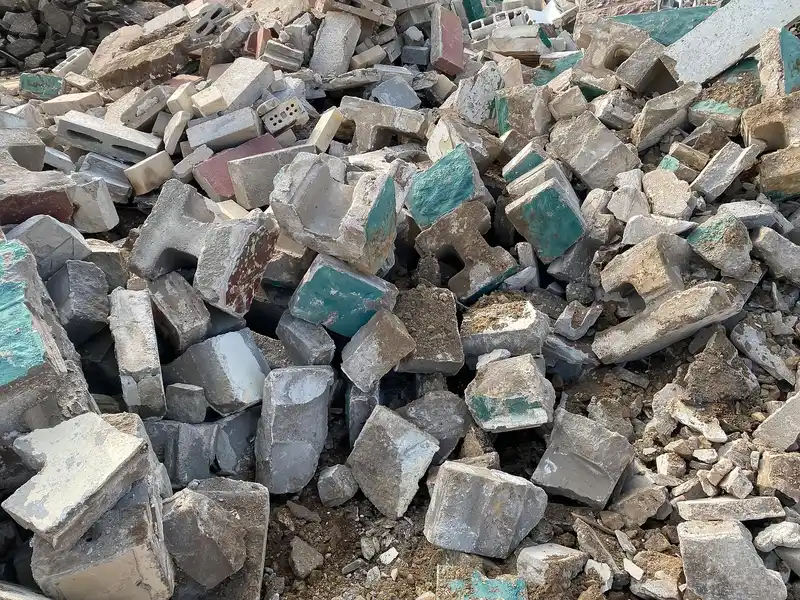
Cinder blocks are a mixed choice because the bed can work well, but the material and layout matter more than they do with timber or metal. Modern concrete masonry units may be fine for home use, while older salvaged blocks can have different recycled content, more wear, and a less certain history.
New blocks versus salvaged blocks
Traditional cinder blocks contained fly ash, and older fly ash blocks can raise questions about trace metals and other legacy ingredients. That is why source matters. A block’s safety depends more on what it is, who made it, and how it has aged than on a simple cutoff by calendar year. New blocks from a known manufacturer are generally the easier choice, while salvaged blocks should be treated as unknown until you can verify what they are and how they were used.
Hollow cells and heat exposure
Each block has hollow centers on each half, which makes the design easy to fill with soil and plants. Those cells can also warm up and dry out faster than the main bed. That matters because small pockets tend to hold less root volume and lose moisture faster, especially in sun and wind.
Picture a 4×8 bed with 2 blocks stacked high. The center stays moist longer if the fill mix is balanced, but the outer pocket closest to the afternoon sun can dry first and wilt a basil plant even while the center bed still looks fine.
Why the bed edge differs from the main bed
The edge cells are exposed on more sides, so they move heat and water differently than the middle of the bed. That makes them better for small herbs or border plants, not for crops that need deeper root space. The main bed should carry the vegetables that need steadier moisture and more soil volume.
How do you build a safer cinder block bed?
Build the bed so the blocks stay stable, the soil drains, and the plant roots spend most of their time in the main fill zone. A 4 feet wide x 8 feet long bed built about 2–3 blocks high is a common size for this setup. Wider beds are harder to reach, and poor access leads to uneven watering.
Choose the footprint. Start with a 4 feet wide x 8 feet long layout so you can reach the center from both sides without stepping into the bed. A 2–3 blocks high wall gives enough depth for roots while keeping the structure manageable.
Set a level drainage base. Build on a level foundation with a gravel base or another stable layer that keeps the bed from rocking and lets water move away from the bottom. Pooling under the bed can weaken the structure and keep the root zone too wet.
Add a barrier where needed. Use a permeable barrier or similar liner on the inside if you want to reduce direct soil contact with salvaged blocks. This helps most when the blocks are old, when the bed will stay in place for years, or when the soil will be managed at a lower pH.
Fill with balanced soil. Use a mix that holds moisture without staying waterlogged, and keep the texture loose enough for roots and drainage. A bed that is too dense can hold too much water, while one that is too light can dry out quickly in the cells and on the outer edges.
Common first-timer mistake: filling the whole bed with a dense compost-heavy mix and then planting tomatoes in the center and lettuce in the edge cells. The bed may look full at first, but the cells dry faster and the center can stay too wet after a long soak.
Which crops fit best in the bed and cells?
Most vegetables do best in the main bed area, where root volume and moisture are more stable. The hollow cells are better for small herbs and edge plantings. Tomatoes, peppers, beans, salads, and root vegetables can work in the bed itself, while the pockets are a secondary space, not the main growing zone.
Best vegetables for the main bed
Tomatoes, peppers, beans, leafy greens, and root vegetables fit well when planted in the larger soil mass. Fruiting crops usually tolerate the warmer edge conditions better than many greens, while root vegetables need even moisture and enough depth to form clean roots. Root crops can do well in the main bed when the bed is deep enough and the soil stays loose and evenly moist.
Best herbs for the block pockets
Thyme, basil, oregano, chives, and mint are common fits for the block pockets or edge planting cells. They can handle smaller root spaces better than most vegetables, and the slightly drier pocket environment suits many herbs as long as the cells do not dry out completely.
Crops to keep out of the cells
Do not count on the cells for crops that need steadier moisture and room to grow straight. Leafy greens can be more sensitive to uneven drying in the pockets, and root crops perform poorly there when the soil volume is too small or the cell dries unevenly. Those crops are better in the main bed where the root zone is deeper and more stable.
What risks should you avoid?
The biggest risks are not the blocks alone. They are poor drainage, narrow beds, old material of unknown origin, and skipped soil testing. Those problems matter more than whether the bed looks tidy, because they affect moisture, chemistry, and plant health at the root zone.
Poor drainage and unstable bases
If the base is uneven, the wall can shift and the soil can settle toward one side. If water pools under the bed, the lower soil layers can stay saturated too long, which hurts roots and makes the planting mix lose oxygen. A stable foundation is a safety step, not a cosmetic one.
Narrow beds that dry too fast
Narrow beds leave less soil buffer, so heat from the blocks reaches the root zone faster. That can push the outer plants into stress before the center bed shows symptoms. A bed that is too narrow also makes watering harder to spread evenly across the full width.
Old blocks of unknown origin
Older salvaged blocks may have fly ash, trace metals, or other unknown recycled content. That does not mean every old block is dangerous, but it does mean the source needs scrutiny. If you cannot confirm the block type and history, do not place edible crops directly against it.
Skipping soil tests
Soil pH matters because acidic soils can increase leaching risk around some block types. Test the soil before planting and check it again during the season if the bed is new, the blocks are salvaged, or the plants show stress without a clear watering problem.
When should you choose another material?
Choose a different bed material when the blocks are old and uncertain, when the garden plan depends on frequent root crops, or when you want to garden in soil that trends acidic. In those cases, a simpler material with a known history gives you less uncertainty and less need for ongoing monitoring.
Beds for frequent root crops
If you want carrots, beets, radishes, or other root-heavy crops every season, a more inert bed edge can be easier to manage. Those crops sit close to the soil interface and show moisture or chemical stress sooner, so the margin for error is smaller than it is for tomatoes or beans.
Bed plans with acidic soil
Acidic soils are a caution flag because they can increase leaching risk around some block types. If your garden soil naturally runs acidic and you do not want to monitor and adjust it, choose a material with a simpler risk profile. That is especially wise for a long-term edible bed.
Uncertain salvaged blocks
If the blocks came from a demolition site, a curbside pile, or a mixed lot with no paperwork, treat them as unknown. A barrier can reduce direct contact, but it does not turn an uncertain source into a known one. For edible beds, that distinction matters.
Cinder block vegetable bed safety check
If you want the simplest verdict, start here: known source plus sound condition plus good drainage points toward use; unknown source, acidic soil, or heavy dependence on the cells points toward caution. The main bed is the safer place for most vegetables, while the pockets are best kept for herbs or small plants.
Frequently asked questions
Are cinder blocks toxic?
Not all are, and that is the important distinction. Modern concrete blocks used for garden beds are usually acceptable when they are plain and unpainted. Older salvaged blocks can be different, especially if they contain fly ash, unknown recycled content, or prior coatings that were never meant for soil contact.
Is it safe to grow edibles in cinder blocks?
Yes, if the blocks are plain, the source is known, and the bed drains properly. It is less suitable when blocks are old and uncertain, when the soil is acidic, or when the plan depends on small cells for most crops. The safest setup puts edibles in the main bed.
What vegetables grow best in a cinder block raised bed?
Tomatoes, peppers, beans, leafy greens, and root vegetables are all workable choices in the main bed area. Tomatoes and peppers handle the warmer edge better than many greens. Root vegetables need the most careful soil depth and moisture control, so keep them away from the smallest planting pockets.
Do cinder block planter cells dry out faster than the main bed?
Yes. The hollow centers have less soil volume and more exposed surface, so they lose water faster than the main bed. That makes them better for herbs or small transplants than for vegetables with deeper roots. If you use them, water them more often than the central bed.
Do I need a barrier between soil and cinder blocks?
A barrier is a smart extra step when the blocks are salvaged, older, or likely to stay in place for years. A permeable liner reduces direct soil contact with the block surface. It helps, but it does not replace source checks, drainage, or soil testing.