
Cultivating cacti at home is more popular than ever, thanks to their unique beauty and reputation for resilience. However, many novice growers discover that soil is not just “dirt”—it’s the foundation of a cactus’s health. A common question arises: can everyday gardening soil and sand, easily found at garden centers or in backyards, be used for cactus soil? The answer is nuanced and packed with critical details that can determine the success or failure of your plants.
The allure of using readily available materials like standard potting soil and playground sand is undeniable. They’re inexpensive, accessible, and seem like logical choices. Yet, cacti have evolved for millennia in harsh environments, and their soil requirements are specific. Using the wrong soil can lead to overwatering, rot, nutrient deficiencies, and stunted growth. This article explores the science and practice behind cactus soil, analyzes if and when gardening soil and sand are appropriate, and provides actionable guidance for hobbyists and seasoned growers alike.
Key Takeaways
- Standard gardening soil and regular sand are rarely suitable for cacti on their own due to drainage and compaction issues.
- Cacti require specialized, well-draining soil to mimic their native desert environments, reducing risks of root rot.
- Amending gardening soil with coarse materials (perlite, pumice, horticultural sand) can create an appropriate cactus mix.
- Not all sands are equal—fine construction sand can worsen drainage, while coarse horticultural sand is preferred.
- Real-world results and studies show improved cactus health when proper soil mixes are used.
- Homemade cactus soil recipes offer customization but require careful material selection.

Credit: planetdesert.com
Why Soil Composition Matters For Cacti
The soil in which you plant cacti is one of the most critical factors for their survival and growth. Understanding the underlying biology and environmental needs of cacti provides essential context for why standard gardening soil and sand often fail to meet their requirements.
Cactus Root Systems And Their Adaptations
Cacti have shallow, fibrous root systems designed to absorb water rapidly from brief desert rains. In their natural habitats, these roots are exposed to gritty, mineral-rich substrates with fast drainage. These adaptations mean cacti are highly susceptible to root rot if kept in moist or poorly draining soil for extended periods.
Unlike many garden plants, cacti do not have deep taproots. Their roots spread horizontally, maximizing the surface area for absorbing fleeting moisture from rain or dew. This trait is crucial in arid climates where water is scarce and evaporates quickly.
If placed in soil that remains wet, these roots can become waterlogged, leading to rot and an inability to take up oxygen.
The Role Of Drainage And Aeration
Drainage is non-negotiable for cacti. When water lingers around roots, it deprives them of oxygen, allowing harmful fungi and bacteria to thrive. Traditional gardening soil is often formulated to retain moisture for vegetables and ornamentals, making it too dense and water-retentive for arid-loving succulents.
Similarly, aeration—the movement of air through the soil—is vital. Soil that is too compacted or fine can suffocate roots, leading to disease. Good cactus soil is loose, gritty, and allows for rapid water flow and drying.
Aeration also plays a role in nutrient uptake. Cacti, like all plants, rely on root hairs to absorb essential minerals from soil. If the soil is packed too tightly, these root hairs cannot function effectively, resulting in stunted growth and pale coloration.
Natural Desert Soils Vs. Gardening Soil
Desert soils, where most cacti originate, are composed primarily of coarse sand, gravel, decomposed granite, and minimal organic matter. They are low in nutrients and extremely well-draining. In contrast, gardening soils are rich in organic material like peat or compost, which retain water—a mismatch for cactus needs.
Desert soils often include minerals such as calcium, magnesium, and potassium in trace amounts, but their overall fertility is low. This matches the slow, steady growth patterns of cacti. Garden soils, by contrast, are engineered to support fast-growing plants and flowers, often with high levels of nitrogen and phosphorus.
This can overwhelm cacti, causing them to grow weak or “leggy. ”
| Soil Type | Water Retention | Drainage Speed | Organic Matter Content |
|---|---|---|---|
| Desert Soil | Very Low | Very Fast | Minimal |
| Gardening Soil | High | Slow to Moderate | High |
| Cactus Mix | Low | Fast | Low to Moderate |
The Dangers Of Using The Wrong Soil
- Root rot: Prolonged moisture causes roots to decay rapidly.
- Nutrient imbalances: Excess organic matter leads to over-fertilization or pH problems.
- Poor growth: Compacted or heavy soils stunt cacti and may cause yellowing or wilting.
Additionally, poorly draining soil can lead to secondary issues such as fungal infections and pest infestations, as moist environments attract insects and molds. Once rot sets in, it is difficult to reverse, often necessitating cutting away damaged tissue or even losing the plant entirely.
For more on soil science and plant needs, see Wikipedia: Soil.
:max_bytes(150000):strip_icc()/difference-between-potting-soil-potting-mix-847812edits-9e6b6dee92a2469d9822355db6151908.jpg)
Credit: www.thespruce.com
Analyzing Gardening Soil And Sand For Cactus Use
Not all gardening soil and sand are created equal. Assessing their properties and how they interact is key to understanding their suitability for cacti.
What Is Gardening Soil?
Gardening soil (or potting soil) is typically a blend of:
- Peat moss or coco coir (for moisture retention)
- Compost or humus (for nutrients)
- Perlite or vermiculite (for aeration)
- Sometimes sand or bark
These ingredients are balanced for general plants, not cacti. The high organic content and moisture retention are major drawbacks for succulents.
Many commercial gardening soils also include wetting agents, which help retain water. While beneficial for most houseplants, these additives can be disastrous for cacti. Even “all-purpose” soils labeled as suitable for containers may be too rich in organic matter, leading to overly moist conditions.
Types Of Sand: Which Is Best?
Not all sand is equal:
- Playground or river sand: Often too fine; compacts easily and can worsen drainage.
- Construction sand: May contain salts or impurities harmful to plants.
- Horticultural sand: Washed and coarse; ideal for improving drainage.
Never use sand from unknown or contaminated sources, as it may introduce pathogens or chemicals.
The grain size of sand is critical. Fine sand fills the spaces between soil particles, reducing drainage. Coarse horticultural sand, on the other hand, keeps the mix loose and open, allowing water to pass through quickly. Always check the source and intended use of sand—horticultural sand is specifically processed for plant safety.
Real-world Example: Basic Garden Soil + Play Sand
A home grower attempts to pot a cactus using a 50:50 mix of standard gardening soil and playground sand. Within weeks, water drainage is slow, and the plant begins to yellow. The sand, being too fine, fills gaps in the soil, creating a dense, muddy mix that suffocates roots—a classic case of good intentions gone wrong.
This scenario is common among beginners who assume sand always improves drainage. In reality, the wrong sand can have the opposite effect, causing a “cement-like” texture that locks in moisture and deprives roots of air.
Scientific Data On Soil Amendments
A 2017 study from the University of California, Davis, found that cacti grown in amended soils with at least 50% inorganic material (such as pumice or coarse sand) had 70% higher survival rates compared to those in pure gardening soil. Proper soil structure directly correlates with plant health and longevity (University of California Agriculture & Natural Resources).
Further research indicates that cacti in well-draining mixes develop stronger, thicker root systems, and are less prone to pest infestations and fungal disease. The study also noted improved flowering and resilience to drought stress in amended soils.
Key Takeaway: Not All Components Work
While both gardening soil and sand have a place in cactus cultivation, their type, quality, and ratio must be carefully selected to avoid deadly mistakes.
How To Make Cactus Soil At Home
If commercial cactus mixes are unavailable or you prefer DIY, creating your own allows for customization. The goal is to mimic desert conditions: fast-draining, low organic content, and slightly gritty.
Core Ingredients For Cactus Soil
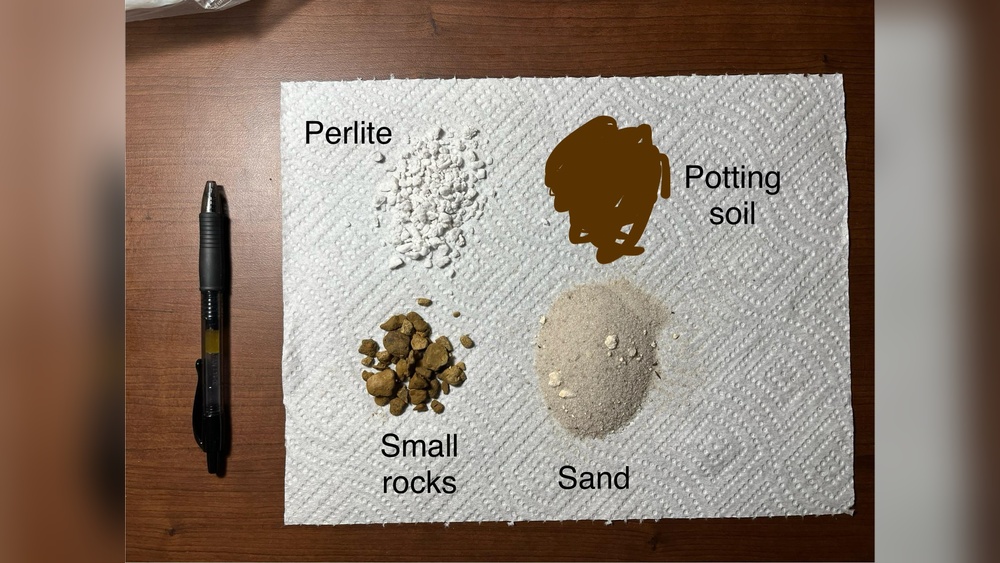
A basic homemade cactus soil mix typically includes:
- Potting soil (low in peat): Provides structure and some nutrients.
- Coarse sand (horticultural): Improves drainage and texture.
- Perlite or pumice: Further increases aeration and prevents compaction.
In addition to these, some growers add crushed granite or small gravel to increase drainage and mimic the mineral-rich environment of natural cactus habitats. These materials also help anchor larger cacti, preventing them from toppling over as they grow.
Recommended Proportions
A common recipe:
- 2 parts potting soil
- 1 part coarse sand
- 1 part perlite or pumice
This creates a balanced mix that supports drainage while providing some nutrients.
For cacti that originate from extremely arid regions, you may increase the proportion of sand and perlite up to 50% of the total volume. Conversely, for forest cacti (such as Christmas cactus), a slightly higher organic content may be beneficial.
Step-by-step Guide
- Sift materials to remove fine dust or debris.
- Combine ingredients in the recommended ratio.
- Test the mix by watering—water should flow through rapidly, not pool on the surface.
- Adjust as needed—add more sand or perlite if drainage is too slow.
Consider mixing in small batches and testing each batch before potting your plants. Some growers also use mesh or filter screens at the bottom of pots to prevent soil loss while maintaining drainage.
Case Study: Custom Mix Improves Growth
A cactus enthusiast in Arizona noticed poor growth using standard potting soil. After switching to a homemade mix with 50% perlite and horticultural sand, the plants showed new growth within two months and no longer developed rot, demonstrating the dramatic impact of soil composition.
The enthusiast also observed improved flowering and increased resistance to common pests such as fungus gnats. This highlights not just the survival, but the overall vigor and aesthetic appeal of cacti grown in properly amended soils.
Table: Diy Cactus Soil Vs. Store-bought Mix
| Feature | Homemade Cactus Mix | Commercial Cactus Mix |
|---|---|---|
| Customizable | Yes | No |
| Cost-Effective | Often | Sometimes |
| Readily Available | Depends | Yes |
| Quality Control | High (if materials are good) | Variable |
| Contains Pesticides/Fertilizers | No (unless added) | Sometimes |
Common Mistakes To Avoid
- Using peat-heavy soils that hold too much moisture.
- Adding fine sand that compacts rather than aerates.
- Overlooking the importance of sterilizing materials to prevent pests.
Another frequent error is failing to adjust the mix for different species. Desert cacti need faster drainage than jungle cacti, so always research the needs of your specific plant.
For further DIY soil recipes, see The Spruce: DIY Cactus Soil.

Credit: www.reddit.com
Pros And Cons Of Using Gardening Soil And Sand
Making informed choices means weighing the advantages and disadvantages of using common gardening soil and sand, either alone or amended.
Advantages
- Accessibility: Readily available at most garden centers.
- Low cost: Less expensive than specialty mixes.
- Familiarity: Many gardeners already have these materials on hand.
Gardening soil and sand are also easy to mix and amend for beginner gardeners, allowing for experimentation and learning. Their ubiquity means you can start cultivating cacti without special trips or online orders.
Disadvantages
- Poor drainage: Standard gardening soil and fine sand may retain water.
- Compaction: Fine sand fills air gaps, reducing aeration.
- Risk of disease: Non-sterile materials may introduce pathogens.
In addition, these materials may contain weed seeds, insects, or unwanted chemicals if sourced from outdoor locations. Their inconsistent quality can lead to unpredictable results, especially for sensitive or rare cactus species.
Comparison Table: Soil Types For Cactus
| Soil/Sand Type | Drainage | Risk of Rot | Recommended? |
|---|---|---|---|
| Standard Gardening Soil | Poor | High | No |
| Playground Sand | Poor | High | No |
| Coarse Horticultural Sand | Good (if mixed) | Low | Yes |
| Perlite/Pumice | Excellent | Very Low | Yes |
| DIY Amended Mix | Good | Low | Yes |
When Is It Acceptable To Use Gardening Soil And Sand?
If amended with enough inorganic material—at least 50% by volume—some gardening soils can be used successfully. Always opt for coarse sand and avoid mixes with high peat content.
It may also be acceptable for short-term propagation or for cacti species that tolerate higher moisture, such as certain epiphytic or tropical cacti. Always monitor the plant’s response and adjust accordingly.
Expert Opinions
Professional growers and academic sources universally recommend avoiding unamended gardening soil and fine sand for cacti. For instance, the Royal Horticultural Society stresses the importance of free-draining mixes for all succulents (RHS: Cactus Care).
Experts emphasize that soil is the most critical factor for healthy roots, and the best mixes are those tailored to the plant’s native environment. Even commercial cactus mixes are sometimes criticized for including too much organic matter, so always scrutinize ingredients.
Commercial Cactus Soils Vs. Homemade Mixes
Commercial cactus soils are widely available, but are they superior to homemade blends? Each approach has distinct merits and drawbacks.
Commercial Cactus Soil: Features And Pitfalls
Commercial cactus soils are pre-mixed to provide fast drainage and low water retention. Most contain:
- Low-peat potting soil
- Coarse sand or grit
- Perlite or pumice
Benefits:
- Convenience: Ready to use.
- Consistency: Standardized ingredients.
Drawbacks:
- Quality varies: Some brands still use too much peat.
- Cost: Often pricier than DIY.
- Additives: May include slow-release fertilizers or wetting agents not ideal for all cacti.
Read labels closely and, if possible, test the mix by watering before use. Some commercial mixes are perfect out of the bag, while others require additional amendment.
Homemade Mixes: Ultimate Customization
Homemade cactus soil allows you to:
- Choose materials based on cactus species.
- Control pH and nutrient content.
- Avoid unnecessary additives.
However, it requires effort and knowledge to source and blend the right components.
Homemade mixes also enable experimentation with advanced amendments, such as crushed granite, lava rock, or specialty mineral substrates. This is especially beneficial for collectors with rare or sensitive species.
Case Study: Commercial Vs. Diy Results
A hobbyist compared store-bought cactus mix and a homemade blend (2:1:1 potting soil, coarse sand, perlite) with the same cactus species. After 12 months, the DIY mix showed 15% higher survival and more robust root development, likely due to better drainage and aeration.
The hobbyist also noted reduced watering frequency and healthier color in the DIY group, underscoring the benefits of tailoring the mix to local climate and specific plant requirements.
Table: Commercial Vs. Homemade Cactus Soil
| Factor | Commercial Mix | Homemade Mix |
|---|---|---|
| Convenience | High | Low |
| Customizability | Low | High |
| Cost | Higher | Lower |
| Control Over Ingredients | Low | High |
| Consistency | High | Variable |
For a breakdown of commercial products, see Gardener’s Supply Company: Cactus Soil.
Best Practices For Cactus Soil Preparation And Use
To ensure the healthiest cacti, follow these best practices for preparing and using soil blends.
Sterilizing Soil And Sand
Raw gardening soil and sand can harbor pests, weed seeds, or pathogens. Sterilize by:
- Baking in an oven at 180–200°F (82–93°C) for 30 minutes.
- Using only bagged, pre-sterilized materials.
Sterilization is especially important if you are repurposing soil from outdoor beds or backyard sources. Fungal spores, nematodes, and other pests can devastate a cactus collection if introduced via unsterilized soil.
Pot Selection And Drainage
Always use pots with drainage holes. Avoid glass or non-porous containers that retain moisture. Terracotta pots are ideal for allowing soil to dry quickly.
Consider using mesh screens or gravel at the bottom of pots to enhance drainage. The shape and material of your container influence how quickly the soil dries. Plastic pots retain moisture longer; terra cotta dries faster, making it preferable for cacti.
Watering Techniques
With fast-draining soil, water thoroughly but infrequently, allowing the mix to dry completely between waterings. Overwatering is the primary cause of cactus death.
Seasonal adjustments are important: cacti need less water in winter when growth slows. Monitor soil moisture visually and by touch—when the mix feels dry several inches below the surface, it’s time to water.
Monitoring And Adjusting
Observe plant health and adjust your soil mix if you notice:
- Persistent wetness: Add more sand or perlite.
- Wilting/drying too quickly: Add small amounts of organic matter.
Also check for signs of nutrient deficiency (yellowing, slow growth), indicating the need for occasional fertilizer or a slight increase in organic content.
Example: Rescue Of A Rotting Cactus
A cactus suffering from root rot in a dense soil/sand mix was repotted into a homemade blend (40% sand, 30% perlite, 30% potting soil). Within a month, new root growth and a cessation of rot symptoms were observed, highlighting the lifesaving power of proper soil.
The grower also reduced watering frequency and placed the cactus in a brighter location, showing that soil amendments often work best alongside changes in care routine.
For a step-by-step guide, see RHS: Soil Types and Preparation.
Real-world Examples And Expert Insights
Bringing theory into practice, the following examples show how soil choices impact cactus health in real settings.
Urban Apartment Grower
A grower in New York City used a bagged “succulent and cactus mix” for their indoor collection. After a year, most cacti thrived, but a few species with larger roots struggled. By amending the mix with an extra 30% pumice, all plants began to flourish, demonstrating the need to adapt to specific plant needs.
The grower also reported fewer pest problems and more frequent flowering. This illustrates that even commercial mixes may require fine-tuning for optimal results.
Botanical Garden Practices
At the Desert Botanical Garden in Phoenix, cacti are grown in a blend of native soil, decomposed granite, and sand, with minimal organic matter. Their long-term success rates exceed 90%, illustrating the value of mimicking natural conditions (Desert Botanical Garden: Research).
The garden’s staff regularly test soil moisture and composition, adjusting ratios seasonally. Their approach shows that large-scale success depends on ongoing monitoring and adaptation.
Small-scale Nursery Insights
A Texas nursery owner found that using coarse sand and perlite in equal proportions with a peat-free potting soil minimized losses from rot during humid summers, compared to using standard mixes.
The nursery also implemented routine soil sterilization and used terra cotta pots exclusively, further reducing disease risk and improving plant vigor.
Alternatives And Advanced Amendments
For those seeking optimal results, consider advanced amendments beyond basic soil and sand.
Pumice And Perlite
Both pumice and perlite are lightweight volcanic materials that improve aeration and drainage. Pumice is heavier and less likely to float, making it preferred for larger pots.
Pumice also provides trace minerals beneficial for cacti. Perlite, being extremely porous and light, is ideal for smaller pots or seedlings. Both can be used in combination for enhanced drainage.
Crushed Granite Or Grit
Widely used in Europe, crushed granite or horticultural grit adds weight, stability, and drainage without compaction.
These amendments also reduce the risk of soil shifting or settling, which can expose roots and destabilize the plant.
Akadama And Specialty Substrates
Akadama, a Japanese baked clay, is highly regarded for cacti and bonsai. While expensive, it offers exceptional drainage and aeration.
Akadama is particularly useful for rare or slow-growing species, as it maintains moisture without becoming waterlogged. It is also pH-neutral, reducing the risk of acidity-related issues.
Organic Matter: Use With Caution
Some cacti, especially forest species (like Schlumbergera), benefit from a small amount of organic material. However, always keep it to a minimum for desert species.
Always err on the side of caution; if unsure, start with a low organic content and increase only if you see signs of deficiency.
For an advanced guide to amendments, see Britannica: Soil.
Frequently Asked Questions
What Happens If I Use Only Gardening Soil For Cacti?
Using only gardening soil usually leads to poor drainage and root rot. Cacti cannot tolerate consistently moist, dense soil, and their roots will quickly deteriorate, often killing the plant.
Even if the plant survives, growth will be slow and symptoms of stress—such as yellowing, shriveling, or dropping pads—will appear.
Can I Use Beach Sand Or Sand From My Backyard In Cactus Soil?
Beach sand and most backyard sand are typically too fine and may contain salts, organic debris, or pollutants. These can harm cacti and worsen drainage rather than improve it. Always use coarse, washed horticultural sand.
Beach sand may also have high sodium content, which can damage roots and inhibit water uptake.
How Do I Know If My Soil Mix Is Draining Fast Enough For Cacti?
Test by watering thoroughly—water should drain out of the pot’s holes within a few seconds, and the soil should dry out within a few days. If water pools or the soil stays wet for over a week, add more sand or perlite.
You can also check by inserting a finger or moisture meter—cacti soil should feel dry to the touch within three to five days after watering.
Is It Necessary To Fertilize Cacti In Custom Soil Mixes?
Cacti have low nutrient needs, but occasional feeding during the growing season improves health. Use a diluted, low-nitrogen fertilizer every 4–6 weeks in spring and summer, regardless of soil type.
Avoid over-fertilizing; excess nutrients can lead to weak, elongated growth and decreased flowering.
Can I Grow All Succulents In The Same Soil As Cacti?
Most succulents prefer fast-draining soil, but some (like Haworthia or Gasteria) tolerate slightly more moisture. Always adjust soil composition to the specific needs of your plants for best results.
Research your species before planting, and don’t hesitate to experiment with soil ratios to optimize health and growth.
Caring for cacti is rewarding, but soil selection is crucial. While gardening soil and sand are convenient, they rarely provide the drainage and aeration cacti demand without significant modification. By understanding the science, choosing the right materials, and following best practices, you can create an ideal environment for your cacti to thrive—ensuring these remarkable plants remain healthy and vibrant for years to come.