How to Water Lawns Efficiently with Pop-Up Sprinklers
Water lawns efficiently with pop-up sprinklers by fixing coverage first, then pressure, then runtime, and by watering in cycle-and-soak runs instead of one long soak. Bad spacing, wrong nozzles, or too much pressure wastes water, sends it into sidewalks and driveways, and leaves dry stripes in the turf. This guide shows how to check spray coverage, tune pressure, and set runtimes so your lawn gets even soak with less runoff.
What you’ll need

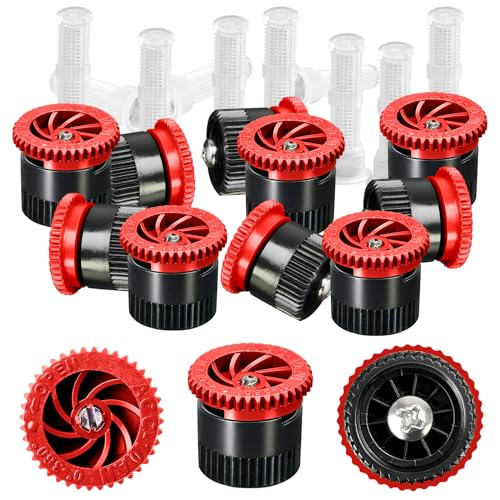
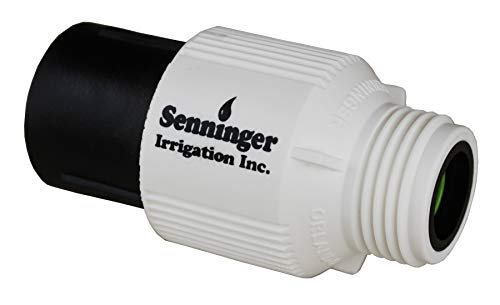
- Sprinkler key or flat screwdriver for head adjustment
- Small measuring cup or catch cans for a simple coverage test
- Pressure gauge that fits the irrigation line or zone test port
- Replacement nozzles matched to each head type
- Pressure regulator, if your system needs one
- Controller access for runtime and frequency changes
- Rain sensor that is installed and working
- Soil moisture sensor, if the system has one
- Notebook or phone notes for zone-by-zone results
How do I water my lawn more efficiently with pop-up sprinklers?

Start by making each zone deliver water evenly to the root zone. That means head-to-head coverage, matched nozzle type, proper pressure, and a runtime that avoids runoff. If the lawn still gets dry spots after those fixes, shorten the zone into cycles instead of stretching one long watering period.
Coverage first: check head-to-head overlap
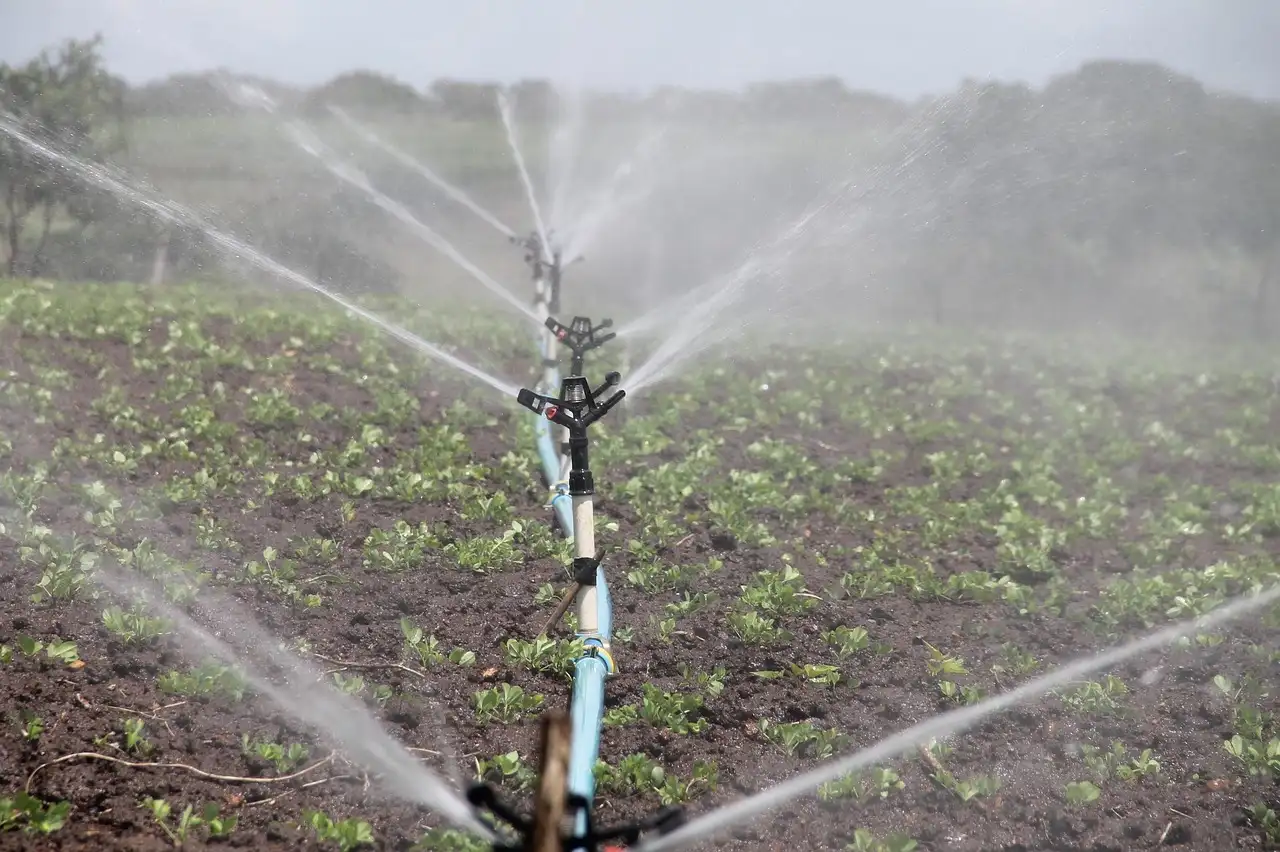
Head-to-head coverage means one sprinkler reaches adjacent sprinklers, so every part of the turf gets water from more than one direction. That is the fastest way to reduce brown gaps without raising runtime. It also lowers the need to run zones longer just to fix edge dry spots.
Test the pattern. Place catch cans or small containers in a straight line between heads and run the zone for about 10 to 15 minutes. Compare the collected water across the line; large gaps point to poor overlap, a tilted head, or a blocked nozzle.
Adjust arc and radius. Turn the arc and radius controls so spray lands on turf, not pavement. Keep a little overlap at the edges, but do not aim to soak sidewalks to fix a missing corner.
Correct drift and misalignment. Straighten tilted heads, clean clogged nozzles, and replace any head that no longer points where it should. Regular maintenance should include spring start-up and winterization, because drift and debris often show up after seasonal shutdown.
Say your front lawn has six spray heads in a narrow strip and the center head is aimed a few degrees off. The catch cans near the sidewalk fill up fast while the middle stays light. Turning the middle head back into line usually fixes the dry stripe without adding more runtime.
Water pressure and nozzle match
Pop-up sprinkler heads operate at a specific pressure. Too high and the spray atomizes, drifts, and loses uniformity. Too low and the pattern stays short, leaving dry spots and forcing longer runtimes. If the zone pressure does not match the nozzle type, fix that before changing the schedule.
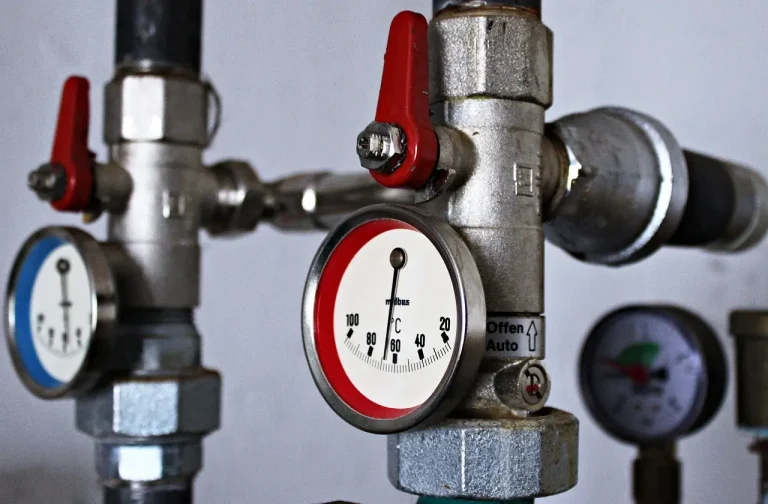
Measure zone pressure. Check the pressure at the sprinkler zone, not just at the hose bib. A pressure that is wrong for the nozzle size can make the spray look fine for a few feet while starving the far edge.
Look for overpressure signs. Misty spray, fine droplets, and water blowing past the target area usually point to pressure that is too high. Add a pressure regulator where needed, or use nozzles rated for the actual zone pressure.
Look for underpressure signs. Weak arcs, short throw, and heads that fail to reach the next sprinkler usually point to pressure that is too low. If supply pressure is fine, the cause may be a partially blocked line, a leaking valve, or too many heads on one zone.
Runtime, cycle-and-soak, and schedule
After coverage and pressure are right, set runtime and frequency. Water in the early morning, before wind picks up and heat builds. Recheck the schedule after big rain events or hot stretches, and use local weather data if your controller supports it. Battery-powered programmable timers can customize watering days, durations, and start times, and some can water up to four times a day.
Start with zone timing. Set the controller for one short run, then check whether water has pooled before the cycle ends. If it has, shorten the run and add a rest period instead of stretching the same cycle.
Use cycle-and-soak. Split runtime into shorter cycles with a rest period between them. This matters most on slopes, clay soil, or compacted ground, where water moves slower than it lands.
Adjust monthly. Revisit runtime and frequency at least once a month during the active season, and check again after heat waves or long rain stretches. TriState Water Works recommends a monthly schedule adjustment.
Check sensors. Confirm the rain sensor shuts the system down after rainfall, and use a soil moisture sensor if the system has one. A moisture sensor reads the root zone and can stop irrigation at a set threshold, which helps separate dry turf from lawn that already has enough water.
Suppose a side yard sits on a mild slope and runs off after about 12 minutes, so a common approach is two 6-minute cycles instead of one 12-minute run. A better move is two 6-minute cycles with a rest period in between, then a recheck the next day. The lawn still gets the same total runtime, but more of the water sinks where the roots can use it.

Pop-up sprinkler efficiency checklist

Use this checklist after setup changes or whenever the lawn starts to show uneven color. It keeps the fix order straight: coverage first, pressure second, runtime third, then automation.
| Symptom | Likely cause | Test to run | Fix to apply |
|---|---|---|---|
| Dry spots | Poor head-to-head coverage or a clogged nozzle | Run a catch-can line test for 10 to 15 minutes | Adjust arc and radius, clean the nozzle, or move the head so it reaches the next head |
| Runoff | Runtime is too long for the soil or slope | Watch the zone for pooling before the cycle ends | Split the runtime into shorter cycles with rest periods |
| Overspray onto pavement | Arc is too wide, head is misaligned, or pressure is too high | Run the zone and watch the spray edge at the curb or drive | Reset the arc, straighten the head, or add a pressure regulator |
| Uneven pressure | Zone pressure does not match the nozzle type | Check pressure at the zone and compare spray distance across heads | Match nozzle type to pressure or install the proper regulator |
| Mixed-head zones | Spray and rotary heads or mismatched precipitation rates on one zone | Identify each nozzle type on the zone and compare its output pattern | Separate the heads by zone or replace nozzles so each zone matches |
Uniformity test workflow
Set catch cans in a straight line from one head to the next, then run the zone long enough to compare fill levels across the line. Even fill means even coverage. Thin middle cans point to weak overlap, heavy edge cans point to overspray, and low fill across the zone points to pressure or nozzle mismatch.
Place the cans. Put them evenly between heads and near the edge of the turf, not only in the center of the spray pattern.
Read the pattern. If one side fills much faster, the arc, radius, or head alignment is off. If all cans are low, pressure or nozzle output is likely the problem.
Choose the next action. Dry spots call for overlap fixes; runoff calls for shorter cycles; overspray calls for arc or pressure correction; mixed zones call for nozzle or zone separation.
What causes brown spots and runoff?
Brown spots usually mean one part of the lawn gets less water than the rest, while runoff means water is landing faster than soil can absorb it. Mixed nozzles, misaligned heads, and weak overlap create dry patches. Slopes, clay soil, and compacted ground create runoff when the runtime is too long for the soil to take in.
Check for mixed zones. If spray and rotary heads sit on the same zone, expect uneven application unless the nozzles are matched carefully. Separate them when possible, because different precipitation rates need different runtimes.
Inspect hydrozones. Sun and shade areas rarely need the same schedule. If the same zone serves both, dry sun edges and wetter shade pockets can appear even when every head is working.
Fix edge overspray. Aim heads so water stops at the lawn edge. Overspray onto pavement is wasted water, and it often hides a separate problem: the sprinkler is trying to cover too much area from one position.
Check for leaks and blockage. Broken heads, stuck wiper seals, and clogged nozzles all change distribution. Clear debris, replace damaged parts, and rerun the zone before changing the schedule again.
Picture a backyard zone with a sunny strip near the patio and a shaded strip by a fence. If both areas run on the same schedule, the sunny turf can brown while the shaded edge stays wet. A zoned schedule or separate nozzle setup usually fixes that faster than adding more minutes.
Prevention: Recheck head alignment after mowing, trim grass away from spray paths, and verify the rain sensor before the next watering season. That keeps coverage from drifting out of tune and helps the controller stop watering when rain has already done the work.
Frequently asked questions
How long should pop-up sprinklers run for a lawn?
There is no single number that fits every lawn. Start with a short run long enough to wet the root zone, then watch for puddling or runoff. If water moves off the surface before it sinks in, use shorter cycles and a rest period instead of one long run.
What pressure should pop-up sprinkler heads run at?
Use the pressure the nozzle type is designed for, because pop-up heads depend on that operating range for even spray. Too much pressure creates mist and drift; too little shortens throw and leaves gaps. If the zone is off target, add a pressure regulator or change the nozzle match.
How do I stop runoff when watering a lawn with sprinklers?
Use cycle-and-soak. Split the total runtime into shorter cycles, then leave a rest period so the soil can absorb water before the next cycle starts. This is especially useful on slopes, clay soil, and compacted ground. If runoff continues, shorten the cycles again.
Should sprinkler heads overlap for full coverage?
Yes. Head-to-head coverage means each head reaches the next head, which reduces deficit areas and keeps you from overwatering to compensate. A simple catch-can line test shows whether overlap is even across the zone. If one section is light, adjust arc, radius, or head position.
How often should I adjust my sprinkler schedule in summer?
Check it monthly at minimum, and sooner after major weather shifts. Summer heat, wind, and rainfall change how fast soil dries, so runtime and frequency should not stay fixed for the whole season. If the controller supports weather data, use it to guide changes.
Do rain sensors really save water with pop-up sprinklers?
Yes, because they stop unnecessary irrigation after rainfall. A rain sensor should be operational on every system, since it blocks watering when nature has already supplied enough moisture. Test it by triggering the shutoff and confirming the controller skips the next scheduled run.
Why are some areas of my lawn getting brown spots with sprinklers?
Brown spots usually come from poor overlap, mixed nozzle types, drifted heads, or a schedule that is too short for the driest parts of the zone. Start with a coverage check, then confirm pressure and nozzle match. If those are fine, look at sun and shade differences across the lawn.