How to Start a Kitchen Garden at Home
Start a kitchen garden at home by matching crops to light and space. Herbs commonly need about 4–6 hours of sun, leafy greens about 4 hours, and fruiting vegetables about 6–8 hours. If your space falls short, use a sunny window, balcony, or grow light. Skip that match and plants fail fast, pests spread, and you waste time and money on weak harvests. This guide covers what to grow, where to place it, what containers and soil to use, and how to keep it productive with simple weekly care.
What a kitchen garden

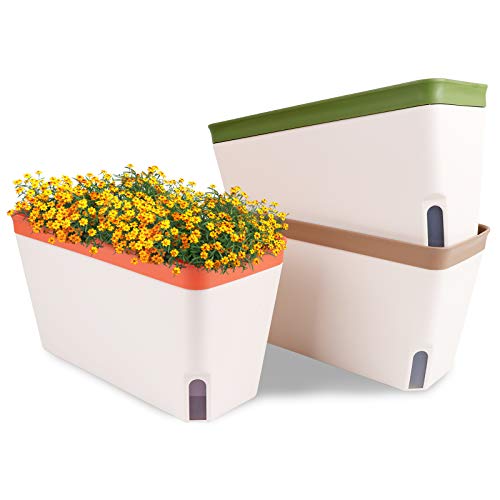

A kitchen garden is a small home-growing setup for herbs and vegetables, indoors or outdoors, kept close enough to use often. It can be a shelf with herbs, a windowsill with greens, a balcony with containers, a yard bed, or a larger raised bed area if you want more room and steadier yields.
The best version is the one you can keep alive. Small is fine. A shelf system can handle a few herbs or greens, while a deeper container or raised bed gives tomatoes and other fruiting crops the root space they need.
What you’ll need to start
Begin with containers that match the crop, a potting mix made for containers, seeds or seedlings, a watering tool, and a mild fertilizer if the crop will stay in place for more than a few weeks. Indoor setups may also need grow lights, and some systems include water controls that reduce daily attention.
- Containers with drainage holes
- Potting mix, not garden soil
- Seeds or healthy seedlings
- Watering can, squeeze bottle, or tray
- Basic fertilizer for container plants
- Grow lights for low-light rooms
- Plant labels
- Small scissors for harvesting herbs and greens
Which setup fits your space?
The right setup depends on where the light is, how much floor or shelf space you have, and how often you can water. Countertops and windowsills suit herbs and microgreens. Balconies and patios suit pots and compact fruiting crops. Yards and raised beds suit bigger harvest plans and more stable root space.
Countertop and windowsill setups
Use these for basil, thyme, microgreens, and some leafy greens. Aim for the brightest south- or west-facing window you have, or add grow lights if the window gives less than about 4 hours of direct sun. Keep containers compact so leaves do not crowd the glass and trap moisture.
Balcony and patio setups
These suit larger pots and more sun-loving crops. Tomatoes need the most room here, along with sturdy stakes or cages. A balcony can also hold several herbs and salad greens, but wind can dry pots faster, so plan on more frequent checks.
Yard and raised-bed setups
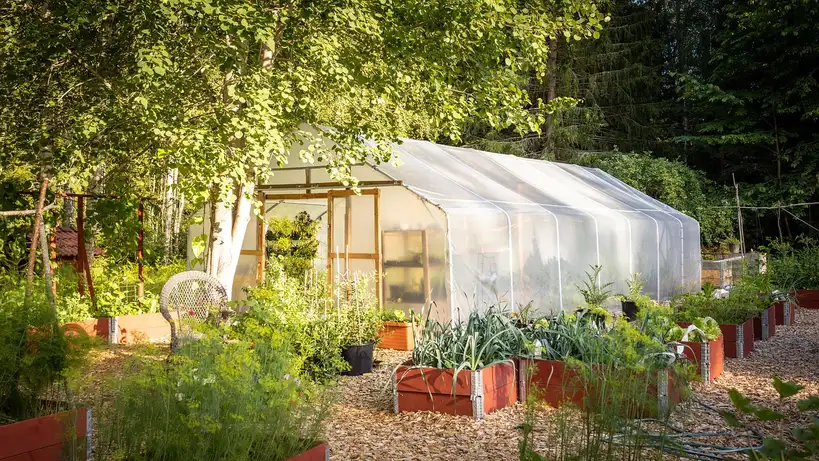
Raised beds are useful when you want more control than open ground and more room than a few pots. They drain well, warm up faster in spring, and let you space plants correctly. Use them for mixed herbs, greens, and enough tomato plants to justify the footprint.
Set up your kitchen garden
Set the garden where the crop can get the light it needs, then size the container to the mature plant, not the seedling. Seedlings are fragile at first and need steady moisture, gentle light, and room to root before they are ready to grow fast.
- Pick the brightest spot. Measure the light first. If the room cannot give the crop’s minimum hours, move the garden or plan on a grow light.
- Choose the right container. Use a pot that fits the crop’s final size, with drainage holes. A tiny pot dries too fast; an oversized one stays wet too long for seedlings.
- Fill with potting mix. Use fresh container mix, then water it once so it settles. Garden soil is usually too dense for pots and can cut off roots’ air supply.
- Plant at the correct depth. Follow the seed packet or set seedlings so the root ball sits level with the soil line. Press the mix lightly around the stem.
- Set a watering routine. Check the top inch of soil. Water when it feels dry for herbs and greens, and before the root ball fully dries for seedlings.
- Add lights or controls if needed. In low-light rooms, keep grow lights close enough for steady growth, and use water controls only if they still let you inspect the plants often.
Which crops should you start with?
Start with crops that match your space, because the easiest plant in the wrong place becomes hard to keep. Basil and thyme work well in pots. Microgreens suit small indoor spaces. Leafy greens need moderate light. Tomatoes make sense only when you can give them strong light, room, and support.
Best herbs for beginners
Basil is a good starter herb because frequent harvest keeps it bushier, and it does well in a bright window or under grow lights. Thyme stays compact and fits small pots, which makes it useful for shelves, windowsills, and narrow balconies.
Best greens and microgreens
Leafy greens such as lettuce and similar salad crops need less light than tomatoes and can be harvested young. Microgreens are the fastest option for indoor growing because they finish quickly and use very little space, but they still need clean trays, steady moisture, and bright light after sprouting.
When tomatoes make sense
Tomatoes need enough light and root room for fruiting, so they are a better second crop than a first try in a dim kitchen. Pick compact or determinate varieties for pots, and plan on staking, pruning lightly, and feeding on schedule.
Kitchen garden starter matrix
This matrix matches beginner crops to the space they fit best, the light they need, the container size that gives them room, how often they usually need water, and when you can expect the first harvest.
| Crop | Best space | Minimum light | Container size | Watering frequency | First harvest window |
|---|---|---|---|---|---|
| Basil | Windowsill, shelf, balcony | 4–6 hours | 6–8 inch pot | 2–4 times per week | 3–5 weeks after transplant |
| Thyme | Windowsill, shelf | 4–6 hours | 6 inch pot | Every 5–7 days | 6–8 weeks after transplant |
| Parsley | Windowsill, balcony | 4–6 hours | 8 inch pot | 2–3 times per week | 6–8 weeks after transplant |
| Chives | Windowsill, shelf | 4 hours | 6–8 inch pot | 1–2 times per week | 4–6 weeks after transplant |
| Lettuce | Window, balcony, raised bed | 4 hours | 6–8 inch pot or tray | 2–4 times per week | 3–6 weeks from sowing |
| Spinach | Window, balcony, raised bed | 4–6 hours | 8 inch pot | 2–4 times per week | 4–6 weeks from sowing |
| Arugula | Window, shelf, balcony | 4 hours | 6 inch pot | 2–3 times per week | 3–4 weeks from sowing |
| Microgreens | Countertop, shelf | Bright indirect light or 12–16 hours under lights | Shallow tray | Daily mist or bottom water | 7–14 days from sowing |
| Radishes | Balcony, raised bed | 4–6 hours | 8 inch pot | 2–3 times per week | 3–5 weeks from sowing |
| Green onions | Windowsill, shelf | 4 hours | 6 inch pot | 1–2 times per week | 3–5 weeks after transplant or regrowth |
| Dwarf pepper | Balcony, sunny window | 6–8 hours | 10–12 inch pot | 2–3 times per week | 10–14 weeks after transplant |
| Compact tomato | Balcony, raised bed, bright indoor system | 6–8 hours | 12 inch pot or larger | 2–4 times per week | 8–12 weeks after transplant |
Common mistakes to avoid
Most beginner failures come from mismatching the crop to the setup, then fixing the wrong problem. If basil stretches toward the window, the issue is usually not enough light. If leaves turn yellow and soil stays wet, the issue is usually too much water or a pot with poor drainage.
| Problem | What it looks like | What to change |
|---|---|---|
| Leggy growth | Long stems, pale leaves, plants leaning hard toward light | Move the light closer, rotate pots, or add a grow light for 12–16 hours |
| Overwatering | Yellowing leaves, limp stems, sour-smelling soil | Let the top layer dry, empty saucers, and check drainage holes |
| Poor airflow | Mold on soil, damp leaves, slow growth | Space pots apart, open a window briefly, or use a small fan on low |
| Pests | Sticky leaves, tiny holes, visible insects under leaves | Inspect weekly, rinse leaves, and remove badly damaged growth |
| Weak growth | Small leaves, slow size gain, thin stems | Feed lightly, increase light, and move to a larger pot if roots are crowded |
A common first-timer mistake is putting a tomato in a small decorative pot beside a dim sink window. The plant may stay alive for a while, but it will stretch, flower poorly, and produce little fruit unless it gets stronger light and a much larger container.
Say your basil sits under a bright window but the soil stays wet for four days. Reduce watering, empty the saucer after each soak, and check whether the pot has drainage holes. If that did not work, repot into a lighter mix and a container that drains faster.
When should you sow and harvest?
Start seeds when you can keep the seedlings warm, bright, and evenly moist. Transplant seedlings after they have a solid root system and several true leaves. Harvesting starts quickly for microgreens and herbs, while tomatoes and peppers take much longer and need steadier care.
Starting seeds indoors
Start basil, lettuce, parsley, and other quick crops indoors any time if you have enough light or grow lights. Use shallow trays or small pots, keep the mix damp rather than soaked, and place seedlings under strong light as soon as they emerge.
Transplanting seedlings
Move seedlings into their final pot when roots hold the soil together and the top growth is sturdy enough to handle. Handle the root ball, not the stem. Water after transplanting so the mix settles around the roots and the plant can recover faster.
First harvest timing
Microgreens can be cut in 7–14 days. Herbs are usually ready for light trimming in a few weeks, and leafy greens can be picked young before they need a larger pot. Tomatoes need the longest run, so plan for a slower first harvest and more attention to support and feeding.