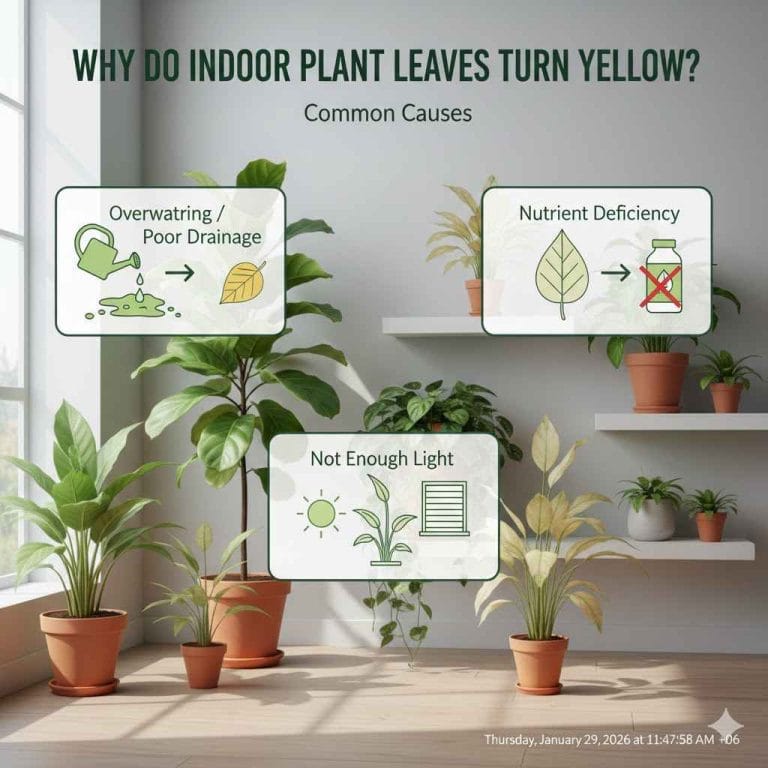
How to Keep Houseplants Clean and Free of Mold
Wipe leaves first: if the film comes off with a damp cloth, it’s usually dust or residue; if you see fuzzy growth on soil or leaves, treat it as mold and fix moisture, airflow, and light. Left alone, buildup can reduce light reaching the leaf surface and slow growth. This guide helps you tell grime from true mold, clean foliage by plant type, and keep it from returning.
What you’ll need

- Battery-free meter is ready anytime.
- Clear dial makes readings easy to see.
- Slim probe is gentler on roots.
- Microfiber cloth
- Soft cloth
- Spray bottle filled with plain water
- Mild soap solution for residue
- Paintbrush or Q-tip for tight spaces
- Dry towel for final drying
- Finger or moisture meter for checking soil dry-down
- Small tray or saucer for catching runoff
Clean houseplant leaves the right way
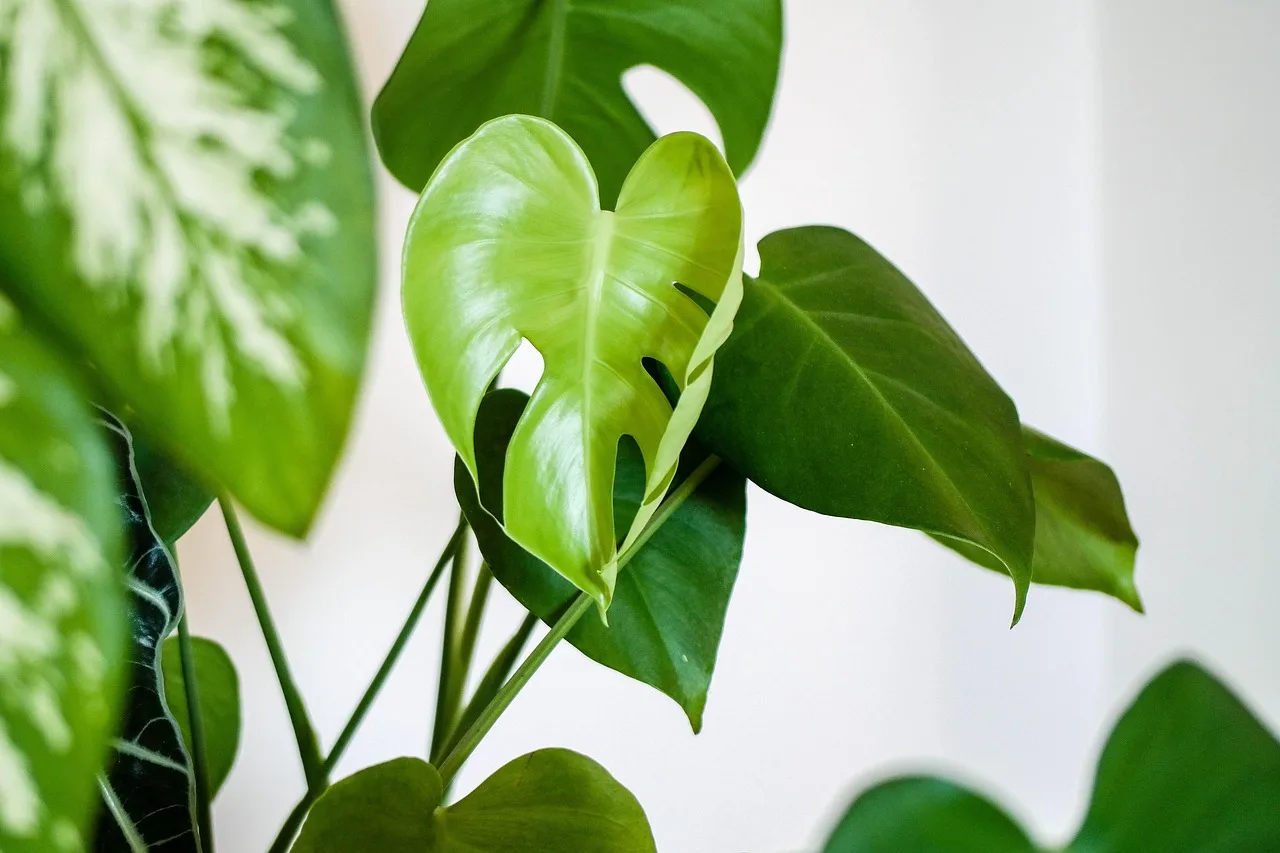
Use the least aggressive method that still clears the surface. Smooth, broad leaves usually take a damp cloth. Shiny leaves may need only water. Fine-textured, clustered, or small leaves often do better with a gentle spray and targeted cleanup. Fuzzy leaves need special care because rubbing can damage the leaf surface and trap moisture where it lingers.
-
Sort the leaf type.
Look at the surface before you touch it. Smooth, shiny, broad leaves can be wiped; small leaves, spiny foliage, and fuzzy leaves need lighter contact so you do not bruise tissue or leave moisture sitting in the wrong place. If a leaf is already stressed, handle it as little as possible. -
Clean broad leaves.
Dampen a microfiber cloth with plain water and support the leaf from below as you wipe from base to tip. For heavier grime, use a mild soap solution, then wipe again with clean water so residue does not stay behind. Let the leaf dry promptly in indirect light. -
Treat small or tight growth.
Mist lightly with plain water, then use a soft brush or Q-tip to lift dust from creases, petioles, and clustered stems. This is safer than soaking tiny foliage, which can hold moisture and stay wet too long, especially in dim or humid rooms. -
Avoid wiping fuzz.
Do not rub fuzzy leaves. Use a dry, soft brush to lift dust from the surface, or clean only the stem and nearby pot rim if the leaf hairs trap too much moisture. If the plant is very delicate, remove only the dust you can reach without pressing on the leaf. -
Dry the plant safely.
Set the plant in bright indirect light with airflow after cleaning. Skip hot direct sun right afterward; wet leaves can scorch, especially near a south- or west-facing window. The goal is drying, not baking, so keep the plant out of strong heat until the surface is dry.
Picture a pothos on a bright windowsill with a gray film on the leaves. If the film wipes off, a damp cloth is enough. A fern in a windowless bath is different: the leaves may need only a brush, while the soil and room conditions need correction to prevent mold from returning.
Is it dust, residue, or mold?
The fix depends on where the problem is and how it looks. Dust and mineral film sit on the leaf surface. Sticky residue often follows pests. True mold looks fuzzy, grows on damp soil, or spreads on plant tissue that stays wet too long. The best cue is simple: if it wipes off cleanly, it is usually surface buildup; if it keeps coming back after misting, moisture or pests are still in play.
White film on leaves
White film that wipes away is often dust or hard-water residue. Hard water can leave a chalky deposit after misting or cleaning, especially if droplets dry on the leaf. Use plain, filtered, or distilled water if the film keeps returning, and finish with a dry cloth when the leaf texture allows it.
Sticky deposits after pests
Sticky leaves can point to mealybugs, scale, aphids, or whiteflies. Clean the surface with plain water or a mild soap solution, then inspect the undersides, stems, and leaf joints for insects, waxy bumps, or honeydew. If the residue feels tacky rather than powdery, assume pest residue until proven otherwise.
Fuzzy growth on soil or foliage
Fuzzy growth is more likely to be mold than dust. On soil, it often points to excess moisture, cool damp conditions, poor drainage, or a mix of these. On leaves, it can spread where air is still and humidity stays high, so the fix is not only wiping, it is drying the plant’s environment and reducing how long surfaces stay wet.
How do you stop mold on potted plants?
Start with dry-down, drainage, and airflow. Mold on potting soil is usually linked to overwatering, standing water, and conditions that keep the top layer damp too long. Remove the growth, then change the environment so the surface dries faster between waterings. If the soil stays wet 5-7+ days after watering, that is a strong sign the pot is holding too much moisture for the plant’s needs.
-
Scoop off the mold.
Remove the top layer of visibly affected soil and discard it. Replace it with fresh, dry potting mix if the surface is still damp and crumbly growth keeps returning. If mold reappears quickly, the issue is usually still moisture, not just the visible layer. -
Check moisture first.
Use a finger or moisture tool before watering. Wait for the soil to dry between waterings instead of following a strict schedule, because pot size, light, room temperature, and season all change drying time. Some species prefer evenly moist soil, so match the dry-down to the plant rather than forcing every pot to go fully dry. -
Empty standing water.
Pour off any water left in a saucer after watering. Standing water is the enemy of a plant’s root system, and it keeps the lower pot zone wet long after the surface looks dry. -
Raise airflow and light.
Move the plant into brighter indirect light if possible, and keep air moving around the pot. Better airflow helps the soil surface dry faster, especially after watering or in cool rooms. Cleaning should also leave leaves dry promptly in indirect light, not wet in a closed, still corner.
Suppose a snake plant sits in a dim corner and the potting mix stays damp for a week. The mold problem is less about the fuzzy layer itself and more about the slow dry-down. Move it closer to bright indirect light, cut back watering, and clear the saucer after every soak. If a plant is a type that likes more even moisture, adjust carefully rather than letting it swing between soaking wet and bone dry.
Why humidity and light change the fix
Humidity changes how fast leaves and soil dry, and light changes how long that drying takes. Higher humidity and weak airflow raise the risk of mold, while ventilation lowers it. Bright indirect light helps foliage dry faster; low light slows the process. Wet leaves should be allowed to dry promptly in indirect light rather than being left damp in stagnant air.
Bathrooms and kitchens
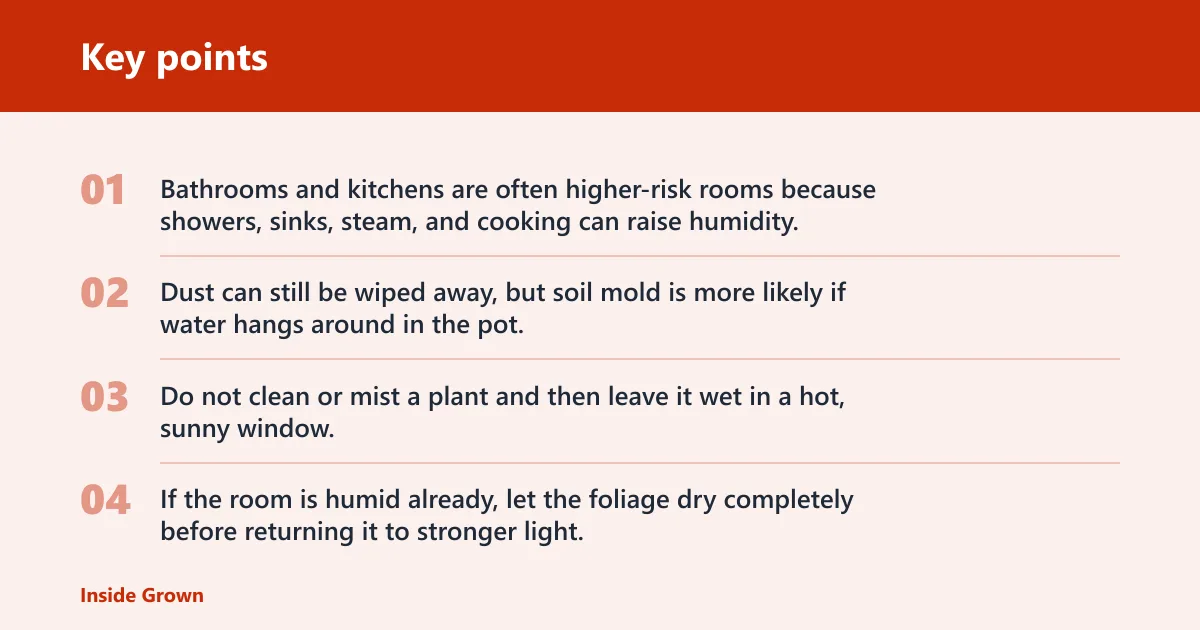
Bathrooms and kitchens are often higher-risk rooms because showers, sinks, steam, and cooking can raise humidity. In those spaces, use a fan, crack a window when possible, and clean leaves only when you can keep them drying in moving air. If a plant sits near a stove or shower splash zone, move it farther away and avoid misting unless the room can dry out quickly.
Low light corners
Low light slows drying, so a plant in a hallway or room corner needs less frequent wet cleaning and more careful watering. Dust can still be wiped away, but soil mold is more likely if water hangs around in the pot. Rotate the plant only if the light is even enough to support recovery, and reduce wet cleaning if the room already dries slowly.
After watering or showering
Do not clean or mist a plant and then leave it wet in a hot, sunny window. Give it a chance to dry in bright indirect light with airflow, and avoid heavy cleaning right before a long stretch of darkness or stagnant humidity. If the room is humid already, let the foliage dry completely before returning it to stronger light.
Houseplant cleaning matrix
This table separates leaf dust, mineral film, sticky residue, and true mold so you can match the fix to the symptom. It also flags plant types that should not be wiped hard, and it gives practical decision cues such as whether buildup wipes off cleanly, returns after misting, or appears on soil that stays wet too long.
| Symptom | Likely cause | Exact fix |
|---|---|---|
| Dusty leaves | Airborne dust, pet dander, open windows, ceiling fans | Wipe smooth leaves with a damp microfiber cloth; use a soft brush on small or clustered foliage. Repeat monthly in dusty rooms, and dry the leaf promptly in indirect light. |
| White mineral film | Hard water residue from misting or washing | Switch to plain water, then follow with a dry cloth. If residue stays, use a mild soap solution once, then rinse-wipe with clean water. |
| Sticky pest residue | Mealybugs, scale, aphids, or whiteflies | Wipe with water or mild soap solution, inspect stems and leaf undersides, and isolate the plant until pests are controlled. |
| Fuzzy soil mold | Excess moisture, cool damp conditions, poor drainage | Remove the top layer of soil, let the mix dry more between waterings, empty saucers, and increase airflow and light. |
| Leaf spots after cleaning | Sun scorch, trapped moisture, or residue left on the leaf | Move the plant out of hot direct sun, blot dry, and avoid heavy wetting on stressed leaves. |
| Fuzzy leaves that should not be wiped | Natural leaf hairs on begonias, African violets, or similar plants | Use a dry soft brush only. Do not rub or mist heavily, because the hairs trap moisture and can mark easily. |
| Plants in bathrooms or kitchens | High humidity and weak airflow | Keep them in bright indirect light, ventilate after showers or cooking, and clean only when leaves can dry fast. |
Cadence guide: low dust, normal room, and no pets often means cleaning at least one or two times a year; medium dust or an active room usually fits a monthly cleaning session; high dust, open windows, pets, or ceiling fans can justify monthly or weekly care. In bathrooms and kitchens, check more often because humidity changes the drying time. Use the cadence as a starting point, then speed up or slow down based on how quickly dust returns and whether buildup reappears after misting.
Common mistakes
Most problems come from using too much moisture, too much force, or the wrong timing. Cleaners and shine products can leave a film, while vinegar can burn leaves if used too strongly or too often. A plant that is already stressed should not be drenched and then set in direct sun. If cleaning causes spotting or the residue comes back quickly, the method is too harsh or the room is too humid.
- Using leaf-shine sprays or oily products, which leave residue and can clog the leaf surface.
- Wiping fuzzy leaves as if they were smooth leaves.
- Cleaning in hot direct sun, which can scorch wet foliage.
- Leaving water in saucers after watering.
- Assuming one watering schedule fits every plant.
- Treating soil mold, leaf mold, and mineral film as the same problem.
Routine care prevents most problems. Check the soil before watering, match dry-down to the plant’s needs, and keep leaves dry enough to breathe. If mold keeps returning in one room, the room conditions are part of the problem, not just the pot.
Frequently asked questions
How do I get rid of mold on plants?
First remove the affected surface layer if the mold is in potting soil, then let the mix dry more between waterings and empty any saucer water. If the mold is on leaves, clean the surface, improve airflow, and move the plant away from damp, low-light spots.
How do I get mold off houseplant leaves safely?
Use a damp microfiber cloth for smooth leaves or a soft brush for fuzzy and spiny plants. If residue is sticky or stubborn, use a mild soap solution once, then wipe with clean water and dry the leaf before returning it to stronger light.
How often should I clean houseplant leaves?
Match the cadence to dust load. A good baseline is once a month, with at least one or two cleanings a year for lightly exposed plants. High-dust homes, pets, and open windows can push that schedule to weekly or monthly cleaning.
What causes mold to grow in potted plants?
Most often it is excess moisture, poor drainage, weak airflow, and cool damp conditions that keep the soil surface wet. Bathrooms, kitchens, and low-light corners dry more slowly, so they need more careful watering and better ventilation.
Can I use vinegar or soap to clean houseplant leaves?
Soap can work as a mild cleaning step for residue, but use it sparingly and wipe again with clean water. Vinegar needs caution because it can burn leaves, especially on thin or stressed foliage. Plain water is the safest first option, and any cleaner should leave the leaf dry promptly in indirect light.