Gardening Tips for Starting an Herb Garden From Scratch
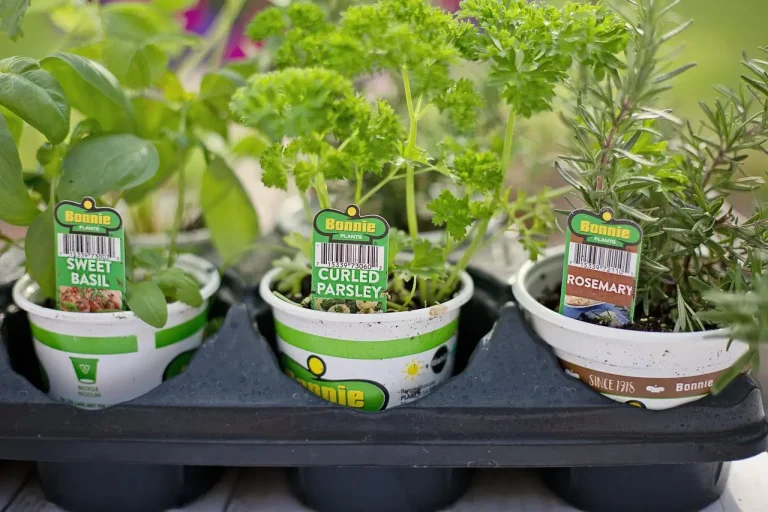
Start with about 5 to 7 herbs, and group them by water and spread: parsley, basil, and cilantro in one bed or large pot; rosemary, thyme, and oregano in separate, drier containers; mint usually alone. Mixed care needs lead to stunted growth, root crowding, and watering errors that can wipe out herbs fast. This guide shows how to plan a first herb garden from scratch, choose containers or beds, and avoid the usual beginner errors.
Start with a small herb garden


What you’ll need
- Herb seedlings or seed packets for 3 to 5 easy plants
- Potting mix or raised-bed soil mix
- Compost for in-ground beds
- Containers with drainage holes
- A hose, watering can, or access to a spigot
- Hand trowel and gloves
- Mulch or fine bark for in-ground beds
- Plant labels
How do you choose the right spot?
Choose a spot that sits near water, drains well after rain, and gets the direct sun your herbs need. Most herb gardens do best with 6 to 8 hours of direct sunlight daily, though a few herbs handle slightly shadier sites. Pick a place you can reach without dragging a hose across the yard, and make sure water does not pool there after a storm.
Check the sun first. Watch the site through the day and count direct sun hours, not bright shade. A southern, western, or open patio edge usually works best for basil, thyme, oregano, and rosemary.
Test drainage after rain. Look for water that disappears within a few hours rather than pooling. Soggy soil can lead to root rot, so a spot that stays wet after watering is a poor first choice.
Map water access. Choose a bed or patio spot near a hose, faucet, or watering-can fill point. Easy access to water matters because herbs do best with regular, light watering rather than long dry spells followed by flooding.
Keep the first layout small. A 4×8-foot garden bed can be enough for a first season, and raised beds can be 4×4-foot or 4×8-foot for beginners. If space is tighter, use containers and start with about three to five easy plants.
Beds, pots, and patio access
In-ground beds are a budget-friendly option when the soil drains well and the spot gets enough sun. Raised beds help if the native soil is heavy or slow to drain, because they drain faster and are easier to fill with a better mix. Containers work well on patios, balconies, and kitchen-door spots where watering is simple.
Picture a back step with six hours of afternoon sun and a hose nearby. That setup fits a few pots better than a large bed, because you can water daily in hot weather and move pots if one herb wants more sun than another.
How should you prepare soil and containers?
Prepare the planting medium to match the setup. In-ground herbs need soil loosened with compost. Raised beds need a proper soil mix that drains well while holding enough moisture. Containers need drainage holes and a potting mix that leaves air space around the roots.
Mix compost into beds. Work 2 to 3 inches of compost into the top layer of in-ground soil before planting. This improves structure and gives herbs a better start without making the soil stay wet too long.
Fill raised beds properly. Use a quality raised-bed soil mix rather than garden soil alone. A good mix should drain fast enough to keep roots from sitting in water, yet still hold moisture for basil, parsley, and cilantro.
Set up containers correctly. Choose pots with drainage holes and use fresh potting mix, not heavy garden soil. For mixed herbs, keep thirsty herbs like basil in one pot and drier herbs like thyme or rosemary in another.
Top up and recheck. Add 1 inch of compost or mix at a time, water lightly, and see how fast it drains. If water still lingers on the surface after a few minutes, improve drainage before planting more.
Seedlings, seeds, and timing
Use local planting dates instead of a fixed calendar date. Fast herbs like cilantro and dill are often easier from seed, while basil, parsley, rosemary, and thyme are often simpler for beginners as transplants. Match the timing to your local last frost and the crop’s season window.
Suppose your area still gets cold nights in spring. Start parsley and cilantro from seed as soon as the soil is workable, but wait to set out basil until nights are reliably warm. That timing avoids cold damage and slow growth.
Herb starter matrix
This matrix helps you match each herb to the right bed, pot, or container before you buy plants.
| Herb | Sun need | Container suitability | Spacing | Water tolerance | Best start method |
|---|---|---|---|---|---|
| Basil | 6 to 8 hours | Very good in a medium pot | 8 to 12 inches | Even moisture; dislikes soggy soil | Transplant |
| Parsley | 6 hours, light shade okay | Good in a shared pot | 8 to 10 inches | Regular moisture | Seed or transplant |
| Cilantro | 4 to 6 hours, cooler site okay | Good in shallow, wide containers | 6 to 8 inches | Moderate moisture | Seed |
| Dill | 6 hours | Fair in deep pots | 10 to 12 inches | Moderate moisture | Seed |
| Mint | 4 to 6 hours | Excellent in its own pot | 12 inches or separate pot | Likes steady moisture | Transplant |
| Rosemary | 6 to 8 hours | Excellent in a separate pot | 18 to 24 inches | Low to moderate moisture | Transplant |
| Thyme | 6 to 8 hours | Very good in small pots | 10 to 12 inches | Low moisture | Transplant |
| Oregano | 6 to 8 hours | Very good in containers | 12 to 18 inches | Low to moderate moisture | Transplant |
| Sage | 6 to 8 hours | Very good in a separate pot | 18 to 24 inches | Low moisture | Transplant |
| Chives | 6 hours | Good in a shared container | 6 to 8 inches | Regular moisture | Seed or transplant |
How do you plant herbs and keep them manageable?
Plant herbs by water need, growth habit, and harvest style. Soft-stemmed herbs such as basil, parsley, and cilantro want more even moisture and closer spacing. Woody or semi-woody herbs such as rosemary, thyme, sage, and oregano prefer sharper drainage, more sun, and less frequent watering.
Group similar herbs together. Put parsley, basil, and cilantro in one bed or large pot if you can water them the same way. Keep rosemary, thyme, oregano, and sage in a drier section or separate containers.
Plant by spacing. Leave the listed gaps in the matrix so air can move between plants. Crowding traps moisture, slows drying after rain, and makes herbs harder to clip without breaking nearby stems.
Stagger fast herbs. Sow a short row of cilantro or dill every 2 to 3 weeks during their season if you want a longer harvest. These herbs can bolt or finish quickly, so succession sowing keeps a small garden productive.
Clip often, but lightly. Harvest basil by pinching above a leaf pair, and cut parsley and cilantro from the outside first. Regular clipping keeps herbs compact and delays flowering on many leafy types.
Water to the root zone. Water when the top inch of soil feels dry, then stop when the soil is evenly damp. Do not keep basil or container herbs constantly wet; that is where root problems start.
A common first-timer mistake is planting mint beside parsley in the same bed. Mint sends out aggressive roots and can take over the space, so it belongs in its own pot with regular trimming.
Simple layouts for small spaces
For a patio, use one large container for basil plus parsley and cilantro, then separate pots for thyme, rosemary, and mint. For a windowsill, choose chives, parsley, and a small thyme pot, because they handle compact roots better than sprawling herbs. For a kitchen-door bed, place the most-used herbs closest to the step.
Common mistakes
The biggest problems come from treating every herb the same. Herbs fail for different reasons: too much water for basil, too little room for mint, too much crowding for parsley and cilantro, or poor drainage that keeps roots wet.
- Overwatering basil. Let the top inch dry before watering again, and make sure the pot drains freely.
- Letting mint spread. Keep it in a separate container and trim runners as soon as they appear.
- Crowding parsley and cilantro. Leave space so leaves dry faster after rain or overhead watering.
- Ignoring drainage. If water sits in a bed or saucer, fix that before planting more herbs.
If that did not work, move the problem herb. A basil plant that stays wet in a shared pot may need a better-draining container on its own, while a woody herb that looks weak may simply need more direct sun and less frequent watering.
Check sun, drainage, and water access before you buy plants. That one habit prevents most first-season herb failures.
Frequently asked questions
How do I start an herb garden from scratch?
Pick a sunny spot, choose 3 to 5 easy herbs, and match them to the right setup before planting. Use compost in in-ground soil, proper mix in raised beds, and drainage-hole containers for patios or small spaces. Start with herbs that share similar water needs.
How much sun does an herb garden need?
Plan for 6 to 8 hours of direct sunlight daily for many common herbs. A few, including parsley and cilantro, can handle slightly shadier conditions. Check the site at several points in the day so you do not mistake bright shade for direct sun.
Should I grow herbs in the ground or in raised beds?
Choose in-ground beds if the soil drains well and you want a budget-friendly setup. Choose raised beds if the native soil is heavy, wet, or compacted. Raised beds drain faster and are easier to manage for a first herb garden, especially at 4×4-foot or 4×8-foot.
What herbs are easiest for beginners to start with?
Basil, parsley, chives, thyme, oregano, and mint are common beginner picks when matched to the right setup. Start with productive, low-maintenance herbs that fit your local season. For a first garden, pick varieties you will actually harvest often rather than filling every gap.
How do I prepare soil for a new herb garden?
In ground, mix compost into the top layer before planting. In raised beds, use a quality soil mix that drains well. In containers, use potting mix and pots with drainage holes. Good airflow around the roots matters as much as nutrients.
Can I start an herb garden in containers instead of a yard?
Yes. Containers work well on patios, balconies, and by a kitchen door if the spot gets enough sun and easy water access. Use one pot for mint, another for rosemary or thyme, and a shared container for herbs with similar watering needs, such as basil and parsley.
When should I plant herbs for the best results?
Use local planting dates and seasonal timing by crop. Cool-season herbs such as cilantro and parsley can start earlier, while basil waits for warmer weather. Seeds suit fast herbs, but transplants are often easier for woody herbs and for beginners who want a quicker start.
How do I keep a small herb garden manageable?
Keep the first garden small, with a 4×8-foot bed or a few containers, and choose herbs that share sun and water needs. Leave proper spacing, harvest often, and separate aggressive spreaders like mint. A compact setup is easier to water, weed, and clip on schedule.