
How Many Landscape Lights Per Transformer Do You Need?
Every stunning landscape lighting design begins with a single, crucial question: how many lights can your transformer support? Whether you’re illuminating a backyard oasis, a commercial property, or a grand estate, the answer directly impacts safety, performance, and the visual impact of your project. Too few lights and your design falls flat; too many, and you risk overloaded circuits, dim fixtures, or even dangerous electrical hazards. This delicate balance is at the heart of every successful outdoor lighting installation.
If you’re a homeowner, landscape contractor, or DIY enthusiast, understanding the relationship between landscape lights and transformer capacity is essential for planning, efficiency, and cost control. This guide will demystify transformer sizing, wattage calculations, voltage drop, and real-world scenarios so you can confidently answer: “How many landscape lights per transformer do you need?” Let’s illuminate the path to a perfectly balanced landscape lighting system.
Key Takeaways
- Transformer capacity determines the safe number of landscape lights you can install.
- Accurate wattage calculation is crucial for both safety and optimal performance.
- Voltage drop affects brightness and must be considered for longer runs.
- Using the right transformer size increases system longevity and reduces maintenance.
- Real-world examples and tables in this guide simplify planning for any project.
- Always choose transformers and fixtures that comply with UL and ETL safety standards.
Credit: tuds.ca
Understanding Landscape Lighting Transformers
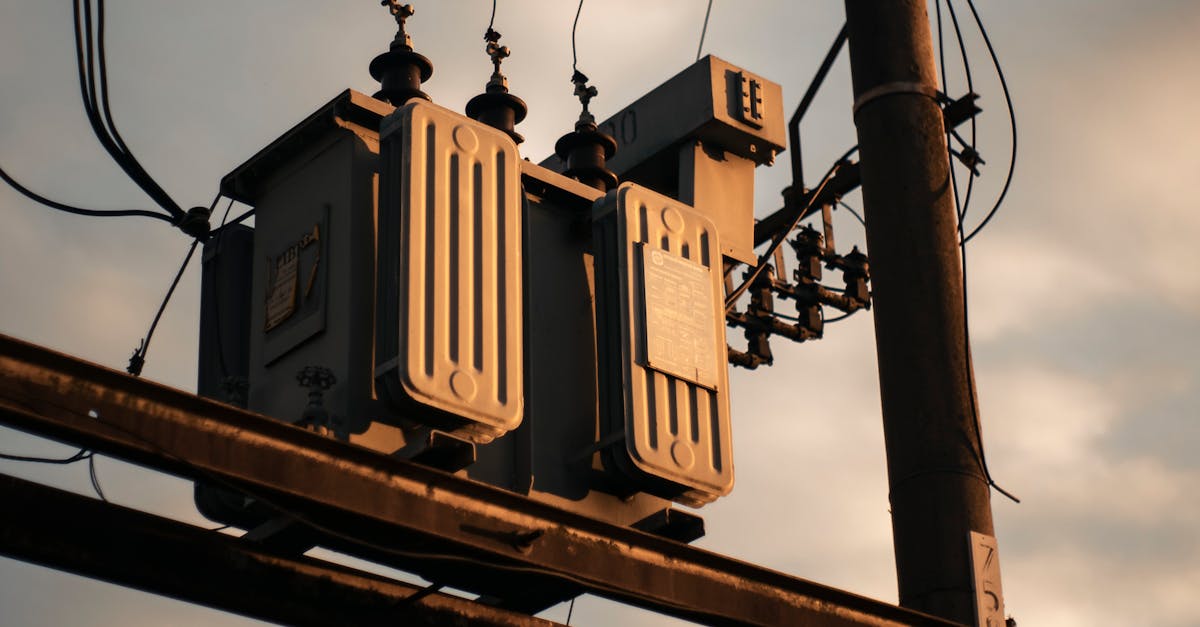
Landscape lighting transformers are the backbone of low-voltage outdoor lighting systems. They step down household voltage (120V) to a safer, usable 12V or 24V for landscape fixtures. Correct transformer sizing ensures every light receives adequate power while minimizing safety risks.
What Does A Transformer Do?
A landscape lighting transformer converts high-voltage electrical current from your home’s main supply into a lower voltage suitable for outdoor lights. Most landscape lighting systems use 12-volt transformers, but 24V options are also common for larger installations. By stepping down the voltage, transformers make outdoor lighting safer and more efficient.
The transformer also acts as a central control point for your lighting system. It regulates power delivery, helps prevent electrical surges, and often includes built-in timers or photocells for automatic operation. By lowering voltage, it reduces the risk of electrical shock and makes installation safer, even for DIY homeowners.
Transformer Types And Their Capacities
Transformers come in a range of wattages, typically from 45W to 1200W. The wattage rating indicates the maximum combined load it can safely power. Common types include:
- Magnetic transformers: Durable, reliable, heavier, often used in commercial settings. Magnetic transformers are known for their longevity and ability to handle higher loads. They are less susceptible to electrical noise and voltage fluctuations.
- Electronic transformers: Compact, lighter, best for smaller, residential projects. Electronic transformers are more energy-efficient and cost-effective, but may not work with all fixture types, especially those that require dimming.
The choice between magnetic and electronic transformers depends on project size, location, and budget. For example, a large estate or commercial plaza with dozens of fixtures will benefit from the robustness of magnetic transformers, while a small residential garden may be perfectly suited to an electronic transformer.
Key Specifications To Consider
When choosing a transformer, focus on these critical specifications:
- Wattage Capacity: Maximum combined power output. Always plan for peak loads and future expansion.
- Voltage Output: 12V or 24V, matching your fixture requirements. Some transformers offer adjustable output to compensate for voltage drop.
- Number of Taps: Some offer multiple voltage taps (e.g., 12V, 13V, 14V) for voltage drop compensation. Multi-tap transformers are ideal for large properties, as they help maintain consistent brightness across all fixtures.
- UL or ETL Listing: Ensures compliance with safety standards. Certification indicates that the transformer has been tested for electrical safety and durability.
For an in-depth look at transformer specifications, consult the Wikipedia page on transformers.
How Transformer Capacity Relates To Number Of Lights
To determine how many lights a transformer can support, divide its wattage rating by the wattage of each fixture, then factor in a safety margin. For example, a 300W transformer paired with 10W lights can theoretically power 30 lights, but best practice recommends using only 80-85% of capacity to avoid overload and allow for future expansion.
It’s important to note that transformer capacity isn’t the only limiting factor. Wire gauge, run length, and fixture placement also play a role. For instance, even if your transformer can support 30 fixtures, voltage drop on a long wire run may limit you to fewer lights per circuit.
A well-designed system balances transformer capacity with these other variables to achieve optimal performance.
Calculating Wattage And System Load
Proper calculation of your lighting system’s wattage ensures that your transformer isn’t overloaded. Let’s break down the process step by step.
Step 1: Identify Fixture Wattage
Every landscape light has a wattage rating—the amount of power it draws. LED fixtures typically range from 2W to 10W, while halogen and incandescent options can be much higher, between 10W and 50W per fixture. Always check the manufacturer’s label or spec sheet.
Remember that fixture wattage may vary based on beam spread, lumen output, and color temperature. For instance, a 3W LED accent light might deliver the same brightness as a 15W halogen due to improved efficiency. If you’re mixing fixture types—such as path lights, spotlights, and deck lights—make sure to record the wattage for each type.
Step 2: Add Up Total Fixture Wattage
Add the wattage of every fixture you plan to install. For example:
- 8 LED path lights at 5W each = 40W
- 4 LED spotlights at 8W each = 32W
- 2 deck lights at 3W each = 6W
Total wattage: 40W + 32W + 6W = 78W
If your design includes multiple zones or circuits, calculate the load for each zone individually. This helps with transformer sizing and reduces voltage drop issues.
Step 3: Factor In A Safety Margin
Never use a transformer at full capacity. Use 80%–85% of the transformer’s rated wattage for reliable, safe operation. This allows for heat buildup, power surges, and future system expansion.
Example: For a 150W transformer, 80% usable capacity is 120W.
This safety margin also prevents nuisance tripping of circuit breakers and extends the life of your transformer. Electrical components operate more efficiently and safely when not pushed to their limits.
Step 4: Select The Right Transformer
Choose a transformer whose 80% rated wattage exceeds your calculated total load. In the example above, a 100W transformer would be too small; a 150W or 200W transformer would be appropriate.
When in doubt, select a transformer one size up from your calculated requirement. Extra capacity provides flexibility for seasonal decorations, additional fixtures, or changes in landscape layout.
Table: Common Transformer Sizes Vs. Number Of Led Lights
| Transformer Size (W) | Max Usable Wattage (80%) | Typical 5W LED Lights Supported | Typical 8W LED Lights Supported |
|---|---|---|---|
| 75W | 60W | 12 | 7 |
| 150W | 120W | 24 | 15 |
| 300W | 240W | 48 | 30 |
| 600W | 480W | 96 | 60 |
Note: These are estimates. Always check fixture wattage and transformer specs before finalizing.
If you’re using fixtures with variable brightness or integrated dimming, factor in the maximum wattage draw for each fixture, even if you plan to operate them at lower settings most of the time.
The Impact Of Voltage Drop
Voltage drop is one of the most overlooked factors in landscape lighting design. It can cause lights at the end of a long run to appear dimmer than those near the transformer.
What Causes Voltage Drop?
Voltage drop occurs when electrical current travels a long distance through wire, losing energy along the way. The longer the wire or the smaller its gauge, the greater the voltage drop. This can result in:
- Diminished light output at the far end of the circuit
- Uneven illumination across your landscape
- Potential premature fixture failure
Voltage drop is especially problematic in large properties or installations where fixtures are spaced far apart. Even in smaller landscapes, if you have a cluster of fixtures located at the far end of your property, the cumulative effect can lead to noticeable brightness differences.
How To Calculate Voltage Drop
To estimate voltage drop, use this simplified formula:
Voltage Drop (%) = (2 × Length × Current) / (Wire Gauge Constant × Voltage)
However, most homeowners and professionals use online calculators or manufacturer charts. As a rule of thumb, keep total voltage drop below 10% (1.2V for a 12V system).
For precise calculations, factor in the total load, wire gauge, and length of each run. Manufacturers often provide detailed tables or calculators—such as the ones found on major lighting brands’ websites—that help you match wire gauge to run length and load.
Table: Voltage Drop By Wire Gauge And Distance
| Wire Gauge | Max Distance (ft) for 5W LEDs (12V, 80W Load) | Max Distance (ft) for 8W LEDs (12V, 120W Load) |
|---|---|---|
| 12 AWG | 100 | 75 |
| 10 AWG | 150 | 110 |
| 8 AWG | 200 | 150 |
For more on voltage drop, see the EC&M guide to voltage drop.
Solutions To Minimize Voltage Drop
- Use thicker wire (lower gauge number) for longer runs. Upgrading from 14 AWG to 10 AWG can dramatically reduce voltage loss.
- Employ multiple home runs from the transformer to distant zones. Instead of daisy-chaining fixtures, run separate cables to each zone.
- Upgrade to a transformer with multi-tap outputs (12V, 13V, 14V). Higher voltage taps compensate for loss over long distances.
- Keep fixture wattages low with LED technology. LEDs draw less power, reducing current and minimizing voltage drop.
In addition, consider the layout of your landscape. Group fixtures into logical zones, and avoid unnecessarily long cable runs whenever possible. Loop circuits can also help balance voltage and provide redundancy.
Real-world Example
A homeowner installs 20 LED path lights (5W each) along a 120-foot driveway. Using 12 AWG wire, the voltage drop is acceptable. However, if the wire were 14 AWG, lights at the far end would be noticeably dimmer. Upgrading to a 10 AWG wire or splitting the run into two circuits would solve the issue.
In another scenario, a commercial property with a 250-foot run to distant spotlights uses a multi-tap transformer set to 14V for that zone, ensuring all fixtures operate at full brightness.

Credit: www.portfoliolighting.net
Matching Lights To Transformer: Practical Scenarios
The ideal number of lights per transformer varies with fixture type, wattage, and system layout. Let’s explore several common scenarios.
Scenario 1: Small Residential Pathway
- Fixtures: 10 LED path lights (4W each)
- Total Load: 40W
- Recommended Transformer: 75W (80% usable = 60W)
- Result: The system operates comfortably within capacity. Minimal voltage drop due to short runs.
This setup is typical for small gardens or front walkways. Homeowners can use a compact electronic transformer, and installation is straightforward. Always check that the transformer includes built-in timers or photocells for convenient operation.
Scenario 2: Large Backyard Garden
- Fixtures: 16 LED spotlights (6W each), 12 deck lights (3W each)
- Total Load: 96W + 36W = 132W
- Recommended Transformer: 200W (80% usable = 160W)
- Voltage Drop Consideration: Use 12 AWG wire; split into two home runs for even brightness.
For sprawling gardens, consider zoning—one circuit for spotlights, another for deck lights. Multi-tap transformers and heavier gauge wire help maintain consistent brightness. For added flexibility, use smart transformers that allow independent control of each zone.
Scenario 3: Commercial Plaza
- Fixtures: 25 high-output LED floodlights (12W each)
- Total Load: 300W
- Recommended Transformer: 400W (80% usable = 320W)
- Design Tip: Use multi-tap transformer to compensate for voltage loss on longer runs.
Commercial projects often require robust, weatherproof magnetic transformers. Safety and code compliance are paramount—always use UL or ETL listed equipment. Consider integrating smart controls for energy efficiency and scheduling.
Scenario 4: Expanding An Existing System
A homeowner with a 150W transformer (120W usable) currently uses 10 path lights at 8W each (80W total). They want to add six more 8W lights.
- New Total Load: 16 x 8W = 128W
- Action Needed: Upgrade to a 200W transformer (160W usable) to accommodate expansion.
Expansion planning is essential. If you foresee changes—such as adding a water feature or new garden bed—install a transformer with at least 20% extra capacity and use heavier gauge wire for future runs.
Table: Quick Reference For Popular Landscape Lighting Setups
| Project Type | Fixture Wattage | Number of Fixtures | Total Load (W) | Minimum Transformer Size |
|---|---|---|---|---|
| Walkway | 5W | 10 | 50 | 75W |
| Large Patio | 7W | 16 | 112 | 150W |
| Commercial Entrance | 12W | 20 | 240 | 300W |
| Estate Driveway | 8W | 35 | 280 | 400W |
For custom projects, always consult with a professional or use manufacturer calculators to confirm transformer sizing and circuit layout.
Advanced Tips For Optimizing Transformer And Light Count
Once you understand the basics, fine-tuning your system can yield even better performance, longevity, and flexibility.
Using Zoning And Multiple Transformers
Large or complex landscapes often benefit from zoning—dividing lights into separate circuits or groups, each managed by a dedicated transformer or timer. This approach:
- Reduces voltage drop by shortening wire runs
- Allows for independent control of lighting zones (e.g., pathways, gardens, patios)
- Simplifies troubleshooting and future expansion
For example, a property with a driveway, backyard, and garden can use three transformers—one per zone. Each transformer is sized for its specific load, and wire runs are kept short for maximum efficiency.
Upgrading To Smart Transformers
Modern landscape lighting transformers offer Wi-Fi or Bluetooth connectivity, allowing users to control lights via smartphone apps, set schedules, or adjust brightness remotely. Some models even monitor wattage and alert you to overload conditions. For more information, see the Lutron guide to smart transformers.
Smart transformers provide flexibility for changing lighting scenes or seasonal adjustments. They can integrate with home automation systems for security and energy savings. For instance, you can set lights to turn on automatically at dusk or dim during late-night hours.
Choosing The Right Wire Gauge
Wire gauge selection is critical for minimizing voltage drop. As a rule:
- Use 12 AWG for runs up to 100 feet
- Use 10 AWG or lower for longer distances or heavier loads
- Never mix wire gauges within the same run
Upgrading wire gauge is a cost-effective way to future-proof your system. If you plan to expand, install heavier gauge wire from the outset.
Planning For Future Expansion
Always size your transformer with at least 20% extra capacity to accommodate future additions or fixture upgrades. This ensures you won’t need to replace your transformer if your lighting needs grow.
If you anticipate upgrades—such as adding motion sensors, extra fixtures, or smart controls—leave slack in your wiring and install junction boxes at strategic locations.
Case Study: Estate Expansion
A luxury estate initially installed 25 LED path lights (5W each) with a 150W transformer. Two years later, the owners wanted to add a water feature and 8 more lights. Thanks to the original use of a 300W transformer, expansion was seamless—no need for major rewiring or transformer upgrades.
This foresight saved time and money, allowing the estate to evolve without disruption.
Common Mistakes And How To Avoid Them
Even experienced installers can fall into these common pitfalls. Here’s how to sidestep issues that compromise system safety and performance.
Overloading The Transformer
Attempting to power too many lights with a single transformer leads to:
- Overheating and possible transformer failure
- Dimming or flickering lights
- Increased fire risk
Always use the 80% rule for capacity.
Overloaded systems are a frequent cause of maintenance calls and warranty claims. If you notice overheating, circuit breaker trips, or erratic lighting, check your load calculations immediately.
Ignoring Voltage Drop
Long wire runs or undersized wire can leave distant lights dim or nonfunctional. Use the correct wire gauge and split long runs when needed.
Voltage drop is often misdiagnosed as a fixture problem. If brightness varies across your landscape, test voltage at distant fixtures and upgrade wire or transformer taps as needed.
Mismatching Voltage
Using 24V fixtures with a 12V transformer (or vice versa) results in poor performance or fixture damage. Always match transformer output to fixture requirements.
Mismatched voltage can void warranties and cause permanent fixture damage. Double-check specifications before installation.
Poor Planning For Expansion
Installing a transformer with no margin for future fixtures limits your design flexibility. Choose a transformer with extra capacity.
If you’re unsure about expansion plans, consult with a landscape lighting designer. They can help you plan for growth and avoid costly upgrades later.
Skimping On Quality
Low-cost, unlisted transformers may fail prematurely or pose safety hazards. Always choose UL or ETL listed equipment from reputable manufacturers. For safety standards, see the UL guide to transformers.
Quality transformers are an investment in system longevity and safety. They often include better surge protection, weatherproofing, and user-friendly controls.
Real-world Example: Costly Oversight
A commercial property manager installed 20 halogen floodlights (20W each) on a 300W transformer (400W total load). The system repeatedly tripped circuit breakers. The solution? Upgrade to a 500W transformer and switch to LED fixtures (8W each), reducing total load to just 160W.
This example illustrates the importance of correct calculations and fixture selection. Upgrading to LED not only reduced electrical load but also lowered maintenance and energy costs.
Safety, Compliance, And Longevity
Transformer and fixture safety go hand in hand with effective landscape lighting design. Always adhere to code and best practices to protect your property and investment.
Ul And Etl Listings
Look for transformers and fixtures that are UL or ETL listed. These certifications indicate compliance with rigorous safety standards. For more, see the Intertek ETL Mark guide.
Certified equipment is required by code in many jurisdictions and ensures your system is protected against electrical faults, moisture, and weather.
Weatherproofing And Installation
- Install transformers in weatherproof enclosures.
- Mount transformers at least 12 inches above ground to avoid water damage.
- Use corrosion-resistant wire connectors and bury cables to code depth (typically 6 inches).
Weatherproofing is critical for outdoor installations. Use conduit or cable sleeves to protect wires from physical damage and moisture. Consider solar shields for transformers in sunny locations.
Routine Maintenance
- Inspect transformer and connections annually for signs of wear or damage.
- Clean debris from around fixtures and wiring.
- Replace any damaged or corroded components promptly.
Routine maintenance prevents costly repairs and extends the lifespan of your system. Schedule inspections at the start of each season, especially after harsh weather.
Maximizing System Lifespan
A properly sized, installed, and maintained system can last 10-15 years or more. LED fixtures, quality transformers, and appropriate wire gauge are key to longevity.
Upgrade components as technology evolves. Modern LEDs offer improved efficiency and longer life compared to older halogen fixtures.
Frequently Asked Questions
How Do I Calculate The Number Of Landscape Lights My Transformer Can Handle?
First, add up the wattage of all your fixtures. Multiply the transformer’s wattage by 0.8 to determine the safe, usable wattage (80% rule). Divide this usable wattage by the average fixture wattage to get the maximum number of lights. Always round down and leave room for future additions.
What Happens If I Exceed My Transformer’s Capacity?
Overloading a transformer can cause it to overheat, trip circuit breakers, or fail prematurely. Lights may flicker or operate at reduced brightness. In extreme cases, it can create a fire hazard. Always stay within the recommended load.
Can I Use More Than One Transformer In My Landscape Lighting System?
Yes, using multiple transformers is common for large or complex installations. It allows you to create independent zones, minimize voltage drop, and simplify troubleshooting. Each transformer should be sized for its specific circuit or zone.
Does The Type Of Landscape Light (led, Halogen, Incandescent) Affect Transformer Sizing?
Absolutely. LED fixtures draw much less power than halogen or incandescent lights, allowing you to power more fixtures per transformer. Always calculate based on the actual wattage of your chosen fixtures and adjust transformer size accordingly.
How Do I Handle Voltage Drop In Longer Wire Runs?
To minimize voltage drop, use thicker wire (lower gauge), split long runs into shorter circuits, or select a transformer with multi-tap outputs (e.g., 12V, 13V, 14V). Keep total voltage drop below 10% to ensure consistent brightness across all fixtures.
External Resources
- Home Depot: How to Install Landscape Lighting
- U.S. Department of Energy: Outdoor Lighting
- This Old House: How to Install Low Voltage Landscape Lighting
- Lowe’s: Landscape Lighting Buying Guide
- Bob Vila: Best Landscape Lighting Transformer
- Family Handyman: How to Install Low Voltage Landscape Lighting
A well-designed landscape lighting system starts with the right transformer and careful planning. By understanding transformer capacity, wattage calculation, voltage drop, and best practices, you’ll ensure your outdoor spaces are beautifully illuminated and safe for years to come. Armed with the knowledge in this guide, you can confidently create or upgrade your lighting system to achieve stunning results—without risking performance or safety.
With careful attention to system design, safety standards, and future expansion, your landscape lighting will enhance curb appeal, security, and functionality for years to come.