Landscape Lighting Ideas for Cottage Gardens
Light a cottage garden in four soft zones—path, seat, bloom, and boundary—using low-glare, warm-white fixtures at about 2700K, with light aimed down or through plants. Done poorly, it creates hard shadows, glare, and a yard that feels smaller and less usable after dark. This guide shows how to place fixtures, choose beam spread, and keep the garden romantic while still safe to walk through.
What makes cottage garden lighting work
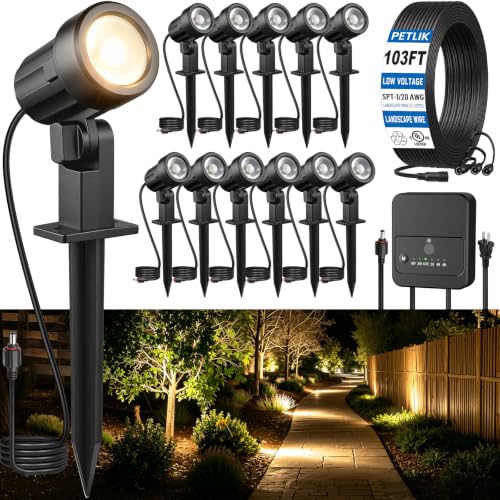


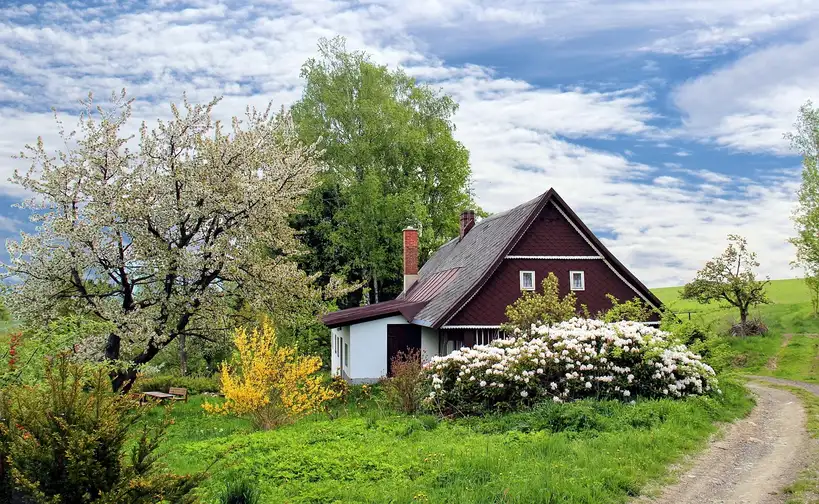
Cottage garden lighting works best when it feels like part of the planting, not a separate system dropped on top. The style is romantic, informal, and layered, so the light should read as soft pools and gentle accents rather than one bright wash across the whole yard. Garden Design identifies cottage gardens as a major garden type and lists lighting as one of the design features that can sit alongside pathways.
Outdoor lighting should also track sun and shade patterns at different times of day, because evening light should follow the same logic. In practice, that means you light the places people use, then add a few focal points. You do not try to erase the dark.
Soft color temperature fits the style
Warm white outdoor LEDs suit cottage gardens because they keep the mood soft and informal. Haven Home Design recommends warm white LED technology for pathway lighting, and that warmer color is easier on the eye than cool white. Cool-blue light tends to feel sharper and more urban, which works against a garden that should look relaxed.
Use warmer light around seating, arches, and planting beds where you want a gentle glow. Save brighter output for paths, steps, and entries where safety matters most.
Layered light beats one bright source
A cottage garden looks better when each zone has a job. Path lights guide movement, uplights pick out a tree or arch, and string lights soften a sitting area. That layered approach keeps the garden informal because no single fixture needs to do everything.
It also avoids the flat look that comes from flooding the whole yard with light. The eye should move from one soft point to another.
How do you light a cottage garden without making it look harsh?
Use separate lighting jobs for paths, seats, and accents, then keep each one modest. Lower output and shielded fixtures help preserve the soft edge that cottage gardens need. The main rule is simple: keep bright sources out of direct sightlines, especially from a porch, window, or gate.
Choose lower output and shielded fixtures
Glare control matters more in a cottage garden than in a formal yard, because planting is dense and paths are often narrow. Use shielded fixtures, aim beams downward, and hide the lamp source behind foliage or a bed edge where possible. When the bulb itself is visible, the garden starts to feel harder and less inviting.
Keep light off neighboring windows and off your own main sightlines. A soft beam aimed into plants is useful; a bare lamp at eye level is not.
Use accents, not floodlighting
Floodlights flatten texture and make every flower bed look the same at night. Instead, use small pools of light to mark a bench, a rose arch, or a gate. A common first-timer mistake is placing one bright fixture at the center of the garden and then trying to make everything else follow it. The result is glare, not charm.
Cottage garden lighting table
| Garden area | Best fixture type | Recommended beam or placement logic | Common mistake | Maintenance note |
|---|---|---|---|---|
| Path | Path lights | Space so the walkway reads as a chain of soft pools; keep fixture height low and use a modest beam spread | Placing lights too far apart or too bright, which creates hotspots and dark gaps | Trim edging plants so they do not bury the fixture head |
| Gate | Low-voltage post or marker light | Place near the latch side so the entry is clear without lighting the whole fence line | Aiming light straight at the face of the gate or the street | Check hinges and plant growth around the post after pruning season |
| Bench | Soft accent light or string lights nearby | Light the seating area indirectly, from above or behind the bench, so faces are not washed out | Putting a bright lamp in direct view of seated guests | Keep shrubs from blocking the backlight |
| Rose arch | Small uplight or hidden accent | Aim through the structure to catch the curve and climbing stems, not the lamp source | Lighting the arch from the front so the bulb is obvious | Re-aim after the climber grows thicker |
| Mixed border | Low accent lights or selective uplights | Pick one or two focal plants, then leave the rest in soft shadow | Lighting every plant evenly, which makes the bed look flat | Seasonal pruning may change what the beam catches |
| Steps | Step lights or low-voltage markers | Place light at the riser or side wall so tread edges are visible without glare | Using a beam that points straight into the eyes | Clear leaf litter so the fixture stays visible |
| Fence line | Low, shielded markers | Use light to define the boundary without creating a bright strip along the whole fence | Overlighting the fence and losing the soft edge of the garden | Check for plant crowding that blocks the beam |
| Focal tree | Uplight | Choose a beam angle that reaches the trunk and canopy without spilling into windows | Using a beam that is too wide or too steep | Re-aim after canopy growth or pruning |
| Statue or birdbath | Small accent light | Let the object catch light from one side so it reads as a quiet focal point | Lighting it from every side and removing its shape | Keep moss, dirt, and plant spill cleared away |
Which lights belong in each garden zone?
Path lights, uplights, string lights, and solar lights each fit a different cottage-garden room. The right choice depends on what the area must do after dark. Paths need guidance. Seating needs atmosphere. Trees and arches need a focal lift. Low-demand corners can often use solar accent lighting.
Path lights for walkways and entries
Use path lights where people need safe direction, especially along curving walks, gate approaches, and narrow routes between beds. Real Homes recommends curving paths in cottage gardens and says they should meander rather than run straight, which means the lighting should follow the bend rather than fight it. A gentle rhythm of fixtures usually works better than a rigid row.
The same source recommends solar-powered bollard lights for walkways, but low-voltage fixtures are often the better choice where you need steadier output. For paths with steps, slippery surfaces, or frequent evening use, choose the more reliable system.
Uplights for trees, arches, and vertical features
Uplights are best for trees, focal shrubs, rose-covered structures, and other vertical accents that give a cottage garden height at night. Pick a beam angle narrow enough to define the feature, then aim it so the light stops before it reaches nearby windows or a neighbor’s view. A slightly off-center aim usually looks more natural than a straight-up beam.
Keep uplights modest. The goal is outline and texture, not a spotlight effect.
String lights for seating areas
String lights work well above a bench, small patio, or dining nook when you want a canopy feel. Use outdoor-rated, weatherproof string lights, and keep them high enough that people can move comfortably underneath. In a cottage garden, they should read as a soft ceiling over the seat zone, not as the main light source for the whole yard.
They are a good choice for lingering spaces, but they should not replace path lighting or entry lighting.
Solar lights for low-demand accents
Solar garden lights can work in a cottage garden, especially for low-demand accent lighting near a gate, a border edge, or a secondary path. They can operate from dusk to dawn when the battery has enough charge, so their output depends on sun exposure and panel placement. They are best where the garden gets good daylight and the light need is modest.
They are less dependable in deep shade, under dense foliage, or in locations that need strong, consistent output. Use them where a soft glow is enough.
-
Map the four zones.
Mark path, seat, bloom, and boundary areas before choosing fixtures. This keeps you from buying lights by type alone and helps each fixture solve one clear job.
-
Place safety light first.
Start with paths, steps, gates, and dark turns first. Those areas need the clearest visibility, and once they are set, you can add accent light without overlighting the garden.
-
Hide the source, not the result.
Set fixtures behind foliage, beside stones, or low in the bed where the lamp itself is less visible. Keep the beam where you want it, but keep the hardware out of direct view.
-
Check glare from every angle.
Look from a window, the gate, and the main path. If a bulb is visible at eye level, shift the fixture, add shielding, or change the beam direction.
How do you light paths, steps, and gates?
Light paths, steps, and gates with enough brightness to guide movement, but keep the look soft and close to the ground. For cottage gardens, the best result usually comes from low fixtures, modest spacing, and beams that skim the walkway instead of blasting it. This preserves the informal feel while still making the route obvious.
Path lights need even guidance
Path lights should guide the eye forward without turning the walk into a runway. A common residential approach is to space them so one pool of light leads to the next, with enough overlap to avoid dark gaps. Keep them low and angled downward, and avoid placing them where a dense plant can swallow the head.
If the path bends, place lights on the outside of the curve or where the line of travel changes. That keeps the route readable.
Steps and thresholds need clear edges
For steps, light the tread edge or side wall so each rise is visible. At a threshold, place the fixture where the step down or up is obvious before a foot lands there. You want clear definition, not a bright patch that forces the eye to adjust.
Gateways need a quiet welcome
Gate lights should help visitors find the entry without flattening the gate, fence, or planting around it. A small marker on one side often works better than a bright fixture on both sides. If the gate is narrow and bordered by dense plants, use shielded light so the beam does not spill into the road or a neighboring yard.
How do you hide garden lighting in dense planting?
Hide fixtures where growth will not bury them, and plan for seasonal change. Cottage gardens fill in fast, so a light that looks visible in spring may disappear behind stems and leaves by midsummer. Aim beams through openings in the planting, not straight into foliage.
Suppose a 12-foot border starts open in spring but closes in by July. A low marker that worked in April may get swallowed by the plants and stop lighting the path. The fix is not to add more brightness; it is to move the fixture slightly forward, raise it a little, or trim the nearest growth.
Think about maintenance access too. Wiring, stake heads, and transformer connections should remain reachable after pruning and mulching. If you cannot reach the fixture without disturbing the bed, the placement is too hidden.
How do you add safety and security without losing the cottage feel?
Add safety light at entries, steps, and dark corners, then keep the rest of the yard calm. A cottage garden does need practical visibility, but it does not need the hard look of perimeter security lighting. Shielded fixtures and careful beam direction can keep the garden usable without making it feel watched.
Use light where movement happens
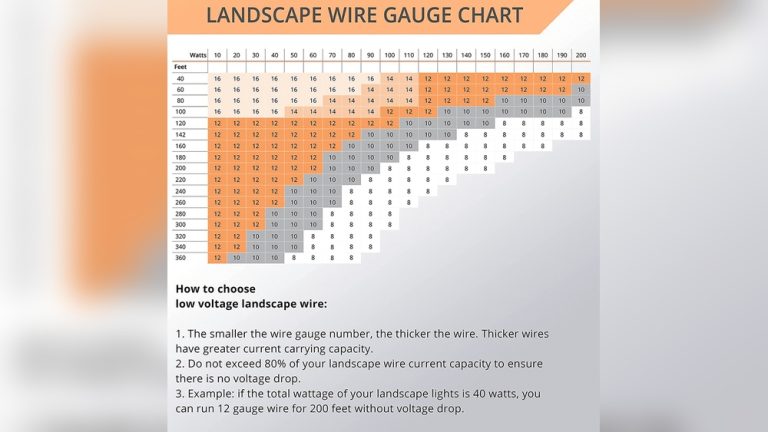
Security starts with the places people enter, turn, or hesitate: the gate, side path, step run, and back corner. Those spots can be lit with low-voltage outdoor lighting, which uses a transformer-based power supply and is generally more DIY-friendly than line voltage. It is a common residential system for this kind of work.
Protect windows and neighbors
Keep beams off bedroom windows, neighboring patios, and sightlines from the street. This matters even more in narrow cottage gardens where planting lines run close to property edges. Use shielding, reduce the angle, or shift the fixture so the useful light lands on the ground or the plant, not on glass.
Garden Design notes that cottage gardens traditionally include fences around them, and that boundary can help contain the light as well. A fence can hide hardware, but it can also catch glare if the fixture is aimed too high, so test the direction from both sides.
Blend practical and decorative light
The best cottage garden security light is usually the one that does two jobs. A path light can guide feet and also frame a bed edge. An uplight can mark a tree and make a back corner feel less empty. That mix keeps the garden useful without turning it into a set of bright zones.
Frequently asked questions
What kind of lights look best in a cottage garden?
Warm white outdoor LEDs usually fit best because they feel softer than cool white and suit the informal mood. Path lights, hidden uplights, and string lights all work well when they are used in small doses. Match the fixture style to the home and garden so the hardware does not dominate the planting.
How do you light garden paths in a cottage garden?
Use low path lights spaced to guide movement along the curve, not to flatten the whole walk in light. Keep the fixtures low, aim them downward, and avoid long gaps between pools of light. Curving paths look best when the lighting follows the bend rather than forcing a straight line.
Should cottage garden lights be warm white or cool white?
Warm white is the better choice for most cottage gardens. It supports the romantic, informal feel and is less glaring than cool white. Cool white can make flowers and stone feel sharper and less natural at night, especially in small spaces with dense planting.
How do you hide garden lighting in a cottage-style yard?
Place fixtures behind plants, beside hard edges, or low in the bed so the source is not obvious. Aim the beam through gaps in the planting, not into leaves. Plan for growth, because dense borders can hide a light in a single season and change the beam direction.
Can solar lights work in a cottage garden design?
Yes, but they work best for low-demand accent lighting rather than every path or step. Solar garden lights depend on sun exposure and battery charge, so shaded borders and heavy planting can reduce output. Use them where a gentle glow is enough and dependable safety lighting is not the main need.