How Many Native Plants Should You Add to a Pollinator Bed?
For a small pollinator bed, plant 5 to 9 native species in groups of 3 to 7, and size the bed so each plant has room at mature spread. Crowding leads to bloom gaps, weak growth, and poor pollinator use. This guide shows how bed size, mature spread, bloom overlap, and your target pollinators set plant count.
Factor bed size and mature spread into your planting count


Start with bed size, then work backward from each plant’s mature width. A 4-foot-wide bed filled with plants that spread 18 inches needs far fewer plants than the same bed planted with compact 8-inch species. The right count comes from mature spread, cluster size, and how much bloom continuity you need through the season.
Start with bed size and mature spread
Use the plant’s final width, not the pot label, to set count. A 1-gallon nursery pot can look small, then become a wide clump in one or two seasons. If the mature width is 24 inches, space plants on roughly that center-to-center interval unless the species needs more airflow or the soil stays wet.
A common first-timer mistake is treating a 10-foot by 2-foot border like a flat grid for tiny transplants. That bed may hold many small natives, but it may only hold a handful of wider species without crowding paths, windows, or neighboring plants.
Choose a cluster size, not one-of-each planting
Repeat a few compatible natives in small clusters instead of scattering one plant of everything. Small clusters fit what small-yard planting guides recommend, and they still need proper spacing. Three to seven plants of the same species usually reads as one patch to pollinators and gives you enough mass for bloom value.
Clustering also makes maintenance easier. You can mulch, water, deadhead, and check for pests around a group without disturbing every plant in the bed.
Adjust the count for bees, butterflies, or hummingbirds
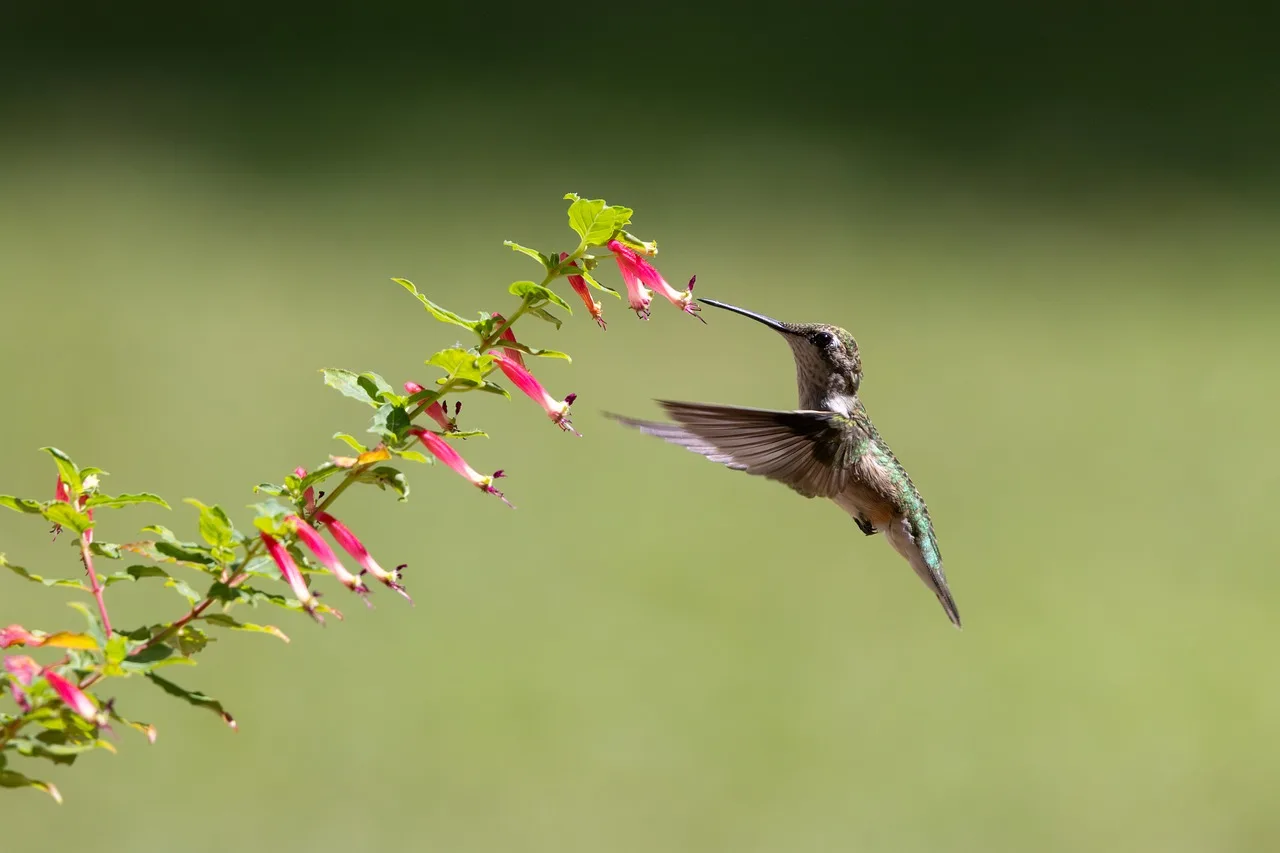
Bees, butterflies, and hummingbirds use a bed differently. Bees often use dense, repeat bloom and pollen-rich flowers; butterflies need both nectar plants and, for larvae, host plants; hummingbirds look for tubular flowers with steady nectar. A mixed bed usually needs more nectar plants than host plants, because host plants fill a narrower job.
If butterflies are the main goal, set aside part of the bed for host species that are verified for your region. If hummingbirds are the target, give priority to tubular natives with staggered bloom and enough open flight space between clusters.
Native plant count calculator
This table gives a starting count for common bed sizes. It assumes you are using locally native plants that fit the site, and it groups them by mature width so you are not counting from nursery pot size. Use the cluster column to keep plants in repeated groups instead of scattering singles across the bed.
| Bed size | Small natives, 8-12 in. wide | Medium natives, 18-24 in. wide | Large natives, 30-36 in. wide | Cluster count |
|---|---|---|---|---|
| 4 x 4 ft | 12-16 plants | 6-8 plants | 3-4 plants | 3 clusters |
| 4 x 8 ft | 24-32 plants | 12-16 plants | 6-8 plants | 4-6 clusters |
| 6 x 8 ft | 36-48 plants | 18-24 plants | 9-12 plants | 6-8 clusters |
| 10 x 10 ft | 60-80 plants | 30-40 plants | 15-20 plants | 8-12 clusters |
Use the table as a planning tool, not a planting order. If the bed has heavy clay, afternoon shade, or poor airflow, stay near the low end of the range. If the site is sunny, well drained, and meant to read full quickly, move toward the higher end without crossing mature spread limits.

How far apart should you space them?
Space native pollinator plants by their mature width, then widen the gaps if the site stays wet, shaded, or hard to reach. For many species, center-to-center spacing close to the mature width gives good coverage without forcing plants to compete too early. Leave enough room for air movement and maintenance access.
Spacing based on mature width
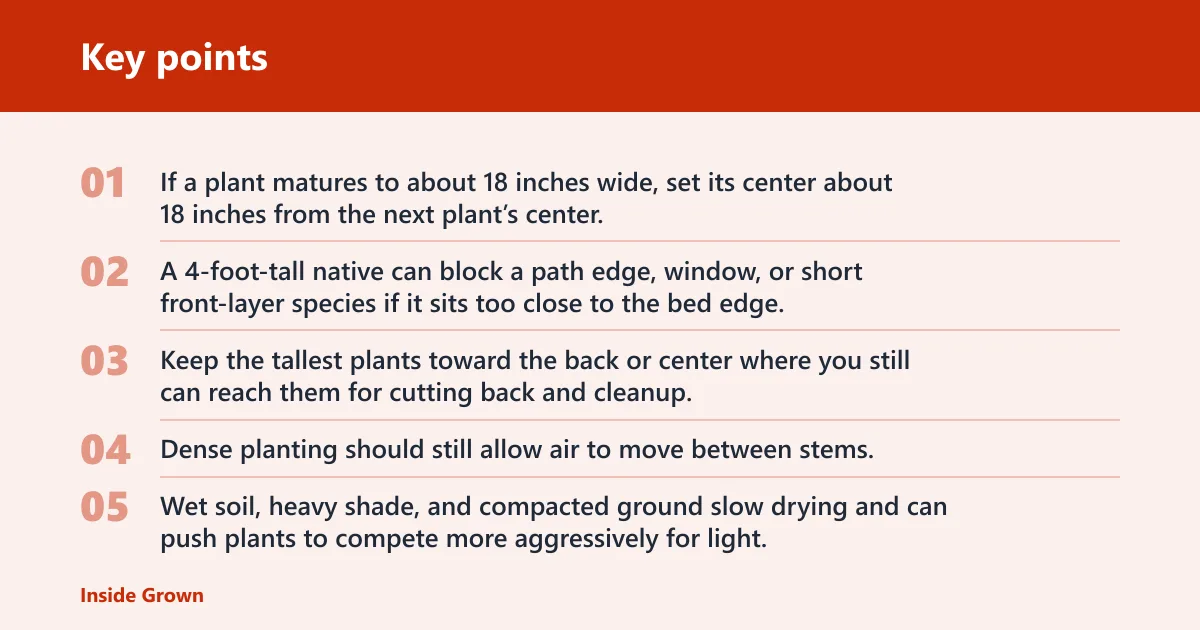
If a plant matures to about 18 inches wide, set its center about 18 inches from the next plant’s center. For 24-inch plants, use about 24 inches. That simple rule keeps you from packing a bed to nursery size and then discovering the plants touch too soon, trap moisture, or bury smaller neighbors.
Taller plants need extra thought. A 4-foot-tall native can block a path edge, window, or short front-layer species if it sits too close to the bed edge. Keep the tallest plants toward the back or center where you still can reach them for cutting back and cleanup.
Airflow and maintenance access
Dense planting should still allow air to move between stems. That lowers disease pressure and makes it easier to water, weed, and remove spent blooms. If a bed is hard to step into, leave a narrow working gap or stagger the tallest clumps so you can reach the center without crushing the rest.
When to widen gaps for wet soil or shade
Wet soil, heavy shade, and compacted ground slow drying and can push plants to compete more aggressively for light. In those settings, widen spacing a little and choose fewer plants with stronger mature spread. Containers dry faster than in-ground beds, so the spacing issue changes there: roots fill the volume sooner, but drainage still has to stay open.
Suppose a 6-foot border gets afternoon shade and stays damp after rain. A compact planting of 18-inch natives may still need extra room so foliage does not stay wet overnight. The same species in full sun could be set a bit tighter because the bed dries faster.
Which native plants should you choose?
Choose locally native plants that match your region and site, then sort them by function. Some plants offer nectar and pollen, some are host plants for caterpillars, and some do both. Those roles are different, and a bed that relies on only one role will leave gaps in food or habitat.
Nectar and pollen plants
For bees and many butterflies, prioritize native flowers that provide nectar and pollen across the season. Aim for a wide mix of bloom times from early spring into late fall, and use mostly native plants. Avoid modern hybrids with double layers when you need easy access to nectar and pollen.
Flower shape matters too. Flat-topped blooms tend to suit many bees. Tubular flowers often suit hummingbirds and some butterflies. The best mix depends on what your region supports and what the site can grow well.
Butterfly host plants
Host plants feed caterpillars, and those needs are species-specific. A plant that offers nectar for adult butterflies may not feed larvae at all. Verify regional host value before you buy, because a host plant that works in one area may not support the butterflies you actually see in yours.
Do not make the whole bed host plants unless that is the main goal. You still need nectar flowers for adults and a layout that leaves room for the plants to mature.
Plants for bees, hummingbirds, and mixed beds
For bees, use repeat patches of nectar and pollen plants with many open flowers. For hummingbirds, concentrate on tubular blooms with successive flowering. For mixed beds, split the bed into functions: some clusters for nectar, some for host plants, and some for seasonal fill so the whole bed does not empty out in one period.
How do you plan bloom timing?
Plan for bloom from early spring through late fall, not one peak month. A bed with spring and summer color but nothing in late summer or autumn can leave a food gap when pollinators still need support. Add plants that bloom in different seasons so the bed keeps offering something useful as weather changes.
Early spring through late fall coverage
Build the bed around staggered bloom windows. Use early bloomers for the first bees, midseason flowers for peak activity, and late bloomers for the long tail of the season. The goal is not equal bloom every week; it is overlap, so one plant starts as another fades.
Filling bloom gaps
Look for weak periods in your calendar, often mid-summer or early fall. Put in gap-filling plants that flower when the bed would otherwise go quiet. That keeps pollinators moving through the bed and helps the planting look intentional instead of stop-and-start.
Mixing perennials and annuals for continuity
Perennials give the bed structure, but annual native flowers can cover a temporary gap while slower plants mature. Use annuals as a bridge, not a substitute for long-term structure. That approach helps a new bed look full while the perennial root systems are still building.
What changes the plant count?
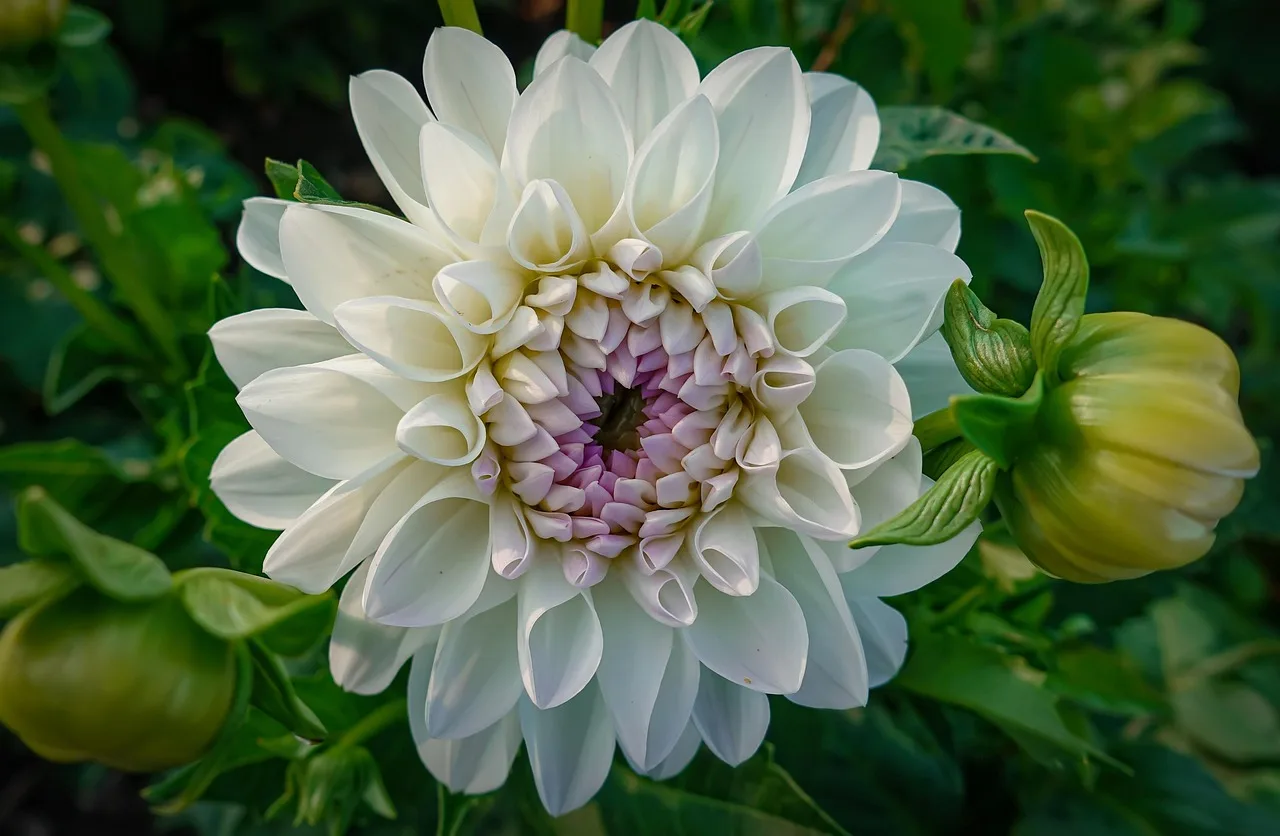
Sun exposure, soil moisture, drainage, and structure type all change how many plants fit and how fast they fill in. Full sun and good drainage usually support denser planting than shade and compacted soil. Raised beds and containers need their own count because the growing volume is smaller and drying patterns differ.
Sun exposure and soil moisture
Full sun usually supports more flowering plants in a given space because many natives bloom more heavily there. Shade often reduces flowering and slows drying, so spacing may need to open up. Soil that stays moist also needs more room between plants to lower disease risk and give roots access to oxygen.
Drainage, compaction, and watering needs
Poor drainage and compacted soil can make a bed fail even when the plant count looks right on paper. Break up compaction before planting, and choose species suited to the actual moisture level. If you must water often, keep clusters a little looser so air still moves after irrigation.
Raised beds, containers, and balcony limits
For a patio or balcony, use the largest practical containers with unobstructed drainage holes. Wet soil is heavy, so check what the structure can safely support before you fill pots or build a raised bed. Containers dry faster than ground beds, so they need closer water checks and smaller plant counts per container.
Picture a 24-inch-deep raised bed on a balcony. One large native in a corner and two smaller natives in front may fit better than four medium plants packed edge to edge, because weight, drainage, and airflow all matter at once.
- Measure the space first. Record the bed’s length and width, then note sun exposure, shade, and whether the soil dries quickly or stays damp. This sets the planting range before you buy anything.
- Pick your main pollinator goal. Decide whether bees, butterflies, hummingbirds, or a mix is the priority. That choice changes the balance between nectar plants and host plants.
- Check mature width. Use the final width of each species, not the pot size, to estimate count and spacing. If a plant matures wide, reduce the number per bed and give it room to expand.
- Group compatible plants. Repeat each species in clusters of 3 to 7 whenever the bed allows it. Small repeated groups are easier for pollinators to find and easier for you to maintain.
- Fill bloom gaps last. Add plants that flower in the missing season after the main structure is set. That keeps the bed active from early spring through late fall.
Native pollinator bed basics
Pollinator beds work better when you keep a few habitat details in mind. Native pollinators are a vital part of the local ecosystem and food chain, and they are linked to bountiful blooms and harvests of many fruits and vegetables. Neonicotinoids are one of the greatest threats to native pollinators, so routine pesticide use should stay out of the plan.
Bare ground and shallow water for native bees
Some native bees nest in the ground, so a bed should not be sealed under thick fabric or permanent cover. Leave a small area of bare, undisturbed soil if the site allows it. A shallow water source with landing stones also helps, because pollinators need safe access without drowning risk.
Leave stems and leaf litter where possible
Not every stem or leaf has to be removed in fall. Some species use stems and leaf litter for shelter or overwintering sites. Keep cleanup selective so you do not erase every hiding place in the bed.
Avoid routine pesticide use
Routine pesticide use works against the point of the bed. If a pest appears, confirm the issue before treating and use the least disruptive option available. Avoid spraying open blooms, because that is where bees, butterflies, and hummingbirds visit most often.
Frequently asked questions
How many native plants should you put in a pollinator bed?
Start with the bed’s square footage and each plant’s mature width, then plant in clusters rather than singles. For a small bed, 5 to 9 native species in groups of 3 to 7 is a practical starting point. Tighten or loosen that count based on airflow, access, and bloom goals.
How far apart should native pollinator plants be spaced?
Space plants by mature width, usually center to center at about the width the plant is expected to reach. Increase the gap if the site is wet, shaded, or compacted. The goal is enough room for airflow and maintenance, not a packed nursery display.
How many native plants do I need for a small native pollinator garden?
For a 4 x 4 ft bed, a small native layout might use 12 to 16 compact plants, 6 to 8 medium plants, or 3 to 4 larger plants. The right number depends on mature spread and whether you want a fuller look or more open space between clumps.
Should a pollinator bed be planted in clusters or scattered?
Clusters are usually better than scattering one of everything. Repeated groups make flowers easier for pollinators to find, improve visual mass, and make watering and cleanup simpler. Keep a few compatible species in small clusters and leave some air between groups.
What native plants attract bees, butterflies, and hummingbirds?
Choose regionally native nectar and pollen plants, then add verified host plants if butterflies are a goal. Bees often favor open, nectar- and pollen-rich flowers; hummingbirds favor tubular blooms; butterflies need both nectar plants and host plants. Always check local native status and site fit first.
Can I mix native perennials and annuals in a pollinator bed?
Yes. Perennials give the bed long-term structure, while native annuals can fill gaps while slower plants establish. Use annuals to bridge bloom gaps, not to replace the bed’s main perennial backbone. Keep the same spacing rules so the bed does not become overcrowded.
What should I do if my pollinator bed is on a patio or balcony?
Use the largest practical containers with drainage holes, and check the weight of wet soil before placing pots on a deck or balcony. Choose compact natives that suit container life, because pots dry faster than in-ground beds and roots have less room. Cluster plants, but do not pack them so tightly that airflow disappears.