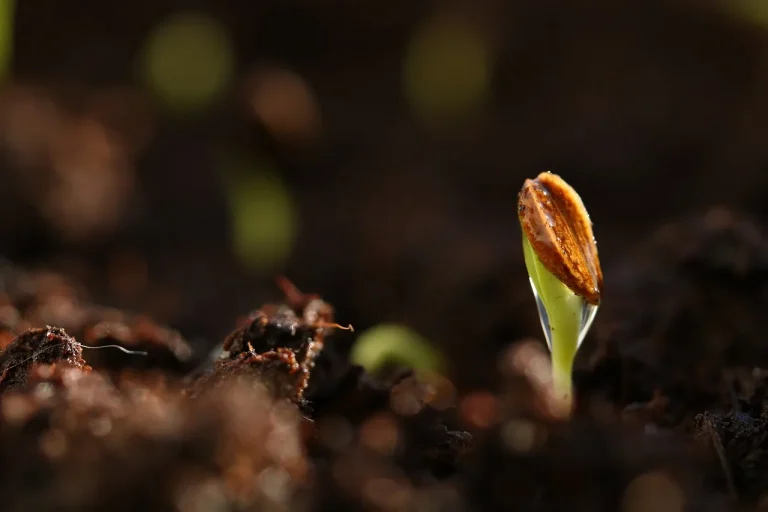
How to Protect Seeds From Pests in the Garden
Choose the barrier by pest: birds need netting or a hard cover, flying insects need fine mesh, slugs need a cover that does not trap wet leaves at the soil line, and rodents need rigid protection that cannot be lifted. Miss the match and seeds are pecked, dug up, or never emerge.
Why do seeds need protection?


Seed-stage protection matters because damage happens before a crop is established. Birds can peck fresh sowings, mammals can dig in loose soil, and slugs and snails can remove tender sprouts as they emerge. Physical exclusion is the most dependable first step for vulnerable seedbeds. (University of Nebraska-Lincoln; RHS)
What should you do first?
Start by identifying the pest, then choose the barrier that blocks that specific damage. Keep light, moisture, and air moving where the seed needs them, while stopping access from above or below. Vigorous seedlings help, but growth support is not the same as protection. (University of Minnesota Extension)
Do healthy seedlings still matter?
Yes. Adequate light, moisture, and nutrition help young plants grow fast enough to outpace pest pressure, but vigor is support rather than armor. If the barrier is wrong or poorly fitted, strong seedlings can still be lost before they establish.
What you’ll need
- Bird netting for seeded beds and young seedlings
- Insect mesh for flying insects such as carrot fly and leaf miners
- Garden fleece for lightweight, breathable protection
- Wire baskets or cloches for small plantings
- Garden staples for pinning fabric edges
- Hoops, pots, rocks, or other weights to keep covers closed
- A watering can or hose with a gentle flow
Which pest are you stopping?
Start with the damage pattern. The right cover depends on whether the problem is pecking, digging, chewing, or feeding through foliage. That choice matters more than the crop name.
Say your lettuce seedbed is scratched open at dawn and the surface looks scattered. That points to birds or small mammals, so a loose layer of fleece will not be enough unless the edges are secured and the cover cannot be lifted.
Birds and pecking wildlife
Birds often leave shallow holes, missing seed, or scattered soil. Bird netting is the first barrier to try because it excludes birds from seedlings and seeded beds when it is secured at the edges. Purpose-sold netting tents can also keep young seedlings from being pecked or pulled out. (RHS; University of Nebraska-Lincoln)
Squirrels, rodents, and other mammals
Digging, missing seed, or opened planting holes usually point to mammals. Use wire baskets or cloches for small plantings, and weight them down with pots or rocks so animals cannot move them. Rigid protection works better than loose fabric here.
Slugs and snails
Chewed cotyledons, slime trails, or vanished sprouts near the soil line usually point to slugs or snails. Use a breathable cover that stays dry and does not press wet foliage against the soil. Slug and snail control works best when exclusion is paired with habitat reduction and direct control at the bed edge. (RHS; University of California IPM)
Flying insects
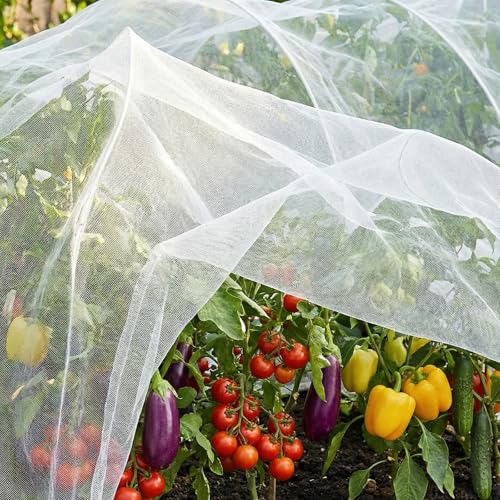
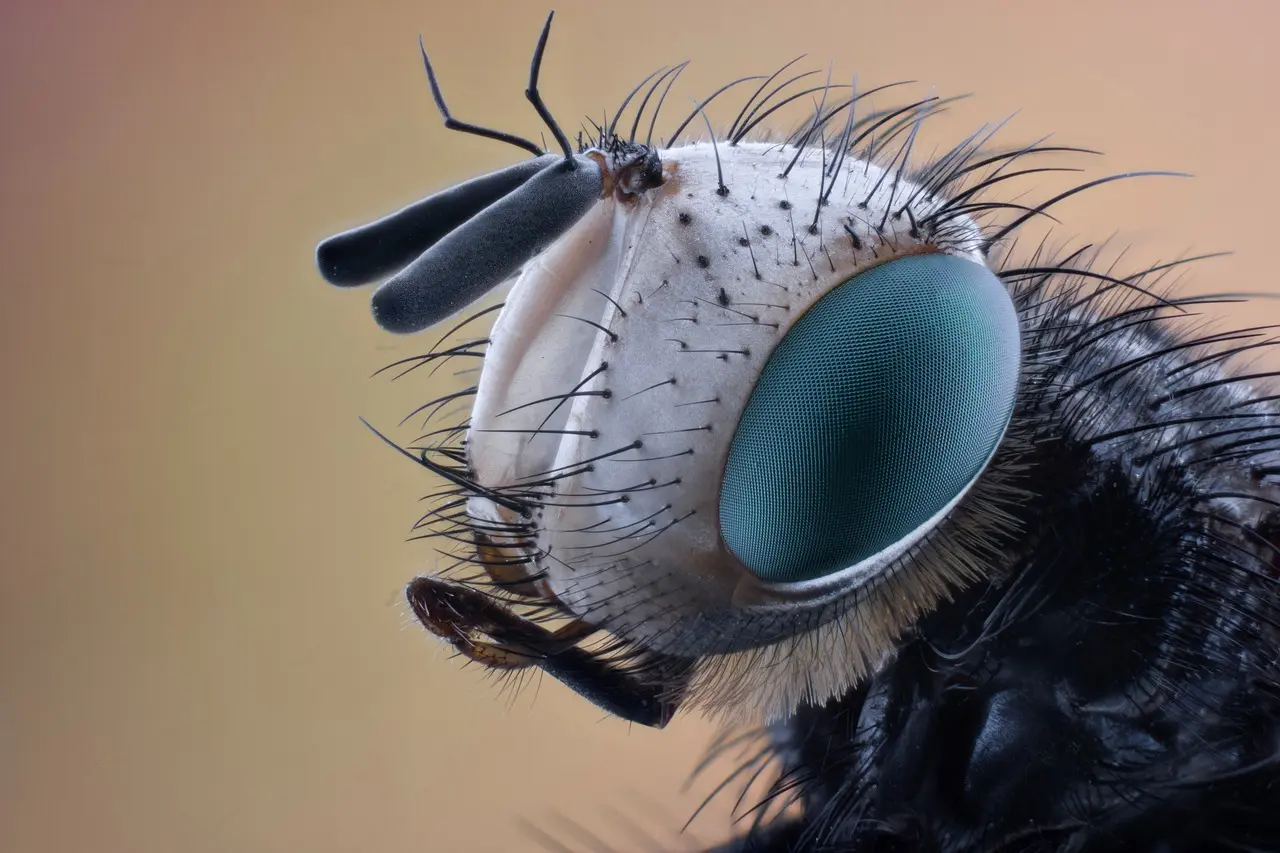
Tiny tunnels, notched leaves, or damage near trays and beds often point to flying insects. Insect mesh blocks flying insects like carrot fly and leaf miners. It should be suspended above foliage, not touching leaves, so it still lets sunlight, air, and rain through. (University of Minnesota Extension)
Seed pest decision table
Use this table to match the pest, barrier, placement, and failure mode before you sow again. The same cover can fail in different ways depending on where it sits.
| Pest | Best barrier | Ideal mesh/cover type | When to install/remove | Crops most at risk | Placement method | Exact failure signals to watch in the first 7 days | Common failure mode |
|---|---|---|---|---|---|---|---|
| Birds | Bird netting or a netting tent | Stiff netting or framed netting tent with small enough openings to exclude pecking birds | Install before sowing or immediately after; remove once seedlings are sturdy enough that pecking no longer reaches the seedbed | Peas, beans, lettuce, brassicas, sweet corn, newly sown lawns | Stretch over the bed or tray and secure the edges | Shallow pecks, scattered seed, lifted corners, net sagging onto sprouts, fresh disturbance at dawn | Loose edges let birds get under the net or snag it |
| Squirrels | Wire basket or cloche | Rigid wire mesh or solid cloche that cannot be dragged aside | Install before sowing and keep in place through early emergence; remove when the planting is no longer easily dug out | Beans, peas, bulbs, large seed, patio pots, shallow trays | Set upside down over the planting and weight it down | Fresh digging, disturbed rows, mesh shifted overnight, soil pushed aside at the edges | Light covers are flipped, slid, or lifted away |
| Rodents | Rigid cover or buried cage | Heavy-gauge mesh, rigid lid, or buried barrier that closes access from above and below | Install before sowing and keep sealed until seedlings are established and less attractive to digging | Sweet corn, peas, beans, bulbs, root crops, tray seeds in exposed spaces | Close access from above and below | Burrows, gnawed seed, open side gaps, soil tunnels under the cover, missing seed overnight | Open sides or unsealed edges leave entry points |
| Flying insects | Insect mesh | Fine mesh sized to exclude target insects while allowing light, air, and water through | Install at sowing or at first sowing-stage risk; remove or lift only when the crop no longer needs protection | Carrots, onions, brassicas, leeks, salad leaves, herbs | Suspend above foliage so it does not touch leaves | Mesh touching leaves, trapped condensation, new pinholes, fresh leaf notching, seedlings flattened by contact | Mesh touching leaves gives insects a path and can stress growth |
| Slugs and snails | Breathable cover plus ground-level control | Light fleece or breathable cover that sheds moisture and stays lifted off wet foliage | Install at sowing; remove or vent when damp conditions create condensation or the crop needs more airflow | Lettuce, beans, brassicas, strawberries, hosta, tender seedlings | Keep the cover dry and the edges flat | Slime trails, ragged cotyledons, missing seedlings, damp shelter under the cover, leaves pressed into wet soil | Wet, covered soil stays attractive and seedlings get damaged at emergence |
How do you protect newly planted seeds?
Put the cover in place before sowing or immediately after, then seal every edge. Newly planted seeds are often hardest to protect during the first 7 to 14 days, before roots and stems have a chance to recover from nibbling or digging.
For direct-sown beds, set the barrier so it does not block light, air, or rain. For trays and pots, use a harder cover if birds or mammals can reach them. Inspect after wind, watering, or animal pressure, because a lifted edge is an open door.
- Choose the barrier for the pest you saw.
- Lay the cover before or just after sowing.
- Secure all edges with garden staples, weights, or both.
- Check that water still reaches the seedbed evenly.
- Recheck after every gust, soak, or soil disturbance.
How do you protect seeds from birds?
Use bird netting over the bed or tray and fasten the edges so birds cannot peck underneath. For small plantings, wire baskets or cloches are better because they are harder to move and easier to store flat or stacked when not in use.
Bird netting works best as a physical barrier over vulnerable plantings. It should be held off the crop and secured at the perimeter so it does not snag on leaves or leave access points. Butterfly netting can also keep birds like pigeons off crops. (RHS)
Bird repellents to protect seeds are part of integrated vertebrate pest management, but there currently are no repellents registered for seed treatment uses. That makes the barrier itself the main line of defense. (UNL)
How do you keep pests out of the garden?
Start with exclusion, then keep the planting vigorous. Physical barriers are the first-line defense against pests, and healthy seedlings are less likely to suffer severe damage when they have enough light, moisture, and nutrition.
Companion plants can help around vulnerable crops. Marigolds, basil, chives, thyme, parsley, and calendula can deter or distract some pests, but they do not replace a cover over fresh seed. Beneficial insects such as ladybugs, lacewings, and hoverflies also help reduce pest populations naturally. (NC State Extension; University of Maryland Extension)
Picture a pea tray on a patio where birds keep pecking the surface. A lightweight fleece may hold for a calm day, but if the tray sits where pigeons land, a fixed edge and a harder cover are the safer choice.
How can you store saved garden seeds safely?
After harvest, keep saved seeds dry, cool, labeled, and protected from pantry pests. Use a sealed container in a stable, low-humidity place, and let seeds finish drying before storage. Add variety and harvest date labels so you can rotate older seed first. (University of Minnesota Extension; University of Illinois Extension)
Avoid warm, damp cupboards and open bags. Check stored seed periodically for moisture, mold, or insect activity, and keep any seed cleaning debris out of the container so pests have less food and less shelter. Good storage extends viability and reduces post-harvest losses.
Seeds from pests check list
The first week after sowing is often the highest-risk stretch. Use this checklist to catch problems before the seedbed fails.
- Day 1: Confirm the cover is sealed and the soil is evenly moist.
- Day 2-3: Look for lifted edges, peck marks, or disturbed soil.
- Day 4-5: Check for condensation, collapse, or mesh touching foliage.
- Day 6-7: Reopen only as needed to inspect germination and reset the cover.
If moisture is low, add water in a light pass and then recheck the bed. If the cover has shifted, reset the edge before the next warm or windy spell.
Common mistakes
Do not let mesh or fleece rest tightly on emerging leaves when the crop needs airflow. Insect mesh should be suspended above foliage, and fleece should stay breathable.
Do not leave gaps at the edges where birds or mammals can get under the cover. Garden staples help pin fabric edges to the ground, and weights keep cloches from shifting.
Do not skip watering checks. Dry seedbeds fail fast, and a cover can hide the problem until germination stalls.
Do not rely on companion planting or beneficial insects as the only defense. They help garden resilience, but they do not stop a bird from pecking seed or a rodent from digging it up.
Do not assume one barrier fits every pest. Bird netting, insect mesh, fleece, and hard covers solve different problems.
Frequently asked questions
How to protect seedlings from pests
Match the barrier to the pest first, then keep it secure. Use netting for birds, insect mesh for flying insects, fleece for light breathable cover, and wire baskets or cloches for mammals. Healthy seedlings still need regular watering and feeding so they can grow past the vulnerable stage.
What prevents seeds from germinating?
Dry soil, waterlogging, soil crusting, poor seed depth, and pest damage can all stop germination. A cover can help or hurt depending on placement: it should keep out pests without sealing in excess wetness or pressing leaves against the soil surface. (University of Minnesota Extension)
Sources
- University of Nebraska-Lincoln, vertebrate pest management resources: digitalcommons.unl.edu
- Royal Horticultural Society guidance on bird netting, slugs, and snails
- University of Minnesota Extension guidance on seed germination and pest exclusion
- University of California Integrated Pest Management guidance on slugs and snails
- NC State Extension and University of Maryland Extension guidance on companion planting and beneficial insects
- University of Illinois Extension guidance on seed saving and storage