Gardening Tips for Watering Schedules by Plant Type
Water by plant type, root depth, and soil moisture: shallow-rooted annuals usually need about 1 to 2 inches a week, while deep-rooted shrubs often need a deep soak every 7 to 14 days. Miss the target and you get wilt, blossom drop, shallow roots, or rot. This guide gives a watering matrix for vegetables, containers, beds, and shrubs, plus a weekly schedule you can adjust for soil and weather.
Why root depth and container size change your watering needs

- Checks moisture, light, and pH
- No battery needed
- Portable for garden or indoor use
One schedule fails because plant groups pull water from different depths and dry at different speeds. Garden Myths says fixed schedules do not work and that you should water when the soil needs it. Mossy Street adds that plant type, soil, sun, and season all belong in the decision.
Root depth matters most. Shallow-rooted annuals and many vegetables use the top few inches first, while shrubs and trees depend on a deeper root zone that dries more slowly but needs a deeper soak when it does dry out. Lawns sit in the middle, with a dense, shallow root mass that reacts quickly to heat and foot traffic.
New plantings versus established plants
Newly planted shrubs, trees, perennials, and vegetables need closer attention than established plants because their roots have not spread into the surrounding soil yet. The first season or first year is the highest-risk window. After establishment, you can water less often, but you still need to water deeply enough to reach the active root zone.
A common first-timer mistake is to water the surface often and stop there. That keeps the top inch damp while the lower root zone stays dry, which pushes roots upward and makes plants weaker in heat.
Why containers need a separate schedule
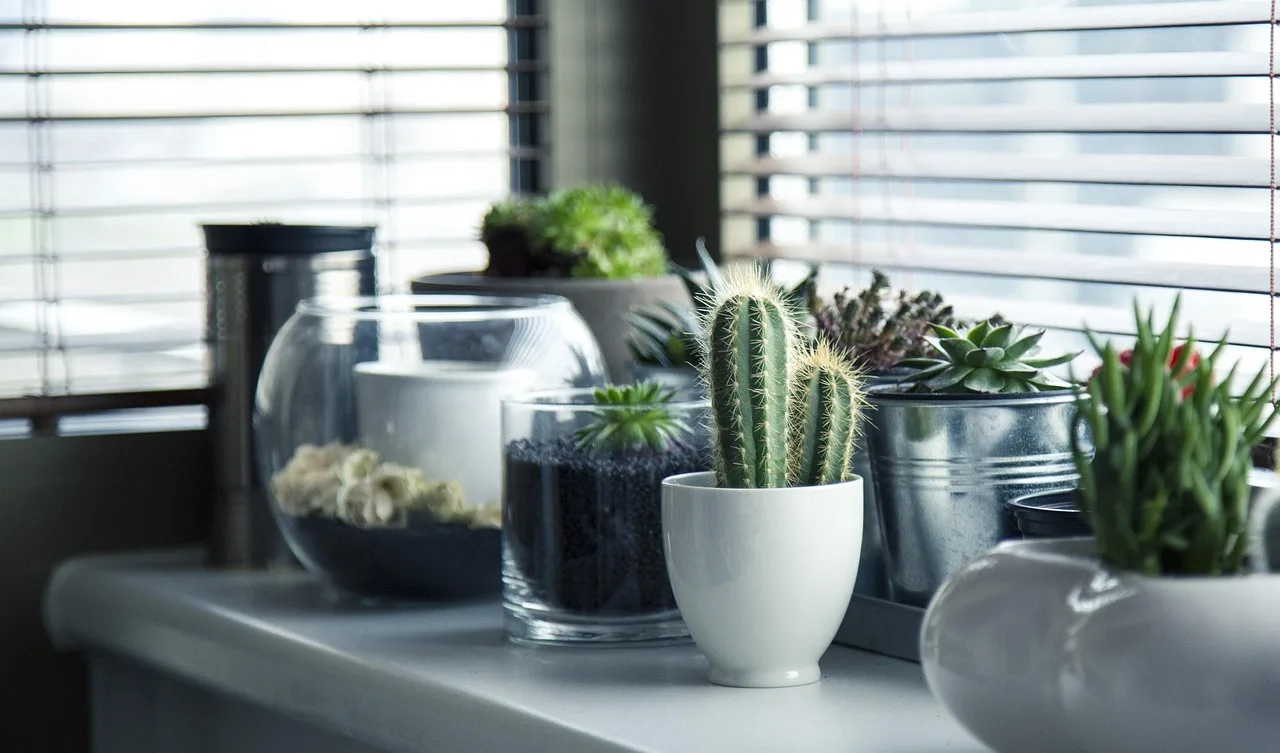
Containers dry faster than in-ground plants because the pot walls and limited soil volume hold less moisture. Mossy Street says containers can need daily watering in summer heat. The exact interval changes with pot size, material, sun exposure, wind, and plant type, so container care should never follow the bed schedule.
Small pots dry fastest. Large containers slow the cycle, but they still need more frequent checks than beds or shrubs.
How do you know when to water?
Use the soil, not the calendar, to decide. Garden Design recommends a finger test, Garden Myths says to check soil by feeling if it is dry a couple of inches down, and that simple check is enough for many beds. For deeper plantings, move beyond the surface and test the root zone.
Finger test and top-inch checks
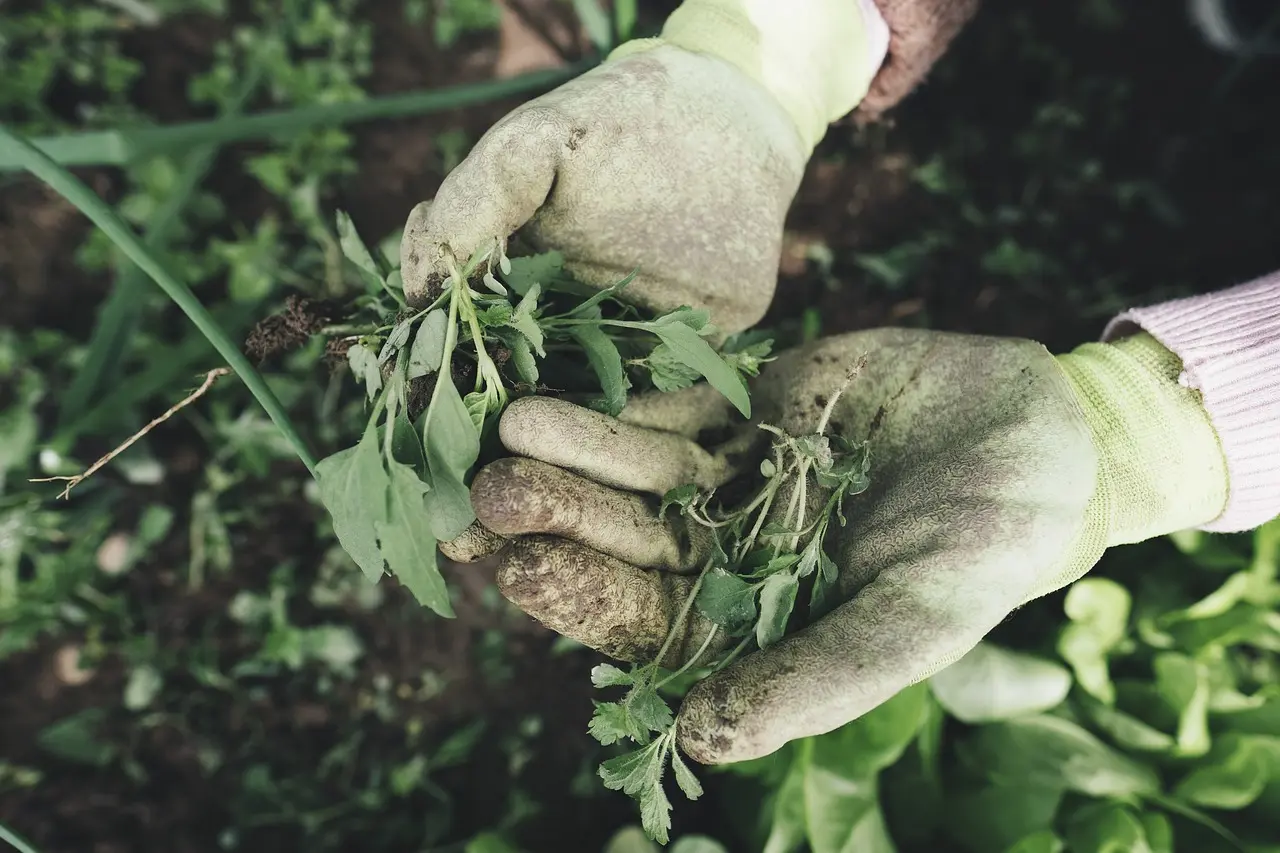
Press a finger into the soil near the plant. If the top inch feels dry and crumbly, many shallow-rooted annuals and containers are ready for water. If it still feels cool and damp, wait.
For beds with mulch, gently move the mulch aside before you check. Mulch can hide a dry surface while the soil below still holds moisture.
Moisture meter readings and what to trust
A moisture meter can help if you use it as one clue, not the only clue. Readings near the root zone are more useful than a quick probe at the soil surface. Compare the meter with a finger check and with the plant type you are growing.
If the meter says moist but the plant is wilting, inspect deeper soil and the roots. Wet soil can still leave roots starved for air, especially in clay or compacted beds.
Chopstick or skewer checks for deeper soil
Push a chopstick or wooden skewer into the soil near the plant, then pull it out. Damp soil clings to the wood; dry soil comes out mostly clean. This works well for containers and for beds where you want to know if the lower root zone has dried, not just the top layer.
Root-zone depth checks for beds, shrubs, and trees
Check below the surface where the roots actually feed. For beds, probe a few inches down. For shrubs and young trees, check deeper soil near the drip line rather than right at the trunk. If the lower root zone is still moist, wait before watering again.
- Clear the mulch or debris. Expose a small patch of soil so you can read moisture instead of the dry surface crust. This matters most in mulched beds and containers with top dressing.
- Check the top and depth. Use a finger for the top inch, then a skewer or meter for deeper soil. Matching both readings gives a better signal than one test alone.
- Match the plant type. Treat shallow-rooted annuals, containers, and new plantings as faster-drying zones. Give shrubs, trees, and established perennials more time between deep waterings if the root zone is still moist.
- Water only when needed. If the top is dry but the root zone is still moist, wait. If both are dry, water deeply enough to wet the active root depth.
How often should you water by plant type?
Use plant type to set the starting interval, then let soil and weather shorten or lengthen it. Deep watering with longer gaps is usually better than frequent, shallow watering, but the right interval still changes by crop group. Morning watering works best because the soil takes it up before heat builds and leaf surfaces dry sooner, according to Mossy Street.
Vegetables and annuals
Vegetables and annuals usually need the tightest watch because many have shallow, active roots and fast growth. A practical starting point is to check them every 1 to 3 days in warm weather, then water when the top inch dries. Fruit set, flowering, and leaf growth can all suffer if the root zone dries out too far.
In heat above 85°F, container vegetables may need daily watering, which is consistent with Zoned Garden. In beds, the same crop may need less frequent but deeper irrigation because the soil volume is larger.
Perennials, shrubs, and trees
Perennials often settle into a middle range once established. Shrubs and trees need less frequent watering than vegetables, but they need a deeper soak when the soil does dry. New shrubs and trees should be checked more often during the first season or first year, then spaced out as roots spread.
For established shrubs and young trees, a deep soak every 7 to 14 days is a common starting range in average weather, then adjusted for soil type and rainfall. That range works only if the root zone stays moist between waterings.
Lawns and mixed borders
Lawns need a different cadence because their roots are shallow and spread over a broad area. In mixed borders, the lawn, the shrub layer, and the flower layer should not all share one runtime. Hydrozones fix that problem by grouping plants with similar water needs.
Mixed borders often fail when the lawn gets a short spray cycle and the shrubs get the same treatment. The grass may stay green while the shrubs never get water deep enough to reach their roots.
Containers in summer
Containers need the closest watch of all common garden zones. The same source says they dry fastest, and Zoned Garden says container vegetables may need daily watering in heat above 85°F. Succulents are the exception; Zoned Garden gives them a spring and summer schedule of every 14 to 21 days.
Pot size matters. A 10-inch pot dries much faster than a large tub, and dark containers in full sun dry faster than light-colored pots in partial shade.
Gardening decision matrix
This matrix turns plant type into a weekly routine. Use the soil test trigger first, then adjust for heat, wind, mulch, and container size. If you have a mixed property, assign each zone its own interval instead of forcing one setting across the whole garden.
| Plant type | Rooting depth | Soil test trigger | Typical interval | Adjustment for heat, wind, mulch, and container size |
|---|---|---|---|---|
| Annual flowers | Shallow, often top 6 to 8 inches | Top inch dry; skewer mostly clean | Every 1 to 3 days | Shorten in heat and wind; lengthen slightly with 2–4 in. mulch; containers may need daily checks |
| Vegetables | Shallow to moderate, often top 8 to 12 inches | Top 1 to 2 inches dry; root zone no longer cool | Every 2 to 4 days in beds | Daily for hot containers; mulch extends interval; wind and reflected heat shorten it |
| Perennials | Moderate, often 8 to 12 inches or deeper | Top inch dry, lower soil beginning to dry | Every 4 to 7 days when establishing | New plants need more frequent checks; mulch slows drying; cool, humid weather can stretch the interval |
| Shrubs | Deeper, often 12 to 18 inches | Lower root zone dry on a probe | Every 7 to 14 days | Deep soak after heat or wind; mulch holds moisture; sandy soil shortens the interval |
| Trees | Deep, often below 12 inches | Root-zone depth check shows drying below the surface | Every 7 to 14 days for new trees | New trees need closer attention; mulch reduces evaporation; large root zones need longer run times, not more frequent shallow water |
| Lawns | Shallow, dense surface roots | Top layer dry and grass losing spring | About 1 to 2 deep soakings per week in warm weather | Heat and wind shorten the gap; sprinkler evaporation rises in dry weather; avoid frequent light sprays |
| Containers | Limited by pot depth | Top inch dry and skewer nearly clean | Every 1 to 3 days; daily in heat for some crops | Small pots, dark pots, and windy sites dry fastest; mulch on top of the potting mix can slow loss |
Say your tomato containers are in full sun on a patio and the top inch is dry by late morning. A daily check is smart in hot weather, because the pot volume is small and the root zone can dry by afternoon. The same tomato planted in a bed with mulch may need less frequent watering, even though the crop is the same.
How do soil, mulch, and weather change frequency?
Soil type and weather can shift an interval by several days. Sandy soil dries faster, clay soil holds water longer, and loam sits in the middle. The same source says sandy soils need shorter, more frequent cycles. After rain or a cool spell, back off. During heat and wind, check sooner.
Sandy soil, loam, and clay
Sandy soil drains quickly and needs shorter, more frequent cycles. Clay holds water longer, so the same plant may need fewer waterings but a longer soak when you do water. Loam usually behaves as the middle ground, which makes it easier to manage but still worth checking.
If you garden on a slope, water can run off before it soaks in. In that case, use longer cycles with pauses between them so the soil can absorb the water instead of losing it downslope.
Mulch depth and moisture retention
Mulch slows surface drying and cuts evaporation, which helps soil hold moisture longer. A typical depth is 2–4 in. Too little mulch loses the benefit; too much can keep the surface overly damp or pile against stems and trunks. Used well, mulch can extend the time between waterings.
Heat waves, wind, humidity, and rain or cool spells
Heat waves and wind pull moisture from soil and leaves faster, so check earlier and expect shorter intervals. Low humidity has the same effect. Rain and cool spells do the opposite; they can stretch the interval, but only if the root zone is still moist when you test it.
Suppose a shrub that usually needs water every 10 days faces a hot, windy stretch with low humidity. Check it after 5 to 7 days instead. That change follows the weather, not a fixed calendar.
What watering method fits each garden zone?
Yes, you can use one property-wide irrigation system, but not one schedule for every zone. Hydrozones group plants by water need so you can match runtime to the zone type: lawn, beds, containers, shrubs, and vegetables. That approach is more accurate than giving every plant the same minutes.
Drip irrigation for beds and vegetables
Drip irrigation delivers low-flow water directly to the soil, so it works well for beds and vegetables. It usually needs a longer runtime than sprays because the output is slower, but the water goes where the roots need it. Most drip systems also need a pressure regulator and a filter to work properly.
Use drip when you want the soil to soak slowly and evenly. It fits mulch-covered beds, rows of vegetables, and shrubs planted in the same bed.
Sprinklers for lawns and broader spray zones
Sprinklers move more water per minute and suit lawns and broader spray zones. Their runtime is shorter than drip, but you need to know the system’s precipitation rate so the soil gets enough water without runoff. They also lose more water to evaporation, especially in heat and wind.
Sprinklers are less precise for beds and containers. They can wet foliage and soil outside the target area, which wastes water and makes soil moisture harder to judge.
- Group plants by need. Put lawn, shrub, vegetable, and container areas into separate hydrozones. This keeps runtime matched to root depth and drying speed.
- Set each runtime separately. Give drip zones longer runs and sprinkler zones shorter runs, then adjust by precipitation rate or emitter flow. The goal is a deep soak, not surface wetting.
- Recheck after weather shifts. Shorten runtimes after rain or cool weather. Lengthen or repeat them after heat, wind, or rapid drying in containers.
Common watering mistakes and stress signals
Wilting does not always mean drought. Wet soil can also cause wilting if roots lack oxygen or have begun to rot. Blossom-end rot points to irregular moisture, especially in tomatoes and peppers. Leaf scorch often follows drought, wind, or root stress, but it can also appear after poor watering timing.
| Failure case | Most likely watering mistake |
|---|---|
| Wilting | Either underwatering or overwatering that leaves roots unable to take up water |
| Soggy soil | Watering again before the root zone dried, or using too little drainage pause on clay soil |
| Blossom-end rot | Watering swings from dry to saturated instead of steady moisture |
| Leaf scorch | Too little water during heat or wind, or shallow watering that never reaches the root zone |
Frequently asked questions
How often should I water different types of plants?
Start with plant type, then adjust for soil and weather. Annuals and vegetables usually need the closest checks, perennials sit in the middle, and shrubs and trees need deeper but less frequent watering. Containers need the most frequent attention because they dry faster than in-ground plantings.
How do I know when to water instead of following a schedule?
Use the finger test, a moisture meter, or a skewer to check the soil. If the top inch is dry for shallow-rooted plants, or the root zone is dry for shrubs and trees, water. If the soil is still moist at depth, wait even if the calendar says otherwise.
Do vegetables need more water than perennials?
Usually, yes. Vegetables often have shallower roots and faster growth, so they need more frequent checks and more regular moisture than many established perennials. In hot weather, container vegetables can need daily watering, while established perennials may wait several days longer if the root zone stays moist.
How often should container plants be watered in summer?
Many containers need water every 1 to 3 days in summer, and some need daily watering in heat. Pots dry faster than beds, so check the top inch and the lower mix, not just the surface. Small pots, dark pots, and windy sites usually need the most frequent checks.
What is the best time of day to water the garden?
Morning is generally best. The same source says early morning cycles reduce evaporation and foliar disease. Watering early also gives the soil time to absorb moisture before the day heats up. Evening watering can leave leaves wet longer, which is less desirable for many garden plants.
Can I use the same watering schedule for every garden zone?
No. A lawn, a mulched shrub bed, a vegetable row, and a container group each dry at different rates and need different runtimes. Hydrozones let you match watering to each zone’s plant type, soil, and delivery method, which is more reliable than one shared schedule.