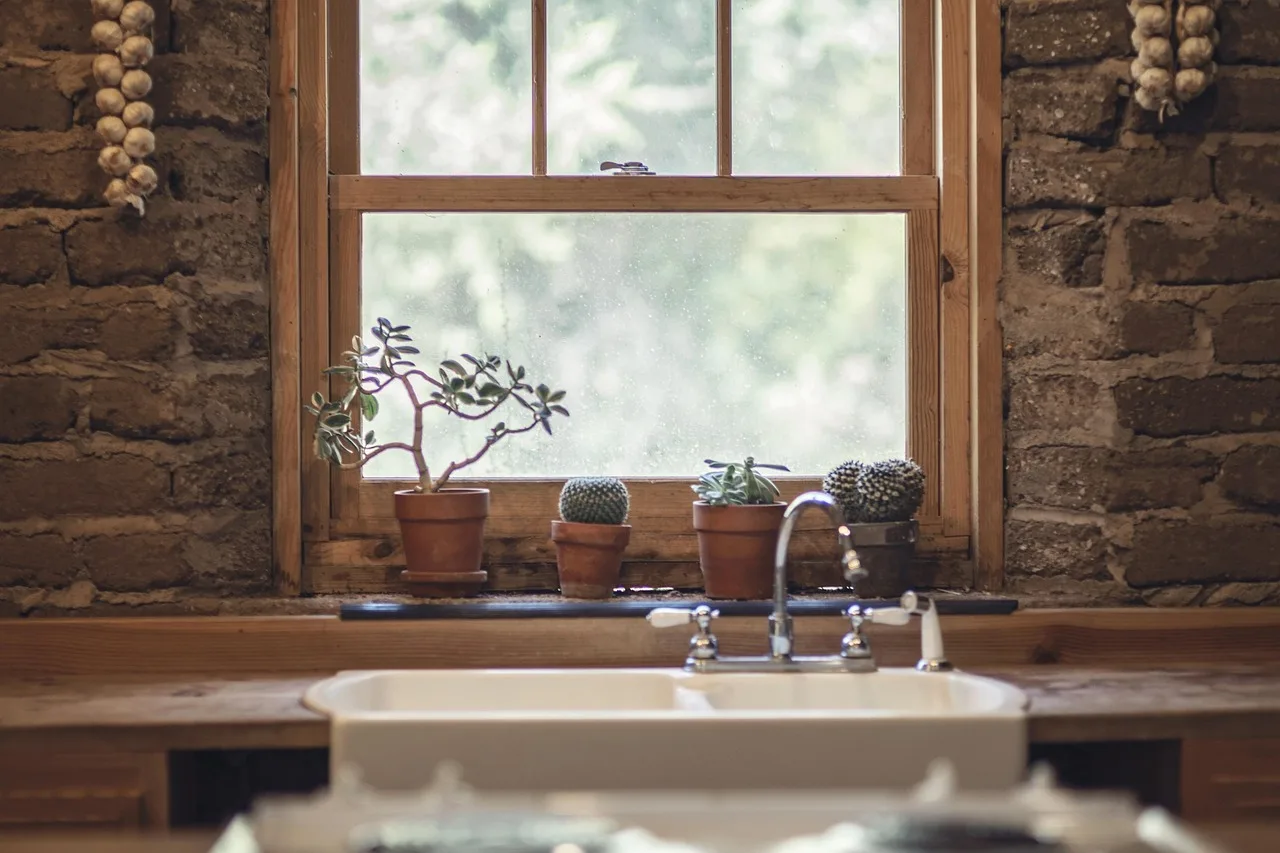
Gardening Tips for Beginners Growing Succulents Indoors
Choose a succulent for the light you already have. South or west windows suit sun-loving types like echeveria and jade, while haworthia and gasteria handle dimmer indoor light better. Weak light and too much water drive rot, stretched growth, and pest problems. This guide shows how to pick the right plant, set the potting mix, and follow a simple water routine indoors.
What you’ll need



- A starter succulent such as jade, aloe vera, echeveria, kalanchoe, sedum, graptosedum, or agave
- A pot with drainage holes
- Cactus and succulent potting soil
- Pumice or coarse sand for extra drainage
- A watering can or squeeze bottle with a narrow spout
- A bright window, or a grow light if your home is dim
How to start succulents indoors for the first time
Start by matching the plant to the light you already have. These plants hold water in thick leaves or stems, so they can go longer between drinks, but wet roots fail fast. The safest beginner setup is a bright window, a pot with drainage holes, and a fast-draining mix that dries completely between waterings.
Simple setup steps
- Pick the brightest window in your home.
- Choose a succulent that fits that light level.
- Use a pot with drainage holes.
- Fill it with cactus and succulent potting soil.
- Plant at the same depth as the nursery pot.
- Water once, then let the mix dry fully before watering again.
Say your only strong light is a west-facing window and your pot has no drainage hole. That is a bad match on two counts. Swap the container first, then choose a sun-tolerant type such as jade or echeveria instead of forcing a low-light plant into a wet pot.
Which succulents fit your light?
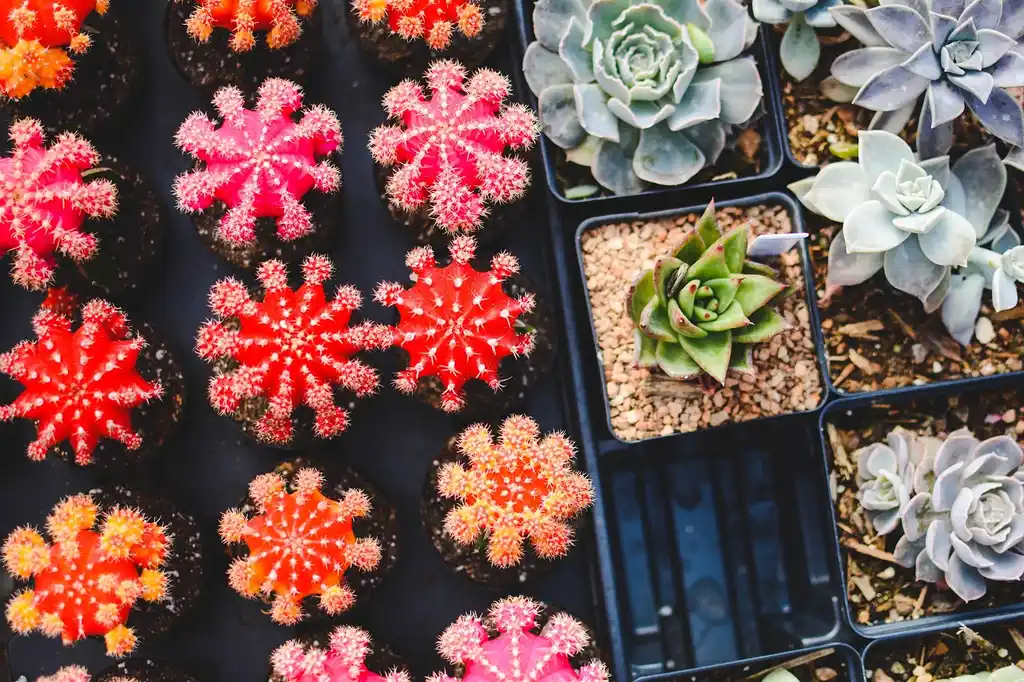
Light comes first because species differ. South- and west-facing windows are often among the best indoor spots for many succulents, and strong light for about 6 or more hours may help compact growth and color. Lower light can keep a plant alive, but it usually produces longer stems, wider spacing, and weaker color.
Beginner light guide
| Indoor light level | Best succulent types | Pot/soil setup | First-month watering cadence |
|---|---|---|---|
| Bright direct light | Echeveria, jade plant, aloe vera, sedum | Pot with drainage holes; cactus and succulent potting soil mixed with pumice or coarse sand | Water deeply, then wait until the mix dries fully; often around every 10 to 14 days in active growth |
| Bright indirect light | Kalanchoe, jade, aloe, some graptosedum | Drainage holes still preferred; fast-draining mix with extra pumice | Water only after full dry-down; usually less often than bright direct light |
| Low light | Few succulents do well here; avoid sun-hungry types | Use the driest, fastest-draining setup you can manage, and consider a grow light | Stretch watering farther apart, but do not keep the soil lightly wet |
Echeveria has a rosette shape with thick, plump leaves, and it is a popular indoor type when the window is strong. Jade plant, Crassula ovata, has glossy, egg-shaped leaves and is one of the better beginner choices. Aloe vera also fits many homes because it forms rosette leaves and tolerates indoor culture when the pot drains well.
Low-light apartments are the hardest place to keep succulents compact. If you cannot give a plant several hours of direct sun, choose fewer succulents, move the pot closer to the brightest glass, or add a grow light rather than hoping weekly watering will solve poor light.
How do you pot them correctly?
The pot and mix matter as much as the plant. Drainage holes are required or strongly preferred for indoor succulent pots because they prevent standing water at the roots. Cactus and succulent potting soil is a fast-draining mix meant for containers, and it is often improved with pumice or coarse sand to lower root rot risk.
Potting steps
- Cover the drainage hole only if needed to keep soil from escaping.
- Fill the pot partway with cactus and succulent potting soil.
- Set the plant so the base sits at the same height it had before.
- Add mix around the roots and press lightly, not tightly.
- Water once until excess runs out the bottom.
- Empty any runoff immediately.
Check the dry-down speed after potting. If the mix is still damp several days later in a bright window, it is holding too much water. Add more pumice or move to a smaller pot, because oversized containers stay wet too long for succulents.
How often should you water succulents indoors?
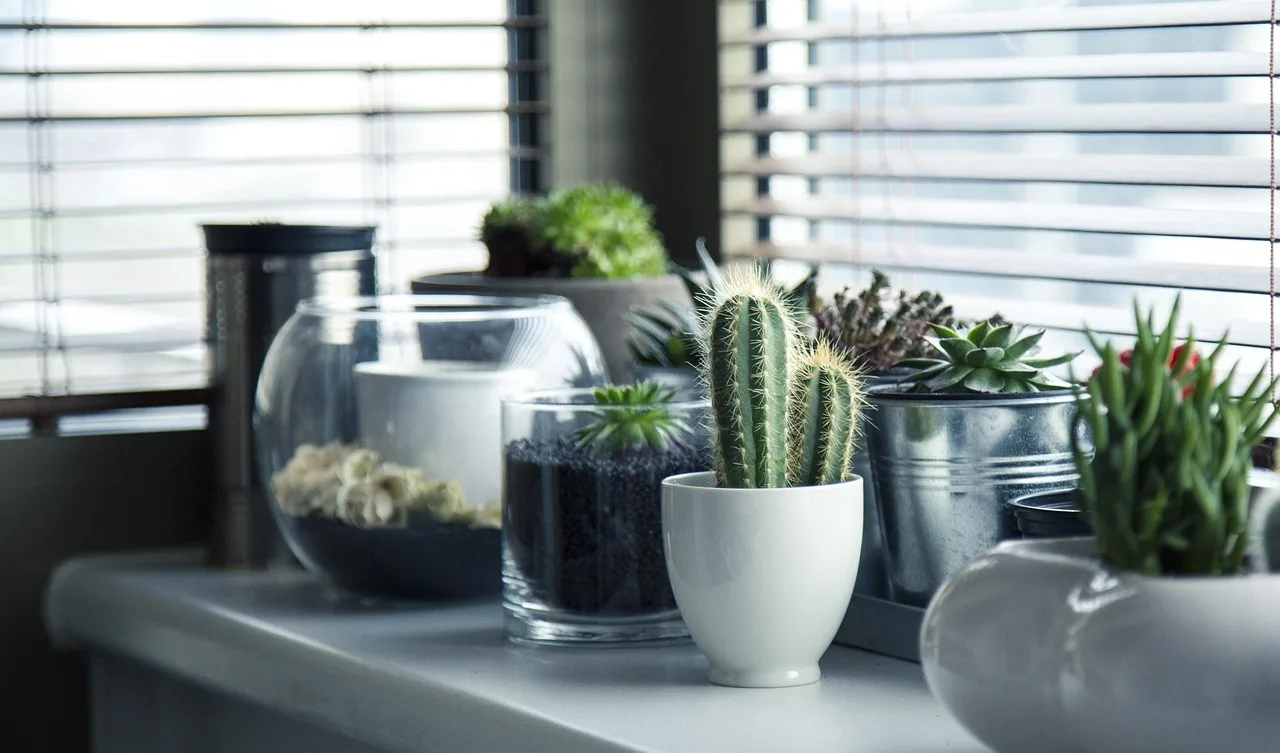
Water deeply, then let the soil dry fully before watering again. That is the core rule. Overwatering is the most common way these plants fail, and damage usually starts in the roots long before the leaves show it. Water more often during active growth and less in winter, when indoor light and temperature usually slow the plant down.
Use the deep-watering method
- Check the mix with a finger or wooden stick.
- Only water when the pot is dry all the way down.
- Pour water evenly until it runs from the drainage holes.
- Wait 5 to 10 minutes, then empty the saucer.
- Recheck the pot in a few days if the room is cool or dim.
A common first-timer mistake is giving a little water every few days. That keeps the root zone damp. A better rhythm is one full soak, then a complete dry-out. Fine Gardening suggests six or more hours of sun for succulents, and brighter light usually speeds drying enough that the plant can take a full drink more safely.
Suppose a 4-inch jade sits in a south window and the mix dries in about 10 days. Give one thorough watering, then wait until the pot feels light and the soil is dry again before repeating. In winter, the same plant may need longer gaps because growth slows and evaporation drops.
First-month watering decision table
| Condition | Action | What to watch |
|---|---|---|
| Bright direct light, warm room | Check every 7 to 10 days | Pot weight and full dry-down before watering |
| Bright indirect light | Check every 10 to 14 days | Dry soil all the way through, not just at the surface |
| Winter or low light | Check less often | Longer dry periods and slower growth |
Common mistakes
Most indoor succulent problems trace back to three things: too little light, too much water, or pests getting a foothold in a stressed plant. Leaf drop, mushy stems, and stretched growth are signs to adjust light, water, or soil before the plant declines further.
Failure symptoms and fixes
| Symptom | Likely cause | Fix |
|---|---|---|
| Stretched stems with wide gaps between leaves | Insufficient light | Move to a south or west window or add a grow light |
| Mushy stem or soft base | Overwatering and root rot | Stop watering, unpot the plant, trim damaged roots, and repot in dry fast-draining mix |
| Leaves dropping off | Water stress, root damage, or low light | Check roots and light first, then change the watering gap |
| White cottony clusters | Mealybugs | Isolate the plant and treat with gentle insecticidal soap |
| Raised bumps on leaves or stems | Scale insects | Remove visible insects, isolate the plant, and repeat treatment as needed |
Mealybugs and scale insects are common succulent pests, especially on plants already weakened by low light or soggy soil. Inspect leaves and stems closely, separate any affected plant from the rest, and use gentle insecticidal soap when appropriate. A stressed plant invites repeat infestation if the growing conditions stay wrong.
If that didn’t work, try this next
- Move the plant closer to the brightest window you have.
- Increase airflow around the pot by leaving space around it.
- Remove the plant from the pot and check the roots for rot.
- Cut away damaged roots and repot in dry cactus mix.
- Inspect the undersides of leaves and the stem joints for pests.
Prevention is straightforward: use a pot with drainage holes, plant in fast-draining cactus and succulent potting soil, and water only after full dry-down. That routine keeps roots from sitting wet long enough to rot.
Picture an echeveria on a bookshelf three feet from a north window. It may stay green for a while, but the leaves will spread apart and the rosette will flatten. Move it to a south window, and the next new growth usually stays tighter if the watering routine also stays dry between soakings.
Frequently asked questions
How do I grow succulents indoors for the first time?
Start with a sunny window, a pot with drainage holes, and cactus and succulent potting soil. Pick a beginner type such as jade, aloe vera, or echeveria. Water deeply only after the mix dries fully. If the window is dim, add a grow light before trying to water more often.
What is the best soil for indoor succulents?
Cactus and succulent potting soil is the right base because it drains faster than standard houseplant mix. For containers, mix in pumice or coarse sand if the blend still holds water too long. The goal is a medium that drains quickly and dries fully between waterings.
How much sunlight do succulents need indoors?
Many indoor succulents need bright direct light, and six or more hours is a useful target for compact growth and color. South- and west-facing windows are usually the strongest indoor spots. If a plant stretches or leans, move it closer to the glass or use a grow light.
Why are my indoor succulents turning green or dying?
Green, stretched, or collapsing growth usually points to low light, overwatering, or both. Move the plant to a brighter window, switch to a pot with drainage holes, and let the soil dry fully before the next watering. If stems are mushy, check the roots right away for rot.
Do succulents need drainage holes in indoor pots?
Yes, drainage holes are required or strongly preferred. They let extra water escape and help the mix dry faster, which lowers the chance of root rot. If a decorative cachepot has no hole, keep the plant in a nursery pot inside it and empty any collected water after watering.
How do I stop overwatering succulents indoors?
Use the deep-watering method, then wait for full dry-down before watering again. Move the plant to brighter light if the pot stays wet for too long. In winter, stretch the gap between waterings because growth slows. A fast-draining mix and a pot with drainage holes do most of the work.