Gardening Tips for Growing Salad Greens All Season
Keep salad greens productive by sowing in small batches, harvesting in a way that preserves the growing point, and shifting the crop mix as temperatures change. Cool-season greens carry spring and fall, while shade, moisture, and row cover help bridge hotter or colder stretches. That rotation keeps one planting from finishing all at once.
How do you keep salad greens producing all season?


Use staggered sowing instead of one big planting
The easiest way to keep harvests going is to treat salad greens as a rolling crop, not a one-time planting. Start with a small sowing, then repeat once the first seedlings are established or the first cut regrows. That keeps young plants, harvest-ready plants, and replacement plants overlapping in the same bed or container.
A common first-timer mistake is planting one full packet at once. The crop then matures together, the weather shifts, and the whole bed bolts or finishes at the same time.
Match crop choice to the season
Cool-weather crops do the best work in spring and fall, while heat pushes many greens to flower and turn bitter. Lettuce can handle some partial shade, spinach belongs in the shoulder seasons, and kale can keep producing after frost and repeated outer-leaf harvests. Put the most bolt-prone crops earliest in spring and again late in the season.
Harvest in ways that keep plants leafing out
For loose-leaf lettuce, many salad mixes, and young kale, harvest outer leaves or use cut-and-come-again cuts above the crown. That leaves the growing point intact so the plant can push more foliage. Avoid stripping a plant bare unless it is being pulled for a full reset.
What does the salad greens succession grid look like?
Use this as a text-only planting map for a rolling salad bed. It compares what to sow, when to repeat it, how to harvest, where bolting is most likely, and which season-extension tool helps most. The rows are arranged by the season when each sowing fits best, so it is easier to decide when to replant and whether a bed or container makes more sense.
| Crop type | Sowing interval | Harvest method | Bolt risk | Season-extension tactic |
|---|---|---|---|---|
| Lettuce | Every 10 to 14 days in spring and again in late summer | Cut-and-come-again or outer-leaf picking | Moderate to high in heat | Afternoon shade, row cover for cool spells, and transplants for late starts |
| Spinach | Every 10 days in early spring and fall | Outer-leaf harvest or whole-plant cut at baby size | High in warm weather | Row cover for early spring, quick re-sowing in shoulder seasons |
| Kale | Every 2 to 3 weeks for steady leaf supply | Pick outer leaves first | Lower than lettuce or spinach | Row cover for frost, long fall harvests, and overwinter protection where climate allows |
| Loose-leaf lettuce mix | Every 10 to 14 days from cool spring into early summer shade | Cut young plants at 2 to 4 inches | Moderate | Move containers to brighter morning light and cooler afternoon shade |
| Baby salad mix | Every 7 to 10 days in small patches | Shear at baby-leaf stage | Depends on species mix | Use cloche protection early, then shade in warm periods |
Early spring: start cool crops first
Begin with lettuce, spinach, and a small patch of kale as soon as soil can be worked. Early spring is when cool conditions support steady leaf growth and slow bolting. If nights stay chilly, row cover can warm the microclimate enough to speed emergence and protect new seedlings from wind.
Late spring: shorten the interval
As days warm, reduce the size of each sowing and keep the interval tight. Lettuce may still perform in a bright site with partial shade, but spinach should be treated as a fast window crop. Replace harvested sections quickly so young plants are not waiting in the ground while the weather gets hotter.
Summer: shift to heat management
Summer is the stress test. Use afternoon shade, keep soil evenly moist, and favor the more bolt-resistant greens in the hottest stretch. If a lettuce patch starts stretching or tasting bitter, harvest it hard and replant with a heat-tolerant mix in a cooler spot or container that can be moved.
Fall: reset for a second peak
Fall is the best chance to rebuild production. Cooler nights slow bolting, and many leafy crops regain quality after summer heat. Sow a fresh round of spinach, lettuce, and kale in small batches, then protect young seedlings from early cold snaps with row cover or a cloche.
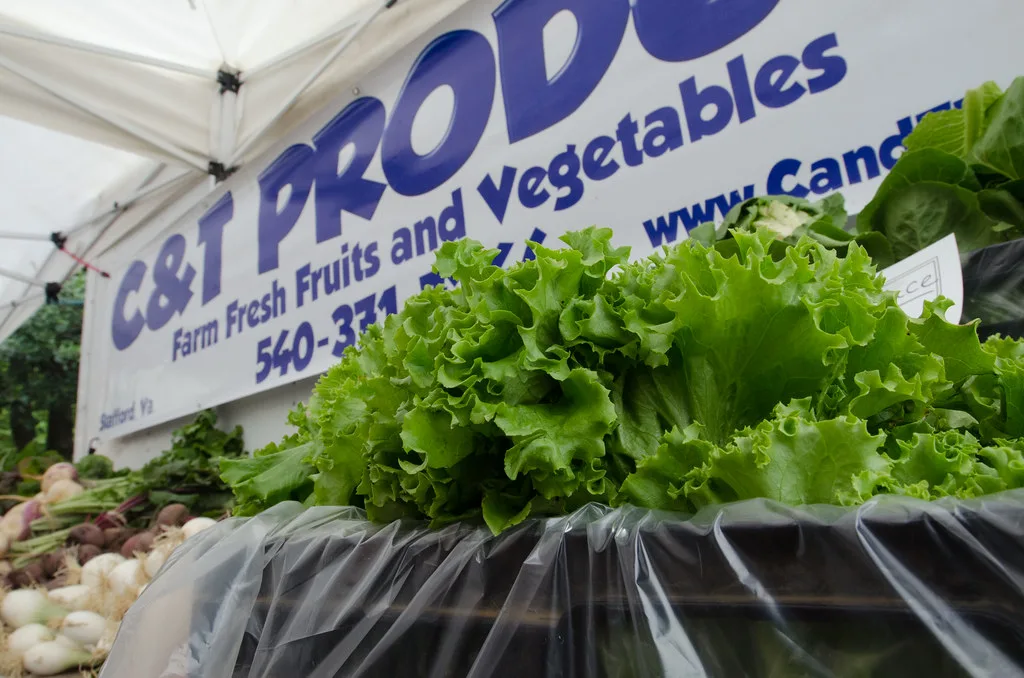
Which greens fit each season?
Choose greens by heat tolerance and harvest style, not just by flavor. Lettuce gives you fast spring and fall harvests, spinach is best in short cool windows, and kale keeps producing longer through frost and repeated leaf picking. That split matters more than any single planting calendar.
Lettuce for cool starts and partial shade
Lettuce is a good first crop because it can be started from seed or transplants in beds or containers. If a garden gets only 4 to 5 hours of sunlight, lettuce is one of the leafy greens that can still fit there, especially in warmer weather when a bit of afternoon shade helps. Direct sow for an even patch or set transplants where you need a faster start.
Spinach for shoulder-season harvests
Spinach is a cool-season crop that bolts quickly in heat, so keep it in the spring and fall windows. Tight succession sowing matters more here than with kale because one warm spell can end the useful harvest period. Sow a little at a time and plan to replace it quickly once the crop matures.
Kale for frost and repeat picking
Kale tolerates frost better than many salad greens and keeps yielding when you harvest outer leaves first. That makes it a steady anchor crop for the back end of the season. It is also one of the better choices when you want a bed to keep producing after the first round of lettuce is finished.
How much sun and shade do salad greens need?
Leafy greens do well with less direct sun than many fruiting crops, especially when temperatures rise. A site with 4 to 5 hours of sunlight can still support lettuce, spinach, and kale, and afternoon shade often improves quality by slowing stress. In cooler weather, brighter light supports faster growth.
When full sun helps
Cool spring and fall conditions let greens use more sun without heat stress. In that window, a bright site supports faster growth, firmer leaves, and shorter gaps between sowing and harvest. Full sun is most useful when the weather is cool enough that plants are not racing to flower.
When afternoon shade helps more
As temperatures rise, afternoon shade can be more valuable than all-day sun. Lettuce in particular can hold quality better when it gets morning sun and a cooler afternoon. A small yard fence, a taller crop nearby, or a moveable container can all create that softer light.
How to move containers for better light
Containers let you shift your greens as the seasons change. Place them in a bright morning spot early in the season, then move them to filtered light or a cooler patio edge when heat builds. That simple adjustment can slow bolting without changing the crop plan.
Raised beds and containers for salad greens
Raised beds and containers both work well for leafy greens because they give you better soil control, easier access, and quicker drainage. A first planting can be modest, and the real goal is enough room to keep sowing small batches, watering evenly, and harvesting without crowding the canopy.
Choose a 4×4 or 4×8 raised bed
A 4×4-foot bed is a manageable starter size, while a 4×8-foot bed gives more room for repeated sowings and quicker replacement plantings. Raised beds drain fast and are easier on the back, which matters when you are watering often and harvesting small leaves frequently. A taller bed can reduce bending while tending plants.
Use tubs, totes, and other containers with drainage
Containers work well for patio and small-space salad production if they have drainage holes and enough depth for roots and moisture buffering. An old bread box with holes punched in the bottom is one example of a repurposed container that can work for leafy crops. A recycling tote can also work if drainage is reliable and excess water can escape fast.
Space plants so air can move
Keep spacing loose enough for leaves to dry and air to move through the canopy. Crowded greens hold moisture longer, which invites disease and makes heat stress worse. In mixed salad boxes, give larger plants enough room to expand while using smaller sowings to fill gaps between harvests.
Say your patio has one long container and only morning sun. You can sow lettuce in one half, kale in the back half, and keep a second small sowing ready in a separate pot for replacement. When the lettuce starts slowing down in heat, shift the container one step deeper into shade and replant the open space.
What soil mix keeps leafy greens growing?
Leafy greens need nitrogen-rich soil to produce steady foliage. Use compost or an enriched planting mix before sowing, then keep the root zone evenly moist so the plants do not stall. If you reuse potting soil, refresh it before another round so the next crop has enough nutrition and drainage.
Build nitrogen-rich planting soil
Greens respond best to a soil mix that supports leafy growth rather than flowering or root storage. Mix in compost before planting, or use a fertile bed that has been refreshed between cycles. If the soil looks tired, thin, or dry, add organic matter before the next sowing rather than after growth has already slowed.
Refresh depleted potting mix before reuse
Depleted potting mix should not be reused as-is for another round of salad greens. Replenish it with fresh compost or another nutrient source before replanting, then check drainage so the container does not stay soggy. A mix that has already fed one crop often needs both fertility and structure restored.
Water evenly to reduce stress and bolting
Uneven water is one of the fastest ways to trigger weak growth and premature bolting. Keep the soil consistently moist, especially in containers that dry out more quickly than beds. If a hot spell is coming, water in advance so the crop enters the heat with less stress.
Suppose spinach in a 12-square-foot bed stops growing after a dry, windy week. The likely fix is not more seed right away. First water deeply, add shade, and wait for the existing plants to recover; then re-sow only the bare strip that failed.
How do you keep salad greens producing all season in practice?
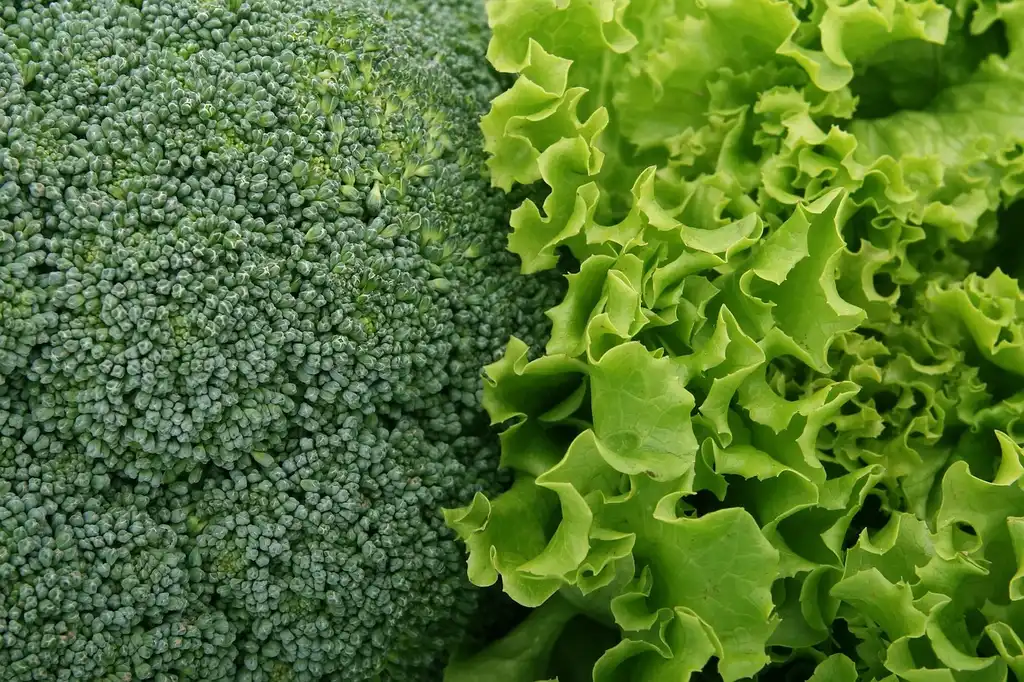
Keep three things moving at once: sowing, harvest, and replacement. Start new batches every 10 to 14 days, harvest outer leaves or cut young plants to keep them alive, and switch crops as temperatures change. That rotation keeps one bed from aging out all at once.
Use a month-by-month cadence
-
Sow early spring greens.
Plant lettuce, spinach, and a first kale sowing as soon as soil is workable. Use row cover if nights are cold or wind is drying the bed, because young greens establish faster in a slightly warmer microclimate. -
Repeat in late spring.
Sow another small batch 10 to 14 days later. Keep spinach in smaller amounts and add more lettuce and kale, since spinach usually gives up sooner once heat arrives. -
Shift for summer heat.
Reduce spinach, keep lettuce in partial shade, and favor the most bolt-resistant greens you have. Move containers to cooler light and keep harvests frequent so plants do not overmature. -
Restart in early fall.
Rebuild the bed with fresh sowings as temperatures cool. Row cover or a cloche can protect new seedlings from early cold and extend the final cuttings. -
Follow each harvest.
Replant empty pockets within a few days so the bed stays full. Smaller gaps mean fewer weeds, steadier moisture, and less wasted space between successive greens.
Use a failure-case plan
If a heat wave hits, harvest what is ready, water deeply, and cover the root zone with shade during the hottest hours. If watering was skipped, expect lettuce to turn bitter sooner and spinach to race upward. If bolting starts, cut the crop immediately and reseed the opening with a better-suited green.
Protect young plants with row cover or a cloche
Row cover helps with frost protection, wind reduction, and early spring warming. A cloche does something similar on a smaller scale by creating a warmer microclimate around the plant. Both tools help spring sowings start sooner and fall sowings finish later.
Use summer shade and fall cover with purpose
In summer, shade is a temperature tool. In fall, cover is a frost tool. Use each one where it helps the plant stay in its productive range, then remove it when light or airflow matters more.
Frequently asked questions
How do I keep salad greens growing all season?
Sow in small batches every 10 to 14 days, choose crops that fit the weather, and harvest in ways that leave the plant growing. Use afternoon shade in warm periods and row cover in cool periods. That combination keeps one planting from ending the whole harvest cycle.
Which leafy greens can I succession sow for continuous harvest?
Lettuce, spinach, kale, and mixed baby greens all work well, but not in the same way. Lettuce is steady in cool weather, spinach is fast and bolt-prone, and kale gives repeat leaf harvests for longer. Use spinach in tighter shoulder-season windows and let kale carry the bed later.
How much sun do lettuce and other salad greens need?
Leafy greens can tolerate less sun than most vegetables. If your site only gets 4 to 5 hours of sunlight, lettuce, spinach, and kale are good choices. In hotter weather, partial shade can improve leaf quality and slow bolting.
Can I grow salad greens in containers or raised beds?
Yes. Raised beds drain fast and are easier to manage, and even a modest bed can support a useful salad patch. Containers need drainage holes and enough depth for roots. Both options work well if you keep water and fertility consistent.
When should I replant salad greens after each harvest?
Replant as soon as a section is empty or within a few days of harvest if the crop has finished. For cut-and-come-again plants, wait until regrowth slows or quality drops, then sow again. Small, frequent resets are better than waiting for the whole bed to fail.
What is the best soil mix for growing salad greens?
Use nitrogen-rich soil with compost or another fertility source mixed in before planting. Leafy greens need that support to keep producing foliage. If you are reusing potting mix, refresh it first so the next crop has enough nutrition and the mix still drains well.