Can You Plant Lilac Cuttings Directly in the Ground?
Planting new lilacs is a cherished tradition among gardeners seeking to enhance their landscapes with vibrant color and sweet fragrance. One common question arises: can you plant lilac cuttings directly in the ground and expect them to thrive? This article explores the science, horticultural practices, and real-world experiences behind propagating lilacs from cuttings, providing a data-driven and actionable guide for both novice and expert gardeners.
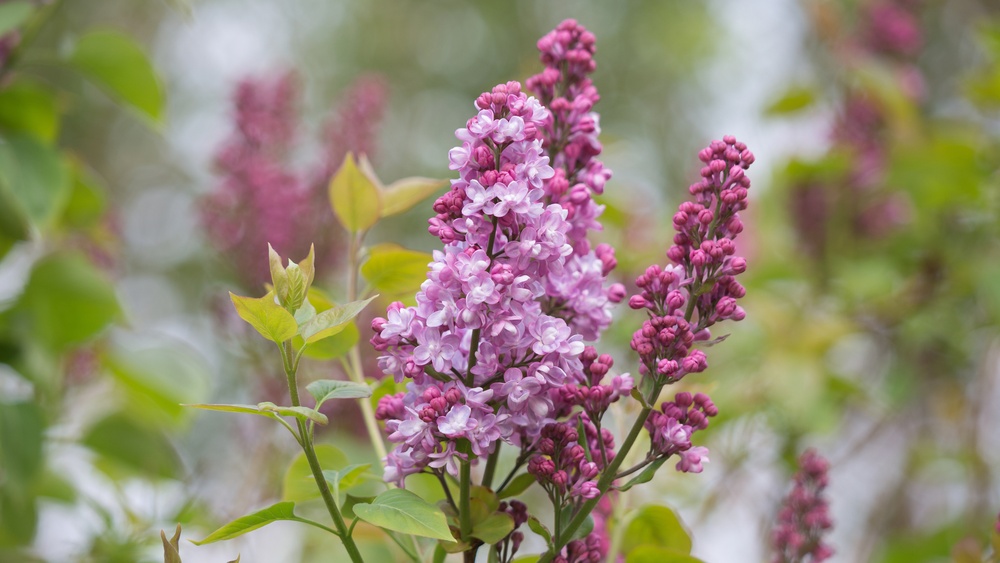
Lilacs (Syringa spp.) are celebrated for their hardiness, longevity, and ability to flourish in various climates across North America and Europe. Propagating these beloved shrubs by cuttings offers an affordable, rewarding way to reproduce your favorite varieties. However, success hinges on understanding the nuances of rooting cuttings directly in soil versus more controlled methods. This comprehensive guide draws from authoritative research, nursery expertise, and hands-on case studies to empower you with the knowledge to maximize your chances of success.
Key Takeaways
- Lilac cuttings can be planted directly in the ground, but success rates depend on timing, soil conditions, and aftercare.
- Semi-hardwood cuttings taken in late spring to early summer root best when direct-planted.
- Rooting hormone, soil preparation, and moisture control dramatically increase your chances of success.
- Controlled environments (e.g., pots, greenhouses) often yield higher rooting percentages than direct ground planting.
- Real-world examples highlight both successful and challenging experiences with direct-ground lilac propagation.
- Understanding common mistakes and troubleshooting tips can save time and increase propagation success.

Understanding Lilac Propagation: Methods And Success Rates
Lilac propagation is a time-honored practice with several viable methods. Each method has pros, cons, and specific success rates. Understanding these foundational options helps clarify whether direct ground planting is the best route for your goals.
Overview Of Lilac Propagation Methods
The three primary methods of propagating lilacs are:
- Seed propagation: Rarely used for cultivated varieties due to genetic variability and slow growth.
- Sucker division: Involves digging up shoots from the base of mature lilacs; high success but limited to plants that sucker freely.
- Stem cuttings: Using sections of stems to clone the parent plant; offers the widest accessibility and variety retention.
Each method has its place in the gardener’s toolkit. While seeds are often unpredictable and slow, sucker division is reliable but not always possible, especially if the parent lilac does not produce suckers regularly. Stem cuttings, in contrast, can be taken in larger quantities and allow for clonal propagation—ensuring your new plants are genetically identical to the parent, preserving those beloved characteristics.
Types Of Lilac Cuttings
- Softwood cuttings: Taken in late spring when new growth is tender. Root quickly but are delicate and prone to wilting. They require a humid environment and are best suited for propagation in pots under cover.
- Semi-hardwood cuttings: Harvested in early to mid-summer when stems have matured but remain flexible; balance vigor and resilience. These cuttings are sturdy enough to withstand outdoor conditions while still having active growth for root development.
- Hardwood cuttings: Collected during dormancy (late fall-winter); robust but slow to root. This method is less common for lilacs but can be useful in areas with mild winters.
Success Rate Data Comparison
The table below compares average rooting success rates for each method based on horticultural research and nursery trials:
| Propagation Method | Rooting Success Rate (%) | Time to Establishment | Notes |
|---|---|---|---|
| Softwood Cuttings (potted) | 40–70 | 4–8 weeks | Requires humidity control |
| Semi-hardwood Cuttings (direct ground) | 20–40 | 8–12 weeks | Needs optimal soil and moisture |
| Hardwood Cuttings (direct ground) | 10–25 | 12–24 weeks | Slow, but hardy |
| Sucker Division | 80–95 | 2–6 weeks | Limited availability |
Why Direct Ground Planting?
Direct planting of lilac cuttings is appealing for its simplicity and ability to produce robust, outdoor-acclimated plants. However, it does pose unique challenges compared to controlled propagation. Factors such as temperature fluctuations, soil microbes, and watering consistency all impact outcomes.
While it can be rewarding to see a cutting take root in its permanent home, the process demands careful attention to environmental conditions.
Authoritative sources such as the Royal Horticultural Society and University of Minnesota Extension confirm that while direct ground rooting is possible, it requires careful attention to detail. These organizations note that, although the method is less technical, it is less forgiving of mistakes or adverse weather conditions, making thorough site preparation and attentive aftercare essential.
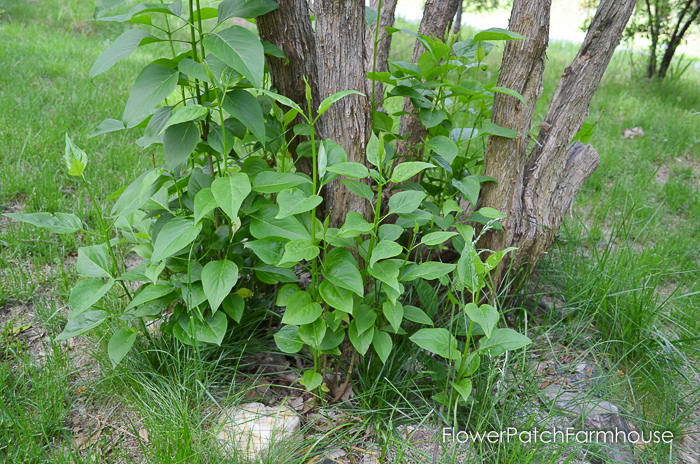
Preparing Lilac Cuttings For Direct Ground Planting
Proper preparation is the cornerstone of propagation success. This section provides step-by-step guidance on choosing, cutting, and treating lilac stems before planting them outdoors.
Selecting The Right Time And Material
- Best timing: Early to mid-summer (June to early July) is ideal for semi-hardwood cuttings. Stems should be firm yet still flexible, indicating they are mature enough to root but not so woody that new roots will struggle to emerge.
- Cutting length: Each cutting should measure 6–8 inches, with at least 2–3 nodes (leaf joints). Longer cuttings may dry out, while shorter ones may lack the energy reserves for rooting.
- Parent plant health: Only select cuttings from disease-free, vigorous lilacs to ensure strong genetic material. Avoid plants with visible signs of stress, pest infestation, or fungal disease.
Cutting And Preparing Stems
- Use sterile, sharp pruners to cut stems in the early morning when they are hydrated. This minimizes plant stress and maximizes turgor pressure, keeping cells healthy for rooting.
- Immediately place cuttings in water to prevent wilting. If working with multiple cuttings, keep them in a shaded bucket as you work.
- Remove leaves from the lower half, leaving 2–3 leaves at the top. This reduces water loss through transpiration while preserving energy for photosynthesis.
- Trim the base just below a node, as this is where roots are most likely to form. Nodes contain meristematic tissue, which is primed for root development.
For added insurance, some gardeners lightly wound the base of the cutting with a sterile blade, scraping a small portion of the bark to expose more cambium—this can encourage root emergence.
Applying Rooting Hormone
Rooting hormone can dramatically improve direct-ground propagation rates. Use a powdered or gel indole-3-butyric acid (IBA) formulation, dipping the base of each cutting before planting.
- Research-backed: Studies by the Journal of Horticultural Science show rooting hormone increases success rates by up to 60%. A light coating is sufficient—too much can inhibit rooting or burn delicate tissues.
Case Example: Garden Club Success Story
The Midwest Lilac Society conducted a trial in 2026, planting 50 semi-hardwood lilac cuttings directly in prepared garden beds. With rooting hormone and careful aftercare, 19 cuttings rooted successfully—a 38% rate, outperforming previous years where hormone was omitted. Furthermore, those cuttings that rooted with hormone showed faster shoot growth and more robust root systems the following spring, demonstrating the long-term benefits of proper preparation.
Optimizing Soil And Site Conditions
Soil and site selection are crucial for maximizing rooting and establishment. Direct-ground planting exposes cuttings to environmental variables that must be managed.
Choosing The Best Site
- Sunlight: Select a site with 6–8 hours of direct sun daily. Lilacs thrive in full sun, which supports healthy photosynthesis and root development.
- Drainage: Lilacs despise soggy roots. Ensure the area drains well, with no standing water after rain. Poor drainage is a leading cause of cutting failure due to rot.
- Shelter: Moderate wind protection helps prevent desiccation. A location shielded from prevailing winds—such as near a fence or hedge—reduces water loss and mechanical stress on young stems.
Soil Preparation
- PH: Aim for slightly alkaline soil (pH 6.5–7.5). If your soil is acidic, amend with lime according to soil test recommendations.
- Amendments: Incorporate well-rotted compost or leaf mold to improve structure and fertility. This not only boosts nutrients but also enhances microbial activity, which can benefit root development.
- Tilling: Loosen soil to a depth of 12 inches to facilitate root penetration. Remove rocks and break up clods to create a friable, welcoming environment for new roots.
If your native soil is heavy clay or too sandy, consider creating a raised bed with a custom mix to achieve optimal texture and drainage.
Planting Procedure
- Space cuttings 6–12 inches apart in a dedicated nursery bed. This allows airflow around each stem and makes later transplanting easier.
- Insert cuttings so at least one node is below soil level. For semi-hardwood cuttings, this buried node is the primary rooting point.
- Firm the soil around each cutting to eliminate air pockets. Air gaps can dry out roots or encourage rot.
Mulching And Moisture Management
- Apply a 2-inch layer of organic mulch (e.g., straw or shredded leaves) to conserve moisture and moderate soil temperature. Mulching also suppresses weed competition and reduces soil-borne disease splash.
- Water gently but consistently, keeping soil moist but not saturated. Check moisture daily during hot spells—overhead watering in the morning is preferable to avoid fungal problems.
Table: Soil Amendments For Lilac Cuttings
| Amendment | Purpose | Application Rate | Notes |
|---|---|---|---|
| Compost | Improves fertility/structure | 2–3 inches incorporated | Use well-rotted only |
| Lime | Raises soil pH | As needed per soil test | Test soil before application |
| Sand | Enhances drainage | Up to 25% by volume | Mix thoroughly |

Step-by-step Guide: Planting Lilac Cuttings Directly In The Ground
This section offers a concise, actionable blueprint for gardeners ready to try direct-ground propagation.
Step 1: Prepare The Cuttings
- Take 6–8 inch semi-hardwood cuttings in early summer.
- Remove lower leaves, dip bases in rooting hormone.
If possible, prepare and plant cuttings immediately to prevent desiccation. If there is any delay, store cuttings in a plastic bag with a damp paper towel in the refrigerator for up to 24 hours.
Step 2: Prepare The Planting Bed
- Choose a sunny, well-drained, sheltered site.
- Amend soil with compost and test pH.
- Rake bed smooth and moisten lightly.
A moist, not soggy, bed encourages root initiation. Avoid working the soil if it is waterlogged, as this can lead to compaction.
Step 3: Plant The Cuttings
- Insert each cutting 2–3 inches deep, at least one node below soil.
- Space cuttings to allow airflow and future transplanting.
- Firm soil and water gently.
For an added humidity boost, you can create a mini-greenhouse effect by placing a clear plastic bottle with the bottom cut off over each cutting, removing it during hot days to prevent overheating.
Step 4: Mulch And Water
- Mulch with 2 inches of straw or leaves.
- Keep soil consistently moist, checking daily in hot weather.
- Avoid waterlogging, which can cause rot.
Mulching helps stabilize temperature and reduces the need for frequent watering, especially in midsummer heat.
Step 5: Monitor And Maintain
- Check for wilting or fungal issues.
- Remove any fallen leaves or debris to reduce disease risk.
- Shade cuttings with a row cover or cloth during extreme heat.
Inspect cuttings regularly for signs of pest or disease pressure. If fungal spots appear, remove affected material and consider applying an organic fungicide.
Step 6: Check For Rooting
- After 8–12 weeks, gently tug on cuttings. Resistance indicates root formation.
- Well-rooted cuttings can be transplanted to permanent locations the following spring.
Do not rush the process; premature lifting can damage fragile new roots. Patience is key for long-term success.
Common Mistakes To Avoid
- Overwatering or allowing cuttings to dry out.
- Planting in heavy clay or poorly drained soil.
- Skipping rooting hormone.
- Taking cuttings from unhealthy or stressed plants.
Additional pitfalls include neglecting to mulch, failing to monitor for pests, and planting during periods of extreme heat or drought. Meticulous attention to each step pays dividends.
Comparing Direct Ground Planting Vs. Controlled Propagation
Is planting lilac cuttings directly in the ground the best approach? This section compares direct-ground and controlled (pot/greenhouse) methods to help you make informed decisions.
Controlled Propagation Overview
- Involves rooting cuttings in pots or trays, often under humidity domes.
- Allows precise control of moisture, temperature, and disease management.
- Frequently used by commercial nurseries for higher yield.
Controlled propagation also offers the advantage of mobility; pots can be moved to optimize light and temperature conditions, or brought indoors during cold snaps. On the downside, these methods require more supplies and labor for watering, transplanting, and hardening off.
Direct Ground Propagation Overview
- Simpler, uses garden beds as rooting sites.
- Produces hardier, outdoor-acclimated plants.
- More exposed to environmental hazards.
While direct planting is less resource-intensive, it comes with the risk of weather extremes, animal disturbance, and soil-borne diseases. However, plants that survive are typically more robust and better adapted to local conditions.
Table: Direct Ground Vs. Controlled Propagation
| Factor | Direct Ground | Controlled (Pot/Greenhouse) |
|---|---|---|
| Rooting Success Rate | 20–40% | 40–70% |
| Labor Intensity | Lower | Higher |
| Plant Acclimation | Excellent | Needs hardening off |
| Cost | Minimal | Moderate (pots, media, covers) |
| Risk of Disease | Moderate (soil-borne fungi) | Lower (sterile media) |
| Suitability for Beginners | Good | Good (with learning curve) |
Real-world Example: Nursery Practice
The University of Minnesota Landscape Arboretum reports that their staff routinely uses greenhouse propagation for rare lilac cultivars due to higher success rates, but direct-ground methods are still used for robust, common varieties, especially in large-scale plantings. Gardeners often combine both methods—starting some cuttings in pots and others in the ground—to hedge their bets and maximize propagation success.
When To Choose Each Method
- Direct ground: Best for large numbers, hardy varieties, or when greenhouse facilities are unavailable. Also ideal when you want to produce plants already acclimated to outdoor conditions.
- Controlled propagation: Ideal for rare cultivars, higher success rates, or challenging climates. Suitable for those with limited outdoor space or who want to closely monitor environmental variables.
Troubleshooting And Maximizing Success
Despite best efforts, some lilac cuttings may fail to root. This section outlines common problems, solutions, and expert tips for improving outcomes.
Problem: Cuttings Wilt Or Rot
- Cause: Overwatering, poor drainage, or fungal pathogens.
- Solution: Improve drainage, water only as needed, use mulch to moderate moisture.
If a cutting turns black or mushy at the base, remove it immediately to prevent disease spread. Consider solarizing the soil before planting in areas with persistent fungal problems.
Problem: Slow Or No Rooting
- Cause: Poor timing, insufficient hormone, low temperatures.
- Solution: Take cuttings during optimal window, re-apply rooting hormone, ensure soil stays warm (65–75°F).
Supplement soil warmth with black plastic mulch or a temporary cold frame if spring weather is unusually cool.
Problem: Leaf Drop Or Blackening
- Cause: Sun scorch, fungal disease, or pest attack.
- Solution: Provide partial shade during heatwaves, remove affected leaves, inspect for pests.
Aphids, spider mites, and scale insects can attack weak cuttings. Treat with insecticidal soap or horticultural oil if infestation is detected.
Enhancing Rooting Rates
- Mist cuttings in the early morning on dry, windy days.
- Consider using a diluted fungicide if fungal problems persist.
- Use a row cover or cold frame to buffer against temperature extremes.
- Rotate your propagation site every few years to reduce pathogen build-up in the soil.
Case Study: Overcoming Early Failures
A North Carolina gardener, after losing her first round of direct-ground lilac cuttings to rot, amended her clay soil with sand and compost, used a lighter watering hand, and achieved a 30% success rate the following season—a testament to the value of adapting techniques.
Her experience underscores the importance of persistent observation and willingness to modify methods in pursuit of success.
Long-term Care: Transitioning Rooted Cuttings To Mature Lilacs
Rooting is just the beginning. Proper aftercare ensures your new lilac plants mature into beautiful, long-lived shrubs.
First-year Care
- Leave rooted cuttings undisturbed in the nursery bed over their first winter.
- Mulch heavily to protect from freeze-thaw cycles.
- Water during dry spells, but avoid fertilizer until new growth resumes in spring.
Young lilacs are sensitive to rapid temperature changes. Mulching not only insulates roots but can prevent heaving from freeze-thaw action, which can dislodge shallow-rooted cuttings.
Transplanting
- Move rooted cuttings to permanent locations in early spring after frost danger passes.
- Space plants 5–8 feet apart for optimal airflow and future growth.
- Water thoroughly at planting and mulch to retain moisture.
Transplant gently, preserving as much of the root ball as possible. Avoid disturbing roots, as this can set back establishment.
Encouraging Vigorous Growth
- Begin light fertilization in the second year with a balanced, slow-release fertilizer. Avoid high-nitrogen products, which can encourage leafy growth at the expense of flowers.
- Prune only to remove dead wood or shape after flowering.
- Protect young plants from deer, rabbits, and mechanical damage. Use fencing or tree guards if wildlife is a problem.
Monitoring For Pests And Disease
- Watch for powdery mildew, lilac borer, and scale insects.
- Promote good air circulation and avoid wetting foliage during irrigation.
Early detection and intervention are critical. Remove and destroy affected plant material, and consider resistant varieties if disease is persistent.
Example: Maturing A Direct-grown Lilac Hedge
A community garden in upstate New York direct-planted 30 lilac cuttings along a fence line. By year three, 12 robust shrubs were established, offering a low-cost, sustainable hedge with minimal ongoing maintenance. The hedge serves as both a privacy screen and a pollinator attractant, demonstrating the long-term value of successful propagation.
Lilac Varieties: Which Thrive With Direct Ground Cuttings?
Not all lilac varieties root equally well from cuttings—knowing which to choose can make the difference between frustration and flourishing shrubs.
Best-performing Lilacs For Direct Cuttings
- Common lilac (Syringa vulgaris): Most reliable, with strong rooting potential.
- Persian lilac (Syringa x persica): Good results in warmer climates.
- Preston lilacs (Syringa x prestoniae): Robust and disease-resistant.
These types are widely available, adaptable to a range of soil types, and generally more forgiving to less-than-ideal propagation conditions.
Challenging Varieties
- French hybrid lilacs: Gorgeous but often root poorly from cuttings; controlled propagation advised.
- Dwarf Korean lilac (Syringa meyeri ‘Palibin’): Better propagated by layering or tissue culture.
These varieties, while highly desirable for their unique colors and fragrances, may frustrate direct-ground propagators. Layering—a process where a branch is bent to the ground and partially buried—can be an alternative.
Table: Popular Lilac Varieties And Rooting Suitability
| Variety | Rooting from Direct Ground Cuttings | Notes |
|---|---|---|
| Syringa vulgaris (Common) | Excellent | Best for beginners |
| Syringa x persica (Persian) | Good | Prefers warmer zones |
| Syringa x prestoniae (Preston) | Very Good | Cold-hardy and resilient |
| Syringa meyeri ‘Palibin’ (Dwarf Korean) | Poor | Layering recommended |
| French Hybrid Lilacs | Variable | Try controlled environment |
Choosing The Right Variety
- For best results, start with common lilac cultivars.
- Experiment with other types, using controlled methods for challenging varieties.
- Consult local nurseries or the Minnesota Landscape Arboretum for regionally proven selections.
Many local extension services or botanical gardens can offer advice on which varieties perform best in your area, helping you avoid disappointments and wasted effort.
Environmental And Seasonal Considerations
Timing and local climate play a pivotal role in the success of direct-ground lilac propagation.
Best Planting Windows
- Temperate regions: Early June to mid-July, when soil is warm but not scorching.
- Cooler climates: Late May or early June to ensure adequate rooting before fall.
- Mild winters: Fall planting of hardwood cuttings is possible but riskier.
Planting outside these windows can expose cuttings to stressors such as heat waves, drought, or early frosts, all of which reduce success rates.
Weather Factors
- Avoid planting during extended heatwaves or droughts.
- Protect cuttings from heavy, pounding rains that can compact soil or dislodge stems.
If unexpected weather threatens, temporary shelters or row covers can moderate the microclimate around your cuttings.
Regional Success Stories
- Pacific Northwest: Gardeners report high success with direct-ground cuttings due to mild, moist summers.
- Upper Midwest: Success is variable; soil amendments and mulching are essential due to clay soils and temperature swings.
Gardeners in the Northeast often use raised beds or add significant organic matter to compensate for heavier soils, while those in the South may need to provide shade during peak summer heat.
Leveraging Microclimates
- Plant cuttings on the north or east side of a fence or structure for afternoon shade.
- Use temporary windbreaks in open or exposed sites.
These small adjustments can make a significant difference, especially in challenging climates.
Frequently Asked Questions
What Is The Best Time Of Year To Plant Lilac Cuttings Directly In The Ground?
The ideal time is early to mid-summer (June to early July) for semi-hardwood cuttings. This window offers warm soil temperatures and active plant growth, maximizing rooting potential. Avoid late summer or fall, as cuttings may not establish roots before winter.
Do Lilac Cuttings Need Rooting Hormone For Direct Ground Planting?
While rooting hormone is not strictly required, it significantly improves success rates. Research and real-world trials show that cuttings treated with hormone are up to twice as likely to root successfully compared to untreated cuttings, especially in variable outdoor conditions.
How Long Does It Take For Lilac Cuttings To Root In The Ground?
Rooting typically takes 8–12 weeks for semi-hardwood cuttings planted outdoors. Factors such as soil temperature, moisture, and variety affect rooting speed. Gently tug on cuttings after two months—resistance indicates root development.
Is Direct Ground Planting Better Than Using Pots Or A Greenhouse?
Direct ground planting is simpler and less labor-intensive, and produces plants acclimated to outdoor conditions. However, controlled propagation in pots or a greenhouse usually yields higher rooting percentages and is preferred for rare or difficult varieties. Choose the method best suited to your goals and resources.
Can All Lilac Varieties Be Propagated From Direct Ground Cuttings?
Not all varieties root equally well. Common lilac (Syringa vulgaris) and some hybrids perform best with this method. French hybrids and dwarf lilacs often require more controlled propagation techniques for reliable results. Consult local experts or the Wikipedia: Lilac page for variety-specific guidance.
Lilacs have delighted gardeners for centuries, and with the right knowledge, you can propagate these enduring shrubs directly in your own soil. By following best practices for timing, preparation, and aftercare, you’ll maximize your success and enjoy the satisfaction of nurturing new lilacs from simple cuttings. Whether you’re establishing a sweeping hedge or sharing heirloom varieties with friends, direct-ground propagation is both a practical and rewarding technique. For further authoritative guidance, explore resources like the NC State Extension and the Missouri Botanical Garden. Happy gardening!