Landscaping Services for Bonsai Display Areas
Landscaping for bonsai display areas is often set up with grading, drainage, a firm paver or gravel pad, wind screening, and clean edging; choose a site with roughly 2% slope away from the display, or add a drain if the site cannot shed water on its own. Those slope targets are rule-of-thumb guidance, not a substitute for site-specific drainage design. Skip the basics and pots tilt, water pools, algae spreads, and winter freeze-thaw can crack slabs or topple trees. This guide covers site layout, materials, drainage, shade, wind protection, and upkeep for an outdoor bonsai micro-site.
What makes a bonsai display area different?


A bonsai display area is a small outdoor platform built for pot stability, drainage, viewing height, and clean circulation. It is not a planting bed. The surface must shed water quickly, hold stands without wobble, and keep splashback off pots and benches. The layout also needs a clear sightline so each specimen reads well from the main viewing point.
Display goals: stability, drainage, and sightlines
Use a hard, level support for each stand, then shape the surrounding surface so water moves away instead of soaking in around the pots. A display works best when the viewer can stand, pause, and see the front of each tree without stepping into the wet zone. Stable footing matters as much as aesthetics.
Height matters. Outdoor bonsai display stands should be tall enough to lift the pot above ground splash, but low enough to stay stable in wind. For many collections, a modest viewing height is easier to maintain than a tall pedestal that catches gusts. Keep the display proportional to the tree and the sightline.
Drainage layer: what it does
A drainage layer is the working zone beneath the finished surface, not a decorative topping. In bonsai display areas, a compacted, permeable base or similar free-draining layer helps water move laterally toward an outlet instead of lingering under the stands. That keeps the surface firmer and lowers the risk of soft spots.
Display focal point: how to place it
The display focal point is the tree or grouping that anchors the main sightline. Place the focal tree where it is visible from the primary viewing position, then let secondary trees step back in scale and height. That arrangement creates depth and keeps the eye from scattering across the pad.
Why standard planting beds are the wrong model
Planting beds hold moisture, mulch, and root growth. Bonsai display areas need the opposite: controlled runoff, minimal debris, and a surface that stays clean. Mulch should stay out of the display zone because it breaks down, stains, traps water, and makes leveling harder around stands.
How collection size changes the layout
One or two specimens may fit on a narrow pad with a short access strip. A larger collection needs zones for grouping, rotation, and service access. Keep enough room to remove a stand, clean under it, and move a watering can or hose without scraping pots or stepping on gravel. Planning for the actual collection size prevents crowding later.
Which landscaping services matter most?
The most useful landscaping services are site grading, drainage planning, hardscape edging, surface installation, access-path work, low-voltage lighting, and seasonal maintenance. Some firms list adjacent services that fit this work, including design and installation, irrigation sprinkler installation and repair, tree trimming and pruning, concrete curbing, decorative rock spreading, and bonsai care projects.
Site grading and drainage planning
Start with grade. A bonsai display pad needs a dependable slope away from the viewing side and away from any structure that could trap runoff. A landscaper should shape the subgrade so water exits cleanly and does not pond under stands or along edges. The goal is drainage without visible washouts.
Hardscape edging and surface installation
Concrete or stone edging helps contain gravel, define the display frame, and keep the surface from creeping into lawn or soil. It also affects maintenance. A neat edge makes raking, sweeping, and washing faster, but it must still allow water to leave the pad rather than damming it.
Lighting, access paths, and seasonal maintenance
Low-voltage lighting can improve evening viewing and safe access, but fixtures need weather ratings and glare control. Access paths should be slip-resistant and wide enough for routine maintenance. Seasonal service should include leaf removal, drainage checks, frost damage inspection, and cleaning any algae or staining before it spreads.
Bonsai display area checklist
Use this checklist as a planning tool before final material choices. It ties collection size, surface type, drainage, and climate control to the way the display will actually be used. The ranges below are practical planning guides, not universal rules, because soil, rainfall, and exposure can change the right answer.
| Planning item | Recommended range or choice | Notes for bonsai use |
|---|---|---|
| Small collection footprint | About 8 by 10 feet | Works for a few display stands, one main viewing side, and a narrow service path. |
| Medium collection footprint | About 10 by 14 feet | Allows grouping, seasonal rotation, and better separation between specimen heights. |
| Large collection footprint | About 12 by 18 feet or more | Supports multiple display zones, a stronger circulation route, and room for cleaning equipment. |
| Surface material | Gravel, stone, or pavers | Choose a surface that drains, cleans easily, and does not trap mud around stand legs. |
| Drainage need | Permeable base or positive slope | Keep runoff moving; avoid standing water under stands and along edging. |
| Wind and shade | Partial shelter, afternoon shade if hot | Reduce drying stress, leaf scorch, and toppling risk without blocking airflow completely. |
| Irrigation limit | Hand watering or controlled drip only | Avoid overspray that wets the whole pad and leads to algae, staining, or waterlogging. |
| Build order | Sub-base, grade, edge, surface, stands, lighting | Finish with layout adjustment so the final sightline works from the main viewing position. |
How do you build the base?
Build the base like a small utility surface. Excavate enough for a compacted sub-base, shape drainage, install edging, then add the finished surface. The goal is a firm, level support that still sheds water. Soft soil, loose fill, and uncompacted gravel will shift under pot weight and create tilt over time.
Sub-base materials and compaction control
A permeable sub-base is the safest starting point for most outdoor bonsai pads. It should be compacted in lifts so the display does not settle unevenly. Avoid a soft, organic layer directly under the stands because it compresses and holds water longer than the finished surface. A stable sub-base also helps preserve the drainage layer above it.
Slope, runoff direction, and erosion control
The finished grade should direct water away from pots, not toward them. A 2% slope is a practical target because it helps move runoff without making stands feel tipped; it is a common field rule of thumb rather than a fixed code requirement. If the site is loose or sandy, edge restraint and a stable base help keep the surface from washing out during heavy rain.
Picture a 10-by-14-foot display pad on a side yard that already slopes slightly toward a garage. If the pad follows that slope, water can run into the foundation and stain the lower edge. Flip the drainage direction, or install a drain line, so runoff leaves the display cleanly. In a well-planned layout, runoff should exit toward a lawn drain, gravel swale, or other absorptive area, not toward a slab or foundation.
Soil and runoff management
Keep adjacent planting soil separate from the display pad with edging, a gravel border, or another soil break so fine particles do not migrate into the bonsai area. Bonsai pads work best when runoff carries away clean water, not silt. If nearby beds shed mud, intercept it before it reaches the display surface.
Stand clearance and level support
Each bonsai display stand needs outdoor-rated material, a stable level base, and enough clearance below the pot to keep drainage holes open. Stone, treated exterior-grade wood, metal, or durable composite can all work if the base stays level and the feet do not sink into gravel. The stand should not wobble when a pot is watered or rotated.
What ground cover works best?
Clean gravel or decorative stone usually works best under bonsai stands because it drains well, resists mud, and is easier to clean than mulch. Choose a size that stays put under foot traffic and does not splash back onto the pots when watered. The surface should also avoid heat buildup that can stress nearby root zones.
Gravel size and decorative stone choices
Small gravel is easier to rake but can migrate and stick to shoes. Larger decorative stone stays in place better, though it may be harder to level tightly around stand legs. Rounded stone is gentler on foot traffic, while angular stone tends to lock together more firmly. Either way, the finish should support drainage without becoming a loose, uneven layer.
Weed suppression and cleanability
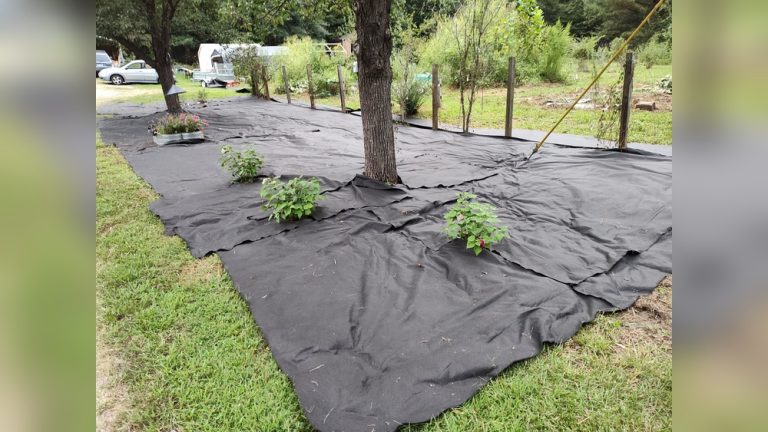
A geotextile or similar weed barrier can help under the stone layer, but it should not block drainage. Choose a barrier that lets water pass and still allows spot cleaning. If the surface is too fine, debris settles into it and becomes hard to remove after watering. Keep the top clean so algae and mineral deposits do not build up.
Heat, staining, and root-zone safety
Avoid dark stone in hot exposures because it can reflect and retain heat. Also avoid surfaces that stain easily or bleed color when wet. Water staining is more visible on pale pavers, so the finish should be chosen with splash marks and mineral deposits in mind. Heat gain matters most where pots sit low and roots are exposed to reflected warmth.
How should you protect the microclimate?
Bonsai display areas need microclimate control because the pots dry fast and the roots sit close to the surface. Windbreaks, afternoon shade, and shelter placement help prevent desiccation, scorch, and winter exposure. The goal is protection without sealing the area into a stagnant pocket.
Windbreak placement and frost exposure
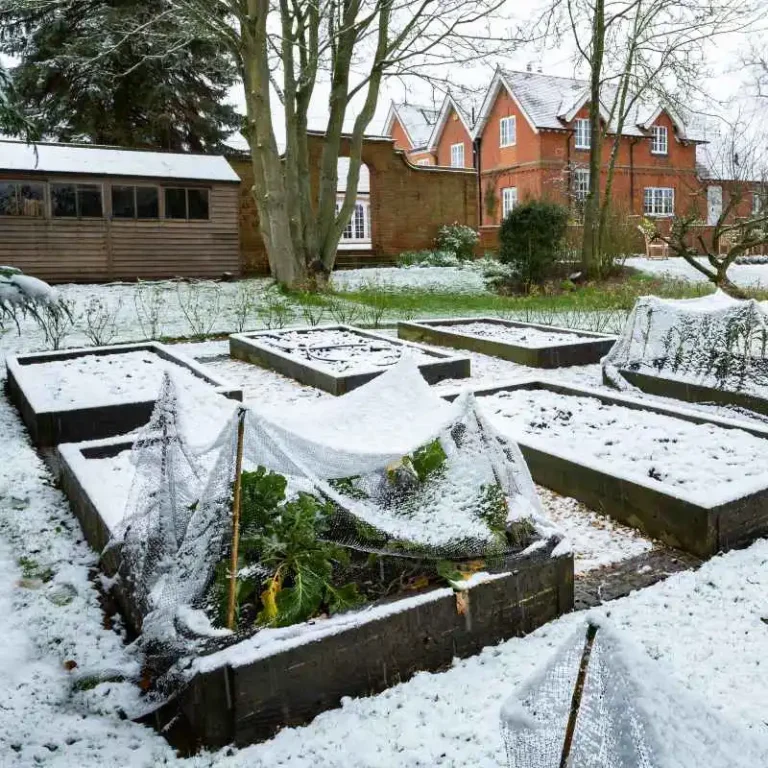
Place windbreaks where gusts hit hardest, usually on the prevailing wind side, but leave enough open space for air movement. Solid barriers placed too close can create turbulence. In cold regions, avoid low spots where frost settles and lingers around pots overnight. Wind protection is best when it slows air, not stops it completely.
Afternoon shade and heat reflection
Afternoon sun on stone or concrete can raise surface temperature quickly. A shade sail, lattice, or partial overhead cover can reduce heat load during the hottest part of the day. Keep the shade partial so the display still gets the light needed for tree health and viewing. Shade is most valuable where reflected heat and afternoon exposure combine.
Suppose a collection sits beside a pale stucco wall in a hot climate. The wall can reflect heat back onto the stands and pots, drying the display faster than expected. Moving the display a few feet out from that wall, or adding a shade screen, changes the microclimate without changing the collection. Site orientation matters as much as material choice.
Shelter placement for seasonal extremes
Use shelter to block winter wind and summer glare, but do not bury the display in heavy cover. Pots need airflow to dry after rain. Shelter works best when it protects the display edge and the most exposed trees, while the main circulation area stays open. That balance keeps the pad usable in all seasons.
How do irrigation and lighting fit in?
Irrigation and lighting should support the display without making it wet, slick, or visually harsh. Hand-watering access is often the safest choice because bonsai need targeted moisture control. If drip is used, it should be compatible with the layout and easy to shut down or adjust by season.
Hand-watering access and drip line limits
Keep a clear route for a hose, watering can, or bucket. If drip lines are installed, place emitters so they do not drench the full pad or keep one area damp all day. Bonsai roots dislike waterlogging, and the display surface should not stay wet long after irrigation. A limited irrigation zone is easier to keep clean.
Overspray avoidance and seasonal adjustment
Avoid overhead sprinklers that coat pots, stain stone, and wet the foliage unevenly. Overspray can also keep the pad damp enough to encourage algae. In cooler months, reduce frequency and check drainage more often because evaporation slows and water lingers around the stand feet. The irrigation plan should match the season, not just the calendar.
Low-voltage lighting, glare, and weather rating
Low-voltage lighting is usually enough for nighttime viewing and safe movement. Use accent lighting for the specimen and task lighting for the path, but keep beams low and shielded so the fixtures do not produce glare from wet stone or pot glaze. Outdoor-rated fixtures are the safe default, and low-voltage outdoor lighting is commonly preferred because it reduces shock risk compared with higher-voltage options when properly installed and listed for exterior use.
Frequently asked questions
What landscaping services are best for a bonsai display area?
The most useful services are grading, drainage installation, hardscape edging, surface installation, lighting, and access-path work. If the area will be watered often, ask for irrigation planning that avoids overspray and allows hand-watering. Seasonal cleanup matters too, because debris, algae, and standing water quickly spoil the display.
How do you build a bonsai display area outdoors?
Build it from the ground up: compact the sub-base, shape the slope, install edging, add the finished surface, then place the stands and lighting. The final layout should keep runoff moving away from the pots, leave room for maintenance, and give the viewer a clear sightline to the main trees.
What ground cover works best under bonsai stands?
Gravel or decorative stone is usually the best fit because it drains fast, cleans more easily than mulch, and helps keep pot feet out of mud. Choose a size that stays stable under traffic and does not splash back when watered. Avoid surfaces that trap water or stain easily.
How much space do you need for a bonsai display garden?
Small collections can work in about 8 by 10 feet, medium collections in about 10 by 14 feet, and larger collections in about 12 by 18 feet or more. The right size depends on how many stands you want, how much rotation you do, and whether you need a wheelbarrow path.
How do you protect bonsai displays from wind and heat?
Use partial windbreaks, not solid walls that trap turbulence. Add afternoon shade in hot exposures, and avoid placing the display beside reflective surfaces that amplify heat. In colder climates, keep the area out of frost pockets and away from spots where winter wind hits the pots directly.
Can a landscaper install a drainage-ready bonsai display pad?
Yes. A landscaper can build a drainage-ready pad if the plan includes proper grading, a permeable base or drain line, stable edging, and a finished surface that stays clean. The key is to brief the installer on bonsai-specific needs: no standing water, no overspray, and no soft spots under stands.
What lighting works for an outdoor bonsai display area?
Low-voltage fixtures are a good fit because they give enough light for evening viewing and access without overlighting the space. Use accent lights for specimen drama and task lights for the path. Choose weather-rated fixtures and shield them so glare does not reflect off wet stone or glazed pots.