How to Set Watering Intervals for Seedlings and Transplants
Water seedlings when the top layer dries and the root zone still feels lightly moist: check daily in cells and small pots, about every 2 to 3 days in larger containers, and water transplants when the top 1 inch is dry. Ignore that, and seedlings can collapse from dry cycles or rot from constant wetness. This guide shows how to set watering intervals by growth stage, pot size, light, heat, and simple finger-and-weight tests.
What you’ll need


- Seed-starting mix or potting mix
- A gentle watering can or fine rose attachment
- Tray, cell, or pot drainage
- Your moisture test method: finger, weight, or a thin wooden stick
- A humidity dome for pre-germination use only, if your setup needs it
- A notebook or phone note for interval tracking
Seedling watering table
Seedlings do best when you change the interval by stage, then shorten or lengthen it for container depth, airflow, and indoor heat. The table below turns that into a repeatable cadence.
| Seedling stage | Container type | Indoor conditions | Moisture check | Recommended cadence |
|---|---|---|---|---|
| Pre-germination | Seed flats or plug trays | Warm room, covered tray, low airflow | Surface should stay evenly damp, not shiny wet | Check daily; mist or bottom-water only when the top layer starts to pale |
| Germination stage | Cells, flats, or trays under a dome | Moderate heat, dome vented if sprouts appear | Top 1/4 to 1/2 inch feels barely moist | Usually every 1 to 2 days in small cells; every 2 to 3 days in deeper trays |
| True-leaf stage | Solo pots or deeper plug trays | Grow lights, more air movement | Top 1/2 to 1 inch dries; pot feels lighter | Every 2 to 3 days for small pots; longer for deeper pots if the root zone still feels cool and moist |
| Hardening off | Any container | Outdoors for a few hours, then longer exposure | Soil stays moist through sun and wind | Check daily; water sooner than indoors because wind dries the mix faster |
Humidity domes help before germination because they trap ambient moisture and slow tray drying. Once sprouts emerge, vent the dome or remove it so humidity does not linger and encourage fungal problems. Wet surface mix is where damping off often starts.
How often should you water seedlings?
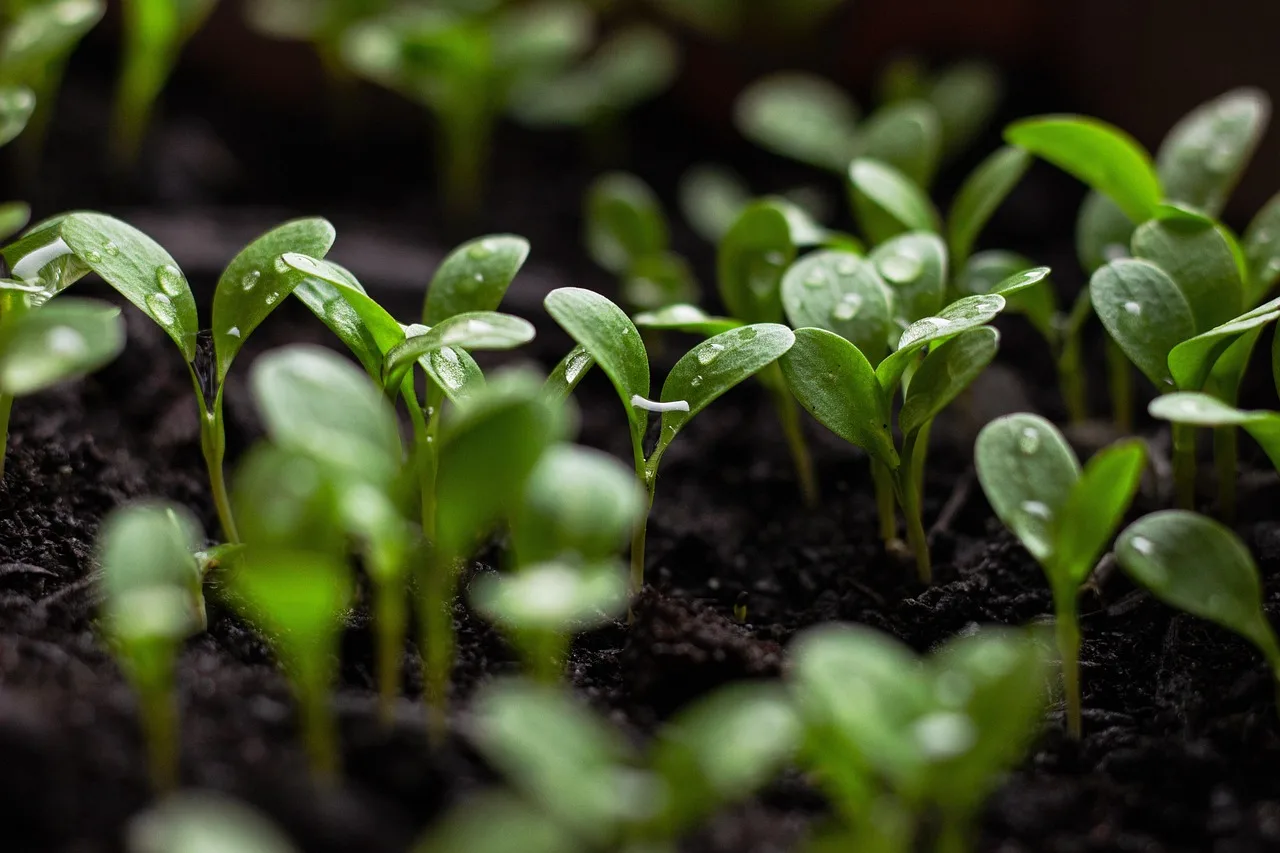
Water by container size first, then by stage. Flats dry from the top faster than deep cells, and solo pots hold moisture longer than shallow trays. In small cells, check daily. In deeper containers, check every 2 to 3 days and always confirm the root zone, not only the surface.
Seedlings in flats
Flats dry quickly because they expose more surface area. Check the top layer every day, and water when the surface turns lighter in color but the mix beneath still feels slightly cool. A gentle bottom-water or fine mist is better than a heavy pour that can move seed or pack the mix.
Seedlings in plug trays
Plug trays usually need more frequent checks than pots because the cells are small. If the tray feels light and the top 1/4 to 1/2 inch is dry, water. In warm rooms or under strong grow lights, that can mean once a day. In cooler rooms, it may stretch to every 2 days.
Seedlings in solo pots
Solo pots and other deep containers hold moisture longer. Check every 2 to 3 days, then water only when the pot lightens and the upper layer dries. If the leaves stay perked but the surface dries fast, test deeper before watering again. The root zone should stay lightly moist, not saturated.
When to check the root zone, not only the surface
Surface dryness can fool you. A pot may look dry on top while the bottom is still wet, especially in fine-textured mix or a deep pot. Use a finger or wooden stick to judge the lower half, or lift the container and compare its weight when dry and when watered. If the lower mix still clings and feels cool, wait.
How do you reset watering after transplanting?
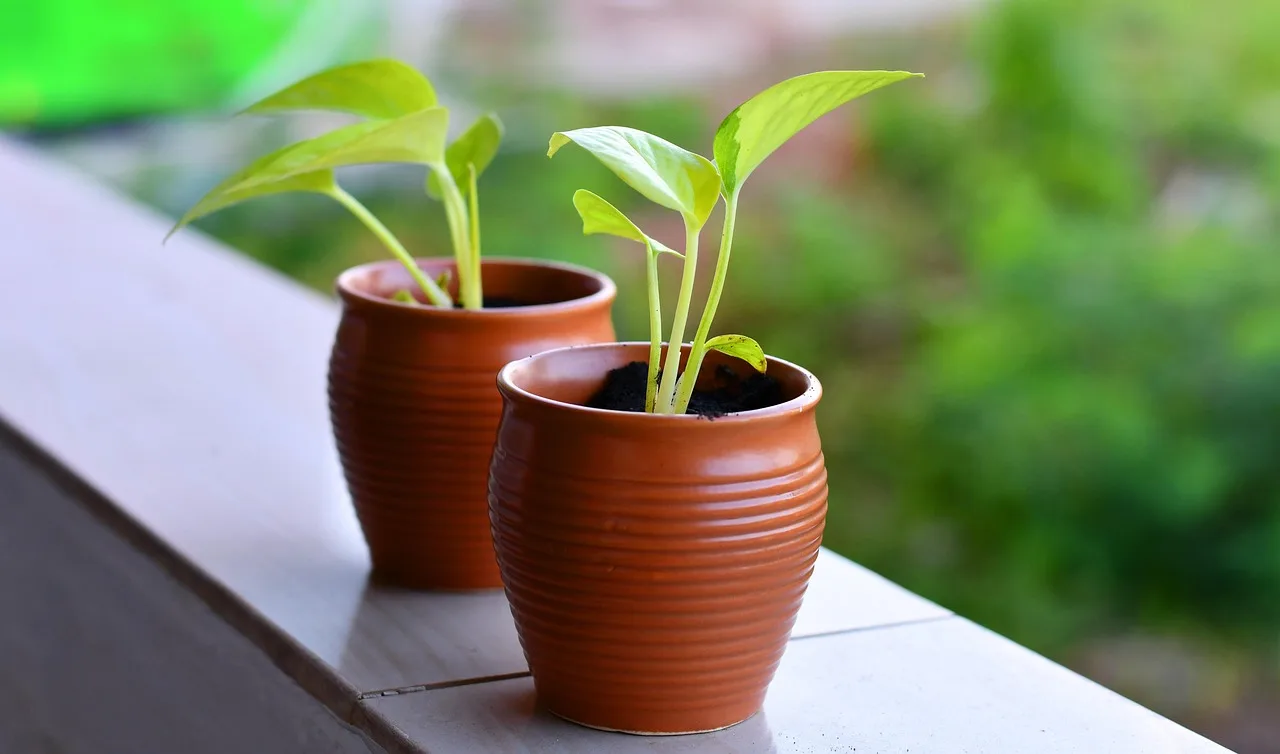
Give new transplants a deep soak right after planting, then water more often during the early rooting-in period while roots spread into the surrounding soil. The goal is steady moisture in the root ball and adjacent soil, which helps settle mix around roots and reduce air pockets. After that, taper toward the crop’s normal cadence.
First watering at planting
Water immediately after planting. Use enough water to moisten the full root ball and the soil around it, not just the surface. If the planting hole collapsed or stayed loose, add a bit more water and let it soak in before stepping away.
Days 1 to 3
Check transplants each day. Keep the root ball evenly moist, especially if the weather is bright, windy, or warm. If the top inch dries but the root ball still feels damp, wait. If the root ball feels dry, add water at the base rather than spraying the whole bed.
Days 4 to 14
A common rule of thumb is to water every 2 to 3 days in cool conditions, and more often in heat or wind. This is the settling-in period, when roots start pushing outward. Keep the soil moist, but not waterlogged. Check the root ball and the surrounding soil; they should feel evenly moist without squeezing out water.
When to taper to the normal interval
Once new growth resumes and the plant resists a gentle tug, begin stretching the interval. For many crops, that starts after the early rooting-in period, but sandy soil, hot weather, and wind can shorten the gap. If the plant still wilts by midday, keep the more frequent rhythm a little longer.
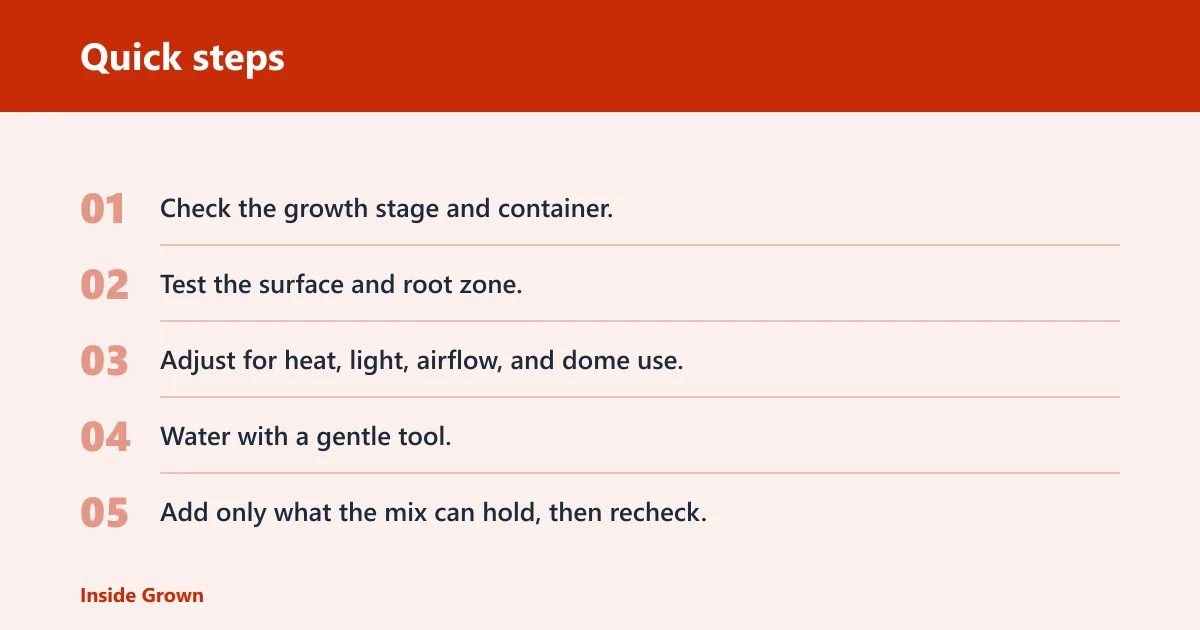
- Check the growth stage and container. Use the tighter end of the interval for flats and plug trays, and the longer end for solo pots and deeper cells.
- Test the surface and root zone. Press a finger into the top layer and then check deeper. Water only when the surface has dried and the root zone still feels lightly moist, or when the top inch is dry for transplants.
- Adjust for heat, light, airflow, and dome use. Grow lights, heat mats, and moving air shorten the interval. A humidity dome before germination lengthens it, but a vented dome with emerging sprouts should not stay closed for long.
- Water with a gentle tool. Aim for a fine rose attachment or a small watering can spout that matches the tray size. A heavy pour can shift seed, compact mix, or break stems at the soil line.
- Add only what the mix can hold, then recheck. For seedlings, give a small amount of water, then stop and wait about 10 minutes before checking again. For transplants, soak the root zone until the surrounding soil is evenly moist, then recheck the next day.
- Record the next interval. Note the date, container, and moisture check so the next watering follows the plant’s stage instead of the calendar alone.
Say your seedlings are in 72-cell trays under LED lights in a warm room. The surface dries each morning, but the cells still feel cool below the top layer. That setup calls for daily checks and light watering, not a fixed every-third-day rule, because the tray size and heat from the lights dry the mix faster.
Suppose transplants go into the garden after hardening off in 6-inch pots and a windy afternoon follows. Water at planting, then check again the next day. Wind can pull moisture from the soil faster than a sheltered bed, so the early rooting-in period often needs more frequent watering than the same crop would need later.
What should you do if seedlings wilt or dry out?
Move fast, but match the fix to the cause. If the mix is dry, rewet it in stages. If the mix is wet and the plant still wilts, reduce watering and check for stem rot or poor drainage. If the plant wilted after transplanting, keep the root ball evenly moist and shade it briefly from harsh sun.
If the mix is dry
- Set the tray in a shallow pan of water for 10 to 20 minutes, or water slowly from the top until the mix darkens evenly.
- Wait 15 minutes, then test the root zone again.
- Repeat once if the center of the plug still feels dry.
If the mix is wet but plants wilt
- Move the tray to better airflow and remove any closed humidity dome.
- Stop watering until the surface begins to dry and the tray feels lighter.
- Check the stem at the soil line for soft, dark tissue, which can point to damping off.
If damping off appears
Too much water can rot stems at the soil line. Remove the humidity dome, increase airflow, and discard badly affected seedlings.
If transplants stall after planting
Check soil contact around the root ball. If there are gaps, water again at the base to settle the surrounding soil. Keep the soil evenly moist during hardening off before planting and through the early rooting-in period after planting, and wait a few days before applying starter fertilizer with phosphorus for roots.
Common mistakes
- Keeping domes on too long: Use them before germination, then vent or remove them once sprouts appear.
- Watering on a fixed calendar: Move by stage and moisture check, not by the day of the week.
- Using too much force from the spout: Choose a fine rose or gentle pour so you do not blast seedlings out of cells.
- Letting transplants dry during hardening off: The 7 to 10 day transition should include steady moisture while sun and wind increase.
- Watering only the surface: Check the root zone, especially in deep pots and after transplanting.
Frequently asked questions
How often should I water seedlings in trays?
Check trays daily, because shallow cells dry fast. In small plugs, water when the top layer begins to pale and the tray feels lighter. In deeper cells, the interval often stretches to every 2 to 3 days if the root zone still feels cool and lightly moist.
How do I know when seedlings need water?
Use two checks: touch the top layer and lift the tray. If the surface is dry and the tray feels light, water. If the top looks dry but the lower mix still feels damp, wait. Seedlings in the true-leaf stage can handle a brief surface dry-down better than newly sprouted ones.
Should transplants be watered every day after planting?
Not always. Water every day for the first few days if the weather is warm, windy, or bright, then stretch the interval as roots spread. The early rooting-in period matters most, and the soil should stay moist enough for roots to move outward without sitting in standing water.
How much water do new transplants need right after planting?
Enough to soak the root ball and settle the surrounding soil. Water immediately after planting, then watch for the soil to close around the roots. If the plant sits loose or the soil cracks, add more at the base until the planting hole is fully settled.
What is the best watering method for seedlings before germination?
A gentle method works best: mist lightly or bottom-water so the seed-starting mix stays evenly damp without being disturbed. A humidity dome can help hold moisture before germination, but it should not trap water so long that the surface stays saturated and fungus becomes more likely.
Should I water seedlings from the top or bottom?
Both can work. Bottom-watering is safer for small plugs and newly germinated seedlings because it avoids disturbing the surface. Top-watering with a fine rose works well for larger seedlings or when the top layer has dried too much. Use a gentle flow either way.
How do watering needs change after seedlings get true leaves?
Once true leaves appear, the plant usually uses more water overall, so the interval may shorten or stay about the same rather than automatically lengthening. Move from daily surface checks to checking every 2 to 3 days in many setups, and rely more on pot weight and root-zone feel than on the top crust alone.
How long should I keep watering transplants more often?
Keep the tighter watering rhythm through the early rooting-in period, then taper as roots expand and new growth resumes. If the plant still wilts by midday or the soil dries quickly in wind, keep the frequent checks going a little longer before shifting to the normal cadence.
What should I do if seedlings wilt after transplanting?
Check soil contact first. Water at the base to settle the root ball and close air pockets, then shade the plant from harsh afternoon sun for a short period if needed. If the root ball was dry, rewet it slowly. If the soil is already wet, improve airflow instead of adding more water.
How do I prevent damping off when watering seedlings?
Keep the surface damp, not soggy, and remove closed humidity domes after sprouts emerge. Water with a fine rose or bottom-water method, and avoid leaving standing water in trays. Good airflow matters too, because too much moisture around the stem can rot it at the soil line.