How to Plant Squash Seeds Without Disturbing Roots
Plant squash seeds in biodegradable pots or deep cell trays, sow 1 seed per pot, and set transplants out before roots circle. Direct sowing avoids root disturbance entirely. If you lift seedlings from shallow flats, you can break the taproot and slow growth. This guide shows when to direct sow, when to transplant, and how to move seedlings with the root ball intact.
What you’ll need


- Squash seeds for summer or winter types
- Seed-starting compost that is light and fine-textured
- Individual pots, biodegradable pots, or deep modules
- Watering can or spray bottle for gentle moisture
- Labels and a marker
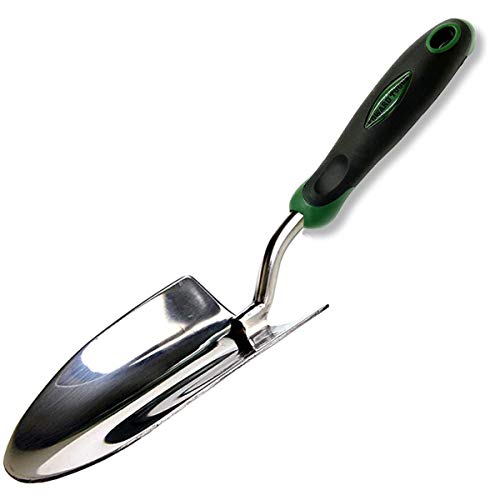
- Garden trowel for setting plants into holes
- Mulch or loose garden soil for covering seeds outdoors
- Row marker or measuring tape for spacing hills and rows
Should you direct sow or transplant squash?
Choose direct sowing if the soil is warm enough and you want the least root disturbance. Choose transplanting if your climate needs an earlier start, because starting seeds indoors can add about a few weeks before the last frost date. Either way, squash roots should stay intact and undisturbed whenever possible.
Direct sowing for low root disturbance
Direct sowing is the safest path for roots because the seed stays where it germinates. Use it after the last frost, when soil has warmed to about 65–70°F and there is no need to move a seedling later. That avoids taproot damage and transplant shock.
Direct sowing a week or two after the last frost date. That timing matters because squash germinates best in warm soil, and cold ground slows or stalls emergence.
Starting indoors for an earlier harvest
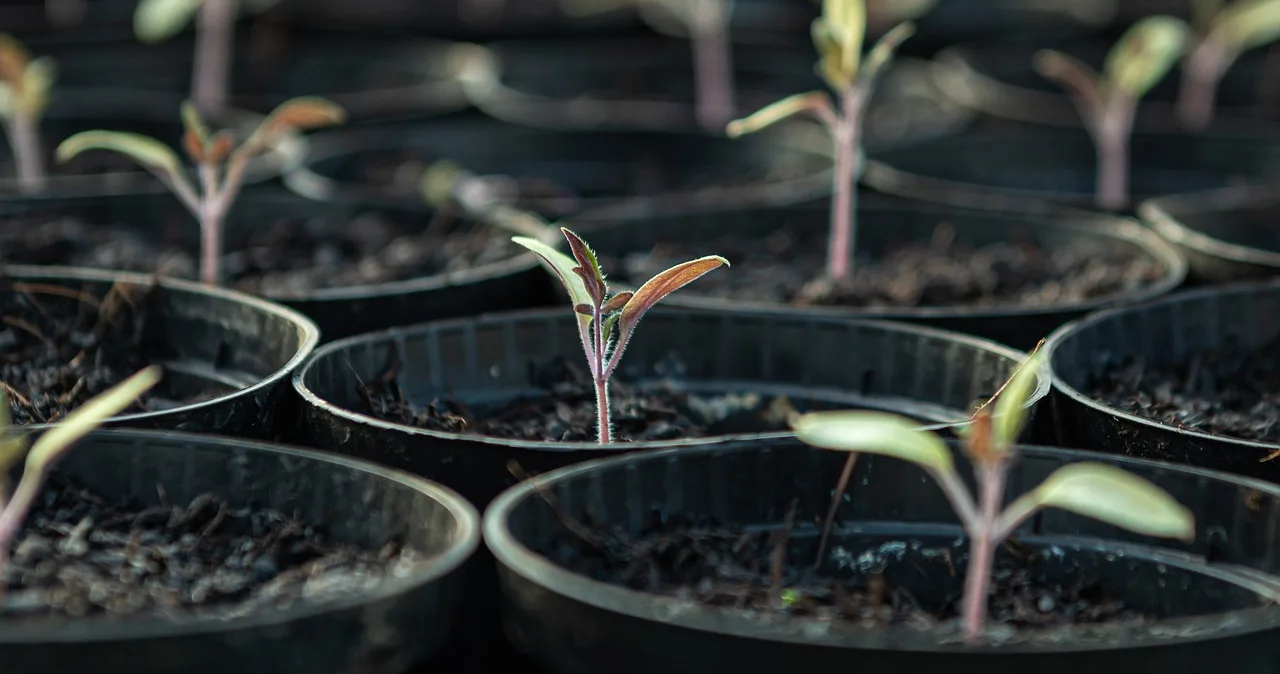
Starting seeds indoors gives you a head start in cooler climates, especially in March or April. Use small pots or modules, one seed per pot, so roots do not compete with one another. Move seedlings out only after hardening off, with the root ball still together.
Squash root checklist
| Stage | Lowest-disturbance choice | Red flag |
|---|---|---|
| Sowing | One seed per pot indoors, or direct sow in place outdoors | Multiple seedlings tangled in one shallow flat |
| Pot size | Deep individual pots or large modules | Small cells that force roots to circle early |
| Moisture | Compost kept moist, not waterlogged | Soggy mix that collapses around the roots |
| Lift-out | Slide the whole root ball out | Pulling by the stem or shaking off compost |
| Set-out | Place the root ball at the same depth it grew in the pot | Burying the stem above the seed leaves |
How deep should squash seeds go?
Plant squash seeds about 1 inch deep indoors, and about 1/2 to 1 inch deep in outdoor hills. Depth depends on the sowing method, but the goal is the same: enough cover to hold moisture, not so much that the seed struggles to emerge. Warm soil speeds germination.
Indoor sowing depth in pots or modules
For indoor starts, place one seed per pot around 1 inch deep in seed-starting compost. Keep the mix moist, not waterlogged, and maintain warmth around 65–70°F. In ideal conditions, germination should occur within 10 days.
Hill and row depth outdoors
For outdoor hills, sow about 5–6 seeds in a 10–12 inch circle, about 1/2 to 1 inch deep. Thin to about 2–3 plants after emergence. A growing hill concentrates warmth and makes early care easier, but the seed depth still stays shallow enough for quick sprouting.
How do you plant squash seeds without root damage?
The lowest-disturbance method is to direct sow into warm soil after frost risk passes. If you need an earlier crop, start seeds in individual pots, keep each seedling separate, and do not trim roots or tease them apart. The less you move the taproot, the better the start.
-
Check soil warmth.
Sow only when the soil is around 65–70°F and the last frost date has passed. Warm ground helps squash seeds germinate quickly and reduces the need to move fragile seedlings later. -
Set seeds in place.
Direct sow 5–6 seeds in a 10–12 inch circle, 1/2 to 1 inch deep. If starting indoors, sow one seed per pot about 1 inch deep in moist seed-starting compost. -
Keep moisture even.
Water lightly so the compost stays moist but not waterlogged. Saturated mix can slow emergence and weaken the root zone before the seedling has a chance to anchor. -
Thin after sprouting.
Keep the strongest 2–3 seedlings per hill, or the single strongest plant in each pot. Thinning early reduces root competition without disturbing the roots that remain.
Say your soil reaches 68°F a week after your last frost date. Direct sowing then gives the seed a warm start and removes the transplant step entirely. The same planting depth works, but the roots stay untouched from germination onward.
Suppose a seedling fills a small cell with white roots at the drain holes. Pot it up before the roots coil tightly, and slide the entire plug into a larger pot without pulling the stem. That keeps the taproot and side roots together.
How do you transplant squash seedlings?
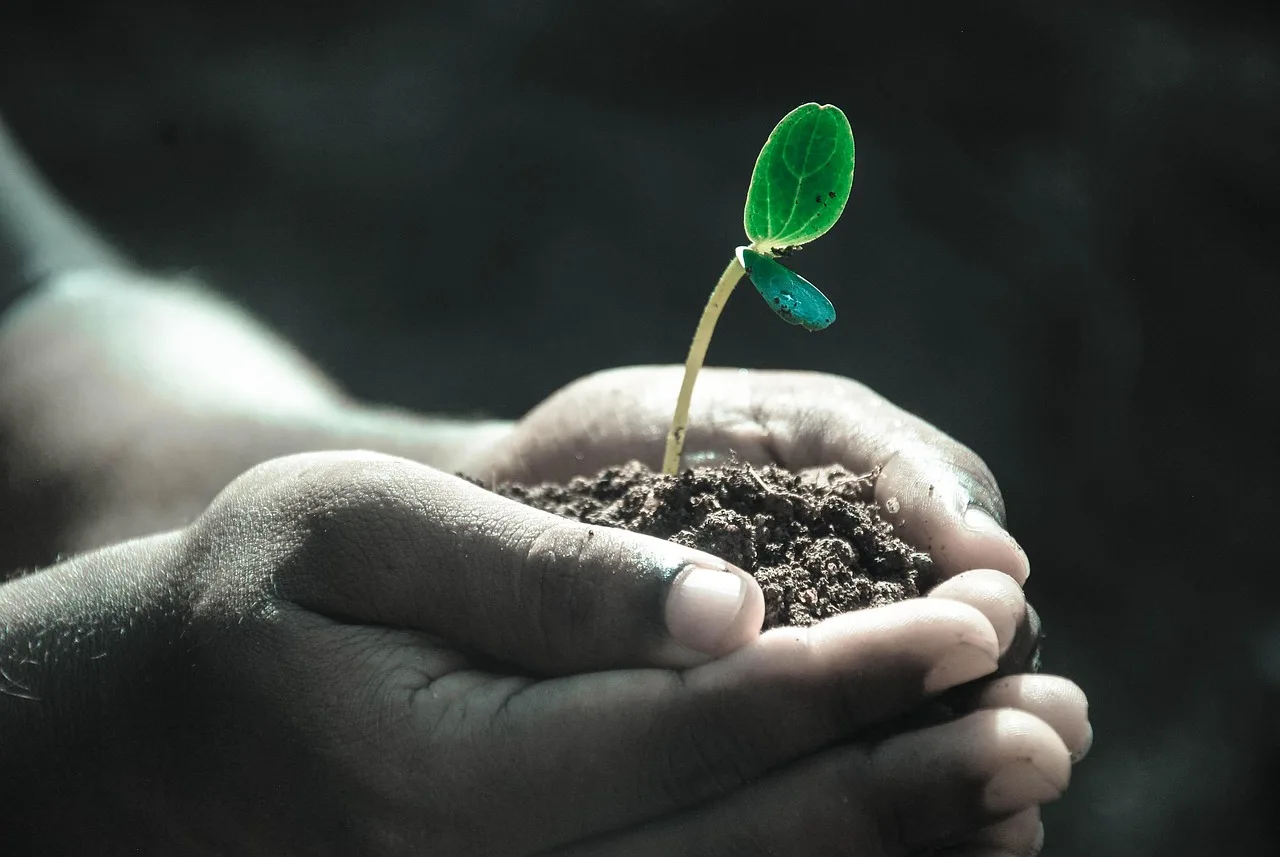
Transplant squash only when the seedling has a sturdy root ball and the weather is suitable outdoors. Handle the plant by the root plug, not the stem, and set it into the hole at the same depth it grew in the pot. Hardening off matters in cool climates.
Know when seedlings are ready
Move seedlings when they have filled the pot but have not yet become badly rootbound. If roots are circling hard, move them sooner into a larger container or into the garden, because crowded roots are easier to injure during handling.
Lift and set the root ball carefully
Water the pot first so the compost holds together. Tip the plant out gently, support the root ball, and place it into a hole that matches the plug size. Do not bare-root the plant, separate tangled roots, or bury the stem above the seed leaves.
-
Harden off first.
Move seedlings outdoors for increasing periods over several days before planting out. This eases the shift from indoor conditions and lowers transplant stress in cool weather. -
Water before lifting.
Moisten the pot so the root ball stays intact when it comes free. A damp plug holds together better than dry compost and is less likely to crumble. -
Set the plug level.
Place the root ball in the hole, then backfill so the top of the plug sits level with the surrounding soil. Press the soil lightly to remove air pockets, but do not pack it hard. -
Water in well.
Give the new planting a thorough drink at the base. That settles soil around the roots and helps the seedling recover from being moved.
Spacing for summer and winter squash
Spacing changes with the type. One guide places squash hills about 3 feet apart, with rows about 5–6 feet apart. Winter squash may need about 6 feet between hills in rows 6 feet apart. For zucchini, 3 feet between hills is a common spacing target.
Common mistakes
The main failures come from heat, crowding, and rough handling. Squash roots dislike being pulled apart, and seedlings also stall if they are planted into cold soil. A good fix is usually to slow down and match the method to the seedling stage.
- Using shallow flats. Seedlings in shallow containers are harder to lift without tearing roots. Use deep pots or modules instead.
- Letting roots circle. Rootbound plants are more likely to break when removed. Pot up sooner if roots reach the edge.
- Burying too deep. Covering the stem above the seed leaves can invite rot. Keep the crown at the same level as the potting mix.
- Planting into cold soil. Warmth drives germination and early growth. Wait for 65–70°F soil where possible.
- Leaving seedlings unthinned. Crowded seedlings compete for water and space. Remove extras early.
- Root pruning. Do not cut squash roots to fit a pot. That creates a wound right on a plant that dislikes disturbance.
If seedlings wilt after set-out, shade them briefly and water the root zone, then check whether the soil was cold or the root ball broke during planting. If growth still stalls, the next move is usually to recheck drainage and spacing rather than to dig the plant up again.
Frequently asked questions
Plant squash seeds point up or down?
Orientation matters less than depth, warmth, and moisture. If you want to place the seed carefully, set the pointed end down or on its side, then cover it lightly. The seed still needs about 1 inch of cover indoors or 1/2 to 1 inch outdoors.
Does squash have seeds?
Yes. Both summer and winter squash develop seeds inside the fruit. Those seeds are the starting point for direct sowing or indoor starts, and they are usually large and flat enough to handle easily during planting.
What is no root squash?
No root squash is not a standard squash-growing term. If the phrase appears in a search result, it usually points to the bigger issue of avoiding root disturbance. For planting, the practical rule is simple: keep the taproot and root ball intact.
Root squash vs no_root_squash?
Those phrases are not standard horticultural categories. If they appear in a search query, the useful distinction is between root-safe planting and rough handling. For squash, direct sowing or careful transplanting in individual pots reduces disturbance better than pulling seedlings from flats or teasing roots apart.