How to Measure Indoor Humidity for Houseplants in Winter
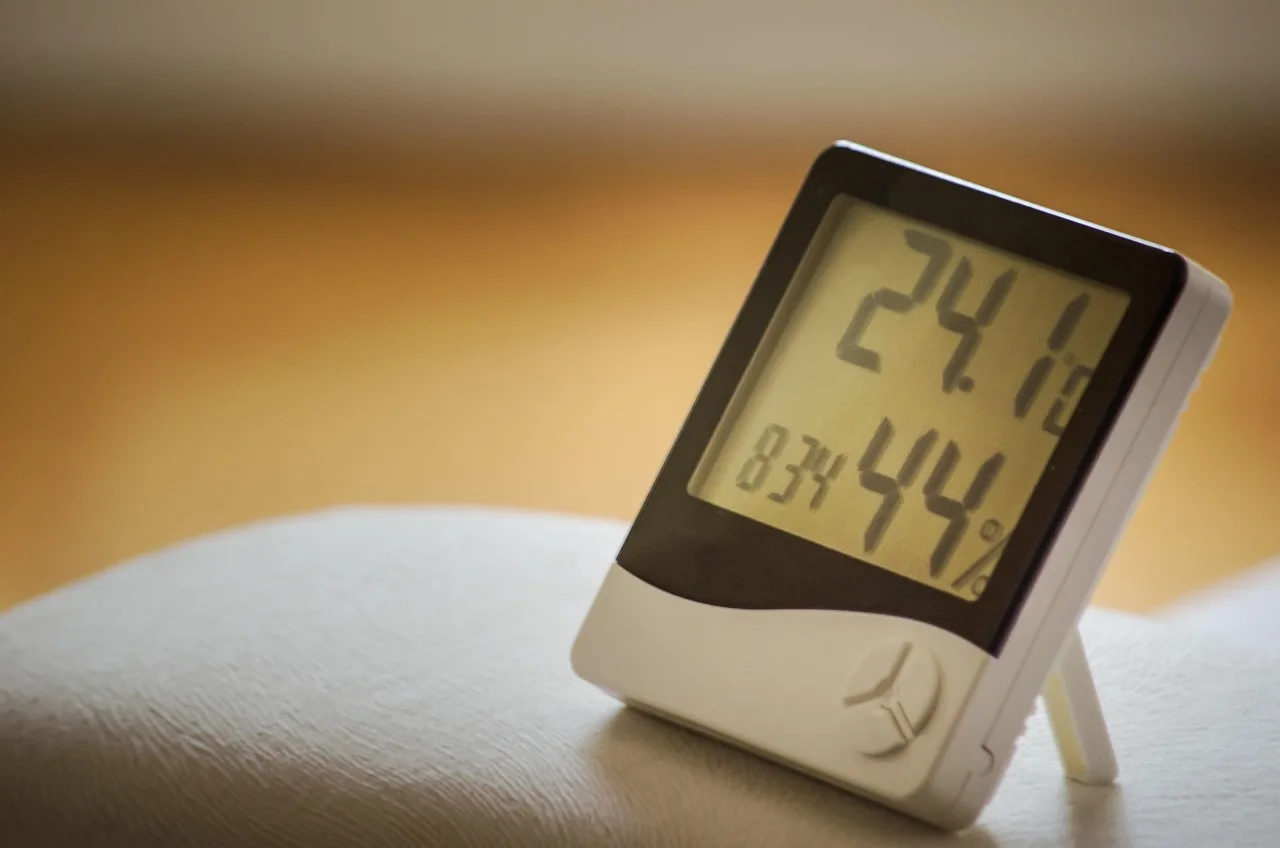
Measure indoor humidity with a digital hygrometer placed at plant height for about 15 to 30 minutes, then compare the reading with a second spot check; a common target for most houseplants in winter is about 40% to 60%. Wrong readings lead to dry leaf edges, stalled growth, or fungus after overwatering. This guide shows where to place the meter, how to verify the number, and when to change care.
What you need to measure humidity

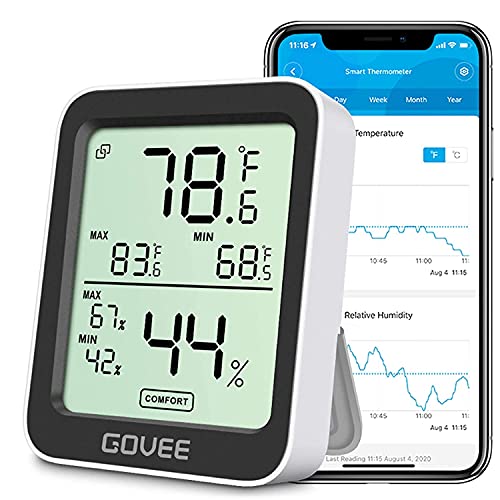

- A digital hygrometer with a stated accuracy tolerance.
- A second meter or a second reading spot for comparison.
- A temperature and humidity sensor if you want both numbers together.
- A humidity monitor probe if you need a remote sensor at plant height.
- A simple notebook, spreadsheet, or phone note for morning and evening logs.
- A calibration reference, such as a salt test setup, for error checking.
Digital meters are easier to read than analog ones, especially in winter light. A probe helps when you need the sensor in the plant zone while the display stays elsewhere. Keep the sensor away from heaters, vents, windows, and direct sun so you measure the plant area, not a draft or hot air plume.
How to measure indoor humidity at plant height
- Pick the plant zone. Place the meter where the leaves actually sit, not in the center of the room. Winter heating can make one corner read very differently from the spot your plant occupies.
- Let the reading settle. Leave the hygrometer in place for about 15 to 30 minutes before trusting the number. A display refresh rate that updates slowly can miss a change if you move the meter too fast.
- Compare two spots. Check a second nearby point at the same height, such as 1 to 3 feet away, then note the difference. If the readings drift by more than about 5 percentage points, the room has a real microclimate split.
- Log morning and evening. Record both readings on the same day, because heating and window exposure usually change relative humidity through the day. Pair the humidity number with the room temperature if your sensor can measure both.
- Decide before adjusting care. If the reading stays below your target across several checks, then consider a humidifier or grouping plants more tightly. If the number is inconsistent, verify the meter first rather than changing care on a single reading.
Suppose a fern sits on a bookshelf beside a heating vent. A meter across the room may say 44%, but the plant-height reading beside the shelf may drop to 31%. The second number is the one that matters for care.
Where should you place the hygrometer?
Place the hygrometer at leaf height, close to the plant but not touching leaves, soil, or the pot. Keep it away from heaters, vents, radiator covers, open windows, and direct sunlight. Those spots can distort the reading and hide the room-to-room variation that winter heating creates.
Placement rules by location
- Windowsill: keep the sensor a few inches back from the glass to reduce draft exposure and cold-surface bias.
- Near a heater: move it several feet away, because warm air lowers relative humidity and can make the reading look drier than the room average.
- Grouped plants: measure in the cluster center and once at the edge. Grouped pots often hold a slightly moister pocket of air than isolated plants.
- Isolated plant: measure at the exact canopy height, since one plant has less buffer from room air changes.
A humidity monitor probe is useful here because the sensor can sit with the plants while the display or device body stays out of the way. Look for non-rusting materials if the probe stays in a humid area for long periods. Bare PCB probe designs are common in small plant monitors, but the exposed sensor still needs careful placement.
How do you verify the reading?
Verify the number with a simple three-point routine: compare a second spot, check the same spot later, and confirm the meter against a reference method. A salt test or other known reference method helps you catch a meter that reads consistently high or low. If readings disagree, treat the meter as uncertain until it repeats.
Three-point verification routine
- Repeat the same spot. Take two readings from the same plant-height location, separated by 10 to 15 minutes. The numbers should be close; if they swing a lot, the sensor may be slow or unstable.
- Check a nearby point. Move the meter a short distance, such as to another pot in the same cluster or the other side of the shelf. A small change is normal; a large jump suggests a draft, heater plume, or window effect.
- Run a reference test. Use a salt test or other known reference method to check accuracy. A common target for a room meter is to stay within about 3 to 5 percentage points of the reference, though manufacturers may state a different tolerance.
Say a cheap monitor reads 38% near a plant and 52% across the room. After a salt test, it still reads low by 4 points. In that case, the monitor may still be usable if you account for the offset, but you should not rely on one reading alone.
What humidity is too low for winter houseplants?
For many common houseplants, winter humidity below about 40% often starts to matter, and below about 30% is usually too dry for plants that prefer moist air. The exact threshold depends on the species, but the reading should be taken at plant height, not at room center, because heating and drafts create uneven conditions.
How temperature changes the meaning of the number
Relative humidity depends on temperature. Warm air can hold more moisture, so the same amount of water in the air may read lower after heating turns on. That is why a temperature and humidity sensor is helpful: a 45% reading at 68°F does not mean the same thing as 45% at a much cooler window spot.
Use temperature to interpret the humidity reading, not to replace it. A colder windowsill can look damp in one sense and still stress leaves because cold drafts change how the plant experiences the air.
Do houseplants need a humidifier or just a humidity meter?
Start with a humidity meter. You need a reading before you decide whether a humidifier, plant grouping, or a different room is worth changing. A humidifier can help, but it should respond to a measured low reading at plant height, not to a guess based on the whole house.
Choose the right monitoring setup
- Basic hygrometer: best for a single shelf or one room where you only need relative humidity.
- Digital temperature and humidity sensor: best when you want both numbers together for winter interpretation.
- Humidity monitor probe: best when the sensor must sit close to plants while the device body stays elsewhere.
- Smart plant monitor: useful if you want logging and remote checks, especially with Home Assistant integration.
The device design matters too. The referenced plant monitor build uses an ESP32-S3 microcontroller, an AHT20 sensor for air humidity and temperature, a 450mAh battery, and a battery life of about 11 days. It also uses a removable probe, a 3D-printed case, and capacitance measuring devices built into the chip. A thermistor for soil temperature is optional, but that is separate from the air humidity reading.
Humidity measurement checklist
| Item | What to check | Target or rule |
|---|---|---|
| Placement zone | At plant height, beside the canopy | Not across the room |
| Heat sources | Distance from heaters and vents | Avoid direct airflow |
| Windows | Draft exposure and cold glass | Keep away from open or leaky windows |
| Readings | Morning and evening values | Track both, not one reading |
| Verification | Second spot and reference check | Watch for drift over 5 percentage points |
| Accuracy | Manufacturer tolerance and repeatability | Prefer a stated tolerance of about ±3 to ±5 percentage points |
| Action threshold | Winter relative humidity at plant height | 40% to 60% for most houseplants |
Room-by-room log template
| Room | Plant height | Morning RH | Morning temp | Evening RH | Evening temp | Notes |
|---|---|---|---|---|---|---|
| Living room | ___ | ___% | ___°F | ___% | ___°F | Heater nearby / window draft / grouped plants |
| Bedroom | ___ | ___% | ___°F | ___% | ___°F | ___ |
| Kitchen | ___ | ___% | ___°F | ___% | ___°F | ___ |
| Office | ___ | ___% | ___°F | ___% | ___°F | ___ |
Common mistakes
Many readers trust one reading, one room, or one cheap meter. That is the fastest way to miss winter dryness or overcorrect with a humidifier.
- Reading from across the room. Move the meter to the plant zone before you decide anything.
- Measuring beside a heater. Heat lowers relative humidity locally and can make the room look drier than it is elsewhere.
- Ignoring room-to-room variation. One room may sit at 55% while another stays near 35%.
- Skipping verification. Cheap sensors may drift or wear out, especially in damp environments, so repeat checks matter.
- Watching humidity without temperature. Winter air changes fast when heating cycles on, and temperature changes how the humidity reading should be read.
If that didn’t work, try this next
- Move the sensor first. Place it at plant height, away from heat, drafts, and windows, then wait 15 to 30 minutes.
- Compare the room again. Take a second reading in another plant zone to see whether the problem is local or whole-room.
- Verify the meter. Run a salt test or other reference method if the numbers still look inconsistent.
- Change care only after proof. Add humidity support, like a humidifier or plant grouping, only when the verified reading stays low.
Use the same measurement spot and log it morning and evening for several days. That routine makes winter drift visible before leaf edges or growth problems appear.
Frequently asked questions
How do I measure indoor humidity for houseplants in winter?
Place a digital hygrometer at plant height, wait 15 to 30 minutes, then record the reading in the same spot morning and evening. Repeat the check in a second plant zone before changing care. If the two spots differ a lot, the room has a real microclimate difference.
What humidity meter is best for houseplants?
A digital hygrometer is usually the simplest choice, and a temperature and humidity sensor is better if you want both numbers together. If the sensor must sit right by the leaves, a humidity monitor probe is useful. Choose a stated accuracy tolerance, not just a low price.
Where should I place a hygrometer for plants?
Place it beside the plant canopy, at the same height as the leaves, and keep it away from heaters, vents, open windows, and direct sun. If the plant sits on a windowsill, move the meter a few inches back from the glass to reduce draft bias.
What indoor humidity is too low for houseplants in winter?
Below 40% is often low enough to matter for many houseplants, and below 30% is usually too dry for humidity-loving types. Check the number at plant height, then look at temperature too. A colder window spot can create a different growing environment than the rest of the room.
Can I trust cheap humidity monitors for plants?
Sometimes, but only after verification. Cheap monitors can read off by several percentage points or drift over time, so check them against a salt test or another reference method. If the reading changes a lot from one spot to another, trust the pattern only after repeat checks.
How do I know if my houseplants are suffering from dry winter air?
Look for dry leaf edges, curled tips, stalled new growth, and faster moisture loss from the plant zone, then confirm with a meter. Do not rely on symptoms alone. Measure at plant height first, because heating can make one part of the room much drier than another.