Winter Houseplant Watering Schedule by Pot Size
Use a winter watering check, not a fixed weekly schedule: water only when the top 1 to 2 inches of mix are dry, then adjust the gap by plant group, pot size, soil type, room temperature, light, and pot material. Skip that check, and roots can rot or dry out fast as winter light drops and evaporation shifts. This guide shows how to adjust watering by pot size, soil type, room temperature, light, and pot material.
What changes in winter watering


Winter slows plant growth, but not at the same pace for every pot. Bright windows, warm rooms, heater drafts, pot size, and soil mix can all change how quickly a pot dries, so a rigid weekly calendar misses the real signal.
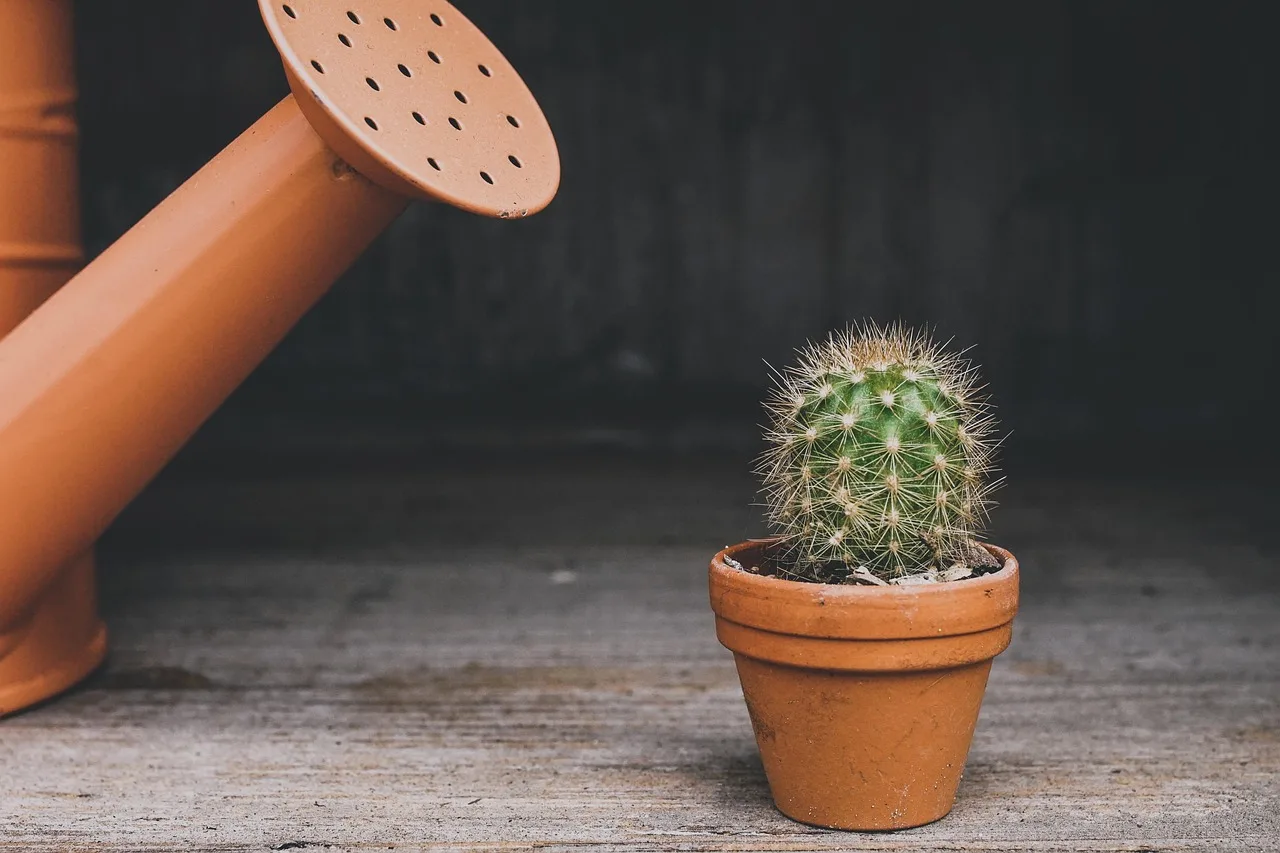
The safest rule is to match watering to drying speed. Small pots generally lose moisture faster than large ones. Terracotta dries faster than plastic. Low light usually reduces water use, while a sunny south- or west-facing window can dry a pot sooner than a shaded corner.
What you’ll need
- A finger or narrow wooden stick for the top-soil check
- A moisture meter for a second reading, not the only reading
- A tray or sink for bottom drainage after watering
- Houseplant mix suited to the plant group you keep
- A watering can with a narrow spout
- A notebook or notes app for your room-by-room interval
How to build your winter watering schedule
Start with the plant’s drying speed, then adjust for pot size, mix, room temperature, light, and pot material. The right interval is the one that lets the root zone dry enough between waterings without leaving the plant thirsty for long.
Group plants by thirst. Put tropical foliage plants, succulents, and slow-growing or semi-dormant plants on different schedules. Tropical foliage plants usually need more frequent checks than succulents, while semi-dormant plants often need the longest gap.
Check pot size first. Small pots dry faster than large ones, and diameter matters as much as volume. A 4-inch pot often dries sooner than a 6-inch pot with the same mix, so use the top-inch test on small pots and the top 2 inches on larger ones.
Adjust for the soil mix. Peat-heavy mixes hold moisture longer. Cactus and succulent mixes dry faster. Chunky mixes with bark or perlite often dry unevenly, so a dry surface can hide damp pockets below.
Factor in room conditions. Cool rooms slow evaporation, warm rooms speed it up, and heater-adjacent spots dry faster than the rest of the room. Bright south- or west-facing windows can also speed drying even in winter.
Account for pot material. Terracotta pulls moisture from the mix and usually shortens the interval. Glazed ceramic and plastic hold moisture longer, so they often need more time between waterings, especially in cool rooms.
Water through the mix, not just the surface. If the top is dry but the lower mix still feels damp, wait. For a pot with a drainage hole, water until moisture runs through the bottom, then let it drain fully before returning it to a saucer.
Recheck after watering and drainage. If the pot still seems dry after water has run through and drained, check the mix again rather than adding small top-offs. That keeps you from overshooting a mix that only looked dry at the surface.
Houseplant watering matrix
This matrix turns the variables into a practical range. Use it as a starting point for the plant group you are watering, then move one row wetter or drier based on light, pot material, and the plant’s group. In a mixed room, the heater-side pot usually lands on the shorter end of the range.
| Pot size | Soil mix | Room temperature | Typical winter interval | Water now / wait rule |
|---|---|---|---|---|
| 3 to 4 inches | Peat-heavy potting soil | Cool, 60 to 65°F | 5 to 9 days | Water now if the top 1 inch is dry and the pot feels light. |
| 3 to 4 inches | Chunky mix with bark or perlite | Cool, 60 to 65°F | 4 to 7 days | Water now if the top inch is dry; wait if the lower mix still feels cool and damp. |
| 3 to 4 inches | Cactus or succulent mix | Warm, 68 to 75°F | 7 to 14 days | Water now only when the mix is dry through the top 2 inches and the pot is very light. |
| 5 to 6 inches | Peat-heavy potting soil | Cool, 60 to 65°F | 8 to 14 days | Wait if the top 2 inches are dry but the meter still reads moist below mid-depth. |
| 5 to 6 inches | Standard potting soil | Moderate, 66 to 70°F | 7 to 12 days | Water now when the top 1 to 2 inches are dry and the meter reads dry at mid-root depth. |
| 5 to 6 inches | Cactus or succulent mix | Warm, 68 to 75°F | 10 to 21 days | Water now only if the entire root zone feels dry; otherwise wait several days and check again. |
| 7 to 8 inches | Peat-heavy potting soil | Moderate, 66 to 70°F | 10 to 18 days | Water now if the top 2 inches are dry and the lower half is no longer cool and damp. |
| 7 to 8 inches | Chunky mix with bark or perlite | Warm, 68 to 75°F | 8 to 16 days | Wait if the surface is dry but the meter still shows moist pockets in the lower half. |
| 7 to 8 inches | Cactus or succulent mix | Cool, 60 to 65°F | 14 to 28 days | Water now only when the pot is light through the full depth and the mix is dry throughout. |
Terracotta can shorten the interval by several days in the same room. Glazed ceramic or plastic can lengthen it. In low light, move toward the longer end of each range; near a bright south- or west-facing window, move toward the shorter end.
How do you know it needs water?
The top-layer check is the first step, not the only one. Use the finger test for the top 1 to 2 inches, then confirm with pot weight or a moisture meter before you water. Dense mixes and layered mixes can feel dry at the surface while the root zone still holds water.
A moisture meter works best as a cross-check. Many home meters read dry in the lower range and moist in the middle range, but the exact scale varies by model. If the top is dry, the pot feels light, and the meter reads dry to barely moist at root depth, water. If the top is dry but the lower zone still reads moist, wait.
Say your 4-inch terracotta pot sits in a west window above a heater vent. The surface may dry in a few days, but the pot can still need water sooner than the same plant in plastic because the clay and warm air pull moisture away faster.
Common mistakes
Most winter watering problems come from using one rule for every pot in the room. A collection can include a 3-inch terracotta cactus, a 6-inch plastic pothos, and a slow-growing plant in a glazed pot, and each one dries on a different schedule.
- Watering by the calendar. Fix: use the matrix, then confirm with the finger test and pot weight.
- Trusting only the surface. Fix: if the top is dry but the lower mix is moist, wait and check again later.
- Ignoring drainage holes. Fix: water only pots that drain freely, and empty saucers after each watering.
- Forgetting heater-dry air. Fix: move the plant farther from the vent or shorten the interval by a few days.
- Using the same rule for every plant group. Fix: keep succulents on a much longer interval than tropical foliage plants.
Suppose a 6-inch glazed ceramic fern sits 2 feet from a heater and the top 2 inches feel dry. If the lower mix still reads moist, wait, do not top off every few days. That plant is more likely to suffer from repeated wet-dry swings than from a single longer gap.
Prevention: Put each pot back in the same light zone after watering. A bright window on one side of the room and a cold corner on the other can turn one mixed collection into several different drying schedules.
Frequently asked questions
How often should I water houseplants in winter?
Water when the top 1 to 2 inches are dry, then use pot size, mix, room temperature, and pot material to choose the interval. For many indoor plants, that means anywhere from about 5 days to 3 weeks, with succulents landing on the longer end and warm, bright spots on the shorter end.
Does pot size change how often houseplants need water?
Yes. Smaller pots dry faster because they hold less mix and expose more of the root zone to air. A 4-inch pot usually needs checking sooner than a 6-inch pot, and a 7- or 8-inch pot can hold moisture long enough that the top dries before the bottom does.
Does soil type affect winter watering frequency?
Yes. Peat-heavy mixes hold water longer, cactus and succulent mixes dry faster, and chunky mixes can dry unevenly. If the top looks dry but the pot still feels heavy, the mix is probably still holding moisture below the surface.
How does room temperature change houseplant watering?
Cool rooms slow evaporation, so the interval usually stretches. Warm rooms and heater-adjacent spots dry the mix faster, so the interval usually shortens. In a room that swings between cool nights and warm days, check more often rather than guessing from the calendar.
Should I water less if my houseplant is near a heater?
Usually no. You often need to water more often, because heater-dry air and warm airflow can dry the pot faster. Move the plant away from direct vent heat if you can, then keep using the top-soil check and pot-weight check before every watering.
What is the best winter watering schedule for succulents?
Succulents usually need the longest interval in winter. Wait until the mix is dry throughout, the pot feels very light, and the plant shows no cool, damp pocket below the surface. In many homes, that often lands closer to 2 to 4 weeks than to a weekly routine.
Should I use moisture meters for winter houseplant care?
Yes, as a cross-check. A meter is useful when the top inch looks dry but the root zone may still be moist. Use it with the finger test and pot weight, especially in dense soil, layered mix, or larger pots where the surface can mislead you.