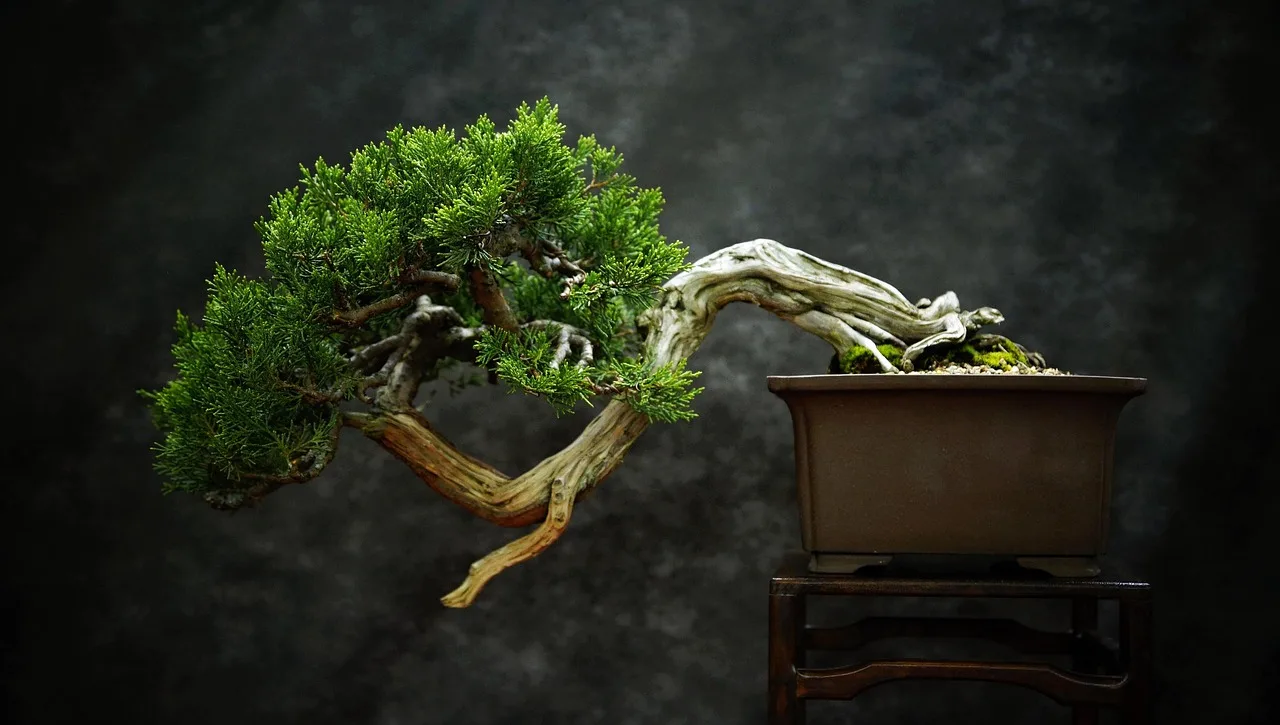
How to Keep a Bonsai Tree Healthy on a Windowsill
Choose a tropical or subtropical bonsai for a windowsill. Give it about 6 or more hours of bright light or a grow light, and water only when the top 1/2 inch of soil feels dry. Miss that balance and the tree can drop leaves, weaken, or die from root rot. This guide covers window direction, species choice, watering rhythm, humidity, temperature swings, and seasonal care.
Windowsill bonsai basics


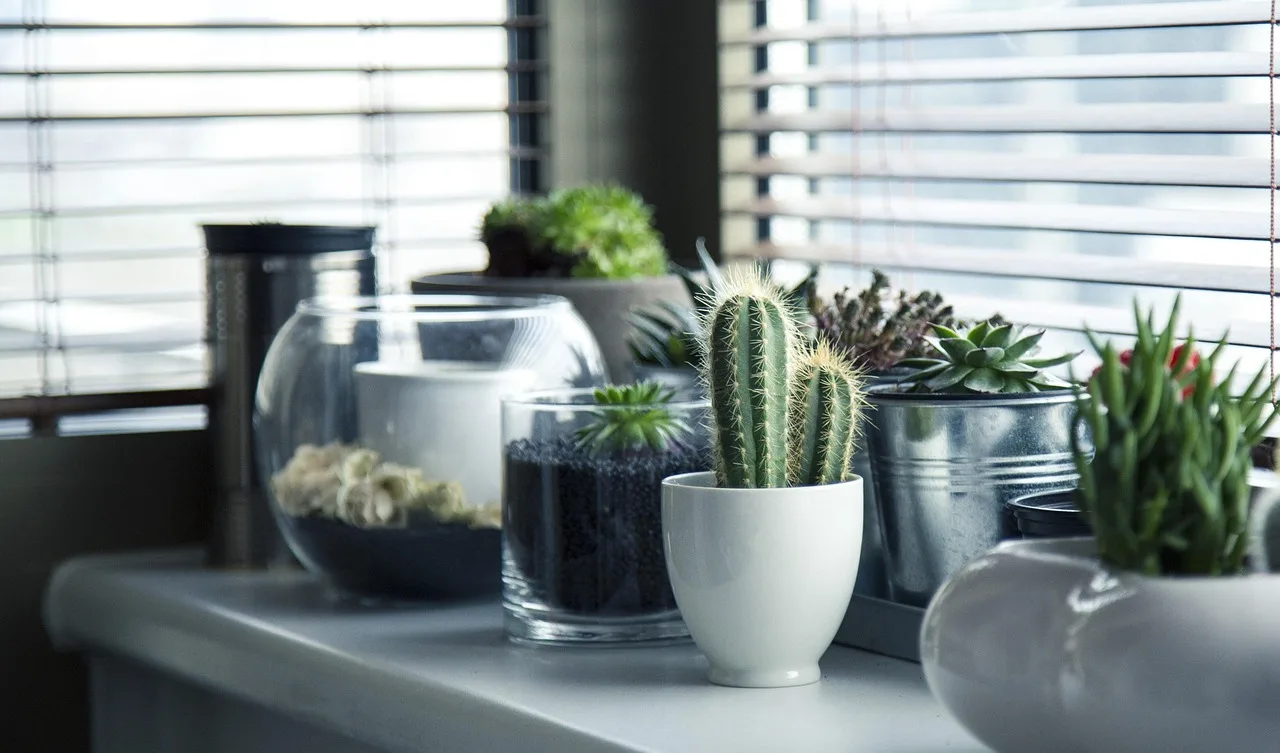
A windowsill creates two main challenges: light and placement. Indoor bonsai usually need a bright spot, and a south-facing window is the easiest starting point for many trees. Heat vents, cold drafts, air conditioners, and radiator blasts can stress roots and foliage even when the window itself is bright.
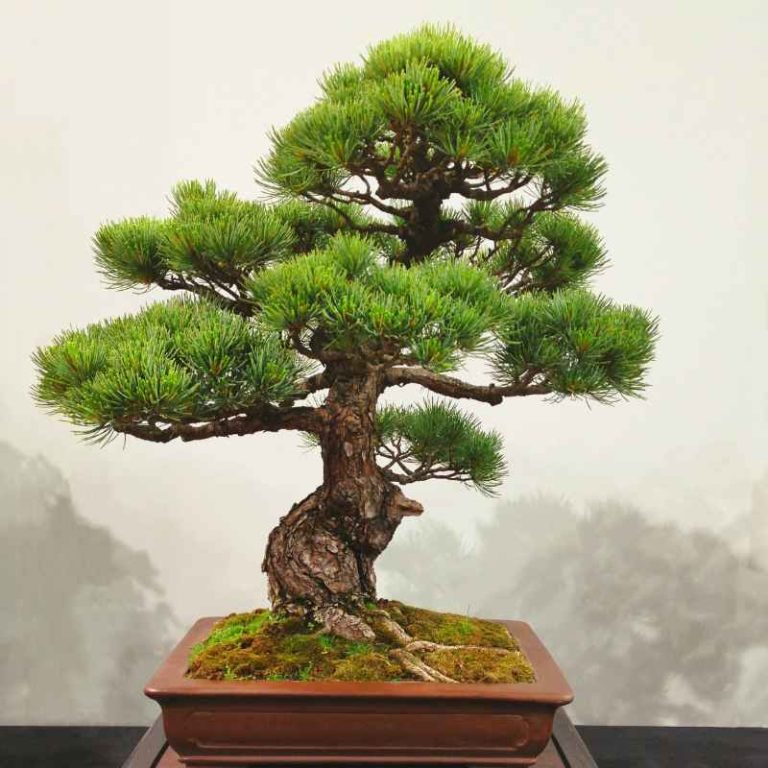
Indoor bonsai are best treated as tropical or subtropical plants unless the species is known to stay outside year-round. Most temperate outdoor species, including juniper, pine, spruce, and maple, must live outdoors. They depend on seasonal outdoor conditions, stronger sun, and winter changes that a windowsill cannot provide.
What you’ll need
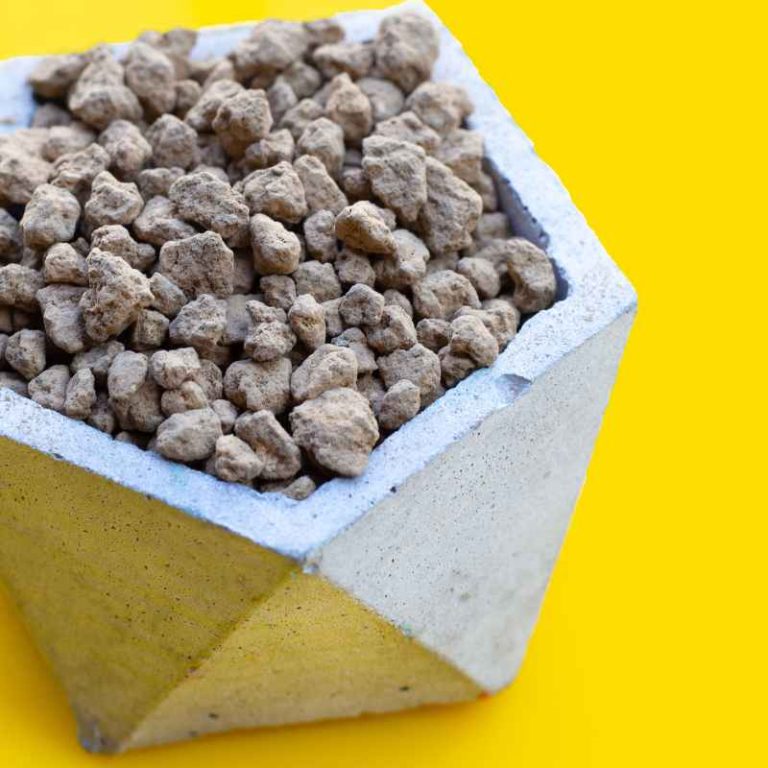
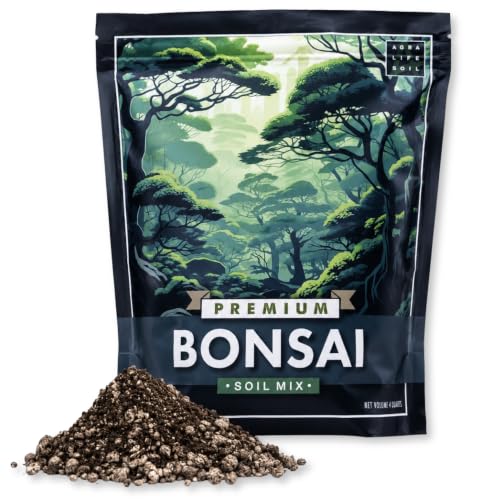
- A bonsai in a fast-draining bonsai soil mix with akadama, pumice, and lava rock
- A humidity tray, pebbles, and water, or a small room humidifier
- A watering can with a fine spout
- Balanced liquid fertilizer
- Clean pruning shears or bonsai scissors
- A repotting pot with drainage holes
- Fresh bonsai soil for repotting
- A grow light if the window is weak or north-facing
Windowsill care matrix
| Window direction | Recommended species | Ideal distance from glass | Draft or vent risk | Grow-light need | Watering cues | Humidity fixes | When to escalate | Top failure sign |
|---|---|---|---|---|---|---|---|---|
| South-facing | Ficus, jade, Chinese elm, schefflera | Close enough for strong light, but not pressed against hot glass | Low to moderate if a vent or radiator is nearby | Usually none unless the sill is shaded | Check daily; water when the top 1/2 inch feels dry | Humidity tray or small humidifier if the room is dry | Move it back from hot glass if leaf edges crisp, or add a humidifier if foliage dries quickly | Leaf scorch or dry, crisp edges from too much direct sun |
| East-facing | Ficus, Chinese elm, schefflera | Near the glass for morning light, with a little buffer from cold panes | Moderate, especially from overnight drafts | Sometimes needed in winter or on dim sills | Check daily; soil often dries more slowly than on a south sill | Humidity tray helps; misting can be a supplement | Add grow light support if growth stretches or tilts toward the window | Long internodes and leaning toward the window |
| West-facing | Ficus, jade, schefflera | Set back enough to avoid hot glass in the afternoon | Moderate to high from afternoon heat | Usually none unless the tree is pulled away from the glass | Check daily; afternoon heat can dry the pot fast | Humidity tray plus airflow away from hot glass | Move it farther from the pane if leaves wilt after hot afternoon exposure | Wilting or leaf drop after hot afternoon exposure |
| North-facing | Ficus with grow light, jade with strong supplemental light | As close as practical to the brightest spot without blocking airflow | Often low, but the window can still feel cold at night | Usually needed for healthy growth | Check daily; lower light usually slows drying | Small humidifier is often more useful than misting alone | Add a grow light if the canopy pales, stretches, or drops leaves | Pale growth, leaf drop, and a strong lean toward the glass |
What kind of bonsai can live indoors?
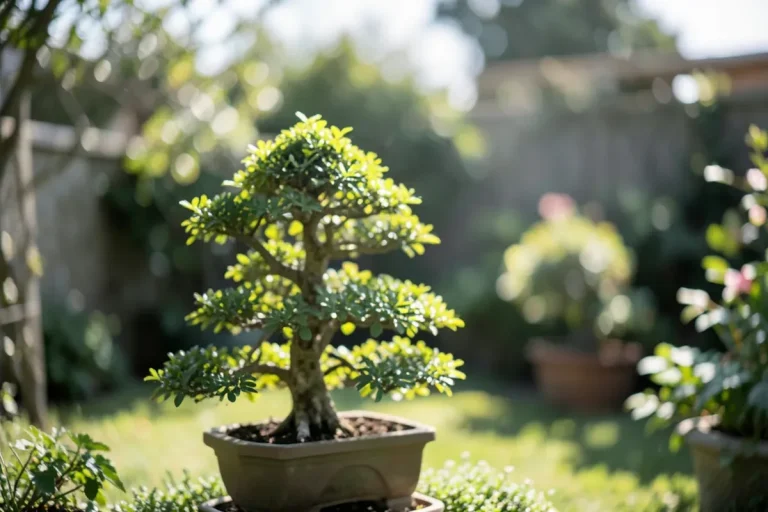
Tropical and subtropical bonsai are the safest indoor choices. Ficus, jade, Chinese elm, and schefflera handle indoor conditions better than temperate outdoor species, especially on a bright windowsill with steady warmth. Tropical indoor bonsai do best around 20°C with lows of no less than 15°C, while subtropical indoor bonsai can tolerate winter temperatures down to around 7°C.
Best indoor-tolerant species
Ficus is the easiest place to start because it tolerates indoor light variation better than many bonsai. It prefers bright light, steady warmth, and moderate humidity, and it is usually more forgiving when the room air dries out. Jade stores water in its leaves and stems, so it can handle missed watering better than thirstier trees, and it prefers drier air and less frequent watering. Chinese elm and schefflera can also work well indoors if the window is bright and the pot dries at a steady pace; both appreciate moderate humidity and more cautious watering than jade.
Species to avoid indoors
Juniper, pine, spruce, and maple are outdoor species. They need seasonal outdoor conditions, stronger sun, and winter changes that a windowsill cannot provide. Keeping them inside usually leads to thinning growth, weak buds, or decline.
How window direction changes species choice
A south-facing window gives the widest species choice. East-facing windows can support tolerant tropical species, but the light is softer. West-facing windows can work if afternoon heat is managed. North-facing windows are often too dim for many bonsai unless you add a grow light for around 10 hours a day.
How to place the tree on the sill
Put the tree in the brightest safe spot the window allows, but keep leaves from baking against hot glass. Rotate the pot regularly so the tree does not lean toward one light source. One-sided light makes crooked growth fast, especially on a narrow sill.
- Pick the brightest safe spot. Set the pot where it gets strong light without resting against the pane. If the window is weak, add a grow light for around 10 hours a day.
- Move it off heat and drafts. Keep the tree away from radiators, vents, air conditioners, and cold night drafts. Those swings dry foliage and roots unevenly.
- Rotate the pot weekly. Turn it a quarter turn so each side gets light. This helps prevent a permanent lean and keeps the canopy more even.
Suppose a ficus sits on a west-facing sill beside a heat vent. The side near the glass may dry first, then the plant drops leaves on that side while the shaded side stays slower to dry. Move it about 30 to 60 cm away from the vent and rotate it once a week; that is often more effective than watering more often.
How do you water a bonsai on a windowsill?

Check the soil daily and water based on soil dryness, not the calendar. Water until it drains from the holes, then empty the drip tray. The goal is even moisture without soggy roots, because standing water can rot fine roots quickly.
- Check the top layer daily. Press a finger into the top 1/2 inch of soil. If it feels dry, it is time to water; if it still feels damp, wait.
- Water until it drains. Pour water evenly across the soil surface until it runs from the drainage holes. That ensures the root ball is wetted through, not just the top layer.
- Empty the drip tray. Pour out runoff after watering. Letting the pot sit in water keeps the lower root zone soggy.
A common first-timer mistake is giving the bonsai a fixed watering schedule instead of checking whether the soil on the windowsill has actually started to dry out. On a warm south sill, the soil may dry fast; on a north sill, it may stay wet much longer. The pot decides the timing.
If that didn’t work, try this next
- Check the soil mix. If water sits on top or drains too slowly, repot into a special bonsai substrate. Standard potting soil can hold too much water for bonsai.
- Reduce tray use. A humidity tray should not keep the pot base wet. The tray should raise local humidity, not act as a saucer full of standing water.
- Inspect roots at repotting time. If the root mass is dense and circling the pot, the tree may be rootbound and drying erratically. Trim roots during the next early-spring repot.
How do you feed, prune, and repot it?
Indoor bonsai need regular feeding, light pruning, and periodic repotting to stay compact and healthy. Use a balanced liquid fertilizer at about half strength every two to four weeks from spring through early autumn, then reduce in winter. Maintenance pruning can be done through the whole growing season.
Fertilizer timing and strength
Use a balanced liquid fertilizer at half strength every two weeks in spring and summer, then space it out or reduce it in winter. On a bright windowsill, growth still slows when daylight drops, so heavy feeding is more likely to salt the soil than to help the tree.
Maintenance pruning for compact growth
Trim new growth through the growing season using the 4-to-2 rule: let a shoot grow to about 4 sets of leaves, then cut it back to 2. Remove crossing twigs, downward-growing shoots, and dead twigs. This keeps airflow moving through a dense canopy and lets light reach inner buds.
When to repot and trim roots
Young bonsai are repotted roughly every two years. Older bonsai are repotted every three to five years. Early spring is the usual window, and root trimming goes with it when roots fill the pot, water drains too fast, or the root mass is packed tight against the sides.
- Feed on a set rhythm. Apply half-strength balanced liquid fertilizer every two to four weeks from spring through early autumn.
- Trim for airflow. Cut back crossing, downward, and dead twigs during spring and summer growth.
- Repot in early spring. Lift the tree, loosen the root ball, trim congested roots, and reset it in fresh bonsai soil.
Common mistakes
- Putting a temperate tree indoors. Juniper, pine, spruce, and maple decline inside because they need outdoor conditions.
- Using standard potting soil. It holds too much water. Use a fast-draining bonsai mix with akadama, pumice, and lava rock.
- Watering by habit. Check the soil daily instead of following a fixed schedule.
- Relying on misting alone. Mist can help briefly, but a humidity tray, pebbles and water, or a small humidifier does more for dry indoor air.
- Ignoring window stress. Heat blasts, cold drafts, and air conditioners can do more damage than low light alone.
Picture a north-facing office sill with a ficus, a dry radiator below, and a shallow drip tray left full after watering. The tree may drop leaves for two reasons at once: too little light and soggy roots. Move it to brighter light, empty the tray, and add a grow light if needed.
Prevention is simple: match the species to the window before buying the tree. That one choice prevents most indoor bonsai failures.
Frequently asked questions
Can you keep a bonsai tree inside?
Yes, but only some species do well indoors. Ficus, jade, Chinese elm, and schefflera are common choices because they tolerate warm rooms and bright windows better. Outdoor species such as juniper and maple should stay outside, where light, temperature swings, and seasonal changes are stronger.
How often should I water a bonsai on a windowsill?
Water when the top 1/2 inch of soil feels dry, not on a fixed day of the week. Bright south and west windows usually dry faster than east or north windows. Always water until it drains, then empty the tray so roots do not sit in runoff.
Why is my bonsai dropping leaves on the windowsill?
Leaf drop usually points to one of three problems: too little light, overwatering, or heat and draft stress from the window area. Check the soil first, then move the tree away from vents and hot glass. If the window is weak, add a grow light for around 10 hours a day.