How to Identify the Main Parts of a Plant
Identify the main parts of a plant by starting at the base, then tracing roots, stem, leaves, and any flowers, fruits, or seeds. If flowers are missing, use leaf and stem features first. A wrong read can lead to the wrong plant name or a bad care choice. This guide follows a field-style order for spotting the main parts on a real plant or in an image.
What you’ll need
- A plant in the field, a potted plant, or a clear photo
- Good light so leaf shape and branching are easier to see
- A hand lens or phone camera zoom for small details
- Paper and pencil for a quick sketch or labels
- Optional: a ruler or coin for rough size comparison
How do you identify the main parts of a plant?
Start with the growing site, then read the plant from the ground up: roots below ground, stem or trunk in the middle, leaves attached to the stem, and flowers, fruits, or seeds when present. Use branching pattern, leaf arrangement, and habitat context before you worry about fine details. That order works even when flowers are missing.
-
Check the habitat first.
Note whether the plant is in a wetland, garden, desert, shade, woodland edge, or roadside strip. Habitat narrows the likely options before you inspect any structure. -
Read the growth form.
Decide whether it is a low herb, a shrub, a vine, a seedling, or a tree. The overall form tells you where to expect the main stem and how much branching to examine. -
Trace the main stem.
Find the main stalk or trunk and follow it upward from the base. A stem keeps the plant upright and moves water from roots to the upper parts. -
Sort attached leaves.
Look for flat, usually green blades with veins. Leaves make food with sunlight, so they usually sit where they can catch air and light. -
Look for flowers, fruits, and seeds.
Check the tips and leaf joints for reproductive structures, then note any fruits or seeds. Flowers may be seasonal or hard to spot, but fruits and seeds can still give away the plant’s identity.
Say your plant is a knee-high weed beside a sidewalk in full sun. If the flowers are absent, the branching pattern and leaf arrangement still help you separate it from a similar weed in shade, where stems may stretch and leaves may be larger and thinner.
What are the four main parts of a plant?
The four main parts of a plant are often taught as roots, stem, leaves, and flowers, especially for flowering plants. Roots anchor the plant and absorb water from soil. The stem supports the plant and helps move water upward. Leaves make food with sunlight. Flowers help the plant make seeds so new plants can grow.
Roots
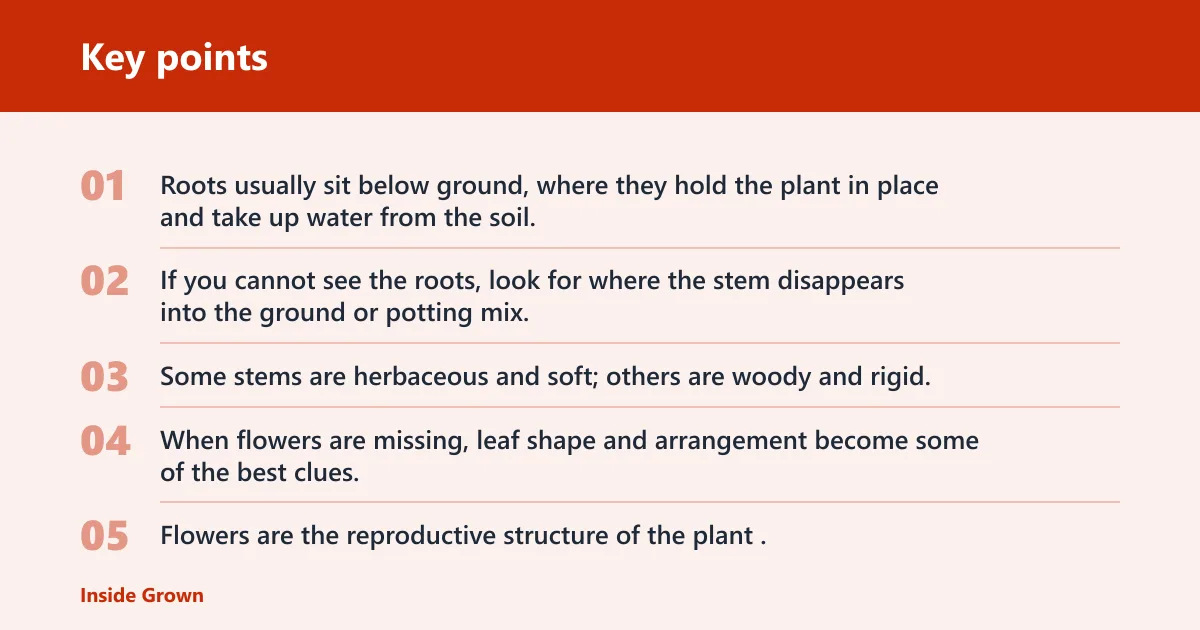
Roots usually sit below ground, where they hold the plant in place and take up water from the soil. In some plants, roots also store food. If you cannot see the roots, look for where the stem disappears into the ground or potting mix.
Stem
The stem is the main stalk or trunk. It holds the plant upright and moves water from roots to leaves. Some stems are herbaceous and soft; others are woody and rigid. That difference matters when you are sorting a young herb from a shrub or tree.
Leaves
Leaves are commonly green and flat. They make food through photosynthesis and need sunlight and air to do it. Veins move materials through the leaf. When flowers are missing, leaf shape and arrangement become some of the best clues.
Flowers
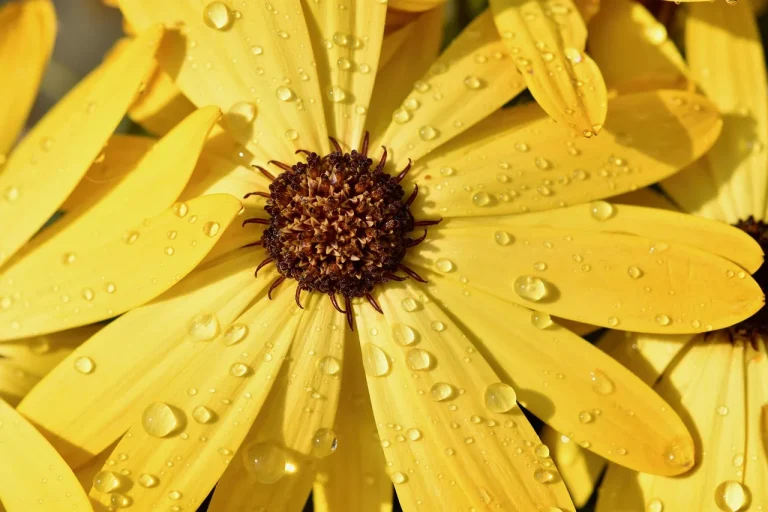
Flowers are the reproductive structure of the plant. They help make seeds, and they may be inconspicuous or only visible during part of the season. Counting petals can help identification; some flowers have 4 or 5 petals, while others have 3 or 6.
How can you tell roots, stems, and leaves apart?
Use position and function first: roots are below ground, stems are the main support, and leaves are the flat parts usually attached to stems. Then compare texture and connection points. A leaf stalk, or petiole, can look like a stem at first glance, so follow it back to the blade.
Roots: position, texture, and function
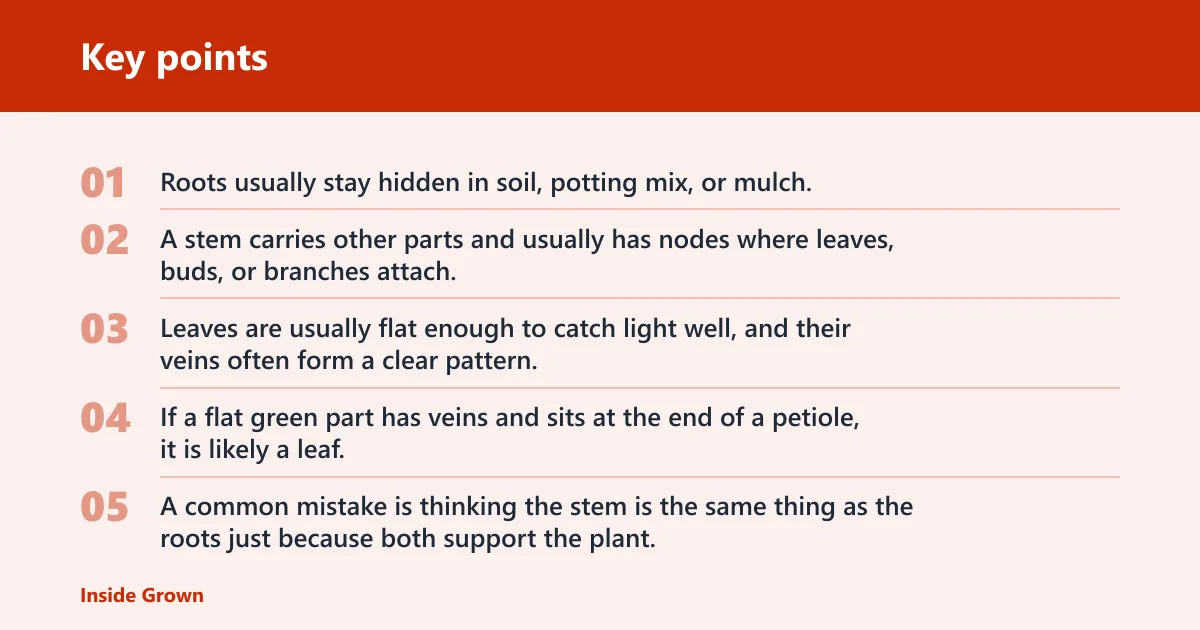
Roots usually stay hidden in soil, potting mix, or mulch. They are often thinner, more branched, and less leaflike than stems. If a plant is uprooted or in a clear pot, look for the point where roots branch from the base and spread outward to anchor the plant.
Stem versus leaf stalk
A stem carries other parts and usually has nodes where leaves, buds, or branches attach. A petiole only supports a leaf blade. To tell them apart, follow the structure upward: if it ends in a blade, it is part of a leaf; if it keeps supporting other organs, it is stem.
Leaves, veins, and stomata
Leaves are usually flat enough to catch light well, and their veins often form a clear pattern. Stomata are too small to see clearly without magnification, but their presence explains why leaves need air as well as light. If a flat green part has veins and sits at the end of a petiole, it is likely a leaf.
A common mistake is thinking the stem is the same thing as the roots just because both support the plant. On many plants, a side shoot or young stem can look leaflike until you find the node, the blade, or the bud at the base.
What parts of a plant should I look at first for identification?
Begin with habitat and growth form, then check branching pattern, leaves, stem, and reproductive parts. That order works because flowers are missing on many plants for much of the year. Branching pattern is one of the easiest clues to observe, and opposite versus alternate arrangement can narrow the search fast.
Branching pattern
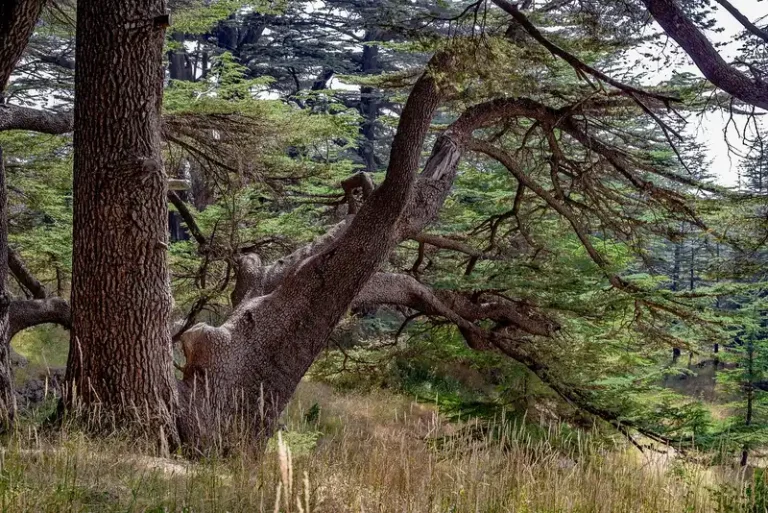
Opposite branching means two leaves or branches arise at the same level on opposite sides of the stem. Alternate branching means one leaf or branch appears at each node, switching sides as you move up the stem. This clue can be visible even on leafless twigs.
Flowers, fruits, and seeds
If flowers are present, count petals and note size, color, and timing. If flowers are gone, fruits may still show how the plant disperses seeds. Fruits develop from the ovary, protect seeds, and help spread them by animals, wind, or water. Seeds contain embryos and support reproduction.
Plant parts decision checklist
Use this checklist when the plant is damaged, out of season, or missing flowers. The most reliable clue is often the one that still survives after the obvious part is gone.
| Plant part | What to look for | Common confusion | Most reliable clue when damaged or missing |
|---|---|---|---|
| Roots | Below-ground parts that anchor the plant and absorb water | Stem bases, underground runners, storage organs | Look for the point below the soil line where thin branching structures spread outward |
| Stem | Main stalk or trunk that supports the plant and carries water upward | Leaf stalks, petioles, young side shoots | Follow the structure to nodes where leaves, buds, or branches attach |
| Leaves | Usually green, flat blades with veins and stomata | Leaflets, bracts, flattened stems | Find the blade connected by a petiole, then check for veins across the surface |
| Flowers | Reproductive structures that help make seeds | Colored leaves, buds, fruit caps | Count petals and look for the flower’s position at tips or leaf joints |
| Fruits | Parts that develop from the ovary and protect seeds | Swollen stems, seed pods, cones | Check whether the structure opens, dries, or carries seeds for dispersal |
| Seeds | Small reproductive units containing embryos | Fruit flesh, pollen, debris | Look for hard or fleshy units that can move by wind, water, or animals |
Common mistakes
People often stop at naming parts and miss the features that separate look-alikes. A leaf stalk can be mistaken for a stem, and a flattened stem can be mistaken for a leaf. The fix is to trace connections, check nodes, and compare several features instead of one.
Another mistake is assuming flowers must be present for identification. Many plants are easiest to identify from leaves, branching, habitat, and fruit, especially when the plant is a seedling, dormant, or leafless. Do not force a flower-based ID when the plant is not in flower.
Say a shrub has no blooms, but the twigs show opposite branching and the leaves sit in pairs. That pattern is often enough to narrow the group before you ever look at fruit.
What is the difference between plant parts and plant cell parts?
Plant parts are the visible organs you can point to on a whole plant, such as roots, stems, leaves, flowers, fruits, and seeds. Plant cell parts are tiny structures inside each cell. If you are labeling a living plant or a worksheet diagram, stay with whole-plant parts unless the lesson asks for cells.
How do I label the parts of a plant on a worksheet
Start by matching the main shapes on the page to the whole-plant parts: roots at the bottom, stem in the middle, leaves on the sides, and flowers, fruits, or seeds near the top or at branch tips. If the worksheet includes all six labels, use the image’s position and function to place each one.
-
Label the base first.
Put roots below the soil line or lowest part of the drawing. That keeps the rest of the diagram oriented correctly. -
Mark the main stalk.
Label the stem or trunk that supports the plant and connects the lower and upper parts. -
Tag the leaf blades.
Place leaf labels on the flat parts, not on the petioles unless the worksheet specifically asks for them. -
Finish with reproductive parts.
Label flowers, fruits, and seeds where they appear on the diagram, then check that each label matches the visible structure.
Some worksheets also include stems, leaves, flowers, fruits, and seeds together, which helps show the plant life cycle instead of only the four basic parts.
Why do some plants look hard to identify?
Plants look hard to identify when the best clues are missing or changed by season, damage, or growth stage. Seedlings are small. Dormant plants may have leafless twigs. Flowers may be absent. In those cases, use habitat, branching, stem texture, leaf arrangement, and fruit or seed features to narrow the plant down.
Frequently asked questions
What does each part of a plant do?
Roots anchor the plant and take in water from the soil, and some also store food. The stem supports the plant and moves water upward. Leaves make food through photosynthesis. Flowers help make seeds. Fruits protect seeds, and seeds contain embryos for new plants.
How can I tell roots, stem, leaves, and flowers apart?
Check where each part sits and what it connects to. Roots are below ground, stems are the main support, leaves are usually flat and green, and flowers are the reproductive structures at tips or leaf joints. If a structure carries a blade, it may be a petiole rather than a stem.
What features of a plant help with identification?
Habitat, growth form, branching pattern, leaf arrangement, stem type, flowers, fruits, and seeds all help. Opposite versus alternate branching is especially useful on leafless twigs. Petal count can also help when flowers are present, and even smell can narrow the possibilities in some plants.
Do all plants have flowers?
No. Many plants are non-flowering, including ferns and mosses. When flowers are missing, look first at branching pattern, habitat, and the way leaves attach to the stem.