How to Determine If Your Bonsai Needs a Deeper Pot
If roots hit the pot floor, circle tightly, or a species wants a deeper root run, move to a deeper training pot; if the tree is healthy and drainage is already balanced, keep the same depth and fix roots or soil instead. Wrong depth can slow growth, rot roots, or make the tree dry too fast. This guide shows how to check root structure, water behavior, and species needs before you change pot size.
How bonsai pot depth affects roots
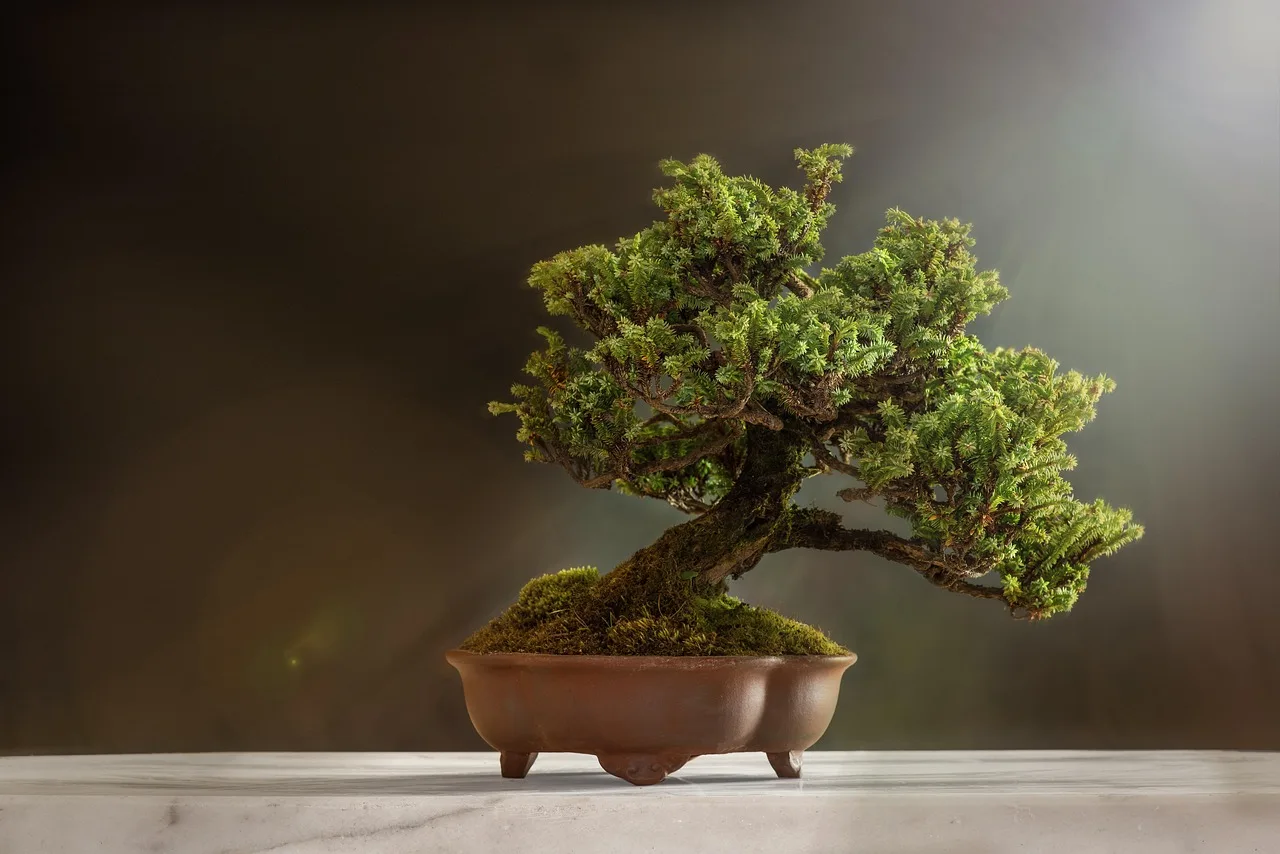


Bonsai pot depth changes how roots, air, and moisture behave. Shallow pots dry faster and force roots into a thinner soil layer. Deeper pots hold more soil and moisture, which can help some trees but can also keep a weak mix wet too long.
Depth is usually tied to trunk thickness and root structure, not guessed from height alone. A common rule of thumb is to measure the trunk diameter just above the nebari, then match depth to that number. The example guide says a 1-inch trunk needs about 1 inch of pot depth, and a 2-inch trunk needs about 2 inches of depth.
What a bonsai pot must have
A bonsai pot should have drainage holes and wiring holes. Multiple primary drainage holes help excess water escape, and wiring holes help secure the tree so the root ball does not shift in a shallow container. That stability matters because movement can break fine roots and slow recovery after repotting.
Classic bonsai pots are commonly ceramic or porcelain stoneware. Shape also matters: rectangular and oval pots are commonly described as about two-thirds of the tree’s height, while round or square pots are commonly described as about one-third of the tree’s height. Those ratios help with balance, but they do not replace a root check.
Training pots are different from display pots and from growing boxes. A training pot is a working container for development, while a growing box gives even more room for root expansion and trunk thickening. Display pots are usually the finished container, so they should be chosen after root behavior and development stage are clear.
| Pot type or shape | Typical use | Depth cue |
|---|---|---|
| Training pot or growing box | Early development | Usually shallower than standard plant pots |
| Rectangular or oval | Most formal bonsai displays | About two-thirds of tree height |
| Round or square | Many balanced or informal styles | About one-third of tree height |
Bonsai pot checklist
Use this yes-or-no checklist before you change depth. It separates real depth needs from problems that only look like depth problems.
- Yes: Drainage holes are open and not blocked by mesh or compacted mix.
- Yes: Wiring holes are present so the tree can be tied down securely.
- Yes: The current pot is not holding standing water after watering.
- Yes: The trunk diameter just above the nebari roughly matches the current depth.
- Yes: The root plate is not so thick that it presses hard against the pot floor.
- Yes: The mix drains well enough that the surface does not stay soaked for long.
- Yes: The tree is not drying out far faster than the pot size would suggest.
- Yes: Roots are crowded, but the issue may still be root pruning rather than a deeper pot.
- Yes: The species is one that may want more depth, such as flowering or fruiting bonsai.
- Yes: The tree is in a development stage that still benefits from a training pot.
Best next action
After the checklist, choose the simplest fix that matches the strongest signal. If the tree is drying too fast, check whether the container is too shallow for the root mass. If water lingers, hold the depth steady and improve the soil or drainage first. If the tree is still in development, a training pot or growing box may be the better intermediate step.
How to measure trunk and root depth
Measure the trunk just above the nebari, not at the widest flare and not from canopy width. That number is a useful quick reference for depth. Then compare it to the current pot depth and to the thickness of the root plate, because a root-bound mat can sit on the same depth and still need pruning rather than a larger container.
Do not pry apart the whole root mass unless repotting is already due. A shallow inspection at the surface, plus a check of drainage and watering behavior, is usually enough to decide whether you need more depth or better soil management.
How to measure trunk diameter above the nebari
-
Clear the surface line.
Brush away top dressing so the nebari is visible. Measure just above the surface roots, because that point gives the best size reference for pot depth. -
Measure straight across.
Use a ruler or caliper across the trunk at that point. If the trunk is oval, take the widest crosswise measure so the depth is not undersized. -
Compare depth and root plate.
Look at the current pot depth and the apparent thickness of the root mass. If the roots fit comfortably but the tree dries too fast, the problem may be mix or pot size, not root crowding.
Suppose about a 2-inch trunk sits in a pot that is only about 1 inch deep, but the mix drains fast and the roots are still open through the pot. That tree may simply need a repot at the same depth, not a deeper container. The depth rule has to match root behavior, not act as a blind upgrade.
Signs your tree needs a deeper pot
A deeper pot makes sense when the species, root run, or water use calls for it. Flowering and fruiting bonsai may need slightly more depth, and pines often prefer slightly deeper pots than maples of the same height. Trident maples also need deeper pots because they grow roots rapidly.
Look for signs that the tree needs more root volume, not just signs that the surface looks crowded. Fast dry-down in a healthy mix can point to shallow soil volume. A tree that stays wet after watering points the other way, and a deeper pot can make that worse if drainage or watering is already off.
Do you need a deeper bonsai pot?
Use this yes-or-no diagnostic to separate real depth needs from lookalike problems. Give each yes answer 1 point, then read the score with the root structure and species demands in mind.
- Yes: The trunk diameter above the nebari is clearly larger than the current depth.
- Yes: The root plate is shallow enough that roots spread wide but not deep.
- Yes: The species is a flowering or fruiting bonsai that benefits from a bit more depth.
- Yes: The tree is a pine or a species that prefers slightly deeper pots than maples.
- Yes: The current pot dries out much faster than expected even with proper watering.
- Yes: The tree is in active development and still needs room for root growth.
- Yes: The current pot has drainage holes, but water still moves through too quickly for the species.
- Yes: The root mass is crowded but not tightly circling against the bottom only.
- Yes: The tree is stable in the pot, so the issue is not tie-down movement.
- Yes: The mix is open and free draining, so shallow volume rather than bad soil seems to be the limit.
Scoring key: 0-3 yes answers: keep the current pot. 4-6 yes answers: repot at the same depth and correct roots, soil, or watering. 7-10 yes answers: move to a deeper pot, but keep drainage and tie-down security in place.
The score is most useful when the yes answers cluster around root depth, water speed, and species demand. If the yes answers mostly come from appearance alone, the tree may still need root work or soil correction rather than a deeper container.
Say your flowering bonsai has a 2-inch trunk, dries out by midday in summer, and the current pot depth is only 1 inch. If the soil is open and the roots are not waterlogged, that combination points toward more depth. The same symptom in a soggy mix points first to drainage or watering, not a deeper container.
Symptoms and likely causes
| Symptom | Likely cause | Recommended action |
|---|---|---|
| Soil dries very fast | Too little soil volume or a shallow training pot | Check trunk thickness and consider a deeper pot |
| Water stays in the pot too long | Pot too large, weak drainage, or heavy mix | Keep depth or go shallower; fix mix and drainage first |
| Roots circle tightly at the edge | Root-bound root mass | Root prune or repot at the same depth if the pot still fits |
| Tree shifts after watering | Weak tie-downs or missing wiring holes | Secure the tree before changing pot size |
| Healthy foliage, but shallow root plate | Tree is stable yet under-potted for root depth | Move to a deeper pot if the species supports it |
When not to go deeper
Do not choose a deeper pot just because roots look crowded. A root-bound root mass can still fit the current pot, which means the better fix may be root pruning or a same-depth repot. A larger pot can also stay wet longer and may cause root rot if the mix and watering schedule are already off.
That warning matters most in weak soil or in pots with poor drainage. If the tree already struggles with soggy roots, extra depth adds moisture retention, not health. Keep the current depth, improve drainage, and correct the root mass instead.
Same-depth repotting is better
-
Roots are crowded, not deficient.
If the root ball fits the pot but is wrapped tightly, root pruning can restore space without changing depth. -
Drainage is already the problem.
If water sits in the container, a deeper pot can extend the wet period and raise rot risk. -
The species prefers tighter refinement.
Maples and some refined bonsai often do better with controlled depth instead of extra volume. -
The tree is not in active development.
Mature trees in refinement usually need careful root control more than extra room.
A common first-timer mistake is reading every root mat as a need for a bigger pot. If the tree is stable, the soil drains well, and the root plate is only thick because the roots have wrapped along the bottom, the answer is usually root work, not more depth.
Frequently asked questions
How deep should a bonsai pot
A practical starting point is to match pot depth to trunk diameter measured just above the nebari. That rule is a guide, not a law. Shallow pots dry faster, deeper pots hold more moisture, and species with stronger water demand or faster root growth may need a little more depth than the trunk rule alone suggests.
What size pot for bonsai tree
Use trunk thickness, root behavior, and growth stage before you use overall height. Oval and rectangular pots are commonly described as about two-thirds of the tree’s height, while round or square pots are commonly described as about one-third of the tree’s height. A tree in training may still belong in a box rather than a finished pot.
Do bonsai pots need drainage holes?
Yes. A bonsai pot should have drainage holes, and wiring holes are also standard for securing the tree. Without them, water can stand in the pot and roots can lose oxygen. Good drainage is especially important if you are considering a deeper container, because extra depth should not trap excess water.
How do I know if my bonsai needs a deeper pot?
Check the trunk diameter above the nebari, the thickness of the root plate, and how the tree behaves after watering. Fast dry-down in a free-draining mix, species that prefer more depth, and active root growth can point to a deeper pot. Crowded roots alone do not prove that upsizing is needed.
Should I repot a bonsai into a deeper pot if roots are crowded?
Not always. Crowded roots may mean the tree needs root pruning and a same-depth repot, especially if the current pot still fits the root mass. Go deeper only when the species, root depth, and water behavior all point the same way. Otherwise, extra depth can hold water longer than the tree needs.
Is a deeper bonsai pot better for flowering or fruiting trees?
Often, yes, by a small margin. Flowering and fruiting bonsai may need slightly more depth because they can use more root volume and moisture reserve. That said, the mix still has to drain well. A deeper pot is not helpful if it keeps the root zone wet for too long.