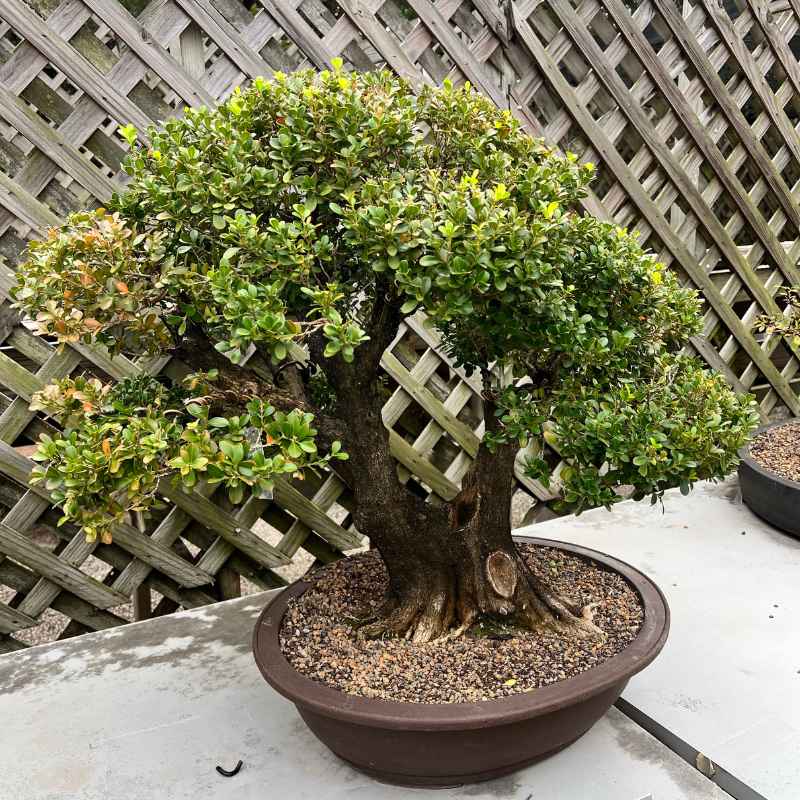

Kingsville boxwood bonsai turning brittle is a frustrating problem that signals your tree is under stress. This post explains the root causes and gives you a clear, actionable plan to revive it.
For another bonsai-specific follow-up, Why Are the Needles on My Bonsai Tree Turning Brown? Fixed gives readers a related care or selection angle.
For another bonsai-specific follow-up, What To Do When Juniper Bonsai Leaves Turn Brittle Fast gives readers a related care or selection angle.
For another bonsai-specific follow-up, Why Are My Money Tree Bonsai Leaves Turning Yellow? Fixed gives readers a related care or selection angle.
Simply put, brittleness in Kingsville boxwood bonsai is almost always caused by underwatering, low humidity, or root damage. The fix involves adjusting your watering routine, raising humidity around the tree, checking root health, and carefully pruning dead material to stimulate new growth.
Key Takeaways
- Kingsville boxwood bonsai becomes brittle mainly from underwatering or consistently low humidity levels.
- Always check soil moisture and root condition before assuming the tree is beyond saving.
- Gradual rehydration and humidity trays can often revive brittle branches within a few weeks.
- Correct watering technique and proper soil mix are the best long-term prevention strategies.
- Prune only dead or fully brittle wood to encourage healthy regrowth without stressing the tree further.
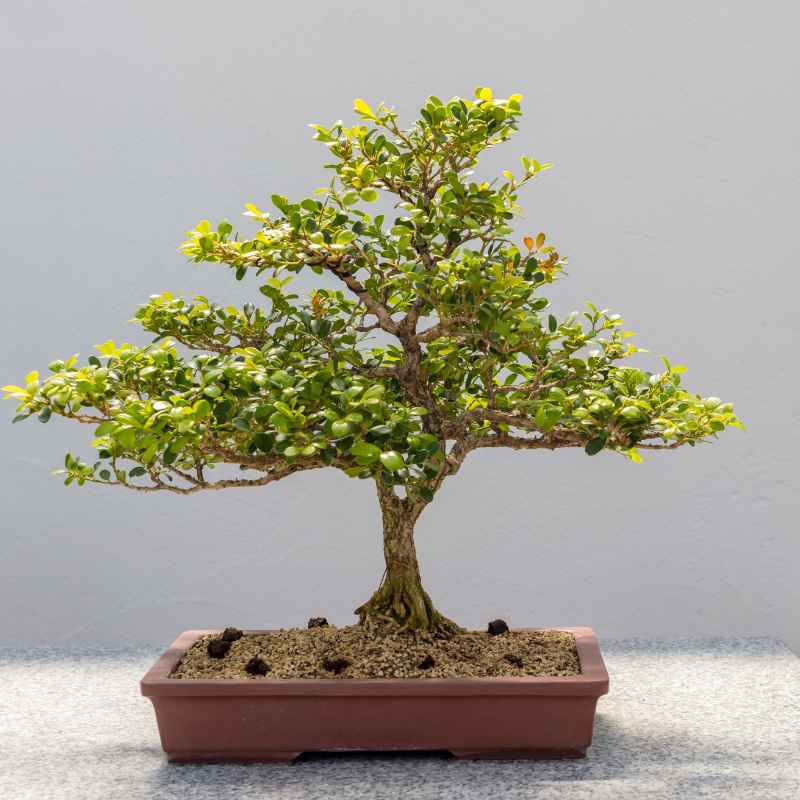
What Causes Kingsville Boxwood Bonsai to Become Brittle?
Brittleness in Kingsville boxwood bonsai is almost never a sudden event. It develops over days or weeks as the tree struggles to maintain hydration in its cells. The most common trigger is a mismatch between water supply and the tree’s needs.
When a bonsai loses more water through its leaves than it can take up through its roots, the cells begin to dry out. Over time, this causes the stems and leaves to lose flexibility and become dry, crispy, and brittle to the touch.
- Underwatering – The leading cause. The soil dries out completely between waterings, and the tree cannot replenish moisture fast enough.
- Low humidity – Kingsville boxwood prefers higher humidity. Dry indoor air, especially in winter, pulls moisture from leaves faster than roots can replace it.
- Root damage – Overwatering, root rot, or root-bound conditions prevent roots from absorbing water even when the soil is damp.
- Temperature stress – Hot drafts, direct scorching sun, or cold windowsill drafts can cause rapid moisture loss.
- Salt buildup – Fertilizer salts in the soil can chemically burn roots, reducing their ability to take up water.
- Pest infestation – Spider mites or scale insects suck sap from leaves and stems, leading to dryness and brittleness.
Warning: Do not confuse brittleness with natural dormancy. Kingsville boxwood is evergreen and should not go fully dormant. If the leaves are brown and snap easily, the tree is stressed, not resting.
How to Identify Brittle Branches on Your Bonsai Tree
Before you treat the problem, you need to confirm that your tree is actually brittle and not just showing seasonal color changes or minor leaf drop. Brittleness has specific signs that are easy to spot once you know what to look for.
Run your fingers gently along a branch. If small leaves fall off easily and the stem feels stiff and snaps when bent, that branch is brittle. Healthy Kingsville boxwood branches are flexible and hold their leaves firmly.
| Symptom | Healthy Tree | Brittle Tree |
|---|---|---|
| Leaf feel | Firm, glossy, pliable | Dry, dull, crumbles |
| Stem flexibility | Bends without breaking | Snaps with slight pressure |
| Leaf retention | Stays on when touched | Falls off easily |
| Color | Rich deep green | Yellow, brown, or pale |
| Soil moisture | Evenly moist, not wet | Dry to touch or bone dry |
If you see three or more of the symptoms in the right column, your Kingsville boxwood bonsai is likely brittle from dehydration or root issues. The sooner you act, the better the chance of recovery.
Tip: Use a moisture meter to check soil at the bottom of the pot. Surface moisture can be misleading. Insert the probe halfway down for an accurate reading.
How to Fix a Brittle Kingsville Boxwood Bonsai Step by Step
Fixing a brittle Kingsville boxwood bonsai requires patience. You cannot simply pour water on dry soil and expect instant results. The tree’s roots need time to recover and start drawing moisture again.
Follow these steps in order for the best outcome.
- Move the tree to indirect light. Pull it away from direct sun or bright windows. Lower light reduces transpiration and gives the roots a chance to catch up.
- Check soil moisture deeply. Stick a chopstick or moisture probe all the way to the bottom of the pot. If the top is dry but the bottom is damp, the issue may be root rot rather than underwatering.
- Water thoroughly but gently. Use room-temperature water. Pour slowly until water runs out of the drainage holes. Let the pot soak in a tray of water for 15 minutes, then drain completely.
- Increase humidity immediately. Place a humidity tray filled with pebbles and water under the pot. Mist the foliage lightly once or twice a day. Do not mist so much that water pools on the leaves.
- Prune only the dead material. Wait 5–7 days after rehydration. Then use clean, sharp scissors to snip off branches that snap completely. Leave any branch that still shows green under the bark.
- Resume a consistent watering schedule. Water when the top half-inch of soil feels dry. Check daily. Kingsville boxwood likes even moisture, not wet feet.
- Hold off on fertilizer. Do not feed a stressed tree. Wait at least 3–4 weeks until you see new green growth before resuming a diluted fertilizer routine.
Most Kingsville boxwood bonsai show signs of recovery within 10 to 14 days after following this protocol. New buds will appear at the nodes of branches that still have living tissue.
Important: If the entire tree snaps off at the trunk or the roots are black and mushy, your bonsai may have advanced root rot. In that case, repotting into fresh, dry soil after trimming rotten roots is the only option.
Watering Mistakes That Lead to Brittle Growth
Watering mistakes are the number one reason Kingsville boxwood bonsai becomes brittle. Both overwatering and underwatering can cause the same symptoms, which makes diagnosis tricky. Understanding the difference is critical.
When you underwater, the soil pulls away from the pot edges and becomes hydrophobic. Water runs straight through without being absorbed. The tree dries out from the roots up.
When you overwater, the roots suffocate and rot, which stops water uptake even though the soil is wet.
| Mistake | What Happens | Fix |
|---|---|---|
| Watering on a fixed schedule | Soil may be too wet or too dry depending on season | Check soil daily; water only when top half-inch is dry |
| Using cold tap water | Root shock, reduced water uptake | Use room-temperature or filtered water |
| Watering only the surface | Roots at the bottom stay dry | Water until it drains from the bottom |
| Letting soil dry completely | Hydrophobic soil repels water | Bottom-water or soak the pot for 15 minutes |
| Using a pot with no drainage | Root rot develops quickly | Repot into a pot with drainage holes |
According to the American Bonsai Society, over 60% of bonsai health problems are directly linked to improper watering. Getting this right is the single most important step in preventing brittleness in your Kingsville boxwood.
What Does Proper Soil and Drainage Look Like for This Bonsai?
Soil composition plays a huge role in whether your Kingsville boxwood bonsai stays hydrated or turns brittle. Standard potting soil holds too much water and compacts over time, which suffocates roots. On the flip side, pure gritty mix dries out too fast for this species.
The ideal Kingsville boxwood bonsai soil mix balances water retention with aeration. It should hold moisture long enough for roots to drink but drain quickly enough to prevent rot. A good mix also allows oxygen to reach the root zone.
- Akadama – A fired clay particle that holds moisture and slowly releases it. Excellent for root health.
- Pumice – Lightweight volcanic rock that improves drainage and aeration. Does not break down quickly.
- Lava rock – Adds structure and prevents compaction. Helps with drainage.
- Organic compost or pine bark fines – Adds a small amount of water retention and nutrients. Use sparingly.
- Coarse sand or grit – Improves drainage and prevents soil from becoming waterlogged.
A recommended ratio for Kingsville boxwood is 50% akadama, 25% pumice, and 25% lava rock. If you cannot find akadama, substitute with a high-quality bonsai soil mix from a reputable supplier. Avoid garden soil or peat-heavy mixes.
Tip: Repot your Kingsville boxwood bonsai every 2–3 years in early spring. This prevents soil compaction and root binding, both of which can cause brittle branches down the line.
How to Prevent Brittleness in Kingsville Boxwood Bonsai
Preventing brittleness is far easier than fixing it. Once you understand what your Kingsville boxwood bonsai needs, you can create an environment where it thrives year-round. The key is consistency and observation.
Kingsville boxwood is a slow-growing cultivar that responds poorly to sudden changes. Keep its environment as stable as possible. Avoid moving it from a low-light corner to a sunny windowsill overnight, and never let the soil dry out completely for more than 12 hours.
| Care Factor | Best Practice | Brittleness Risk If Ignored |
|---|---|---|
| Watering | Check daily; water when top ½ inch is dry | High |
| Humidity | 50–70% relative humidity | High |
| Light | Bright indirect light, 4–6 hours daily | Medium |
| Temperature | 60–75°F (15–24°C), no drafts | Medium |
| Fertilizer | Diluted balanced fertilizer every 4 weeks in growing season | Low (if done correctly) |
| Pruning | Light pruning in spring and summer only | Low |
The Brooklyn Botanic Garden notes that Kingsville boxwood is one of the more forgiving boxwood cultivars for indoor bonsai, but it still requires attentive care. A consistent routine that mimics its natural woodland understory environment is your best defense against brittle growth.
Common Mistakes When Treating a Brittle Bonsai
When hobbyists notice brittle branches on their Kingsville boxwood bonsai, they often panic and make things worse. Knowing what not to do is just as important as knowing the right steps. Here are the most common errors people make.
- Drenching the soil immediately – Pouring gallons of water onto bone-dry soil causes root shock. Rehydrate gradually over several days.
- Fertilizing a stressed tree – Adding fertilizer to a brittle bonsai burns the roots and worsens dehydration. Wait until new growth appears.
- Heavy pruning right away – Cutting back too much foliage removes the tree’s ability to photosynthesize and recover. Prune only fully dead material.
- Moving the tree to full sun – Bright light increases water loss through leaves. Keep the tree in indirect light until it recovers.
- Misting too much – Constant wet leaves can invite fungal infections. Mist lightly once or twice daily and let foliage dry between sessions.
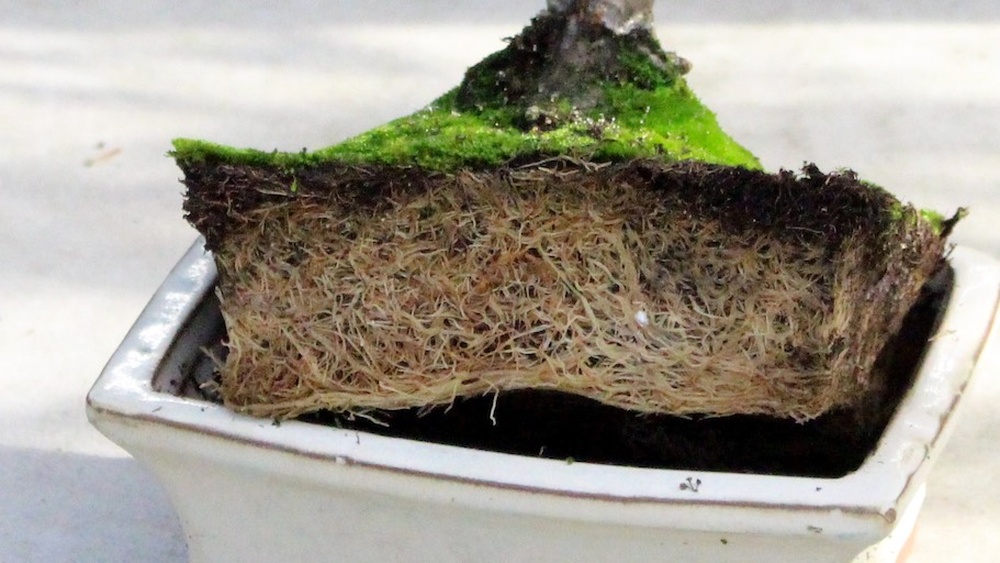
- Ignoring the roots – Brittleness above ground often signals root issues below. Always check roots if the tree does not respond to rehydration within two weeks.
Warning: Do not use leaf shine products or oils on a brittle Kingsville boxwood bonsai. These coatings clog leaf pores and make it even harder for the tree to breathe and regulate moisture.
Frequently Asked Questions
Can a Kingsville boxwood bonsai recover from being fully brittle?
Partial recovery is possible if the trunk and main branches still show green under the bark. Scratch the bark gently with a fingernail. If you see green tissue, the tree is alive.
Fully dead trees have brown or gray tissue and no flexibility in the trunk.
How long does it take for a brittle bonsai to show signs of recovery?
Most Kingsville boxwood bonsai show new buds or green shoots within 10 to 14 days after proper rehydration and humidity increase. If you see no change after three weeks, check the roots for rot or complete dryness.
Should I remove all brittle leaves or leave them on the tree?
Leave brittle leaves on the tree until you are sure the branch is dead. Leaves that are dry but still attached may be drawing some moisture. Only remove leaves that fall off with a light touch or branches that snap cleanly.
Is misting enough to revive a brittle Kingsville boxwood bonsai?
No. Misting helps increase humidity around the leaves, but it does not replace watering the soil. You must rehydrate the root zone for the tree to recover.
Misting alone will not fix brittleness caused by dry soil.
Can brittle branches mean too much water instead of too little?
Yes. Overwatering leads to root rot, which prevents roots from absorbing water. This causes the same brittle, dry symptoms as underwatering.
Check the soil at the bottom of the pot. If it is soggy or smells sour, root rot is likely the cause.
Final Thoughts
Brittle Kingsville boxwood bonsai is almost always a fixable problem if caught early. Focus on consistent watering, proper humidity, and healthy roots. Adjust your care routine based on what the tree tells you, not a fixed schedule.
With patience and the right steps, your bonsai will bounce back and grow strong again.