How Many Tomatoes Can You Grow in a 5-Gallon Bucket?
A 5-gallon bucket can fit one tomato plant, and this is a common setup. Pick a compact determinate, dwarf, or micro-dwarf type, and skip crowding indeterminate varieties. Too many plants cut airflow, strain roots, and can reduce yield. This guide explains which tomato types fit, how many plants per bucket, and how care changes for cherry, determinate, and indeterminate tomatoes.
Short answer for bucket tomatoes
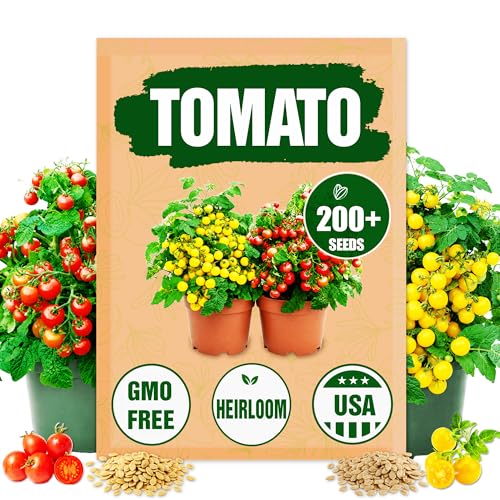


One tomato plant per 5-gallon bucket is often a good setup in many cases. That gives the roots enough space, keeps foliage from pressing together, and makes watering and feeding easier to manage. Bigger plants need more root room, so standard slicers and most indeterminate varieties do better in a larger container than in a shared bucket.
When a compact tomato may be the exception
Compact determinate, dwarf, and especially micro-dwarf tomatoes can fit a 5-gallon bucket better than a full-size slicer. Even then, the usual rule stays in place: one plant per bucket. The variety changes the plant’s size and water load, not the fact that the bucket is still a small root zone.
Which tomato fits in a 5-gallon bucket?
The best fit depends on mature plant size, not fruit type alone. A cherry tomato can still become a large, heavy plant, while a small dwarf slicer may stay manageable. Use the bucket for one compact plant, and treat anything larger as a candidate for a bigger pot.
| Tomato type | Recommended plant count | Support type | Watering intensity | Risk level |
|---|---|---|---|---|
| Determinate slicers | 1 per bucket | Short cage or sturdy stake | Moderate; check often in heat | Low to medium |
| Indeterminate slicers | 1 per bucket only, and best in a larger container | Tall cage, stake, or trellis | High; frequent moisture checks | High |
| Cherry tomatoes | 1 per bucket | Cage or stake | Moderate to high | Medium |
| Dwarf varieties | 1 per bucket | Small cage or stake | Moderate | Low |
| Micro-dwarfs | 1 per bucket, though a smaller pot may also work | Short stake or no support for the smallest types | Moderate | Low |
That table gives the practical answer to “how many tomatoes can you grow in a 5-gallon bucket?” For standard varieties, the answer is still one. For very small plants, the bucket may be more space than they need, but the extra room still helps with moisture buffering and root health.
Why one plant usually wins
One plant per bucket usually produces better fruit because the roots have more room and the canopy gets better airflow. Tomatoes need oxygen at the root zone and sun on the leaves, and a crowded bucket limits both. Yield often drops when plants compete for the same water and fertilizer.
Why two plants usually fail in the same bucket
Two tomato plants in one 5-gallon bucket often create root competition before they add much extra fruit. The mix dries faster, nutrients wash out faster, and stems and leaves overlap. That raises the risk of disease, weak fruit set, and blossom-end rot if watering slips even briefly.
Say your bucket holds two small transplants because they looked tiny at purchase. A month later, both plants are leaning into the same cage, the mix dries by midafternoon, and the lower leaves stay damp after watering. That is a classic setup for poor airflow and uneven fruiting.
Should you choose determinate or indeterminate tomatoes?
Determinate tomatoes are usually the better choice for a 5-gallon bucket. They stay more compact, set fruit in a shorter window, and are easier to support in a small container. Indeterminate tomatoes keep vining, need taller support, and demand more water and nutrients than the bucket handles well.
Determinate tomatoes for containers
Determinate varieties grow like bush plants, which makes them a cleaner fit for containers. They often need less pruning, and a short cage or stake is usually enough. For a 5-gallon bucket, that smaller frame matters because it reduces top-heavy growth and keeps the plant easier to manage.
Indeterminate tomatoes and the extra care they need
Indeterminate tomatoes keep producing new leaves and flowers through the season, so they build more canopy and more roots than a bucket often supports well. If you choose one anyway, plan on a strong stake or tall cage, frequent watering, and regular feeding. Even then, a larger container is usually the better choice.
Suppose you want a slicer rather than a cherry type. A compact determinate slicer can work in a 5-gallon bucket with a medium cage, while a full-size indeterminate slicer is far more likely to outgrow the container, dry out quickly, and need constant tying.
How do you set up the bucket?
Start with a food-safe plastic bucket and drill drainage holes in the bottom. Put the bucket in full sun, where the plant gets at least 6 to 8 hours of direct light. Tomatoes fruit poorly in shade, and poor drainage turns a small container into a soggy root zone.
Drainage holes and food-safe plastic
Drill several holes in the base so excess water can escape fast. A 5-gallon bucket without drainage can stay wet around the roots, which raises the chance of root damage and weak growth. Food-safe plastic is the safer choice because it is made for contact with consumable goods, not unknown storage chemicals.
-
Drill drainage holes.
Make multiple holes in the bottom, spaced across the base so water can leave evenly. If the bucket sits on a solid patio, lift it slightly on pot feet, bricks, or a slatted surface so the holes do not clog. -
Place the bucket in sun.
Set it where it gets full sun for most of the day. Less light means weaker flowering and slower ripening. -
Check stability.
Put the bucket where wind will not topple a heavy, fruiting plant. A filled container with wet mix and a tall vine can become top-heavy fast.
Potting mix, compost, and planting depth
Use a well-draining potting mix, not garden soil. Garden soil compacts in a bucket and holds too much water, while a potting blend keeps air pockets around the roots. A modest amount of compost can help, but too much fine compost can make the mix hold water too tightly.
-
Fill with potting mix.
Use a container mix made for pots, then blend in only a moderate amount of compost. The goal is moisture retention without turning the bucket into mud. -
Set the seedling deep.
Remove lower leaves and bury part of the stem so new roots can form along it. This helps a leggy seedling anchor itself and improves root mass in the small container. -
Avoid root-bound starts.
If roots are circling the pot, loosen them gently before planting. A tight root ball can slow establishment and make watering less predictable.
Do not crowd the bucket because the plant looked small at transplant time. A weak seedling may be tiny above the soil line but still need the same root space as a stronger start. Starting with a healthy transplant reduces the chance that the plant stalls after setting fruit.
How do you care for tomatoes in a bucket?
Container tomatoes need steadier water and feeding than in-ground plants because the bucket dries out and leaches nutrients faster. In hot weather, check moisture daily. Keep the mix evenly moist, since swings from dry to soaked can stress roots and trigger blossom-end rot on developing fruit.
Watering in hot weather
In warm or windy weather, the top inch of mix can dry fast even while deeper roots stay damp. Water deeply until excess runs out the drainage holes, then check again the next day. Consistent moisture matters more than a fixed calendar schedule because weather changes bucket drying speed.
Feeding container tomatoes
Use a slow-release fertilizer at planting, then follow with a balanced feeding plan during growth and fruiting. Container nutrients wash out faster than in garden beds, so skipped feedings show up quickly as pale leaves, slow growth, or small fruit. Tomato-specific nutrients can help, but they still need enough moisture to move through the mix.
-
Feed at planting.
Mix in a slow-release fertilizer according to the label. That gives the plant a base supply while roots establish in the bucket. -
Refeed on schedule.
Apply a balanced liquid or granular feed at the interval listed for container use. Regular feeding matters more as fruit load increases. -
Watch leaf color.
Pale lower leaves or weak new growth can signal that the bucket has run short on nutrients. Adjust feeding before the plant stalls.
Caging, staking, and tie choices
Support is not optional in most buckets. Use a cage, stake, or trellis that matches the plant’s mature height, and tie stems with soft material that will not cut into them. Hard wire or tight loops can damage stems as the plant thickens.
- Short cage: Works well for determinate and many dwarf tomatoes.
- Tall stake: Better for upright growth, especially if the plant is pruned lightly.
- Trellis: Useful for a more vertical setup, but it still needs firm anchoring.
A common first-timer mistake is using a tiny cage on a fast-growing cherry tomato. The plant outgrows the support, fruit hangs outside the frame, and stems bend under their own weight. A taller support from the start prevents that scramble.
Frequently asked questions
How many tomatoes can you grow in a 5 gallon bucket?
Usually one tomato plant per 5-gallon bucket is the right answer. That is the safest count for most varieties because the roots, water demand, and canopy size all stay manageable. Only very compact types, such as micro-dwarfs, may feel oversized for the bucket rather than cramped in it.
How many tomato plants can you plant in a 5 gallon bucket?
For standard tomatoes, plant one. Two tomato plants in the same 5-gallon bucket usually compete for water, nutrients, and root space, which lowers airflow and can reduce yield. Even small plants are better separated unless they are extremely compact micro-dwarf types.
How many cherry tomato plants can you grow in a 5 gallon bucket?
One cherry tomato plant per bucket is still the usual rule. Cherry types often grow vigorously and can fill a bucket quickly, so they need the same one-plant limit as larger tomatoes. If the variety is a dwarf cherry, the plant may stay smaller, but one bucket still works best for one plant.
How do you grow tomatoes in a 5 gallon bucket?
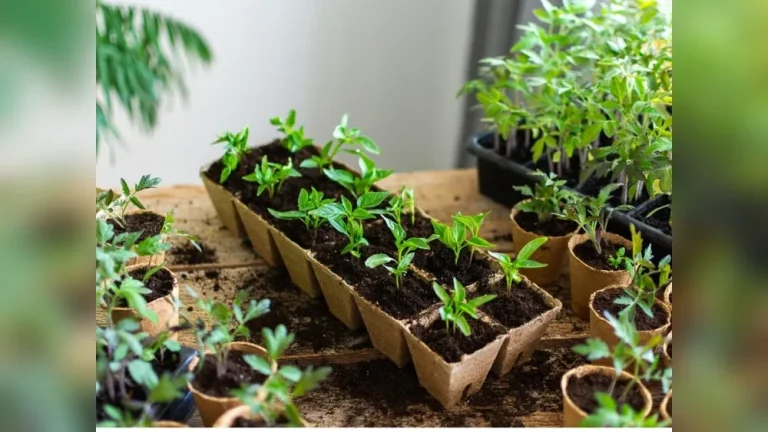
Use a food-safe bucket with drainage holes, fill it with a well-draining potting mix, and place it in full sun. Set one healthy transplant deep in the mix, then water consistently and feed regularly. Add a cage or stake early so the plant does not sprawl or break under fruit weight.
Should you grow determinate or indeterminate tomatoes in a 5 gallon bucket?
Determinate tomatoes are usually the better choice because they stay more compact and are easier to support. Indeterminate tomatoes can work only if they are very small or if you accept more watering, feeding, and support work. For most home gardeners, determinate or dwarf types are the safer fit.
What size tomato variety works best for a 5 gallon bucket?
Compact determinate, dwarf, and micro-dwarf tomatoes work best. Standard indeterminate slicers usually outgrow the container, while cherry tomatoes vary by cultivar and can still become large plants. The best choice is the smallest variety that still gives you the fruit type you want.