When to Plant Wildflower Seeds in Ohio for Best Results
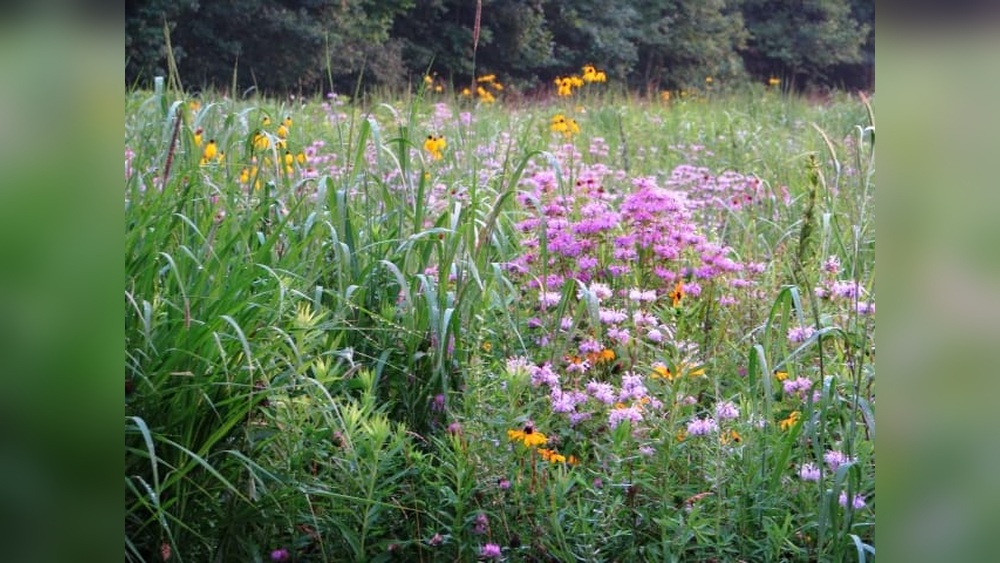
Wildflowers transform Ohio’s landscapes into vibrant, pollinator-friendly ecosystems, drawing bees, butterflies, and wildlife while adding beauty to yards, fields, and roadsides. However, the secret to a lush, diverse wildflower meadow lies in *timing*. Planting wildflower seeds in Ohio requires careful consideration of climate, soil, and seed type to maximize germination and ensure enduring blooms. Whether you’re cultivating a small garden bed or restoring several acres, knowing precisely when to plant wildflower seeds in Ohio makes all the difference.
Ohio’s varied weather patterns, distinct seasons, and rich soils create unique planting windows. With spring and fall offering different advantages, gardeners must weigh frost dates, rainfall, and local microclimates. This guide delivers authoritative, actionable advice—grounded in research and real-world examples—so you can confidently plan your wildflower project and enjoy optimal results.
From practical tips to expert insights, everything you need to know about timing wildflower seed planting in Ohio is here.
Key Takeaways
- Optimal planting time in Ohio is typically early spring or late fall, depending on seed type and local conditions.
- Spring planting allows for quick germination but requires careful weed management; fall planting benefits from natural stratification.
- Understanding Ohio’s frost dates and temperature averages is crucial for successful wildflower establishment.
- Soil preparation, seed selection, and site conditions dramatically influence wildflower growth.
- Native Ohio wildflowers outperform non-natives for resilience, pollinator support, and sustainability.
- Real-world case studies highlight best practices and common pitfalls in wildflower seed planting.
Understanding Ohio’s Climate And Planting Windows
Planting wildflower seeds in Ohio hinges on aligning your sowing schedule with the state’s climate patterns. Ohio experiences a humid continental climate, marked by cold winters, warm summers, and moderate rainfall. These factors dictate the ideal windows for wildflower planting and must be carefully considered for a thriving wildflower display.
Ohio’s Seasonal Overview
- Spring (March-May): Temperatures gradually warm, and soil thaws. Average highs range from 50°F to 70°F. Spring is often characterized by fluctuating temperatures, with occasional late frosts. Rainfall is generally consistent, helping newly sown seeds to settle and germinate.
- Fall (September-November): Cooling temperatures and increased rainfall support seed establishment. Average highs drop from 70°F to 50°F. Fall also brings more stable weather, with fewer extreme temperature swings and less competition from weeds due to slower growth rates.
| Season | Avg. Temperature (°F) | Avg. Precipitation (inches) | Best Planting Window |
|---|---|---|---|
| Spring | 50–70 | 3.2–3.7 | Early April–Mid May |
| Fall | 70–50 | 2.8–3.5 | Late October–Early November |
Spring planting leverages warming soil and increased daylight, while fall planting aligns with natural seed cycles, allowing seeds to stratify over winter and burst forth in spring.
Frost Dates And Their Importance
Ohio’s average last spring frost occurs between April 15 and May 10, depending on your region, while the first fall frost typically arrives between October 10 and October 25. These frost dates are critical, as they influence the survival and germination rates of wildflower seeds.
- Spring Planting: Wait until soil temperatures reach at least 55°F, which usually coincides with the last spring frost. Planting too early risks seed rot or frost damage, while planting too late can shorten the growing season, especially for annuals.
- Fall Planting: Sow seeds after the first frost but before heavy snow to allow for natural stratification. Seeds sown at this time remain dormant through winter and germinate in spring, mimicking nature’s cycle.
National Weather Service provides up-to-date frost dates for Ohio’s regions. Monitoring local forecasts and historical trends can help fine-tune your planting schedule.
Regional Variations
Ohio’s three main regions—Northern, Central, and Southern—feature slight differences in climate and soil:
- Northern Ohio: Cooler temperatures, later frost dates, and heavier clay soils. This region may experience more late-spring cold snaps, so delaying spring planting by a week or two can be beneficial.
- Central Ohio: Moderate climate and balanced rainfall with a mix of loam and clay soils. Central Ohio offers a more flexible planting window and is generally less prone to weather extremes.
- Southern Ohio: Warmer, earlier spring, and longer growing season. Soils may be sandier or loamy, and spring planting can begin earlier, but summer droughts are also more common.
Understanding these distinctions helps tailor your planting window for best results. Microclimates—such as low-lying areas that stay colder longer, or urban spaces that heat up faster—may also influence your timing.
Spring Vs. Fall Planting: Pros And Cons
Choosing between spring and fall planting depends on your goals, seed type, and site conditions. Both seasons offer unique advantages and challenges for wildflower establishment.
Spring Planting Benefits And Drawbacks
Advantages:
- Seeds germinate quickly with warming soil, leading to faster establishment and earlier blooms, particularly for annual wildflowers.
- Easier weed management post-planting, as you can clear weeds thoroughly before sowing and monitor new growth closely.
- Immediate feedback on seed viability, allowing for quicker reseeding or troubleshooting if germination is poor.
Drawbacks:
- Higher risk of drought stress in summer, especially in southern Ohio, which can hinder seedling survival if not watered sufficiently.
- Requires frequent watering if rainfall is scarce during the crucial germination window.
- Some species need cold stratification, which spring planting does not provide unless seeds are pre-treated, potentially lowering germination for those types.
Fall Planting Benefits And Drawbacks
Advantages:
- Seeds undergo natural stratification during winter, enhancing germination rates for perennials and native species that require cold exposure.
- Rainfall is typically reliable, reducing the need for supplemental irrigation and encouraging deep root development.
- Less competition from annual weeds, as cooler soil temperatures inhibit weed germination and growth.
Drawbacks:
- Seeds may be vulnerable to heavy winter rain, snowmelt, or erosion, particularly on slopes or poorly stabilized soils.
- Germination delayed until spring, so you won’t see immediate growth, which requires patience and careful site observation.
- Wildlife may disturb freshly sown seeds, especially in rural or wooded areas where birds and rodents are active.
| Planting Season | Germination Speed | Watering Needs | Weed Competition | Best For |
|---|---|---|---|---|
| Spring | Fast | High (if dry) | Moderate | Quick blooms, annuals |
| Fall | Delayed (spring) | Low (natural rain) | Low | Perennials, natives |
Expert Recommendations
According to the Ohio State University Extension, late fall planting is preferred for native wildflowers, while spring is better for annuals and mixes with non-native species. For best results, match planting time to seed requirements. Experienced Ohio gardeners often stagger plantings—sowing some seeds in fall and others in spring—to maximize bloom diversity and resilience.
Ohio State University Extension offers comprehensive wildflower guides.
Selecting The Right Wildflower Seeds For Ohio
Ohio’s native wildflowers offer unmatched resilience, ecological benefits, and aesthetic appeal. Selecting species adapted to local conditions is critical for successful establishment and long-term sustainability.
Native Vs. Non-native Wildflowers
Native wildflowers thrive in Ohio’s climate, require less maintenance, and support local pollinators. These species have co-evolved with Ohio’s fauna and weather patterns, making them better adapted to local pests, diseases, and soil conditions. Examples include:
- Black-eyed Susan (Rudbeckia hirta): A staple for sunny meadows, its bright yellow petals attract pollinators and provide late-summer color.
- Ohio Spiderwort (Tradescantia ohiensis): Tolerant of both sun and partial shade, it blooms in early summer.
- Purple Coneflower (Echinacea purpurea): Well-known for its pollinator value and medicinal properties.
- Wild Bergamot (Monarda fistulosa): Noted for its aromatic foliage and clusters of lavender flowers beloved by bees.
Non-native species may offer unique colors or extended bloom times but often demand more water and care. Some non-natives can become invasive or disrupt local plant communities, so always check with local extension offices or conservation groups before planting.
Seed Mix Types
- Pure Native Mixes: Ideal for restoration projects, conservation areas, and pollinator gardens. These mixes foster biodiversity, improve soil health, and are most sustainable over time.
- Hybrid Mixes: Combine natives with select non-natives for diverse color and extended blooming, suitable for ornamental gardens where aesthetic variety is a priority.
- Annual Mixes: Provide instant color but require yearly replanting. They are excellent for temporary displays, event spaces, or areas under development.
- Perennial Mixes: Establish slowly but return year after year, building a self-sustaining ecosystem with minimal intervention after establishment.
Seed Stratification Requirements
Many Ohio natives need cold stratification—exposure to winter temperatures—to break dormancy. Fall planting naturally fulfills this requirement, while spring planting may necessitate pre-chilling seeds.
- Pre-chill seeds in refrigerator for 30–60 days if planting in spring. Place seeds in a damp paper towel inside a plastic bag to simulate winter conditions.
- Always check seed packet or supplier for stratification needs, as requirements vary by species.
Lady Bird Johnson Wildflower Center provides detailed stratification guides.
Real-world Example: The Cleveland Pollinator Project
The Cleveland Pollinator Project planted a 5-acre wildflower meadow using native seeds in late October. By spring, over 80% germination was achieved, and pollinator activity increased by 60%. The project underscores the benefits of fall planting and native species selection. Over multiple seasons, the meadow has become a living laboratory for schools and community groups, providing data on biodiversity and ecosystem health.
Soil Preparation And Site Assessment
Proper soil preparation maximizes wildflower seed germination and establishment. Assessing your site’s conditions ensures you choose the right seeds and planting techniques.
Soil Testing And Amendment
- Test soil pH: Most wildflowers prefer pH 6.0–7.0. Acidic or alkaline soils may require lime or sulfur amendments.
- Check drainage: Avoid waterlogged sites, as standing water can rot seeds and seedlings. Simple percolation tests can reveal drainage issues.
- Amend as needed: Add sand for drainage or compost for fertility. Organic matter can improve structure, especially in heavy clay soils.
Ohio Department of Agriculture offers soil testing services.
Clearing And Tilling
- Remove existing vegetation: Eliminate grass, weeds, and debris to reduce competition. Solarization (covering soil with clear plastic) for several weeks can help kill persistent weeds organically.
- Light tilling: Loosen soil to 1–2 inches depth for better seed contact without disrupting deeper weed seeds.
- Avoid deep tilling: Prevent bringing dormant weed seeds to surface, which could result in a flush of unwanted growth.
Site-specific Considerations
- Sunny vs. Shady: Most wildflowers need 6+ hours of sunlight for robust growth and flowering, though some species thrive in partial shade.
- Slope/Erosion Risk: Plant erosion-control species such as black-eyed Susan or little bluestem on slopes. Mulching or using erosion-control blankets can further stabilize the area.
- Urban vs. Rural: Urban soils may need extra amendment due to compaction or contamination. Raised beds or imported soil can be used in challenging areas.
Case Study: Cincinnati Rooftop Meadow
A Cincinnati rooftop garden used shallow, amended soil and spring-planted wildflower mixes. Despite urban heat, 70% germination was achieved, with annual watering and regular weeding to manage invasive species. The project demonstrated how even unconventional spaces can support thriving wildflower communities with careful soil management and species selection.
Planting Techniques And Timing Strategies
The right planting technique ensures your wildflower seeds are sown evenly, protected, and optimally timed for Ohio’s climate.
Broadcast Seeding
- Mix seeds with sand: Ensures even distribution and helps you see where seeds have landed, preventing bare spots.
- Hand or mechanical spreader: Use for large areas. Walk in two perpendicular directions for thorough coverage.
- Lightly rake: Cover seeds with 1/8 inch soil to ensure good seed-to-soil contact without burying them too deeply, which can hinder germination.
Drilling And Row Seeding
- Row planting: Suitable for larger plots and restoration projects where precise placement is needed.
- Seed drills: Increase precision and reduce seed waste, especially beneficial for expensive or rare seeds.
- Mulching: Apply a thin layer of straw or weed-free mulch to protect seeds from erosion, birds, and drying winds. Avoid heavy mulching that can smother seedlings.
Watering And Maintenance
- Spring Planting: Water lightly, daily for 2–3 weeks or until seedlings are established. Early morning watering reduces disease risk.
- Fall Planting: Minimal watering needed; rely on rainfall. However, if fall is unusually dry, a light watering can help seeds settle.
Planting Calendar For Ohio Regions
| Region | Spring Planting Window | Fall Planting Window | Recommended Seeds |
|---|---|---|---|
| Northern Ohio | April 20–May 15 | Oct 20–Nov 10 | Perennials, natives |
| Central Ohio | April 10–May 10 | Oct 15–Nov 5 | Mixed, annuals |
| Southern Ohio | April 1–May 5 | Oct 10–Nov 1 | Annuals, natives |
Real-world Example: Dayton Community Garden
Dayton’s community garden used broadcast seeding in late April, followed by light raking and daily watering. A 75% germination rate was achieved, with blooms appearing in June and lasting through September. Volunteers monitored weed growth and maintained paths for accessibility, demonstrating how community effort can sustain even large wildflower plantings.
Managing Wildflower Growth And Maximizing Success
Once wildflower seeds are planted, ongoing care is essential for robust growth and longevity. Understanding Ohio-specific challenges can help you optimize your meadow.
Weed Control Strategies
- Early mowing: Mow to 2–4 inches during first year to suppress weeds. This prevents annual weeds from seeding while allowing wildflowers to develop strong roots.
- Hand weeding: Remove invasive plants in spring, especially during the critical first two years. Persistence pays off, as wildflowers will eventually outcompete most weeds.
- Mulching: Use straw mulch to protect seeds and reduce weed growth. Avoid using hay, which may contain weed seeds.
Invasive Plant Atlas lists Ohio’s invasive species to watch for.
Watering And Drought Management
- Spring-planted areas: Supplement with irrigation during dry spells, especially in the first season.
- Established meadows: Require minimal watering after the first year, as native wildflowers adapt to local rainfall patterns. However, extreme droughts may still necessitate occasional deep watering.
Fertilization And Maintenance
- Minimal fertilizer: Excess nutrients favor weeds over wildflowers. Most Ohio natives are adapted to poor soils and can be stunted by rich, fertilized earth.
- Annual maintenance: Mow or burn in late fall to rejuvenate perennials. Controlled burns, where permitted, mimic natural disturbance and promote healthy growth.
Pest And Wildlife Management
- Protect from birds and rodents: Use netting, mulch, or floating row covers, especially for small or high-value plantings.
- Monitor for disease: Remove affected plants promptly. Good air circulation and proper spacing reduce fungal issues.
Example: Toledo Schoolyard Project
A Toledo schoolyard planted wildflowers in spring, with regular mowing and hand weeding. The meadow attracted Monarch butterflies and improved student engagement in science classes. The project became a model for combining ecological restoration with outdoor education, encouraging other Ohio schools to follow suit.
Wildflower Species Selection: Ohio’s Top Performers
Choosing proven wildflower species ensures your meadow thrives in Ohio’s climate and supports local ecosystems. Here are the top selections:
Most Reliable Ohio Natives
- Milkweed (Asclepias spp. ): Essential for Monarch butterflies, milkweed supports a wide range of pollinators and is drought-tolerant once established.
- Wild Indigo (Baptisia australis): Hardy, deep blue flowers, and nitrogen-fixing roots improve soil fertility.
- Goldenrod (Solidago spp. ): Late-season blooms, pollinator magnet, and valuable for migrating insects.
- Blazing Star (Liatris spicata): Tall, purple spikes, attracts bees and butterflies, and tolerates both wet and dry sites.
Pollinator-friendly Annuals
- Coreopsis (Coreopsis tinctoria): Bright yellow, blooms all summer, easy to establish, and self-seeds for future seasons.
- Cosmos (Cosmos bipinnatus): Pink, white, and purple flowers; drought-tolerant and long-blooming.
Shade-tolerant Wildflowers
- Virginia Bluebells (Mertensia virginica): Early spring, blue blossoms, tolerant of moist, shady woodlands.
- Wild Columbine (Aquilegia canadensis): Red/yellow, thrives in partial shade, supports hummingbirds.
Comparison Table: Ohio Wildflower Species
| Species | Type | Bloom Period | Sunlight Needs | Pollinator Value |
|---|---|---|---|---|
| Black-eyed Susan | Perennial | June–September | Full Sun | High |
| Milkweed | Perennial | July–August | Full Sun | Very High |
| Coreopsis | Annual | June–October | Full Sun | Moderate |
| Virginia Bluebells | Perennial | April–May | Partial Shade | Moderate |
| Goldenrod | Perennial | August–October | Full Sun | High |
Sourcing Quality Seeds
Purchase from reputable suppliers specializing in native Ohio wildflowers. Look for:
- High germination rates: Request recent test results if possible.
- Clean, weed-free mixes: Prevents introducing invasive species.
- Region-specific blends: Ensures compatibility with your local climate.
Prairie Nursery and American Meadows are trusted sources. Local native plant societies and conservation groups may also offer seed exchanges or plant sales.
Troubleshooting Common Problems
Even with careful planning, wildflower planting in Ohio can face hurdles. Identifying issues early ensures healthy, enduring meadows.
Poor Germination
Causes:
- Old or low-quality seeds: Always check expiration dates and source from trusted suppliers.
- Planting at incorrect depth: Most wildflower seeds need only light soil coverage.
- Insufficient soil contact: Seeds left on the surface may dry out or be blown away.
Solutions:
- Use fresh, high-quality seeds.
- Lightly rake or press seeds into soil with a roller.
- Ensure proper watering, especially during the first two weeks after planting.
Weed Invasion
Causes:
- Residual weed seeds in soil after insufficient site preparation.
- Over-fertilization, encouraging lush weed growth.
Solutions:
- Remove weeds before planting using solarization, smothering, or careful tilling.
- Mow regularly during the first year to prevent weed seed set.
Erosion And Wildlife Disturbance
Causes:
- Planting on slopes without erosion-control species or mulch.
- Birds or rodents eating seeds, especially in rural or edge environments.
Solutions:
- Mulch or use erosion-control blankets immediately after sowing.
- Protect with netting or light row covers until seedlings are established.
Disease And Pest Issues
Causes:
- Wet, poorly drained soil leading to fungal diseases.
- Dense plantings with little airflow.
Solutions:
- Improve drainage with amendments or raised beds.
- Thin overcrowded areas to promote air circulation.
University of Minnesota Extension offers troubleshooting tips for native plant gardens.
Maximizing Ecological Impact And Sustainability
Wildflower meadows do more than beautify—they restore habitats, conserve resources, and support biodiversity. Ohio’s wildflower projects can deliver lasting ecological benefits and play a role in climate resilience.
Supporting Pollinators
- Plant diverse mixes with staggered bloom times, ensuring food sources from early spring to late fall.
- Include milkweed for Monarchs, coneflowers for bees, and other species for specialist pollinators.
- Avoid pesticides and herbicides that can harm beneficial insects and disrupt natural cycles.
Reducing Maintenance And Inputs
- Native wildflowers need less water and fertilizer, saving resources and reducing runoff pollution.
- Meadows suppress weeds naturally, reducing mowing and labor costs. Over time, established wildflower areas require only annual mowing or burning.
Habitat Restoration
- Wildflowers provide food and shelter for birds, insects, and small mammals, supporting food webs and local biodiversity.
- Enhance soil health, prevent erosion, and increase carbon sequestration, helping mitigate climate change impacts.
Case Study: Columbus Metro Parks
Columbus Metro Parks restored 120 acres with fall-planted native wildflowers. Over five years, bird diversity doubled, and pollinator counts tripled. The project reduced maintenance costs by 40% compared to turfgrass and became a flagship example of sustainable land management in Ohio’s public spaces.
Columbus Metro Parks Conservation details their wildflower efforts.
Frequently Asked Questions
When Is The Best Time To Plant Wildflower Seeds In Ohio?
The best time is early spring (after last frost, when soil warms to 55°F) or late fall (after first frost, before heavy snow). Fall is ideal for native perennials needing cold stratification, while spring suits annuals and mixes.
Can I Plant Wildflower Seeds In Summer?
Summer planting is not recommended in Ohio. High heat and irregular rainfall create drought stress, reducing germination and survival rates. If you must plant in summer, irrigate thoroughly and consider temporary shade protection for seedlings.
Do I Need To Water Wildflower Seeds After Planting?
Watering is important for spring-planted seeds—light daily watering for 2–3 weeks aids germination. Fall-planted seeds generally rely on natural rainfall, but supplemental watering in dry autumns can help seed-to-soil contact.
How Can I Ensure My Wildflower Seeds Are Native To Ohio?
Purchase from reputable suppliers specializing in Ohio native species. Check seed mixes for scientific names and avoid blends containing invasive or non-native plants. Consult with local extension offices or native plant societies for recommendations.
How Long Does It Take For Wildflowers To Bloom After Planting?
Annuals may bloom in 6–8 weeks after spring planting. Perennials often take a full year, with initial foliage appearing first and blooms in the second season. This delayed gratification pays off with greater resilience and self-sustaining meadows.
Wildflower meadows are transformative, ecologically valuable, and accessible to gardeners across Ohio. By timing your planting to local climate, selecting resilient native species, and preparing your site carefully, you’ll set the stage for a flourishing landscape that supports pollinators, wildlife, and natural beauty.
Whether you plant in spring or fall, your wildflower journey begins with well-informed timing—and the rewards will last for years to come.