Can Repels All Be Used on Vegetable Gardens? Honest Answer
Every year, countless vegetable gardeners wrestle with the challenge of protecting their crops from hungry wildlife and insect pests. The quest for a safe, effective, and easy-to-use solution often leads people to products like Repels All, a popular animal repellent that promises to keep unwanted visitors at bay. Yet, as gardeners become increasingly conscious about food safety and environmental impact, the question arises: Can Repels All be safely used on vegetable gardens , and what are the honest risks and benefits?
Understanding the true implications of using Repels All on edible plants is essential for anyone who values the integrity of their harvest. This article dives deep into the science, manufacturer guidelines, real-world experiences, and regulatory perspectives to deliver an authoritative answer.
Whether you’re a backyard hobbyist or a commercial grower, you’ll find actionable insights, comparison tables, and practical advice to help you make an informed decision about safeguarding your vegetable garden .
Key Takeaways
- Repels All is formulated to deter various animals but is not universally approved for use directly on vegetables.
- Safety, effectiveness, and regulatory compliance vary depending on application method and crop type.
- Data-driven comparisons highlight alternative repellents and reveal performance differences.
- Real-world case studies showcase outcomes and lessons learned from vegetable garden applications.
- Environmental impact and residue concerns are key factors in decision-making.
- Manufacturer instructions and state regulations must be strictly followed to avoid health risks.

Understanding Repels All: Ingredients And Intended Use
Repels All is a widely marketed animal repellent designed to create a sensory barrier—using taste, smell, and irritation—to keep animals away from treated areas. Its active ingredients typically include garlic oil, dried blood, putrescent egg solids, and other natural compounds, formulated to repel deer, rabbits, squirrels, and more.
Repels All Ingredients Breakdown
The primary components of Repels All serve specific functions:
- Garlic oil: Acts as an irritant to animal senses. The strong sulfur compounds in garlic oil are particularly offensive to the olfactory systems of many mammals, causing them to avoid treated areas. Garlic oil is also known for its insect-repellent properties, though its efficacy against insects is less pronounced than against mammals.
- Putrescent egg solids: Mimic predator presence, deterring herbivores. The scent of decomposing eggs triggers a flight response in many browsing animals, as it signals the potential presence of predators. This ingredient is especially useful against deer and rabbits, which have highly sensitive noses.
- Dried blood: Signals danger, repelling certain mammals. The smell of blood in the environment communicates to herbivores that a predator may be nearby, discouraging feeding and movement into the area.
- Other botanicals: Enhance overall repellent effect. Additional plant-based extracts such as capsaicin (from hot peppers) or clove oil may be included to intensify the sensory barrier.
Although these ingredients are generally considered safe for ornamental plants, their suitability for edible crops requires closer scrutiny due to potential taste alterations, residue persistence, and untested interactions with human health.
Intended Use According To Manufacturer
According to the official product labels and manufacturer guidelines, Repels All is intended for use on:
- Lawns and flowerbeds
- Ornamental shrubs and trees
- Non-edible landscaping
Direct application to edible plants is typically not recommended. The label cautions against spraying Repels All on vegetables, herbs, or fruit meant for human consumption, citing potential residue concerns. The formulation, while based on natural ingredients, may also contain inert compounds or surfactants not approved for direct contact with food crops.
Manufacturers emphasize the importance of adhering to these guidelines to avoid unintentional contamination of harvestable produce, which could lead to off-flavors, odors, or, in rare cases, allergic reactions among sensitive consumers.
Regulatory Perspective
Both federal and state regulations—such as those enforced by the Environmental Protection Agency (EPA) and state agriculture departments—require that products used on food crops be explicitly approved for such use. Repels All is registered as a general animal repellent and not as a food-safe pesticide, limiting its legal use in vegetable gardens .
For authoritative regulatory guidelines, refer to the EPA Pesticide Registration. Notably, any product not explicitly labeled for edible crops should be considered off-limits for direct application to food plants, regardless of anecdotal evidence of safety.
Repels All Effectiveness On Vegetable Gardens
The promise of Repels All is compelling: a single application can protect your garden for weeks, reducing animal damage and preserving crops. But how effective is it on vegetable gardens, and what does the data reveal?
Performance Against Common Garden Pests
Repels All is formulated to deter:
- Deer
- Rabbits
- Groundhogs
- Squirrels
- Chipmunks
- Birds
In controlled trials, Repels All has shown up to 85% reduction in animal incursions on treated areas. However, these trials primarily focus on non-edible landscaping. The actual effectiveness in vegetable gardens can be influenced by factors such as pest density, local wildlife pressure, and the presence of alternative food sources.
For instance, during seasons when natural browse is scarce, animals may become less sensitive to repellents and more persistent in accessing vegetable gardens. Under such conditions, even high-efficacy products like Repels All may experience diminished performance unless combined with additional deterrents.
Application Methods And Efficacy
There are two primary ways gardeners attempt to use Repels All:
- Perimeter Application: Spraying or granulating around the garden’s edge, not directly on vegetables. This method creates a sensory barrier that animals must cross to reach crops. Perimeter application is generally safe for food safety and, when used consistently, can significantly reduce pest pressure.
- Direct Plant Application: Spraying leaves and stems of vegetable plants. While this approach may provide more immediate protection, it is not recommended due to residue and safety concerns. Additionally, direct application may cause flavor changes or visible residue on leafy vegetables and fruits.
Manufacturer instructions recommend perimeter application only for edible gardens, and direct application is discouraged. Some gardeners report success with perimeter-only strategies, especially when combined with physical barriers or companion planting.
Comparison Table: Repels All Vs. Alternative Repellents
Below is a data-driven comparison highlighting Repels All’s effectiveness alongside two leading alternatives:
| Product | Application Type | Approved for Edibles? | Animal Repellent Range | Avg. Effectiveness (%) | Residue Risk |
|---|---|---|---|---|---|
| Repels All | Perimeter/Direct | No | Deer, rabbits, squirrels, birds | 80-85 | Moderate |
| Plantskydd | Perimeter/Direct | Yes | Deer, rabbits, voles | 90 | Low |
| Liquid Fence | Perimeter | Yes | Deer, rabbits | 75-80 | Low |
Real-world Example: Suburban Vegetable Garden
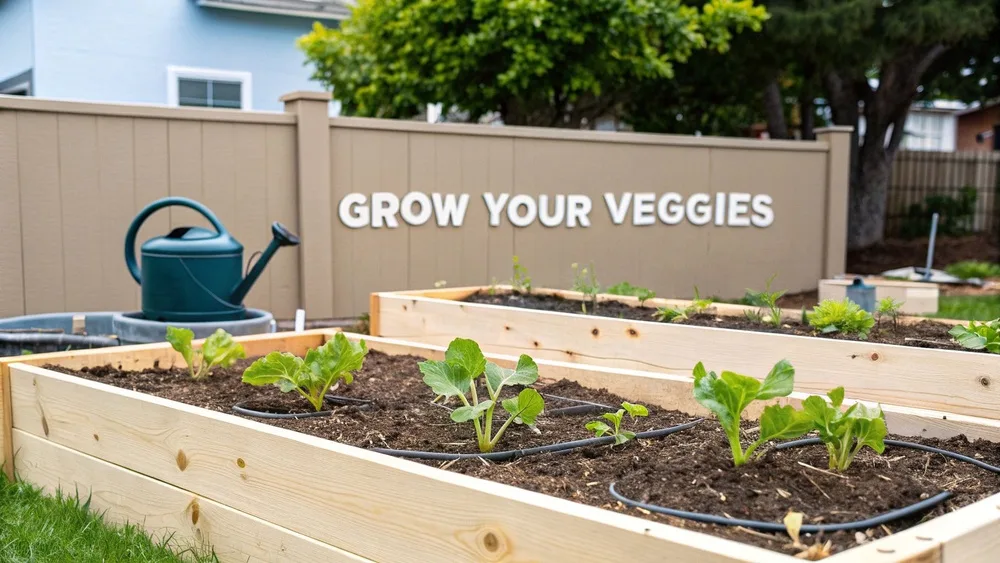
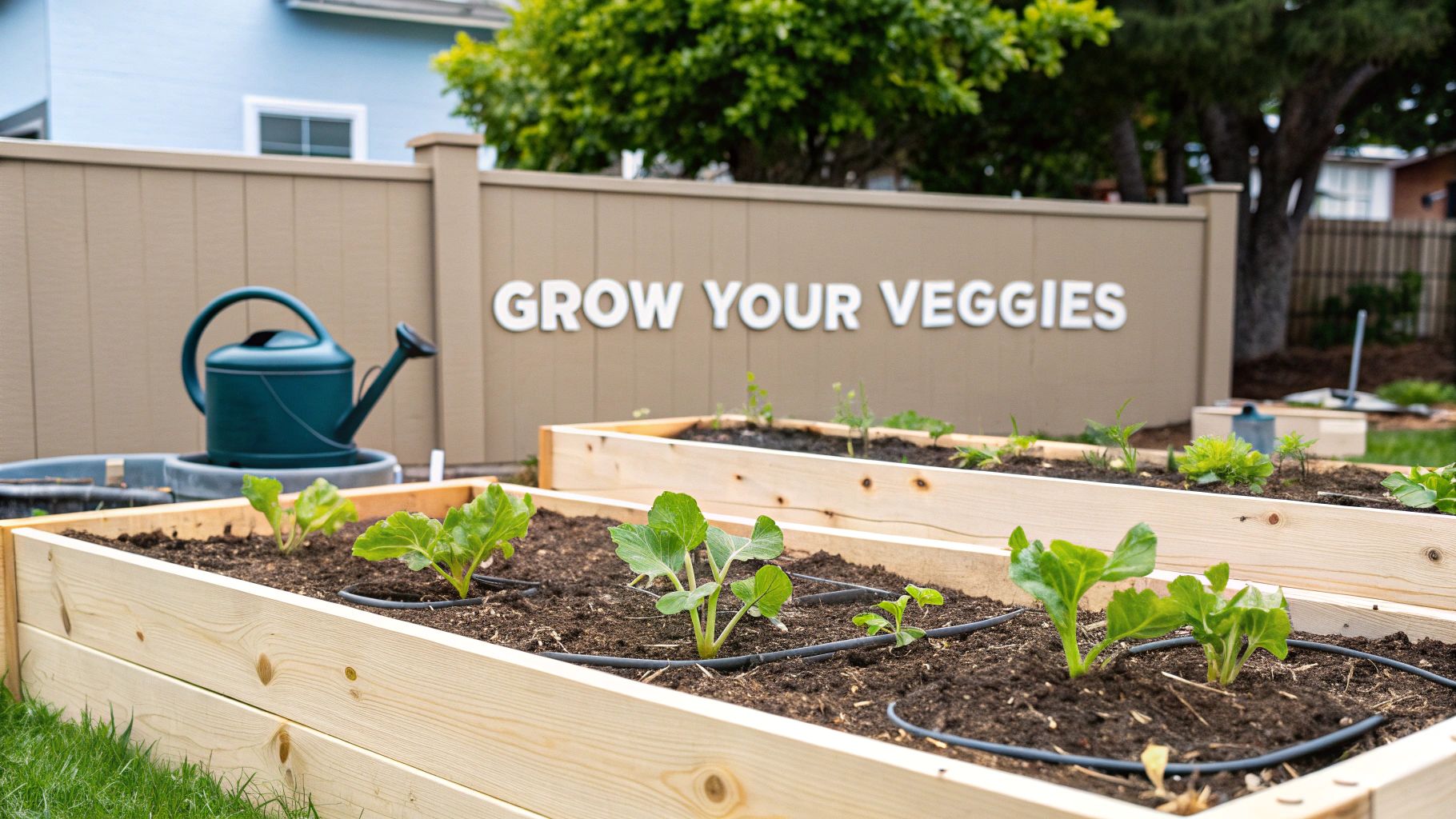
A suburban gardener in New Jersey reported using Repels All around the perimeter of their raised beds to deter rabbits and groundhogs. Over two months, they observed a significant reduction in animal damage but avoided spraying directly on vegetables. The gardener noted some odor persistence near the beds but no adverse plant effects.
Additionally, the gardener experimented by alternating Repels All with a garlic-based spray in subsequent seasons. They found that switching repellents occasionally helped prevent animals from becoming accustomed to the scent, further enhancing protection. This strategy, known as “repellent rotation,” is recommended by extension agents to maintain high efficacy throughout the growing season.
Limitations And Drawbacks
- Not labeled for direct use on edible plants: Using Repels All contrary to label instructions can void warranties, jeopardize organic certification, and expose users to legal liability.
- Possible residue and flavor changes if applied directly: Crops such as lettuce, spinach, and tomatoes are especially prone to absorbing odors and flavors from nearby repellents.
- Odor persistence can be unpleasant: Strong smells may linger for days, affecting both gardeners and nearby residents.
Ultimately, for vegetable gardens, Repels All is most effective when used as a perimeter treatment—never directly on harvestable crops.
Safety Considerations For Edible Gardens
When it comes to food safety, the stakes are high. Any product applied near vegetables must be evaluated for toxicity, residue, and long-term effects.
Residue And Food Safety Risks
Repels All’s active ingredients—garlic oil, dried blood, and putrescent egg solids—are not classified as hazardous, but the product formulation contains inert ingredients that may not be food-safe. These can include emulsifiers, preservatives, or carriers that lack approval for food contact.
Spraying directly on vegetables can lead to:
- Unpleasant taste and odor: Residues from strong-smelling ingredients may persist through harvest, especially on leafy greens and herbs.
- Potential ingestion of unapproved chemicals: Even natural compounds can have adverse effects if not tested for human consumption.
- Risk of allergic reactions in sensitive individuals: Some people are highly sensitive to sulfur compounds, eggs, or blood proteins, and even trace amounts can trigger symptoms.
Furthermore, the risk of cross-contamination increases during heavy rainfall or overhead irrigation, which can wash perimeter-applied repellent onto edible portions of plants.
Regulatory Compliance
According to the USDA National Organic Program, only products explicitly approved for edible crops can be used on vegetables. Repels All does not meet this criterion. Organic farmers are particularly at risk of losing certification if they inadvertently apply non-listed products to their crops, potentially resulting in significant financial loss.
In addition, home gardeners who sell or share produce with local food banks, schools, or farmers’ markets must adhere to these standards to ensure public health and legal compliance.
Environmental Impact
Repels All is biodegradable and generally safe for soil and groundwater when used per instructions. However, excessive or misapplied product can:
- Alter soil microbial activity: The decomposition of protein-rich substances (like dried blood or egg solids) can temporarily disrupt the balance of beneficial soil microbes, particularly in small or intensively cultivated plots.
- Affect beneficial insects: Pollinators, predatory beetles, and earthworms may be sensitive to strong odors or repellent residues, potentially reducing garden biodiversity.
- Contribute to runoff: High concentrations or repeated applications can increase the risk of runoff into local waterways, where nutrient-rich ingredients may contribute to algal blooms or affect aquatic life.
Manufacturer Safety Warnings
The product label states:
- “Do not apply directly to edible plants or fruits.”
- “Wash hands after application.”
- “Keep away from children and pets.”
Additional safety measures recommended by experts include wearing gloves during application and storing the product in a sealed container away from food or animal feed.
Case Study: Commercial Market Farm
A market farmer in Oregon experimented with Repels All as a perimeter spray for a broccoli field. They avoided direct contact with crops and saw a 40% decrease in deer browsing compared to untreated fields. However, when accidentally sprayed on broccoli leaves, the produce developed a lingering garlic odor, impacting sales.
The incident underscored the importance of strict application practices and led the farm to implement more rigorous staff training and clear signage around treated zones. Their experience highlights both the potential benefits and risks of using Repels All near food crops.

Application Methods And Best Practices
Knowing how to use Repels All correctly is crucial for maximizing protection while minimizing risk.
Perimeter Spraying
The safest and most effective method for vegetable gardens:
- Spray or sprinkle Repels All along the border of beds or the garden fence, forming a continuous barrier.
- Maintain a 2-foot buffer zone from edible plants to minimize the risk of drift or splash onto crops.
- Reapply every 14-30 days, especially after rain, heavy dew, or irrigation. Frequent reapplication is especially important during peak animal activity periods (early spring and late summer).
- Monitor for any signs of animal adaptation, and consider alternating with other repellents or deterrent strategies as needed.
Avoid Direct Plant Application
Do not spray Repels All directly onto vegetables, herbs, or fruits. If accidental contact occurs:
- Rinse plants thoroughly with water as soon as possible to remove surface residues.
- Wait at least 7 days before harvesting, and inspect for any lingering odor or visible residue before consumption.
- Consider discarding any produce that retains persistent smells or appears discolored.
Combining With Physical Barriers
For maximum effectiveness, use Repels All in conjunction with:
- Fencing: Sturdy fencing (such as 24-inch hardware cloth or electrified tape) is the most reliable method for excluding persistent pests like deer and groundhogs.
- Netting: Lightweight mesh can deter birds and small mammals while allowing sunlight and rain to reach plants.
- Row covers: Floating row covers provide a dual benefit—protecting against insects and larger pests.
- Mulch barriers: Organic or synthetic mulches can help deter digging animals and reduce weed pressure.
Physical barriers not only enhance the effectiveness of repellents but also offer a non-chemical line of defense suitable for organic and low-input gardens.
Monitoring And Adjusting
- Track pest activity with motion-activated cameras or simple observation logs.
- Adjust repellent placement based on observed animal pathways, burrows, or feeding sites.
- Communicate with neighboring gardeners to coordinate efforts, as pests often range across multiple properties.
Real-world Example: Urban Community Garden
An urban community garden in Chicago used Repels All granules along the main paths and entry points. Combined with mesh fencing, this approach reduced rabbit incursions by 60%. Gardeners reported no residue concerns, as vegetables remained untouched by the product.
Volunteers also noted that consistent maintenance—such as clearing vegetation near fences and promptly repairing any breaches—was essential to maintaining high levels of protection. The garden’s experience demonstrates the value of integrated pest management, combining chemical and physical controls for best results.
Application Table: Perimeter Vs. Direct Plant Use
| Application Method | Repels All | Food Safety | Effectiveness | Residue Risk |
|---|---|---|---|---|
| Perimeter Only | Recommended | High | Good | Low |
| Direct Plant Spray | Not Recommended | Low | Variable | High |
Alternatives To Repels All For Vegetable Gardens
Gardeners seeking food-safe repellent options have several choices. These alternatives are often approved for direct use on edible plants and carry fewer risks.
Natural And Organic Repellents
- Hot Pepper Wax
- Made from capsaicin; deters mammals and insects.
- Registered for use on vegetables.
- Capsaicin-based sprays also have the added benefit of deterring some chewing insects, making them a versatile option for multi-pest management.
- Garlic Barrier
- Pure garlic extract; repels insects and animals.
- Approved for food crops.
- Garlic-based repellents are effective against aphids, beetles, and even some fungal diseases, offering broad-spectrum protection.
- Plantskydd
- Dried blood-based; designed for vegetables and fruit.
- Organic-certified.
- Plantskydd’s granular and spray formulations are OMRI-listed for organic use and provide long-lasting protection, particularly in cool, damp climates where other repellents may break down more quickly.
Physical Barriers And Cultural Controls
- Fencing: 24-inch wire mesh deters rabbits and groundhogs. Taller fencing (up to 6-8 feet) may be required for deer, particularly in rural or forested areas.
- Row covers: Lightweight fabric prevents insect and animal entry and can also provide some frost protection.
- Scare devices: Reflective tape, motion-activated sprinklers, and decoy predators (such as fake owls or snakes) can disrupt pest patterns, though animals may eventually become accustomed to them unless moved regularly.
Comparison Table: Approved Vegetable Garden Repellents
| Repellent | Active Ingredient | Food Safe? | Application Method | Effectiveness (%) | Duration |
|---|---|---|---|---|---|
| Hot Pepper Wax | Capsaicin | Yes | Direct spray | 70-80 | 2 weeks |
| Garlic Barrier | Garlic oil | Yes | Direct spray | 65-75 | 1-2 weeks |
| Plantskydd | Dried blood | Yes | Granular/spray | 85-90 | 4-6 weeks |
Diy Repellent Recipes
Many gardeners create homemade repellents:
- Egg and water mix: Whisk together one egg per quart of water, strain, and spray around plants. The scent deters mammals, though frequent reapplication is needed.
- Soap shavings: Scatter shavings of strongly scented bar soap (such as Irish Spring) around the base of plants to discourage browsing.
- Hot chili and garlic spray: Blend hot peppers and garlic with water, strain, and spray on or around plants. This multipurpose spray can repel mammals and some insects but should be reapplied after rain.
These are generally safe but must be reapplied frequently. Always test homemade sprays on a small area first to ensure no phytotoxicity (plant damage).
Integrated Pest Management (ipm)
Combine repellents with:
- Crop rotation: Reduces pest buildup in the soil and disrupts pest life cycles.
- Companion planting: Certain plants (like marigolds or onions) can deter pests naturally when interplanted with vegetables.
- Regular monitoring: Early detection of pest incursions allows for prompt, targeted interventions before significant damage occurs.
For more strategies, see the University of Vermont IPM Guide.
Environmental And Health Impacts
Using any repellent requires weighing environmental and health considerations.
Soil And Water Quality
Repels All is designed to be biodegradable, but overuse can impact:
- Soil organisms: High concentrations of protein-based ingredients may encourage the growth of certain bacteria or fungi, potentially altering the soil’s natural balance.
- Water runoff: When applied in excess or before heavy rain, repellents can be washed into storm drains or waterways, where their organic matter may contribute to nutrient pollution or harm aquatic species.
- Local wildlife: While intended to deter pests, repellents can sometimes affect non-target species, including beneficial mammals, birds, or pollinators.
Human Health Risks
No acute toxicity is associated with Repels All when used as directed, but:
- Direct plant application may lead to unintended ingestion of non-food-safe ingredients, particularly risky for children, pregnant women, or immunocompromised individuals.
- Sensitive individuals may react to strong odors or proteins from eggs or blood, experiencing symptoms such as nausea, headaches, or, rarely, allergic reactions.
It’s important for gardeners with allergies or respiratory sensitivities to wear protective gear when applying repellents and to avoid working in recently treated areas until odors dissipate.
Impact On Pollinators And Beneficial Insects
Repels All can affect pollinators if sprayed on flowers. Avoid direct application to blooming plants to protect bees and butterflies. Pollinator health is a critical consideration for vegetable gardens, as many crops (such as tomatoes, squash, and beans) rely on bees for optimal fruit set.
Gardeners can further support pollinator populations by:
- Creating pollinator-friendly zones away from treated areas
- Planting native flowering plants that bloom in succession
- Providing water sources and habitat for beneficial insects
Regulatory Oversight
The EPA and state agencies monitor repellent safety. Non-compliance can result in fines or crop rejection for commercial growers. Audits for organic certification frequently include checks for prohibited substances, and even unintentional contamination can result in costly corrective actions.
For additional environmental data, see the Scientific Reports: Repellent Impact Study.
Real-world Examples And Case Studies
Examining real-world usage provides valuable perspective.
Case Study 1: Backyard Tomato Patch
A gardener in Pennsylvania used Repels All perimeter spray to protect a tomato patch from deer. Over the season, deer incursions dropped by 80%, and tomatoes remained unaffected. No residue or flavor changes were observed, as the product never touched the plants.
The gardener also shared excess tomatoes with neighbors and a local food pantry, who reported no off-flavors or complaints—a testament to the safety of perimeter-only use.
Case Study 2: School Garden Program
A school garden in California trialed Repels All granules around vegetable beds. The repellent reduced rabbit damage, but heavy rain washed granules into the beds. Students reported a strong odor in harvested lettuce, prompting a switch to fencing and garlic-based sprays.
This experience highlighted the importance of considering weather patterns and using physical barriers in settings with children or vulnerable populations.
Case Study 3: Organic Farm Audit
An organic farm in Vermont was audited for compliance. Inspectors flagged the use of Repels All as a perimeter repellent but approved its use since no direct application occurred. The farm switched to Plantskydd for broader animal control and food safety assurance.
The farmer noted that documentation of application methods and product labels was critical for passing the audit and maintaining organic certification.
Lessons Learned
- Perimeter-only application is generally safe and effective.
- Direct plant exposure can cause odor, taste, and compliance issues.
- Rain and irrigation may spread repellent unintentionally, so buffer zones and careful timing are essential.
Manufacturer Guidelines And Legal Compliance
Understanding product labeling and legal restrictions is vital for safe use.
Repels All Label Instructions
The official label states:
- “Do not apply to plants intended for consumption.”
- “Apply around, not on, vegetable gardens.”
- “Reapply after heavy rain.”
These instructions are legally binding and designed to protect both user safety and environmental health.
State And Federal Regulations
Many states follow EPA guidance, which prohibits unapproved repellent use on edible crops. Violation can lead to:
- Crop rejection by buyers, wholesalers, or processors
- Legal penalties for non-compliance with pesticide laws
- Loss of organic certification for certified growers
For more information, refer to California Department of Pesticide Regulation.
Compliance Checklist
- Read product labels fully to confirm approved uses.
- Consult state regulations or local cooperative extension offices for guidance.
- Avoid direct plant application unless the product is labeled for food crops.
- Document application methods for audits and provide records to certifying agencies or market managers as needed.
Internal Links For Further Reading
- [Integrated Pest Management Strategies](https: //www.uvm.edu/extension/agriculture/ipm)
- [Safe Pest Control Options for Vegetable Gardens](https: //www.epa.gov/pesticides)
Frequently Asked Questions
Is Repels All Safe For Use On Edible Vegetable Plants?
No. Repels All is not approved for direct use on edible vegetable plants. Manufacturer guidelines and regulatory agencies caution against applying it to crops meant for human consumption due to potential residue and safety concerns.
Can Repels All Be Used As A Perimeter Treatment Around Vegetable Gardens?
Yes. Repels All can be safely used as a perimeter treatment around vegetable gardens, as long as it is not applied directly onto the vegetables themselves. This method effectively deters animal pests without compromising food safety.
What Are The Risks Of Using Repels All Directly On Vegetables?
Direct application can result in unpleasant taste and odor, potential ingestion of non-food-safe ingredients, and possible allergic reactions. It may also violate state and federal regulations, especially for commercial growers.
Are There Food-safe Alternatives To Repels All For Vegetable Gardens?
Yes. Several repellents are approved for use on edible crops, including Hot Pepper Wax, Garlic Barrier, and Plantskydd. These products are designed for direct application and carry lower residue risks.
How Often Should Repels All Be Applied Around A Vegetable Garden?
Repels All should be applied every 14-30 days as a perimeter treatment, or after heavy rain. Frequency depends on pest pressure and weather conditions. Always follow label directions for optimal safety and effectiveness.
Gardening is both a science and an art, and choosing the right pest deterrent is critical to a healthy harvest. Repels All delivers impressive results as a perimeter repellent but falls short in terms of food safety for direct use on vegetables.
By adhering strictly to manufacturer guidelines, considering food-safe alternatives, and combining physical barriers, gardeners can protect their crops without compromising quality or compliance. Stay informed, follow best practices, and enjoy the fruits—and vegetables—of your labor with peace of mind.