Spider Mites on Plants Brought Indoors for Winter
Check plants for spider mites before they come indoors, then repeat inspections weekly for 2 to 3 weeks; treat at the first sign of stippling, fine webbing, or moving specks. Miss them, and dry heated rooms can turn a small hitchhiker problem into leaf drop, yellowing, and spread to nearby houseplants. This guide shows the early signs to spot, how to inspect new arrivals, and the fastest treatment steps that work indoors.
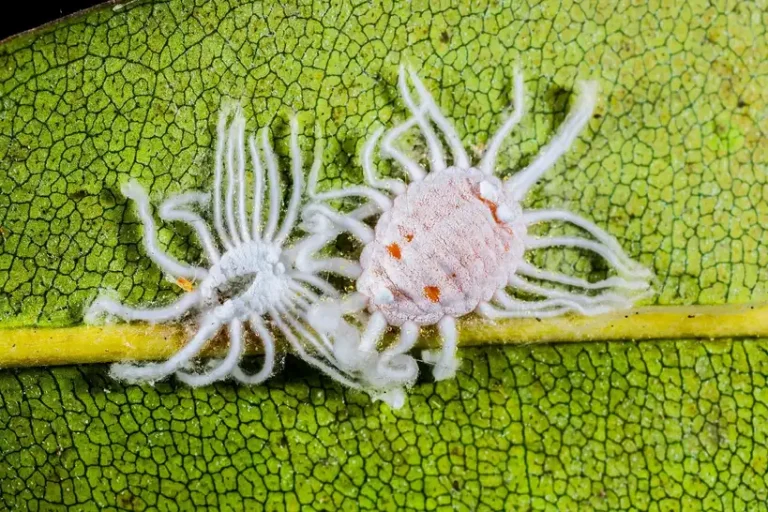
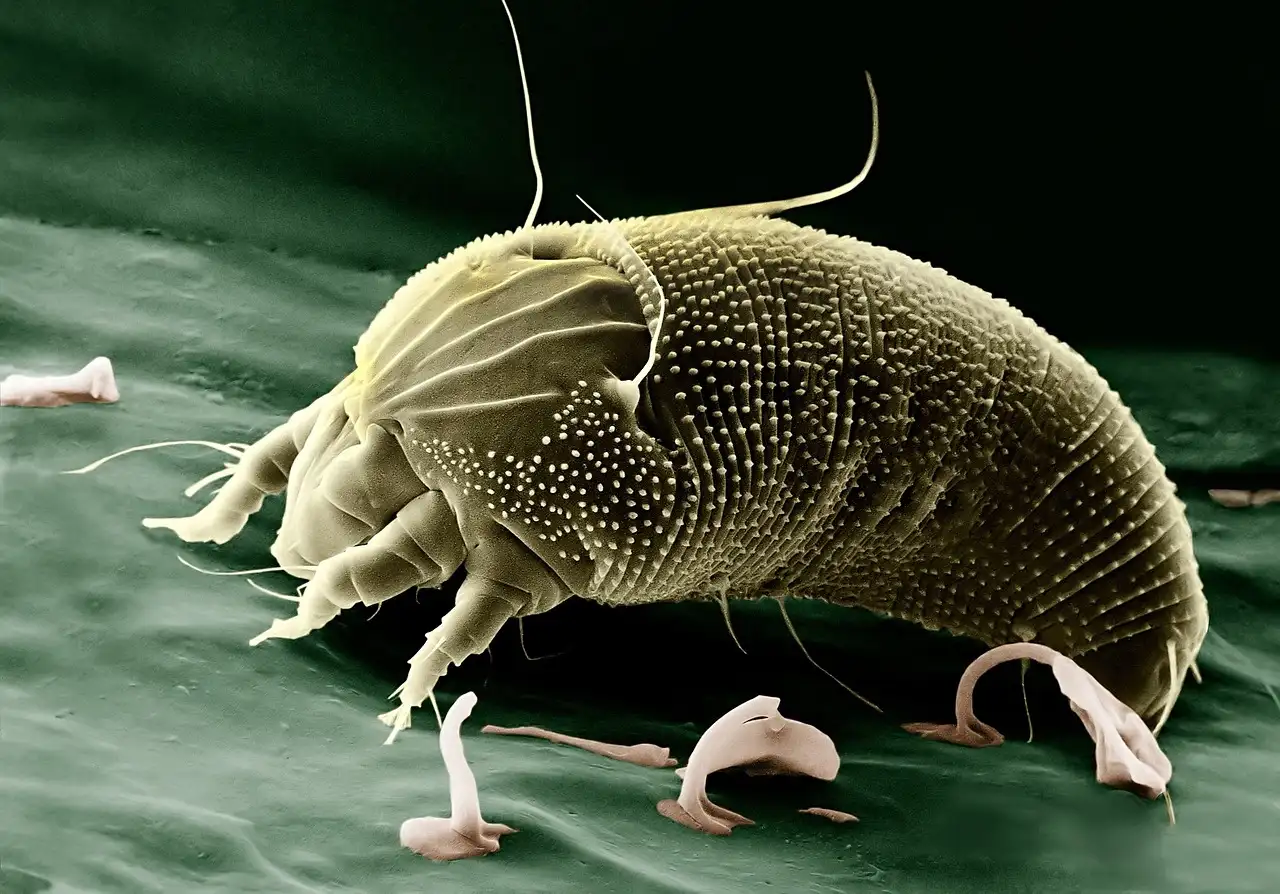
Spider mites are tiny arachnids in the Tetranychidae family. Common types on houseplants include the two-spotted spider mite, also called red spider mite in some sources, and adults are often around 0.5 mm long. They live in colonies, usually under leaves, and their development from egg to adult can take just 5 to 20 days.
What spider mites are doing indoors
That short cycle matters in winter. Warm, dry air from heating and low humidity let populations build quickly, especially on houseplants and greenhouse-grown plants that move from outdoor air to indoor conditions. If temperatures stay above 12ºC, they can breed all year round.
What you’ll need
- A magnifying glass or lens
- White paper for a tap test
- Clean pruning shears
- A sink, shower, or hose with a gentle spray setting
- Insecticidal soap labeled for houseplants
- Neem oil product labeled for indoor plant use
- Gloves if you prefer them for handling treated foliage
- Separate space for quarantine, such as a spare room or bathroom
- Humidifier, pebble tray, or bowls of water if you plan to raise humidity
Inspect plants before they come inside

Isolate any plant you plan to move indoors, then inspect it before it crosses the threshold. Start with quarantine, then inspection, then treatment. That order keeps hitchhikers off nearby plants while you confirm whether the problem is spider mites or simple stress.
- Hold each plant apart. Keep it away from the rest of the collection for about 2 weeks if possible. A spare room, enclosed porch, or bathroom works better than a crowded windowsill.
- Check leaf undersides. Use a magnifying glass and look under each leaf, especially along branch intersections and crowded inner growth. Spider mites often hide where air movement is weak.
- Tap over white paper. Hold a leaf over clean white paper and tap it sharply. Tiny moving specks that crawl rather than bounce are a warning sign, especially if you also see pale dots on the leaf.
- Test for webbing. Pull leaves apart and look for fine, cobweb-like threads between leaves and stems. This is one of the easiest ways to identify them.
- Repeat weekly. Recheck about once a week for 2 to 3 weeks after bringing the plant in. Catching mites early is the difference between a few rinses and a full treatment cycle.
| Inspection step | What to look for | Severity threshold | Action |
|---|---|---|---|
| Leaf undersides | Tiny moving specks, pale dots, egg clusters | 1 to 2 leaves affected | Quarantine |
| Paper tap test | Fast-crawling specks on white paper | Any confirmed movers | Rinse |
| Webbing check | Fine webbing on leaves or stems | Webbing on more than one area | Soap |
| Leaf damage | Stippling, yellowing, bronzing, curling | Several leaves or newest growth affected | Prune |
| Plant condition | Heavy leaf drop, broad webbing, slowed growth | Most of the plant affected | Discard |
A common first-timer mistake is checking only the top of the leaves. That misses the area where mites usually feed. Another common miss is assuming pale dots are dust or dry air without looking for movement on the underside.
What do spider mites look like on houseplants?
Spider mite damage usually starts with pale stippling on leaves, then moves to yellowing or bronzing, fine webbing, curling, stunting, and leaf drop. The mites themselves are tiny enough to miss at a glance, so the damage pattern and the underside of the leaf matter more than the top surface alone.
Early signs on leaf undersides
Look for tiny moving specks, especially near veins, petioles, and branch intersections. Pale discoloration spots are an early sign. The easiest visual clue is fine, cobweb-like webbing, which often appears after a colony has been feeding for some time.
Damage can look like water stress or nutrient trouble at first. The difference is that spider mites leave a speckled, pinprick pattern and often show active mites or webbing under the leaf. Dust does not crawl. Nutrient issues do not leave webbing.
Damage that looks like stress but is not
Yellowing from root issues usually starts more evenly. Spider mite feeding often gives a mottled look, then bronzing and leaf drop. If the plant is indoors in warm, dry air and the underside checks show movement, treat it as mites until proven otherwise.
Treat mild to moderate infestations
Pick the lightest treatment that fits the infestation. A light infestation on a few leaves often responds to a water spray and follow-up checks. A broader infestation usually needs soap or neem oil, applied to all affected surfaces and repeated on schedule. Severe webbing calls for pruning, isolation, or disposal.
- Rinse the plant first. Give foliage a gentle water spray, and aim it at the undersides of leaves. This knocks off mites and webbing before any contact treatment goes on.
- Let foliage dry. Wait until leaves are dry before applying insecticidal soap or neem oil. Wet leaves can reduce coverage and make treatment less reliable.
- Apply soap or neem. Use insecticidal soap or neem oil exactly as directed on the label. Cover the undersides of leaves and stems, because contact is what kills exposed mites.
- Repeat on schedule. Reapply insecticidal soap every 7 to 10 days, or according to instructions. That timing matters because eggs and newly hatched mites can escape the first round.
- Prune hot spots. Remove the most damaged leaves and any visibly webbed growth before a repeat treatment. If the infestation is limited, this lowers the number of mites you need to hit.
Neem oil is a natural extract of the neem tree and can smother spider mites on application. Keep it away from pets and children, and use only as directed. Insecticidal soap is also a contact treatment, so coverage matters more than quantity.
Say your ficus has stippling on four leaves and a few threads near one stem. That is a manageable case: rinse, dry, then treat the undersides and repeat in 7 to 10 days. If the next check shows fresh specks on new leaves, move to stricter isolation and pruning.
If that did not work, move to biological control or removal. On plants kept in warm indoor spaces or small greenhouses, predatory mites such as Phytoseiulus persimilis can be useful because they feed on mites at all life stages, including eggs. They survive at a minimum temperature of 15ºC, so they fit better in warm rooms than in cool winter spaces.
Can spider mites spread from one indoor plant to another?
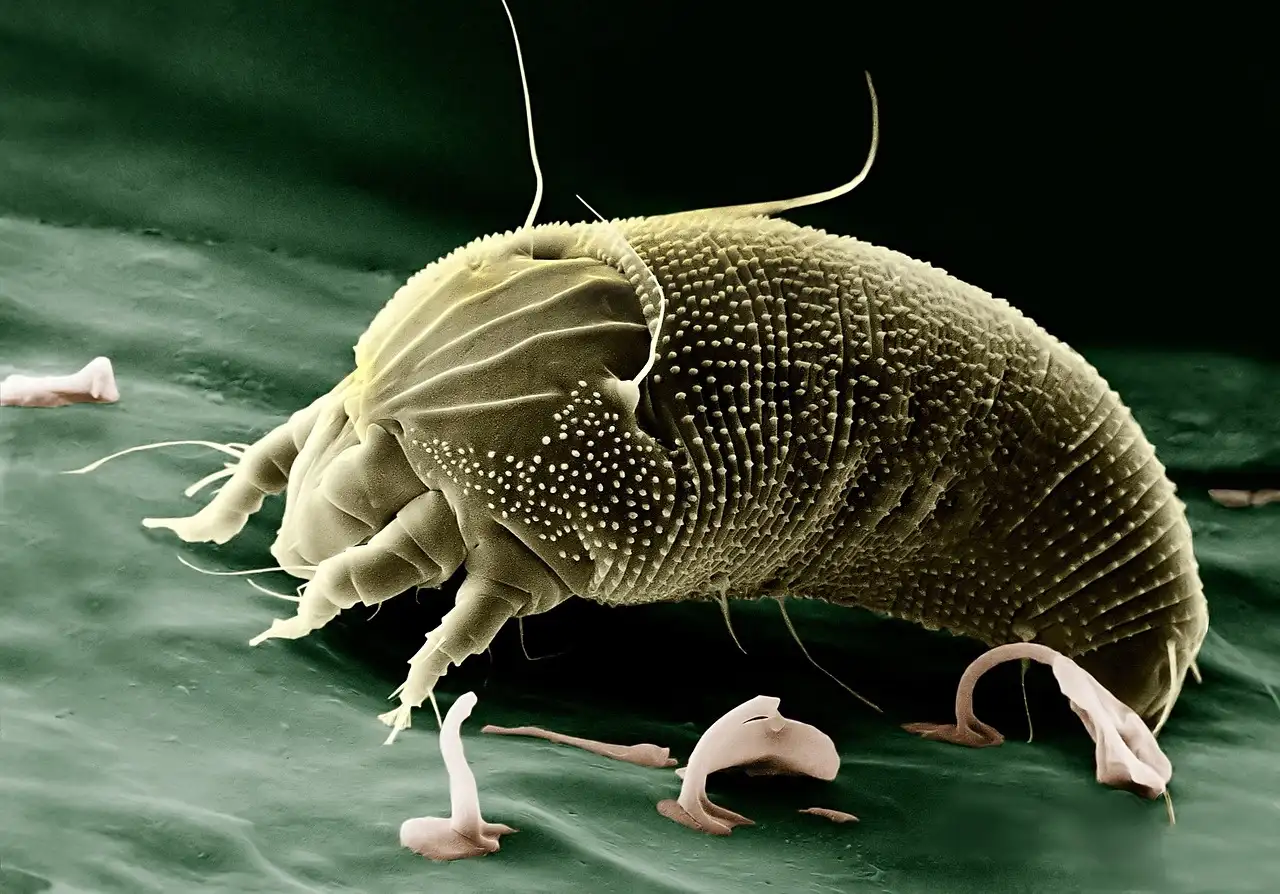
Yes. They can spread by crawling from plant to plant, by being brushed onto nearby foliage, and by moving on tools or hands that contact infested leaves. That is why quarantine matters before the plant joins the indoor group. One missed plant can seed a whole windowsill.
Warm, dry rooms make spread easier because mites reproduce faster and plants sit close together indoors. The risk is highest when new arrivals go straight from a quarantine spot to a shelf crowded with other houseplants. Keep spacing wide until two to three weekly checks come back clean.
Humidity changes that help
Raising humidity may help slow reproduction, though it will not clear an infestation on its own. Use pebble trays, bowls of water, or a humidifier near the plant group if that fits the room. Moving plants to a bathroom or kitchen can help when those spaces have more moisture and suitable light.
Misting can help in some settings, but it should not be the only control. A brief spray does not stay humid long enough to stop mites, and it does not replace inspection or contact treatment. The goal is to make conditions less favorable, not to rely on moisture alone.
Common mistakes
Do not spray first and inspect later. Do not treat only the top of the leaves. Do not mix a warm, dry room with crowded plants and assume the problem will stay small. And do not keep repeating the same spray without checking whether fresh stippling is still appearing.
Picture a kitchen herb pot moved indoors in late fall. It looks fine from above, but the underside shows faint webbing at the stem junction. One rinse may be enough if the infestation is tiny. If the same plant still shows moving specks a week later, it needs a full repeat treatment or removal from the group.
Remove a badly infested plant when webbing is widespread, new growth is collapsing, or repeated treatment does not stop the spread. Heavy pruning can save a plant with localized damage, but a plant that is mostly webbed and dropping leaves is often better discarded than used as a source plant.
Frequently asked questions
How do I know if a plant has spider mites before bringing it indoors?
Check the undersides of leaves with a magnifying glass, then tap a leaf over white paper and look for tiny moving specks. If you see stippling, pale dots, or webbing, quarantine the plant first and treat before it joins the rest of the indoor collection.
What kills spider mites on indoor plants fast?
A strong, gentle water spray aimed at the undersides of leaves is the fastest first step for a light infestation. After that, use insecticidal soap or neem oil on dry foliage and repeat every 7 to 10 days to catch newly hatched mites.
Does misting help get rid of spider mites?
Misting can help raise humidity briefly, but it will not remove a colony. Use it only as part of a broader plan with quarantine, inspection, and contact treatment. A humidifier or pebble tray is more useful for steady moisture than one-off misting.
Should I isolate plants before moving them inside for winter?
Yes. Isolation is the first move, not the last. Keep the plant separate, inspect leaf undersides and branch joints, and wait for two to three weekly checks before putting it near other houseplants. That timing catches hidden mites before they spread.
When should I remove a badly infested plant?
Remove it when webbing is broad, leaf drop is heavy, or repeated treatment does not slow the decline. If most of the plant is affected, disposal is safer than keeping a source plant that can seed mites across the rest of the indoor collection.
Do spider mites survive in warm, dry homes in winter?
Yes. Heated rooms with low humidity are prime conditions, and if temperatures stay above 12ºC, they can breed all year round. That is why winter move-in inspections matter so much for houseplants and greenhouse plants.
Can I use neem oil or insecticidal soap on indoor plants?
Yes, if the label allows indoor plant use. Apply to dry foliage, cover the undersides of leaves, and follow the timing on the product. Insecticidal soap is commonly reapplied every 7 to 10 days; neem oil should also be used exactly as directed.