How Many Petunias Should You Plant in a Window Box?
A common rule of thumb is one standard petunia every 6 inches of window-box length, so a 24-inch box holds about 4 and a 36-inch box holds about 6. Too few plants leave gaps; too many crowd roots, reduce bloom, and make watering harder. The right count depends on habit, depth, and whether the box is a single-species planting or a mix.
Start with the interior length of the box, then adjust for plant form. Window boxes usually need tighter finished spacing than a bed, but that is not the same as standard transplant spacing for the ground. Petunias are annuals in most areas and tender perennials in USDA Zones 9a-11b, so time planting after the last spring frost.
How many petunias fit in a window box?


Start with plant habit
Compact petunias suit tighter spacing because they hold a mounded shape and stay shorter. Trailing petunias need more room because their stems spread outward and over the edge. Petunias can reach a spread of 1-3 feet, so habit matters more in a shallow box than it does in a deeper border.
For a single row, count from the center of one plant to the center of the next. A common spacing baseline for petunia transplants is about 10-12 inches apart, but finished display spacing in a window box can be tighter when the plants are young, compact, and growing in a narrow container. Use the wider end of the range for stronger growers and hotter sites.
Adjust for mixed plantings
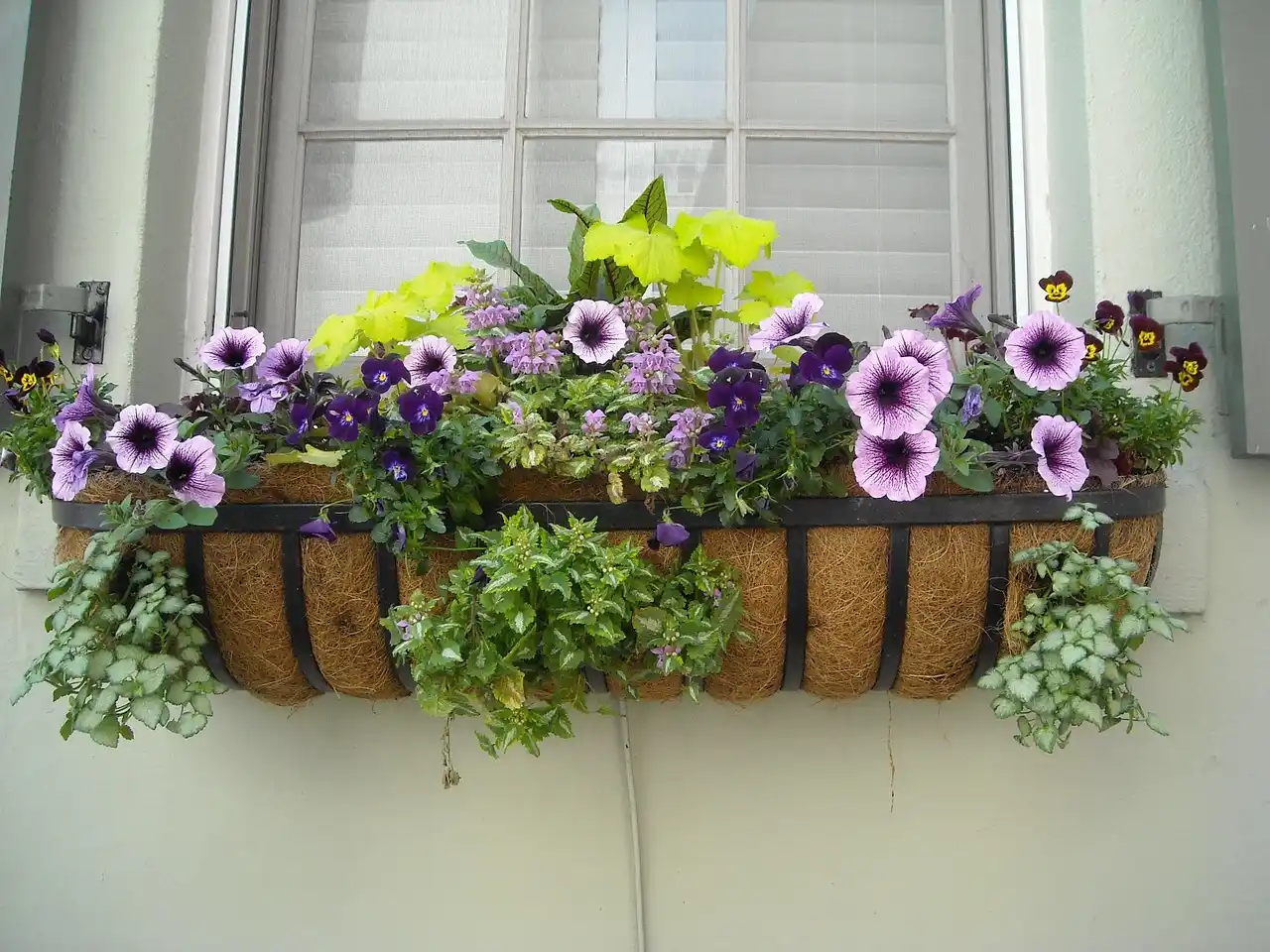
If petunias share the box with other flowers, cut the petunia count so each plant has room to branch. In mixed boxes, petunias should be spaced for their mature spread, not just for the empty space at planting time. A crowded mix can look full for a week and thin out fast once stems elongate.
Suppose a 36-inch box holds three compact petunias and a small upright filler in the center. That may work if the filler stays narrow, but the petunias should still have enough air around the crown to keep flowering well. If the filler grows broad, lower the petunia count to keep the box from closing in on itself.
Petunia spacing by window box length
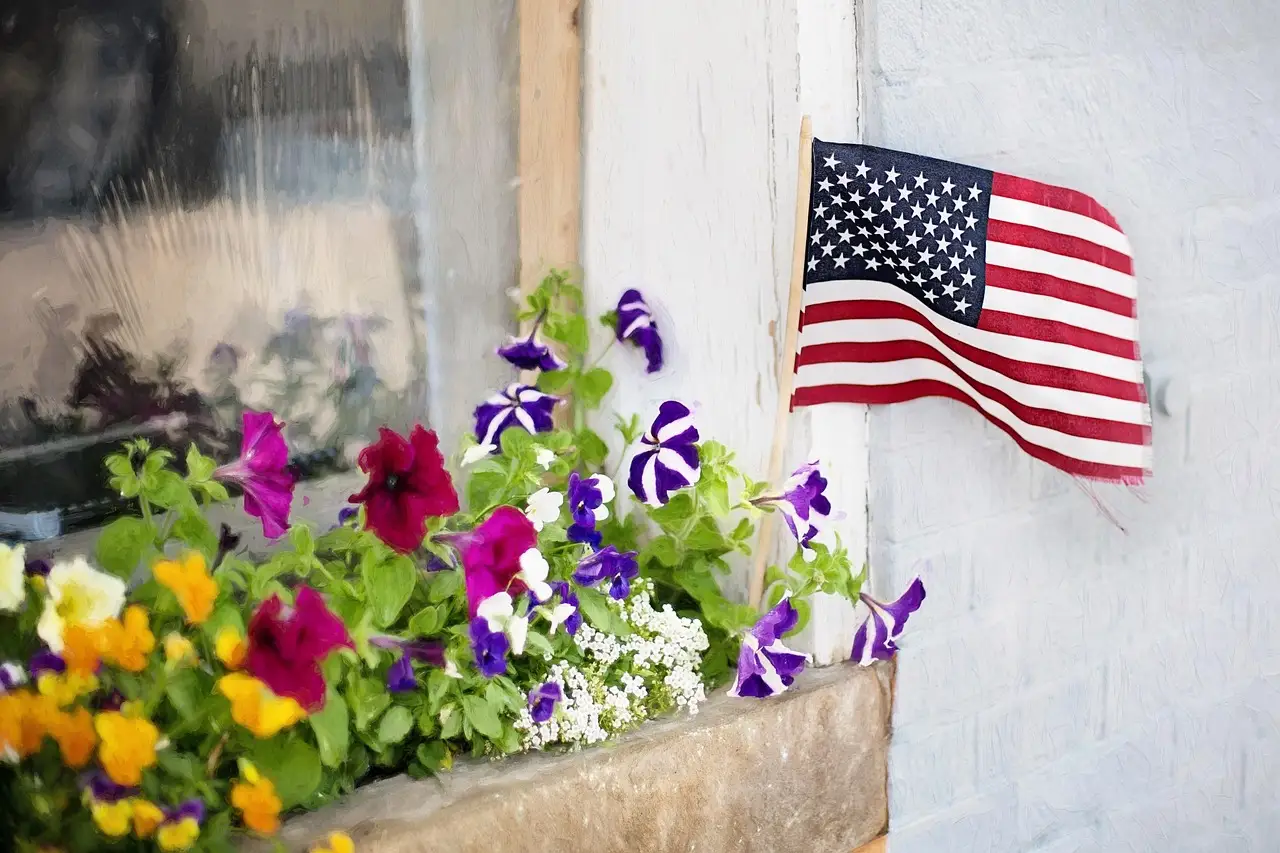
Window-box spacing works best when you match plant count to length and habit. A 12-inch box usually holds about one petunia, a 24-inch box often holds about four, and a 30- to 36-inch box usually holds about five to six. Wider spacing is safer in heat, wind, or with vigorous cultivars that spread quickly.
Use this simple formula for a single-species display: inside length in inches ÷ 6 = the rough petunia count for a full box. For a deeper box or a compact variety, the count can stay near that baseline; for a shallow box, hot exposure, or a mixed planter, reduce the total so the plants do not crowd before midsummer.
12-inch boxes
A 12-inch box is small enough for one compact petunia, or one trailing petunia only if you want it to spill over both sides. Two plants in this length usually crowd the roots and shorten bloom life. If you want a mixed planter, one petunia plus a slender companion is the safer choice.
24-inch boxes
A 24-inch window box is the simplest size to plan. Four compact petunias is the usual full-box count, while three trailing petunias gives each plant more room to drape. If the box is shallow or exposed to hot afternoon sun, drop the count by one so the mix does not dry out as fast.
30- to 36-inch boxes
In a 30-inch box, plan on five compact petunias or four trailing types. In a 36-inch box, six compact plants or five trailing plants is a practical range. A long box can look crowded on day one if the plants are too close, so leave enough open soil for airflow and watering.
Longer boxes and custom lengths
For boxes longer than 36 inches, use the 6-inch rule for a full, single-species display, then trim the count if the box is shallow or gets strong reflected heat from siding or pavement. Long boxes with mixed plantings usually work better when petunias take about half to two-thirds of the total planting spots.
Measure the inside length. Use the usable planting length, not the outside rim. End caps and corners do not support roots as well as the flat middle, so count the interior space that actually holds soil.
Choose the petunia habit. Pick compact plants for tighter spacing and trailing plants when you want spillover. Grandiflora types usually need more room than smaller multiflora or compact selections because the flowers and stems are larger and more vigorous.
Match the count to depth. Shallower boxes dry faster, so they do better with fewer plants and more open soil. A deeper box can support a denser row because roots have more room and the mix holds moisture longer.
Leave airflow at the edge. Keep petunias back from the lip if the box sits in full sun or strong wind. Good airflow keeps stems dry after watering and helps the plants keep flowering instead of crowding into a mat.
Do trailing petunias need more space?
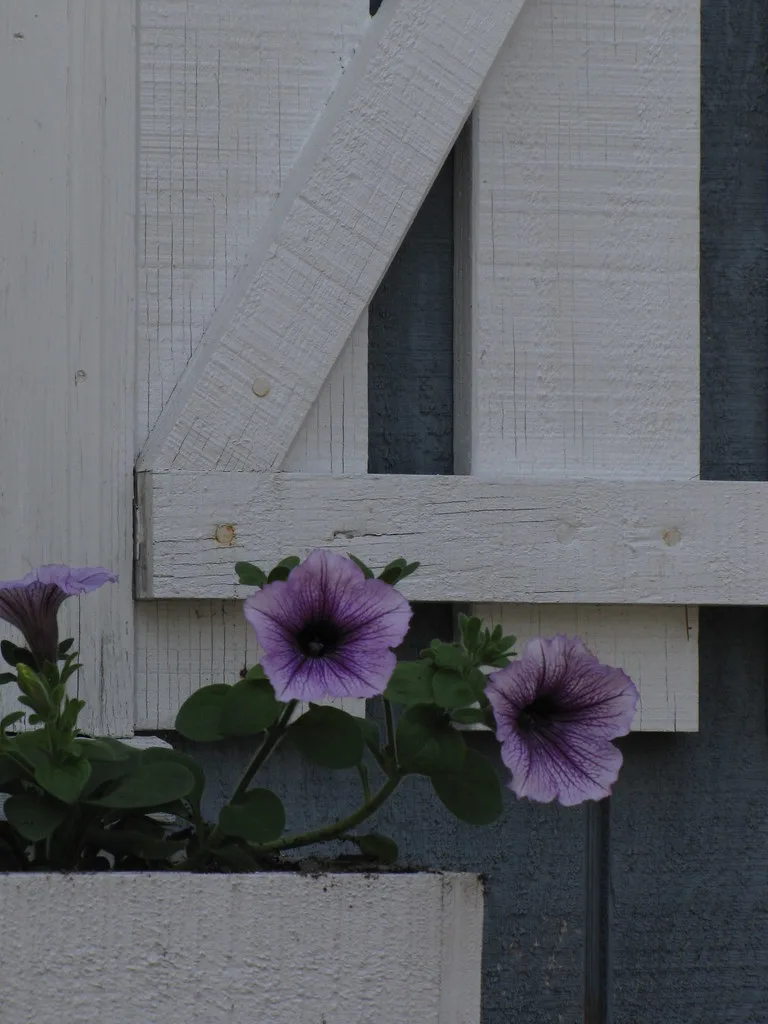
Yes. Trailing petunias need more space than compact types because they spread outward and are meant to spill over edges. They suit baskets, tubs, and window boxes, but they still need room for that habit to show. If you pack them too tightly, the edge becomes a tangle instead of a cascade.
When to choose trailing types
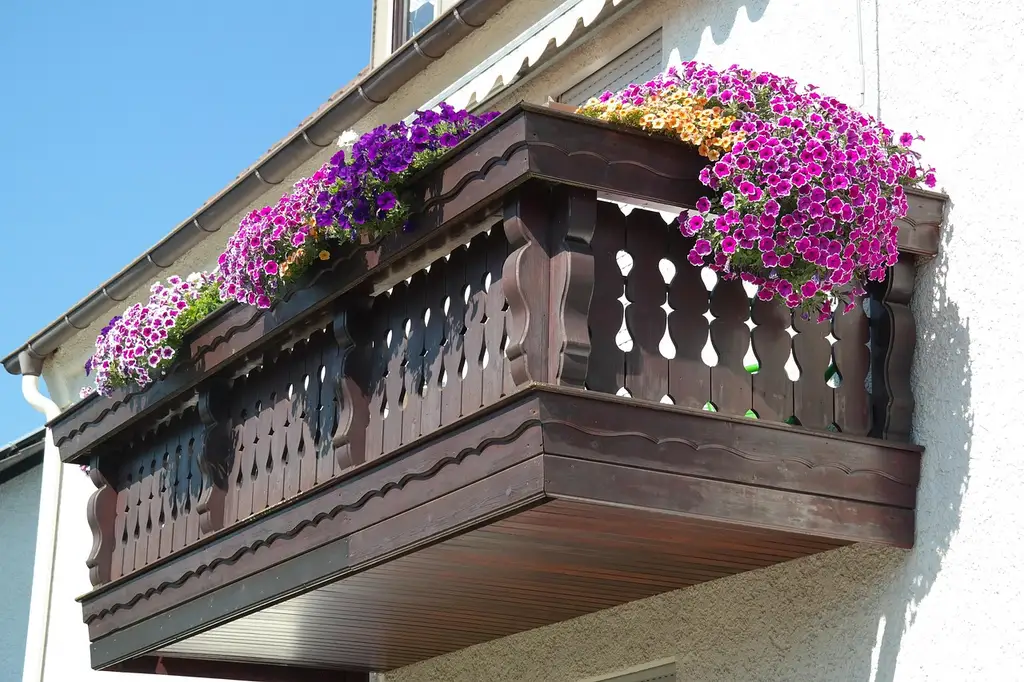
Choose trailing petunias when the box is wide enough to let stems drape without blocking the center. They work well on exterior window boxes where the goal is a hanging edge of color. In a narrow box, one trailing plant at each end often looks better than a full row of them.
When compact types fit better
Compact petunias are the better fit for short boxes, shallow boxes, or mixed containers that already include fillers. They hold shape better in small spaces and keep the box looking balanced longer. If you need a neat line and steady bloom in limited soil volume, compact types are the safer pick.
How edge overhang changes the count
Overhang is part of the plan, not extra growth you get for free. If the box has a deep front edge or sits high on a wall, trailing petunias need more room to clear the rim. Reduce the count when the edge will hide part of the plant, or the box will look crowded before midsummer.
Window box sizing table
Use this table as a quick count guide for a standard window box with well-draining potting mix and full sun. The counts assume young, healthy transplants and a box that is not already packed with large companion plants. If your box is shallow, hot, or windy, move toward the lower end of the range.
| Window-box length | Compact petunias | Trailing petunias | Mixed box count | Spacing range | Edge-overhang note | Overcrowding warning checklist |
|---|---|---|---|---|---|---|
| 12 inches | 1 | 1 | 1 petunia + 1 small companion only if both stay narrow | 10-12 inches center to center | One trailing plant can spill from one end, but not both. | Leaves overlap at planting; soil stays wet for days; stems lean before rooting. |
| 18 inches | 2 | 1-2 | 1 petunia + 1 filler, or 2 small petunias only | 10-12 inches for mixed boxes, closer only for compact plants | Use one trailing plant at the center or a pair at the ends. | Only one open pocket of soil remains; flowers sit on top of each other; watering becomes uneven. |
| 24 inches | 4 | 3 | 2 petunias + 1-2 companions | About 6-8 inches for a full look, wider if heat is high | Trailing plants will begin to hide the front lip by early summer. | Stems touch the next plant at the rim; lower leaves yellow; airflow drops sharply. |
| 30 inches | 5 | 4 | 3 petunias + 1-2 companions | 8-10 inches for mixed plantings | Good length for a mixed edge without burying the box shape. | Plants close over the soil surface before roots fill the box; blooms become smaller. |
| 36 inches | 6 | 5 | 4 petunias + 1-2 companions | 10-12 inches for large, vigorous plants; 8-10 inches for compact types | Trailing types need room at both ends to drape cleanly. | Canopy covers the soil completely; the center stays damp; flowers stop opening well. |
A compact box can still fail if the plants are packed too tightly. Common warning signs include poor airflow, fewer blooms, floppy stems, and water that sits on the surface instead of moving into the mix. In a window box, those signs usually show up sooner than they would in a ground bed.
Can you mix petunias with other flowers?
Yes, but mixed boxes need fewer petunias than petunia-only boxes. Petunias do well with companions if the other plants stay narrow, do not take over the root zone, and leave room for air. In a mixed window box, petunias should anchor the composition rather than fill every inch of soil.
When mixed boxes need fewer petunias
Use fewer petunias when the box already includes upright plants, fillers, or a centerpiece that will widen through summer. A mixed box should have visible gaps at planting time, because petunias grow quickly and need space for branching. If the box looks finished on day one, it is probably overcrowded.
Good companion spacing in shallow containers
In a shallow window box, pair petunias with small annuals that stay compact and tolerate the same full-sun exposure. Keep taller companions toward the back if the box sits under a window ledge. That keeps the petunias from being shaded out and helps the front edge spill freely.
Say your 24-inch box includes two compact petunias and two small companion plants. That can work if each plant gets enough room to expand, but the box should still have open soil between crowns. If the companions are vigorous, cut the petunia count to one or use only one trailing plant.
When to keep petunias in a single-species box
Keep petunias alone when the box is narrow, exposed to heat, or hung where watering is difficult. A single-species box is easier to space, easier to feed, and easier to water evenly. It also reduces competition for light, which matters because petunias need full sun, or they will become spindly.
What affects petunia count in a window box?
Length is only part of the count. Sun exposure, box depth, drainage, watering, and fertilizer all change how many petunias a box can support without thinning out or rotting at the roots. A box that dries fast can handle slightly denser planting only if the mix drains well and the plants are not already vigorous.
Sun exposure and heat
Petunias need a minimum of 6-8 hours of direct sunlight per day. In partial shade, bloom drops and stems stretch toward the light. On a hot wall or south-facing sill, the same box may need fewer plants because heat dries the mix faster and can stress crowded roots.
Box depth and drainage
When planting petunias in containers, use a container potting mix that will drain well. Light, fertile mix is the goal, and compost or organic matter can help if the base mix still drains freely. Avoid soggy conditions, because wet feet and poor drainage cut bloom quality and can trigger root rot.
Deeper boxes hold moisture longer and can support fuller plantings. Shallow boxes do the opposite. They dry quickly, warm fast, and leave less room for roots, so the safest count is usually lower even if the length seems generous.
Watering frequency and airflow
Petunias in containers or hanging planters may require daily watering in hot weather. Their shallow roots dry quickly, so crowded boxes can wilt in the afternoon and recover only after a thorough soak. Good airflow also helps the mix dry evenly instead of staying soggy around the crown.
Fertilizer and growth rate
Petunias are prolific bloomers with superior branching and even growth, so they use nutrients quickly in a confined box. A balanced fertilizer applied monthly is a common baseline for container plants, though containers may need more frequent feeding during strong bloom. Heavy feeding supports bloom, but it does not fix a box that is already too crowded.
Check the soil surface. If the mix stays wet more than a day after watering, the box is probably too crowded or the drainage is too slow. In that case, cut the plant count next time rather than trying to solve it with more water.
Watch for stretched stems. Spindly growth often means the box has too little sun or too many plants are shading each other. Move the box to a brighter spot if possible, then thin future plantings to improve light at the crown.
Trim after bloom flushes. Light pruning or deadheading keeps petunias branching instead of going leggy. This does not replace good spacing, but it helps a properly sized box keep flowering through the season.
Frequently asked questions
How many petunias should I plant in a window box?
For most window boxes, start with one petunia every 6 inches of length. That means 4 plants in a 24-inch box and 6 plants in a 36-inch box. Use fewer plants for trailing types, shallow boxes, or mixed plantings that already fill part of the space.
How far apart should petunias be spaced in a container?
A common container spacing target is about 10-12 inches, but window boxes often use slightly tighter spacing for a finished look. For compact plants, 6-8 inches can work in a healthy, well-drained box. For larger or more vigorous plants, keep the spacing wider so roots and stems do not compete too hard.
Can I mix petunias with other flowers in a window box?
Yes, as long as the other flowers stay compact and the box is not packed from end to end. In a mixed planter, lower the petunia count so each plant has room for airflow and root growth. If the companions are tall or vigorous, a single-species petunia box is usually the safer option.
Do trailing petunias need more space than compact types?
Yes. Trailing petunias spread farther and are meant to spill over the edge, so they need more room than compact types. In a short box, one or two trailing plants may be enough. Compact petunias stay neater in small containers and are better when you want a tighter fit.
How many petunias fit in a 24-inch window box?
A 24-inch box usually holds 4 compact petunias or about 3 trailing petunias. If you are mixing in other flowers, cut the count again so the box does not crowd by midsummer. The final number should leave room for watering, airflow, and visible soil between crowns at planting time.
How often should petunias in containers be watered?
Container petunias may need daily watering in warm weather, especially in full sun or wind. Check the mix often because shallow roots dry fast. The goal is evenly moist soil, not soggy soil, because poor drainage and constant wetness can stop blooming and damage the roots.
Do petunias need full sun in a window box?
Yes. Petunias need full sun, with 6-8 hours of direct light each day. In partial shade, they stretch and bloom less. Window-box placement matters because nearby walls, overhangs, and railings can shorten the light window and dry the container at the same time.