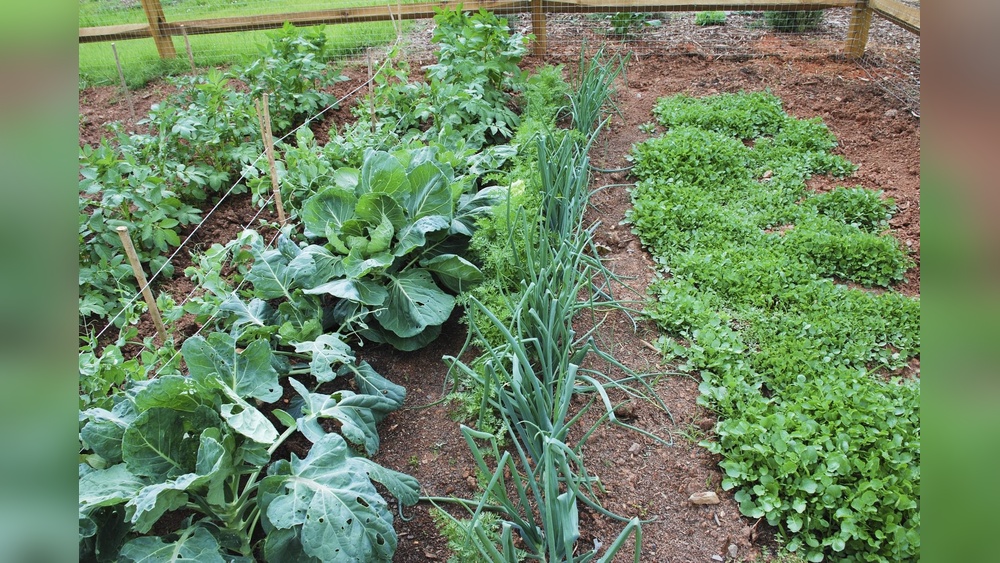

Brussels sprouts and broccoli are two beloved staples in the cool-weather garden, cherished for their nutritional value, versatility, and robust flavors. As more gardeners strive to maximize both space and yield, a crucial question arises: Can brussels sprouts and broccoli be planted together? The answer is more nuanced than a simple yes or no, intertwining elements of botany, soil science, pest management, and companion planting wisdom.
Understanding whether these two brassicas can thrive side by side is not just a matter of tradition or convenience. With limited garden space and the increasing need for sustainable food production, intelligent crop pairing can make the difference between a thriving, disease-resistant plot and a disappointing harvest.
In this comprehensive guide, we’ll explore the compatibility of brussels sprouts and broccoli, analyze their environmental needs, share data-driven insights, and arm you with actionable strategies for success.
Key Takeaways
- Brussels sprouts and broccoli are both cool-season crops from the Brassicaceae family, sharing many growing requirements.
- Planting them together is possible, but careful management of nutrients, spacing, and pest control is critical to avoid competition and disease.
- Companion planting strategies and crop rotation are essential for maintaining soil health and minimizing pest infestations.
- Real-world examples show success with interplanting when gardeners optimize planting density and care.
- Understanding the similarities and differences between these crops will help you maximize yield and garden health.
:max_bytes(150000):strip_icc()/health-broccoli-vs-brussel-sprouts-template-1_720-c310b4225b194326b0f2e80f1478c02b.jpg)
Understanding The Botanical Relationship
Similarities In The Brassicaceae Family
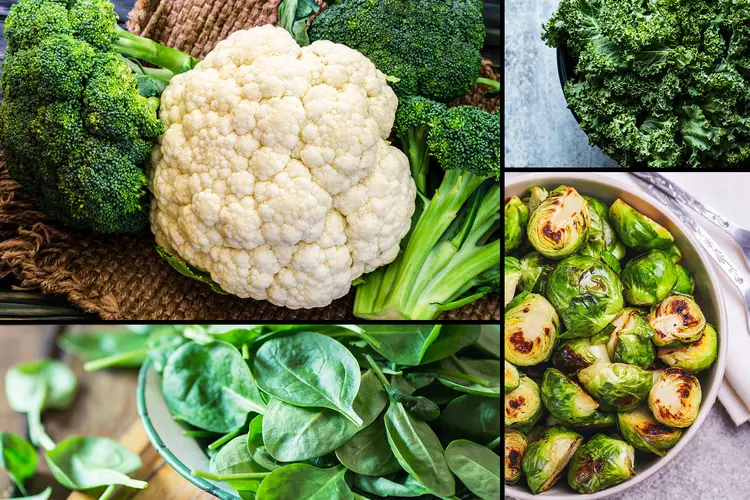
Both brussels sprouts and broccoli belong to the Brassicaceae (mustard) family, a group that also includes cabbage, cauliflower, kale, and kohlrabi. This familial link means they share several biological traits:
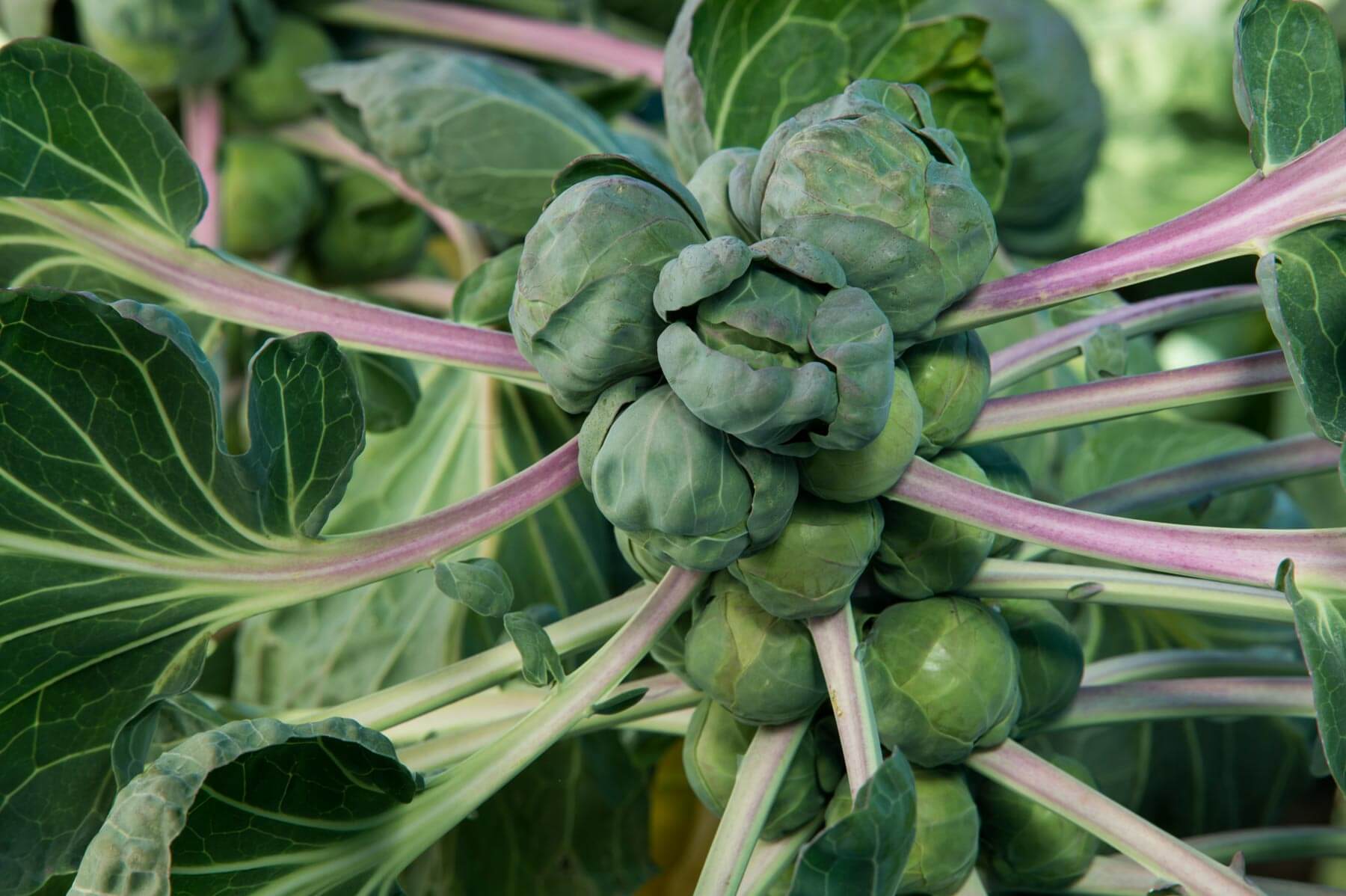
- Growth Habit: Both develop from a central stalk with large leaves. Brussels sprouts form small buds along the stem, while broccoli forms a single large head with smaller side shoots.
- Nutrient Needs: Both are heavy feeders, requiring rich, fertile soil with ample nitrogen. This need is driven by their rapid vegetative growth and the formation of dense buds and heads.
- Pest and Disease Susceptibility: Both are vulnerable to similar threats, such as cabbage worms, aphids, and clubroot. Their shared vulnerabilities make pest management a critical consideration when planting together.
These similarities are not just theoretical; they translate into practical growing requirements. For example, both crops benefit from regular applications of organic matter and respond well to soil rich in composted manure. Their similar needs allow for uniform fertilization and watering schedules, streamlining garden management.
Differences That Matter
Despite their similarities, some key differences affect how well they grow together:
- Maturation Time: Brussels sprouts require a longer growing season (90-180 days), while broccoli matures faster (50-100 days). This difference means that broccoli will be ready for harvest weeks or months before brussels sprouts, which can be advantageous for succession planting.
- Harvest Method: Brussels sprouts are harvested over time from the stem, while broccoli is typically harvested all at once when the central head forms. This staggered harvesting can be leveraged to free up space for brussels sprouts as broccoli is removed.
- Space Requirements: Brussels sprouts grow taller and need more vertical space; broccoli generally has a wider but shorter spread. This affects how you plan bed layouts and spacing.
Additionally, brussels sprouts tend to be more tolerant of cold weather and can continue to produce well into late fall, while broccoli may bolt or suffer from reduced quality if exposed to prolonged heat or cold stress.
Genetic And Physiological Considerations
Because they are closely related, planting brussels sprouts and broccoli together can sometimes amplify susceptibility to certain diseases and pests due to lack of genetic diversity. For example, clubroot and cabbage root fly are more likely to proliferate when multiple brassicas are grown together, as the pathogens have continuous hosts.
However, strategic planting and good management can mitigate these risks. Interplanting with non-brassica crops, maintaining proper spacing, and practicing crop rotation are all proven methods to reduce disease pressure. Introducing beneficial insects and using trap crops can also help suppress pest populations that target both crops.
Environmental Requirements: Comparing Needs
Soil Preferences
Both crops thrive in well-draining, fertile soils with a pH between 6.0 and 7.5. They require high organic matter and regular moisture.
- Brussels sprouts are slightly more tolerant of heavier soils than broccoli. They can withstand compacted soil better but still benefit from amendments that improve drainage and aeration.
- Broccoli is more sensitive to acidic soils and may develop hollow stems if calcium is lacking. Regular soil testing and amendment with lime or gypsum can help maintain optimal conditions.
Adding compost or aged manure before planting is recommended for both crops. These amendments not only supply nutrients but also improve soil structure, water retention, and microbial activity. Additionally, incorporating a layer of mulch after planting helps maintain soil moisture and temperature, which is particularly important in regions prone to drought or temperature fluctuations.
Sunlight And Temperature
- Full Sun: Both crops require at least 6-8 hours of sunlight daily. Insufficient sunlight can result in leggy growth and reduced yields.
- Temperature Range: Optimal growth occurs between 55°F and 75°F. Both tolerate light frosts, but brussels sprouts are more cold-hardy, improving in flavor after frost exposure.
Brussels sprouts, in particular, are known for their enhanced sweetness and tenderness after exposure to a few mild frosts. Broccoli, while less tolerant of cold, can still perform well if planted early in spring or late summer for a fall harvest.
In warmer climates, providing partial shade during the hottest part of the day can help prevent premature bolting or stress.
Water And Nutrient Requirements
Both are heavy feeders needing consistent moisture and nutrients, especially nitrogen, for robust leaf and bud development. Competition for these resources can be intense if planted too closely.
- Watering should be consistent, as fluctuations can lead to reduced head quality in broccoli or uneven sprout development in brussels sprouts.
- Nitrogen boosts leafy growth, but phosphorus and potassium are also important for root strength and disease resistance.
Installing drip irrigation can help deliver moisture directly to the root zone, reducing water waste and minimizing foliar diseases. Applying a balanced fertilizer at planting and again midway through the season supports ongoing growth and productivity.
Key Environmental Needs Comparison Table
| Requirement | Brussels Sprouts | Broccoli |
|---|---|---|
| Soil pH | 6.0–7.5 | 6.0–7.0 |
| Water Needs | 1–1.5 inches/week | 1–1.5 inches/week |
| Sunlight | 6–8 hours/day | 6–8 hours/day |
| Plant Spacing | 18–24 inches apart | 18–24 inches apart |
| Maturation Time | 90–180 days | 50–100 days |
Implications For Co-planting
Given these similarities and minor differences, both crops can be grown together if their shared needs are carefully managed. However, the risk of competition for nutrients and increased susceptibility to certain diseases and pests must be addressed. Ensuring adequate soil fertility, proper spacing, and integrated pest management is essential for success.
Companion Planting: Benefits And Drawbacks
The Concept Of Companion Planting
Companion planting is the practice of growing different crops in proximity for mutually beneficial effects. Common goals include pest suppression, improved pollination, maximizing space, and enhancing crop yield.
Many gardeners use companion planting as a way to mimic natural ecosystems. By combining plants with different growth habits, nutrient needs, and pest resistance profiles, it’s possible to create a more resilient garden. The approach can also include interplanting with flowers or herbs to attract beneficial insects or repel pests.
Advantages Of Planting Together
- Efficient Use of Space: Especially in small gardens, interplanting can maximize productivity. Brussels sprouts and broccoli can be planted in alternating rows, allowing for staggered harvests and more efficient use of available sunlight and nutrients.
- Microclimate Benefits: The dense foliage of both crops can help conserve soil moisture and reduce weed growth. This shading effect is particularly useful in hot, dry climates where evaporation can be a concern.
- Harvest Staggering: Since broccoli is harvested earlier, it can be removed to give brussels sprouts more space as they mature. This staggered approach enables gardeners to maintain continuous production and reduces the risk of overcrowding.
Additionally, combining these crops with low-growing herbs or lettuce can fill in gaps, suppress weeds, and add diversity to the garden ecosystem.
Potential Drawbacks
- Nutrient Competition: Both crops are heavy feeders, so simultaneous growth may deplete soil nutrients rapidly. If not managed properly, this can result in poor yields, stunted growth, or increased susceptibility to pests and diseases.
- Shared Pests and Diseases: Planting together can facilitate the spread of pests like cabbage loopers or diseases such as clubroot. Integrated pest management and regular monitoring are crucial to prevent outbreaks.
- Crowding: Without adequate spacing, airflow may be reduced, increasing fungal disease risk. Overcrowded brassicas are more likely to develop issues like powdery mildew or downy mildew.
Careful planning, regular soil amendment, and consistent monitoring are necessary to mitigate these potential drawbacks.
Scientific And Extension Recommendations
According to the University of Minnesota Extension, while these crops can be grown together, it is essential to maintain optimal spacing and to rotate with non-brassica crops every 2-3 years to minimize soil-borne diseases.
Extension services recommend incorporating organic matter before planting and avoiding repeated brassica plantings in the same bed. Using disease-resistant varieties and maintaining proper garden hygiene (removing plant debris, cleaning tools) are also emphasized.
Real-world Example: Community Garden Case
In a community garden in Madison, WI, gardeners alternated rows of brussels sprouts and broccoli with a 24-inch gap between plants. Broccoli was harvested in midsummer, allowing brussels sprouts to fill out through fall. This strategy resulted in a 15% higher total yield per square foot compared to monoculture planting, as reported by the local garden club.
The garden also integrated companion plants such as calendula and marigold at the bed edges, which helped attract pollinators and deter aphids. Regular soil testing and targeted fertilization ensured that both brassicas had sufficient nutrients throughout the growing season.
Practical Strategies For Success
Spacing And Layout
Proper spacing is critical. For best results:
- Plant broccoli and brussels sprouts 18-24 inches apart within rows. This spacing allows for full development of foliage and heads, minimizing competition.
- Maintain 36 inches between rows to ensure adequate air circulation. Good airflow is essential to prevent fungal diseases and promote healthy growth.
- Consider a checkerboard pattern or alternate rows to reduce direct competition. This arrangement can also facilitate easier access for harvesting and maintenance.
For raised beds or container gardens, ensure at least 12 inches of soil depth to support root growth. If space is limited, select dwarf or compact varieties that require less room.
Soil Preparation And Fertility Management
- Amend soil with compost or well-rotted manure before planting. This adds essential nutrients and improves soil structure.
- Apply a balanced fertilizer high in nitrogen at planting and again midway through the season. Organic options like blood meal or fish emulsion are excellent choices.
- Conduct a soil test to check pH and nutrient levels, adjusting as needed. This ensures that deficiencies are addressed before planting.
Mulching with straw or shredded leaves helps retain moisture and suppress weeds. Avoid synthetic fertilizers that can lead to nutrient imbalances or runoff.
Pest And Disease Management
Both crops attract similar pests. Integrated management includes:
- Floating row covers to exclude cabbage moths and aphids. Row covers create a physical barrier, protecting young plants from early infestations.
- Hand-picking caterpillars or using organic sprays like Bt (Bacillus thuringiensis). Bt is effective against caterpillars but safe for beneficial insects.
- Crop rotation with non-brassicas to reduce disease build-up. Rotating every 2-3 years breaks pest and pathogen cycles.
Regular inspection is crucial. Look for signs of pest damage, such as chewed leaves or discolored stems, and take action immediately.
Common Brassica Pests Table
| Pest/Disease | Symptoms | Control Measures |
|---|---|---|
| Cabbage Worms | Holes in leaves, frass | Hand-pick, Bt, row covers |
| Aphids | Sticky residue, curled leaves | Insecticidal soap, ladybugs |
| Clubroot | Swollen roots, stunted growth | Crop rotation, raise soil pH |
Staggered Planting And Succession Cropping
- Plant broccoli early to harvest before brussels sprouts mature fully. This approach frees up space and reduces competition for nutrients and sunlight.
- After broccoli harvest, consider sowing quick-growing cover crops or underplanting with herbs to maximize soil use. Cover crops such as clover or vetch can fix nitrogen and improve soil health for future plantings.
Succession planting ensures continuous production and efficient use of garden space. For example, after harvesting broccoli, sowing spinach or radishes in the vacated areas can extend the harvest season.
Mulching And Water Management
- Mulch with straw or shredded leaves to conserve moisture and suppress weeds. Mulching also keeps soil temperatures stable during cool nights and hot days.
- Water at the base to avoid wetting foliage, reducing fungal disease risk. Using soaker hoses or drip irrigation is ideal for maintaining consistent moisture without promoting foliar diseases.
During dry spells, check soil moisture regularly and adjust watering schedules. Avoid overhead irrigation, which can encourage disease development.
Real-world Case: Urban Rooftop Garden
An urban rooftop garden in Portland, OR, successfully grew both crops together by using raised beds with deep, compost-rich soil. They implemented strict crop rotation and used companion plants like nasturtiums to attract beneficial insects. The result was a robust, pest-resistant harvest with minimal intervention.
The garden also used reflective mulch to boost sunlight exposure and deter aphids. Regular applications of compost tea provided nutrients and enhanced microbial activity, supporting healthy brassicas throughout the season.
Crop Rotation And Soil Health
Why Rotation Matters
Repeatedly planting brassicas in the same soil encourages the buildup of soil-borne pathogens such as clubroot and black rot. Rotation helps break this cycle, promoting healthier plants.
Clubroot, in particular, can persist in soil for many years. Rotating brassicas with unrelated crops, such as legumes or alliums, deprives the pathogen of its host and reduces its prevalence.
Best Practices For Brassica Crop Rotation
- Rotate brassicas with legumes (beans, peas), root crops (carrots, beets), or alliums (onions, garlic) over a 3- to 4-year cycle. Legumes also improve soil fertility by fixing nitrogen.
- Avoid planting brussels sprouts or broccoli in beds where any brassica was grown the previous season. This minimizes the risk of disease recurrence.
Proper rotation planning involves mapping your garden and keeping records of crop placements and harvests. This practice helps maintain soil health and supports sustained productivity.
Soil Health Indicators
Healthy soil is the foundation of productive gardens. Key indicators include:
- Rich, dark color from organic matter
- Loose, crumbly texture
- Abundant earthworms and microbial activity
Soil testing for organic matter content, pH, and nutrient levels is recommended at least once per year. Adding organic amendments and cover crops maintains soil vitality and supports plant growth.
Soil Amendment Strategies
- Incorporate cover crops like clover or vetch during the off-season. Cover crops prevent erosion, suppress weeds, and add biomass to the soil.
- Add compost annually to replenish nutrients. Compost increases soil microbial diversity and improves water retention.
- Use green manures to fix nitrogen and improve soil structure. Green manures are tilled into the soil before planting, enhancing fertility and suppressing pathogens.
Mulching and minimal tillage also support soil health by preserving beneficial organisms and reducing compaction.
Data-driven Insight
According to a 2026 study in Science of The Total Environment, diversified crop rotations in vegetable gardens reduced soil pathogen loads by up to 38%, improving overall plant health and yield.
This research underscores the importance of crop diversity and rotation in maintaining productive, disease-resistant gardens.
Maximizing Yield And Garden Efficiency
Interplanting With Other Crops
While brussels sprouts and broccoli can be planted together, including non-brassica companions can further boost garden resilience. Good options include:
- Onions and garlic: Repel pests naturally. Their strong scent deters aphids, cabbage worms, and other common brassica pests.
- Herbs: Dill, sage, and thyme attract beneficial insects. These herbs also add diversity to the garden and can be harvested alongside brassicas.
- Leafy greens: Lettuce and spinach can fill gaps between slower-maturing brassicas. Fast-growing greens provide ground cover, suppress weeds, and increase overall yield.
Interplanting with flowers such as marigold or calendula can also support pollinators and add visual appeal.
Vertical And Succession Planting
- Use vertical supports for climbing companion plants like peas. Vertical gardening maximizes space and improves air circulation.
- Practice succession planting by sowing quick crops (radishes, arugula) before or after main brassica crops. This approach keeps beds productive throughout the season.
Succession planting is particularly effective in regions with extended growing seasons, allowing for multiple harvests and continuous food production.
Real-world Example: School Garden Project
At a California elementary school garden, students interplanted brussels sprouts, broccoli, and onions in wide beds. They harvested fast-growing greens in spring, then let the brassicas mature through fall. This approach yielded a continuous supply of fresh produce for the cafeteria, demonstrating practical success for diverse, space-efficient planting.
The school garden also used organic mulch and compost tea to maintain soil fertility and minimize pest outbreaks. Teachers integrated gardening lessons into science classes, fostering a hands-on understanding of plant biology and sustainable practices.
Monitoring And Adjusting Practices
- Keep a garden journal to track what combinations work best in your microclimate. Recording planting dates, harvests, pest issues, and weather patterns helps refine your approach.
- Adjust planting density, fertilization, and watering based on yearly observations. Continuous improvement ensures optimal yields and plant health.
Photographing your garden at different stages can provide valuable insights into growth patterns and problem areas.
Data Table: Yield Comparison By Planting Strategy
| Planting Strategy | Average Yield (lbs/sq ft) | Pest Incidence | Soil Fertility Impact |
|---|---|---|---|
| Monoculture Brussels Sprouts | 1.3 | Medium | High depletion |
| Monoculture Broccoli | 1.6 | High | High depletion |
| Interplanted Brassicas | 2.0 | Medium-High | Medium depletion |
| Mixed with Non-Brassicas | 2.3 | Low | Low depletion |
Troubleshooting Common Challenges
Nutrient Deficiencies
Symptoms of nutrient deficiencies are common when brussels sprouts and broccoli compete for resources:
- Yellowing leaves (nitrogen deficiency) often appear at the base of the plant. This can be remedied by applying a nitrogen-rich fertilizer or top-dressing with compost.
- Purple tinges (phosphorus deficiency) usually manifest on the undersides of leaves. Bone meal or rock phosphate can correct this issue.
- Stunted growth (general lack of nutrients) may be caused by poor soil fertility or overcrowding. Thinning plants and improving soil amendments can restore vigor.
Monitoring leaf color and growth rate throughout the season provides early warning of nutrient issues.
Solutions
- Apply slow-release organic fertilizer during planting. This supplies nutrients over time, reducing the risk of leaching and supporting sustained growth.
- Top-dress with compost midseason. Compost not only adds nutrients but also improves soil structure and moisture retention.
- Foliar feed with diluted fish emulsion if deficiencies appear. Foliar feeding delivers nutrients directly to the leaves, providing rapid correction.
Regular soil testing allows for targeted amendments and avoids over-fertilization.
Pest Outbreaks
If aphids, cabbage worms, or other pests appear in force:
- Inspect plants daily and remove pests by hand. Early intervention prevents infestations from spreading.
- Use Neem oil or insecticidal soap as needed. These organic products are effective against soft-bodied insects and safe for beneficial species.
- Introduce beneficial insects such as ladybugs or lacewings. These predators naturally control pest populations and support a balanced ecosystem.
Encourage biodiversity by planting flowers and herbs that attract pollinators and beneficial insects.
Disease Pressure
If you notice wilting, yellowing, or clubbed roots:
- Remove and destroy infected plants. Prompt removal prevents the spread of pathogens.
- Solarize soil in summer to kill pathogens. Covering soil with clear plastic raises temperatures and reduces disease loads.
- Raise beds and improve drainage. Well-drained soil discourages root diseases and promotes healthy growth.
Maintaining proper spacing and avoiding overhead irrigation further reduces disease risk.
Weather Extremes
- Use shade cloth to protect from unexpected heat waves. Shade cloth reduces temperature stress and prevents bolting.
- Apply mulch to regulate soil temperature and moisture. Mulch insulates roots during cold snaps and conserves water during drought.
Monitor weather forecasts and adjust watering and protection strategies as needed.
Sustainable And Organic Practices
Organic Fertilization
Favor organic amendments to build long-term soil health:
- Compost: Supplies slow-release nutrients and improves soil structure. Regular applications support robust growth and high yields.
- Blood meal or fish emulsion: Boosts nitrogen for leafy growth. These amendments are quickly absorbed and support vigorous foliage development.
- Rock phosphate: Adds phosphorus for root development. Phosphorus is critical for strong roots and disease resistance.
Organic fertilizers promote soil biodiversity and resilience, supporting healthy brassicas year after year.
Pest And Disease Prevention
- Rotate crops religiously. Proper rotation breaks pest and disease cycles.
- Plant trap crops (e.g., nasturtiums) to lure pests away. Trap crops attract pests, reducing pressure on main crops.
- Encourage biodiversity to naturally suppress outbreaks. Mixed plantings and habitat creation for beneficial insects enhance garden stability.
Maintaining garden hygiene and removing plant debris further reduces pest and disease risks.
Water Conservation
- Install drip irrigation for targeted watering. Drip systems save water and reduce disease risk by avoiding wet foliage.
- Mulch heavily to reduce evaporation. Mulching conserves moisture and supports soil life.
Rainwater harvesting can supplement irrigation needs and lower environmental impact.
Real-world Inspiration: Organic Market Garden
A certified organic market garden in Vermont uses deep compost mulching, drip irrigation, and a four-year rotation plan to grow brussels sprouts and broccoli side by side. Their pest issues are minimal, and yields are consistently high, serving as a model for sustainable, profitable production.
The garden also integrates cover crops and pollinator-friendly plants, supporting a diverse ecosystem and maintaining soil health across multiple seasons.
Further Resources
For more detailed guidance, check out resources from the Royal Horticultural Society and Penn State Extension.
These organizations provide up-to-date recommendations, plant profiles, and troubleshooting tips for home and market gardeners alike.
Frequently Asked Questions
What Is The Ideal Spacing For Brussels Sprouts And Broccoli When Planted Together?
Both crops should be spaced 18-24 inches apart within rows and at least 36 inches between rows. This ensures enough room for airflow, reduces disease risk, and allows both plants to access nutrients and sunlight without excessive competition. For compact varieties or container gardens, reduce spacing slightly but monitor for crowding and nutrient deficiencies.
Can I Plant Other Vegetables With Brussels Sprouts And Broccoli?
Yes, interplanting with non-brassica companions such as onions, garlic, herbs (dill, sage), and fast-growing greens like lettuce can improve pest resistance and maximize space. Avoid planting with other heavy-feeding brassicas in the same bed to reduce nutrient competition and disease risk. Including flowers such as marigold and calendula further boosts biodiversity and pest control.
How Do I Prevent Pests When Growing Brussels Sprouts And Broccoli Together?
Use floating row covers to block pests, plant trap crops like nasturtiums, introduce beneficial insects, and rotate crops yearly. Regular inspection and organic sprays such as Neem oil or Bt can help manage outbreaks. Mulching and maintaining clean garden beds also reduce pest habitats.
What Soil Amendments Are Best For These Crops?
Amend soil with well-rotted compost and supplement with organic fertilizers high in nitrogen. Maintain a pH of 6.0–7.5. Mulching with straw or leaves also helps conserve moisture and adds organic matter as it decomposes. Periodic applications of bone meal or rock phosphate support root development.
How Can I Avoid Diseases Like Clubroot When Planting Both Crops?
Practice a 3-4 year rotation with non-brassica crops, maintain proper soil pH (above 6.5), remove infected plants promptly, and improve drainage. Solarizing soil and using raised beds can further reduce disease risk. Avoid working in wet soil to prevent spreading pathogens.
Additional Resources And Further Reading
For those seeking more in-depth information and visual guides, consider these reputable sources:
Growing brussels sprouts and broccoli together can yield impressive results when approached with careful planning, attention to detail, and a commitment to sustainable practices. By understanding their shared needs, managing spacing and nutrients, and integrating smart companion planting, gardeners can enjoy bountiful harvests of both crops—even in limited spaces.
With the right strategies, your cool-season garden can thrive, delighting your kitchen and supporting a healthier, more resilient home ecosystem.