Do Botanical Gardens Have Plant Sales for Visitors?
Yes, botanical gardens may sell plants, but access usually falls into four models: a permanent shop, an attached nursery, a seasonal plant sale, or a member-only/preorder event. The simple rule: if the garden’s sale is public and current, go; if it is seasonal or restricted, check first or expect to leave without buying.
What botanical gardens usually sell
A botanical garden can sell plants and still keep its main job: maintaining documented living collections for research, education, and conservation. In retail areas, the stock is usually narrower than the collection beds, chosen for saleability, propagation success, and visitor interest.
Plants versus gifts and books
A plant shop is not the same thing as a gift shop. A gift shop may carry books, leaflets, posters, tools, and souvenirs, while a plant shop or sales center focuses on live plants and propagation stock. Some gardens run both; some run only one; some have neither.
Common plant categories visitors may find
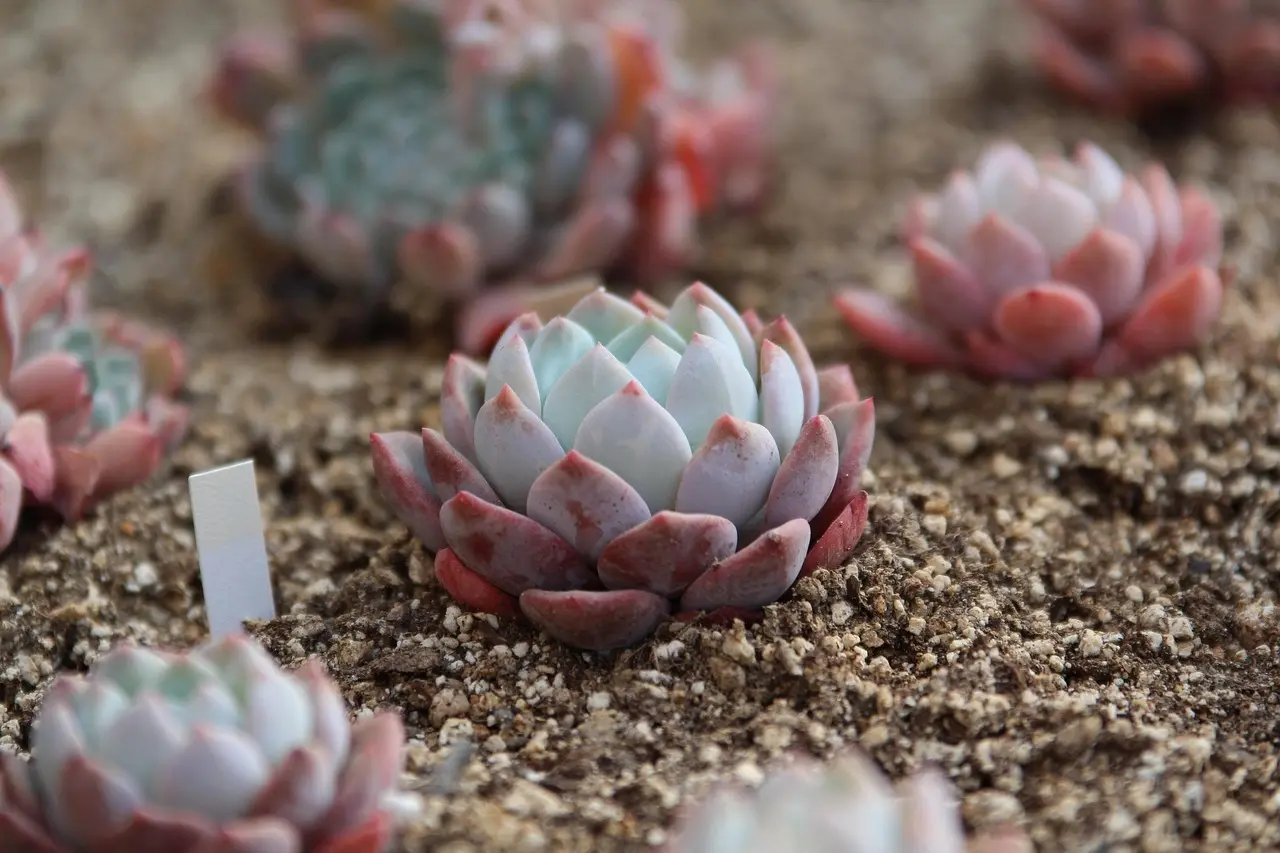
Visitors most often see ornamental plants, houseplants, herbs, native plants, and specialty material grown from the garden’s own propagation work. Orchids are common in botanical garden collections and may appear in specialty garden shops. Medicinal plants can also be sold where a garden grows them for education or research and has a retail outlet for selected stock.
Do not assume every plant in the garden is for sale. Collection plants are often display-only, while retail plants come from a separate nursery or sales area.
📊 USF Botanical Gardens spans "over 16 acres". Source: USF.
Do botanical gardens have plant sales for visitors?
Yes, but access rules vary. Some botanical gardens open plant sales to any visitor, some limit them to ticketed event days, and some reserve early access or special stock for members. The best clue is not the garden itself; it is the sale format the garden is using that week.
The four common sales models
- On-site plant shop. The garden has a fixed retail space, often near the entrance or exit, where visitors can buy propagated plants during regular hours.
- Attached nursery or sales center. The garden grows plants on site or nearby and sells them through a dedicated sales point. This is common where the garden also propagates native or specialty stock.
- Plant festival or seasonal sale. The sale happens on a set event day, often as a fundraising draw. Inventory may be limited, and popular items can sell out early.
- Member-only or preorder sale. Some gardens reserve the first access, the best stock, or the entire sale for members, donors, or advance registrants.
When sales are open to the public
Public access is most common when the sale is attached to normal visitor hours or tied to a ticketed event open to everyone. In those cases, entry to the garden usually gives you access to the retail area, but the sale may still be limited by stock, timing, or a separate checkout line.
Say your plan is to visit on a Saturday afternoon because the website mentions a “spring plant sale.” That can still mean the best-selling trays are gone by noon, or that only event attendees can enter the sale area. The sale may exist, yet the plants you wanted are already sold out.
When sales are member-only or event-only
Member-only sales often work as a preview or first-pick window before the public sale opens. Event-only sales may take place during a plant festival, a donor day, or a special weekend. If the garden uses either model, the public may still visit the grounds without being able to shop.
Why botanical gardens sell plants
Plant sales can support a garden’s operating budget, but they also do more than raise money. A nursery or sales center can move propagated plants into homes and community gardens, extend education beyond the grounds, and keep conservation stock in circulation without removing it from the collection.
Fundraising and operating support
Some gardens treat plant sales as a revenue source alongside memberships and donations. Retail sales can help support the garden’s work, which is one reason sales are often tied to events, member programs, or seasonal promotions.
Education and propagation work
A plant sale is often the last step in a propagation program. In some gardens, the sales area is connected to educational propagation work and uses stock grown for teaching, display, or distribution. That can include live plants, books, leaflets, and other educational material sold from the same retail space.
This is where botanical garden retail differs from a random plant stall. The stock may come from documented propagation, research collection needs, or education work rather than wholesale buying.
Conservation and native plant outreach
Some gardens use sales to move locally useful plants into private landscapes. A garden with native plant collections may also focus on plants suited to regional conditions while maintaining other collections for display and education. That split helps explain why the retail stock can feel more curated than a general nursery.
How to tell if your botanical garden has a plant sale
The fastest check is to look for three signals at once: a current sale notice on the website, a physical retail area or event sign at the garden, and a rule about who can buy. If two of those are missing, assume the sale is limited, seasonal, or already over until you confirm otherwise.
| website clues | event clues | on-site signs | membership restrictions | seasonality | what to ask at the admissions desk | Worth visiting mainly to shop? |
|---|---|---|---|---|---|---|
| “Plant sale,” “plant shop,” “nursery,” “sales center,” or “festival” appears on the current events page | A named sale date, plant festival weekend, or preview hours are listed | Signs point to a shop, nursery, greenhouse, or checkout area | Member early access, member-only stock, or proof of membership is mentioned | The sale is tied to spring, fall, propagation cycles, or a recurring festival | “Is there plant sales access today, and is it open to all visitors or only members/event guests?” | Yes, if the sale is current and public; no, if access depends on a restricted window. |
| No plant sale page, but a shop page mentions live plants or propagated stock | Nearby notices mention limited inventory or “while supplies last” | A greenhouse or sales counter is open but separated from general admission | Some items are public, while special collections are held for members | Inventory changes with propagation batches and may disappear fast | “Which plants are for sale right now, and where is the checkout?” | Maybe, but only if you are flexible about stock and timing. |
| Only a past event post appears, with no current sale update | The last plant sale was seasonal or annual, and no new date is posted | No retail signage is visible at the entrance | The garden says sales are for members or registered attendees only | The sale may recur yearly, but not during every open day | “Is the next sale scheduled, or is this a collection-only visit?” | No, not unless you are specifically going for the garden visit itself. |
-
Check the current event page.
Look for a dated notice, not just a general garden description. If the page mentions a plant festival, plant shop, or sales center, note the exact day and whether the event is public, member-only, or ticketed. -
Look for stock clues.
A nursery or sales center usually means live plants are actually for sale. A gift shop alone may only carry books, posters, and related merchandise, so do not assume there is a plant rack behind the counter. -
Confirm the access rule.
Ask whether the sale is open to every visitor, limited to members, or tied to a special entry fee. This matters because the garden grounds and the retail area may have different rules. -
Ask about timing and stock.
Find out whether the sale is recurring, seasonal, or a one-day event. If the answer mentions propagation batches or “while supplies last,” go early or expect a narrower selection than usual.
Are botanical garden plant sales worth it?
Often yes, if you want plants that fit the garden’s growing conditions, the local climate, or a specific collection theme. Botanical garden sales are especially useful for native plants and specialty material, but they are less predictable than a general nursery because stock may be limited and sale dates may be infrequent.
When to go for native plants
Native plants are often a strong buy when the garden has a conservation or regional-collection focus. Because they are usually selected for local adaptation, they can be a practical choice for pollinators, habitat planting, and low-input landscapes. A garden with a native collection may also give better labeling and species-level context than a general retail shop.
Picture a visitor looking for a Florida shrub that supports local insects. A botanical garden with a native-plant sale may carry a smaller selection than a big-box nursery, but the plants are more likely to match the region and come with clearer educational labeling.
When to go for orchids or specialty plants
Orchids are a common botanical garden collection and may appear in specialty garden shops or festival sales, especially when the garden propagates them. Specialty plants are worth the trip when you want something less common, want a garden-selected cultivar, or want to buy from a source that can explain the plant’s care and collection background.
Medicinal plants can also be worth buying when the garden sells propagated material from an educational or research program. That is more useful than a random novelty purchase because the plant often comes with clear naming and use notes.
When a local nursery may be the better buy
If you need a large number of common plants, a single guaranteed size, or a purchase you need today, a regular nursery may be the better option. Botanical garden sales can be smaller, more seasonal, and more likely to sell out of the most popular items.
A common first-timer mistake is planning a botanical garden visit around one specific plant and assuming the sale will have it in quantity. If the sale is tied to a propagation cycle, the plant may be present in only a few sizes, or not at all if the batch sold quickly.
What to ask before you buy
Good botanical garden purchases start with the same questions you would ask at any serious nursery, plus a few more about provenance and collection status. You want to know whether the plant is retail stock, how it was grown, and whether it fits your climate and growing setup.
-
Ask where it came from.
Confirm whether the plant was propagated on site, sourced from the garden’s sales center, or brought in from another grower. On-site propagation can be a plus for native plants and specialty stock because the garden may know more about the plant’s history. -
Check the care label.
Read the light, water, and hardiness information before you buy. If the label is vague, ask for the mature size and any seasonal sensitivity, since specialty plants can fail when they are moved into the wrong site. -
Inspect the plant closely.
Look for healthy leaves, firm stems, and roots that are not circling tightly in the pot. A plant sale can move fast, but a weak plant is still a weak plant. -
Confirm hold and pickup rules.
Ask whether the garden will hold purchased plants, ship them, or require same-day pickup. Event sales often have stricter rules than an everyday shop, especially when stock is limited.
Frequently asked questions
Are plant sales at botanical gardens open to the public?
Sometimes. Public access is common for regular plant shops and some festivals, but many gardens use member preview hours or event-only entry for at least part of the sale. If the website does not clearly say “public,” assume there may be restrictions until the garden confirms them.
Can I buy plants at a botanical garden gift shop or nursery?
Yes, if the garden has a real plant shop or nursery attached to it. A gift shop alone may sell books, posters, and merchandise without any live plants, so the words matter. Look for “plant shop,” “nursery,” or “sales center” rather than assuming the gift counter has stock.
Do botanical gardens sell native plants or rare plants?
Often native plants, sometimes rare plants, but neither is guaranteed. Gardens with regional or conservation programs may sell native species or specialty collections grown through propagation. Rare plants are less predictable and are usually available in small numbers, not as a full retail catalog.
Are botanical garden plant sales seasonal or year-round?
Both models exist. Some plant shops are open year-round, but plant sales are often seasonal and may be tied to propagation cycles, flowering times, or annual festivals. If the sale is event-based, the stock may exist for only a short window and may sell out quickly.
Are botanical garden plant sales a good place to buy pollinator plants?
They can be, especially when the garden sells native plants or regionally adapted stock. Those plants are often a better fit for bees, butterflies, and other beneficial insects than novelty ornamentals. Check the label for bloom season, sun needs, and mature size before you buy.