How To Plan Landscaping For Front Yard
Transforming your front yard from a bland patch of grass into an inviting, high-impact landscape can dramatically improve your home’s curb appeal and property value. The front yard is the first impression your home makes on guests, neighbors, and potential buyers.
But effective landscaping is much more than just picking out a few pretty plants; it’s a strategic process that blends your personal style with the unique attributes of your property, climate, and budget.
Whether your goal is to create a welcoming entryway, maximize year-round beauty, or minimize maintenance, planning is the essential first step. This comprehensive guide will walk you through every stage of front yard landscape planning, from assessing your site to selecting the perfect plants and materials.
Drawing on landscape design principles, real-world examples, and actionable strategies, you’ll learn how to craft a front yard that’s both functional and visually stunning.
Key Takeaways
- Thoughtful planning is crucial for successful front yard landscaping, impacting long-term maintenance and curb appeal.
- Assess your site’s specific conditions, like sunlight, soil, and climate, before choosing plants or hardscape features.
- Use proven landscape design principles such as focal points, layering, and symmetry to create a cohesive look.
- Select plants based on climate suitability, desired maintenance level, and year-round interest.
- Incorporate sustainable practices and practical considerations like irrigation, lighting, and accessibility.
- Real-world examples and data-driven comparisons help inform budget-friendly, beautiful solutions for any front yard.

Credit: luluthebaker.com
Understanding Your Front Yard’s Unique Characteristics
Before sketching ideas or shopping for plants, it’s critical to assess the unique qualities of your property. This foundational step ensures that your landscape design will thrive and harmonize with your home’s architecture.
Analyzing Sunlight And Shade Patterns
Map out how sunlight moves across your front yard throughout the day and across seasons. Some areas may bask in full sun, while others remain shaded by trees or structures. Most flowering plants need 6-8 hours of direct sun, but shade-loving varieties thrive under trees or near north-facing walls.
- Full sun: Ideal for roses, lavender, and many grasses.
- Partial shade: Suits hydrangeas, hostas, and ferns.
- Deep shade: Best for groundcovers like pachysandra and vinca.
Use a simple sun chart or smartphone compass app to track sun exposure at different times. This small investment of time prevents costly mistakes and plant failures.
Assessing Soil Type And Drainage
Healthy plants start with healthy soil. Take a handful of soil and squeeze it, if it holds its shape and feels sticky, you likely have clay; if it falls apart, it’s sandy; if it feels crumbly, it’s loam. Consider sending a sample to your local extension office for a full analysis of pH, nutrients, and composition.
- Clay soils retain water but drain slowly, risking root rot.
- Sandy soils drain quickly but may need more organic matter.
- Loam soils are ideal, balancing drainage and moisture retention.
Pro Tip: Amending soil with compost or well-rotted manure can improve most soil types, supporting lush plant growth.
Understanding Climate And Hardiness Zone
The USDA Plant Hardiness Zone Map (USDA) is a crucial resource for determining which plants will survive in your region. For example, a plant rated for zone 8 will not survive a zone 5 winter.
Other climate factors, such as wind, humidity, and rainfall, also affect plant selection and placement. For instance, ornamental grasses do well in windy areas, while lush ferns need a more sheltered, humid microclimate.
Evaluating Your Home’s Architecture And Neighborhood Context
Your landscape should complement your home’s style, whether it’s a classic colonial, sleek modern, or cozy cottage. Take cues from:
- Rooflines and windows: Frame views and avoid blocking key architectural features.
- Entryways and walkways: Guide visitors with clear, inviting paths.
- Neighborhood norms: While you want your yard to stand out, staying within reasonable bounds helps maintain property values and avoids HOA conflicts.

Credit: nestingwithgrace.com
Setting Goals And Establishing A Realistic Budget
With a clear understanding of your front yard’s conditions, you can now articulate your goals and set a practical budget. This step streamlines decision-making and helps avoid costly changes later.
Defining Your Landscape Goals
Ask yourself what you want to achieve:
- Do you want maximum curb appeal for resale?
- Are you seeking low-maintenance landscaping?
- Is year-round color important?
- Do you need space for kids or pets to play?
- Would you like to grow edible plants or create a pollinator-friendly habitat?
Prioritize these goals and write them down. For example, if minimizing maintenance is critical, you’ll focus on hardy, drought-tolerant plants and simplified layouts.
Calculating Your Budget
Front yard landscaping costs can range widely, depending on scope and materials. According to the National Association of Realtors (NAR), homeowners spend between $3,000 and $15,000 for professional landscaping, but DIY projects can cost much less.
Use the table below to compare costs for typical front yard landscaping elements:
| Element | DIY Cost Range | Professional Cost Range | Typical Lifespan |
|---|---|---|---|
| Lawn Installation (sod) | $0.50, $1.50/sq. ft. | $1.50, $3.00/sq. ft. | 10, 20 years |
| Pathways (pavers) | $6, $10/sq. ft. | $10, $25/sq. ft. | 25+ years |
| Foundation Plantings | $200, $1,000 | $1,500, $5,000 | 10, 30 years |
| Irrigation System | $500, $2,000 | $2,000, $5,000 | 15, 20 years |
| Outdoor Lighting | $200, $1,000 | $1,000, $3,000 | 10, 15 years |
Prioritizing Features And Phasing Your Project
If your dream design outpaces your budget, consider phasing the project:
- Install hardscape (paths, walls, patios) first.
- Add trees and large shrubs for structure.
- Fill in with smaller plants, mulch, and accent features over time.
Phasing allows you to invest in key elements now and refine details as time and funds allow.
Example: Budget-driven Front Yard Makeover
A homeowner in Portland, Oregon, wanted a low-water, pollinator-friendly front yard but had a modest $2,500 budget. By removing lawn themselves, installing permeable gravel paths, and planting native wildflowers and grasses, they achieved their goals for less than half the cost of a professional design.

Credit: www.etsy.com
Applying Landscape Design Principles
Great front yard landscaping blends beauty and function by applying key design principles. These concepts help you organize space, create visual harmony, and ensure year-round appeal.
Creating Focal Points
A well-designed front yard should draw the eye to a focal point, such as a welcoming front door, a specimen tree, or a piece of garden art. Focal points provide structure and guide visitors naturally toward your entry.
- Use bold-leaved plants or striking color near the entrance.
- Frame the door with symmetrical plantings or decorative containers.
- Consider a colorful flowering shrub (like hydrangea) at the walkway’s bend.
Using Layers And Plant Massing
Layering plants by height, color, and texture builds depth and interest:
- Tallest plants (trees or large shrubs) anchor the background.
- Medium-height shrubs fill the middle ground.
- Low-growing flowers or groundcovers finish the front edge.
Massing similar plants together (groups of 3, 5, or more) creates unity and visual impact, as opposed to scattering single specimens.
Balancing Symmetry And Asymmetry
Symmetry, mirroring elements on either side of a central axis, suits formal homes, while asymmetrical designs can feel more relaxed and modern.
- Symmetrical: Two matching trees flanking the walkway.
- Asymmetrical: A large tree balanced by a cluster of shrubs and perennials.
Incorporating Color, Texture, And Seasonal Interest
Use a mix of leaf shapes, plant textures, and bloom times to create year-round beauty:
- Combine evergreens with deciduous plants for winter structure.
- Mix fine-textured grasses with bold-leaved hostas or hydrangeas.
- Plan for overlapping bloom periods to ensure continuous color.
Example: Layered Foundation Planting
A craftsman bungalow’s front porch was accentuated with a layered planting of boxwood (evergreen), dwarf hydrangea ( summer blooms ), and creeping thyme (fragrant groundcover). This combination offered year-round structure and color, requiring little maintenance.
Selecting The Right Plants And Materials
Choosing plants and materials wisely is the heart of sustainable, beautiful landscaping. Match each selection to your site’s conditions, your design goals, and your maintenance preferences.
Choosing Trees And Shrubs
- Trees: Offer shade, structure, and curb appeal. Select varieties that won’t outgrow their space or threaten foundations. For small yards, consider ornamental trees like Japanese maple or serviceberry.
- Shrubs: Provide privacy, frame walkways, and add seasonal interest. Boxwoods, azaleas, and dwarf conifers are popular choices.
Selecting Perennials And Annuals
Perennials return each year, reducing replanting costs, while annuals provide a season-long burst of color. For best effect:
- Edge beds with low perennials (lamb’s ear, sedum).
- Use annuals (petunias, marigolds) in containers or highlight areas for maximum impact.
Incorporating Groundcovers And Mulch
Groundcovers suppress weeds and reduce maintenance. Creeping thyme, ajuga, and vinca are attractive options. Organic mulch (bark or compost) conserves moisture and improves soil, while stone mulch offers a clean, modern look.
Hardscape Materials: Paths, Edging, And Features
Compare the pros and cons of common hardscape materials:
| Material | Durability | Maintenance | Cost | Visual Style |
|---|---|---|---|---|
| Concrete Pavers | High | Low | $$ | Modern, clean |
| Natural Stone | Very High | Low | $$$ | Classic, upscale |
| Gravel | Medium | Medium | $ | Casual, rustic |
| Brick | High | Medium | $$ | Traditional, warm |
Example: Drought-tolerant Plant Palette
A home in Phoenix, Arizona, replaced its thirsty lawn with a mix of agave, lantana, and desert marigold. These drought-tolerant plants thrived in full sun, cut water use by 75%, and attracted pollinators all season.
Designing For Functionality And Sustainability
A beautiful front yard should also be practical, easy to maintain, and environmentally responsible. Smart design choices reduce water, energy, and labor needs.
Planning For Irrigation And Drainage
Efficient watering systems, like drip irrigation or soaker hoses, deliver water directly to plant roots, minimizing waste. Group plants with similar water needs (hydrozoning) for further efficiency.
Ensure proper drainage to prevent soggy spots and protect foundations. Swales, rain gardens, and permeable paving help manage runoff.
Incorporating Low-maintenance Strategies
- Favor native plants adapted to your region, they require less water and fertilizer.
- Use mulch to control weeds and conserve moisture.
- Minimize large lawns in favor of planting beds or groundcovers.
Wildlife And Pollinator Support
Select plants that provide food and shelter for birds, butterflies, and beneficial insects. For example, milkweed supports monarch butterflies, while coneflowers attract bees.
Outdoor Lighting And Safety
Low-voltage LED path lights boost curb appeal and ensure safe passage at night. Solar-powered lights offer a budget-friendly, eco-conscious solution.
Accessibility And Walkways
Paths should be at least 3 feet wide, with gentle curves and slip-resistant surfaces. Avoid tripping hazards by keeping edges defined and walkways clear.
Creating A Detailed Landscape Plan
With all your research, goals, and ideas in place, it’s time to turn vision into reality with a detailed plan. This step saves time, money, and frustration during installation.
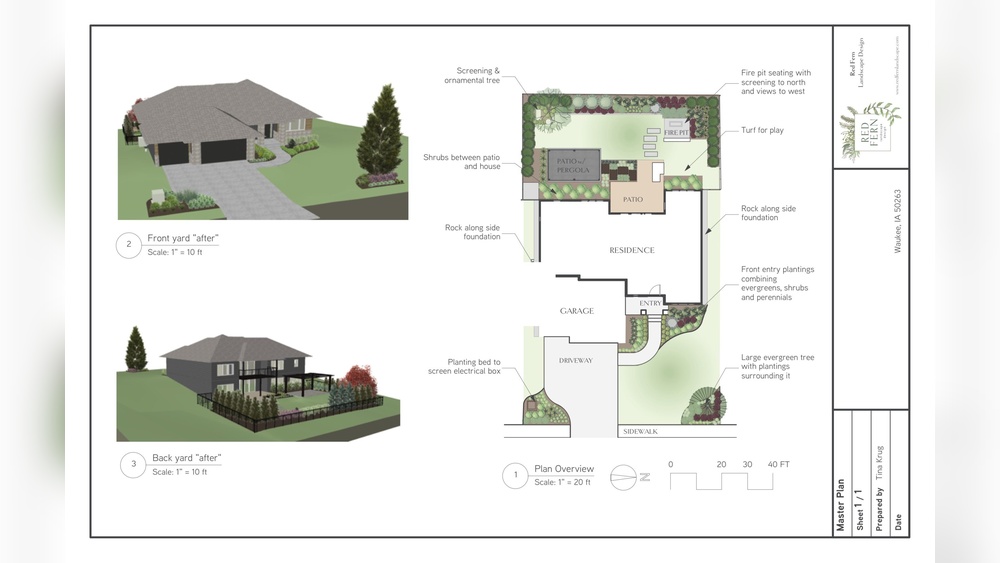
Sketching A Scaled Site Plan
Use graph paper or free online design tools to draw your yard to scale. Include:
- Property lines
- Existing structures and trees
- Utility lines and easements
- Sun/shade areas
- Slope and drainage features
Mark fixed elements (walkways, driveways) and flexible zones for planting beds and lawn.
Laying Out Planting Beds And Hardscape
Define the shapes of your beds with flowing curves or crisp straight lines, depending on your preferred style. Position focal points and anchor plants first, then fill in with supporting species.
Pro Tip: Always check for underground utilities before digging, call 811 in the US for a free inspection.
Selecting And Placing Plants
Use your plant palette to assign specific species and sizes to each spot. Consider mature size, bloom time, and maintenance needs. Group plants by water and sunlight requirements for best performance.
Planning For Future Growth
Leave enough space for plants to reach their mature size without crowding. Overplanting leads to extra maintenance and plant loss later.
Example: Diy Front Yard Redesign
In my experience, starting with a simple sketch, even just a pencil drawing, helped me visualize how new beds and paths would interact with my home’s façade. By mapping out each element, I avoided costly mistakes and achieved a balanced, inviting front yard.
Installation And Maintenance Best Practices
With your plan finalized, the installation phase brings your front yard vision to life. Proper techniques at this stage set the foundation for long-term success.
Site Preparation And Soil Improvement
Remove existing weeds, grass, and debris. Loosen compacted soil and amend with compost as needed based on your soil analysis.
- Grade slopes away from your house to prevent water pooling.
- Install edging to separate planting beds from lawn and paths.
Planting Techniques
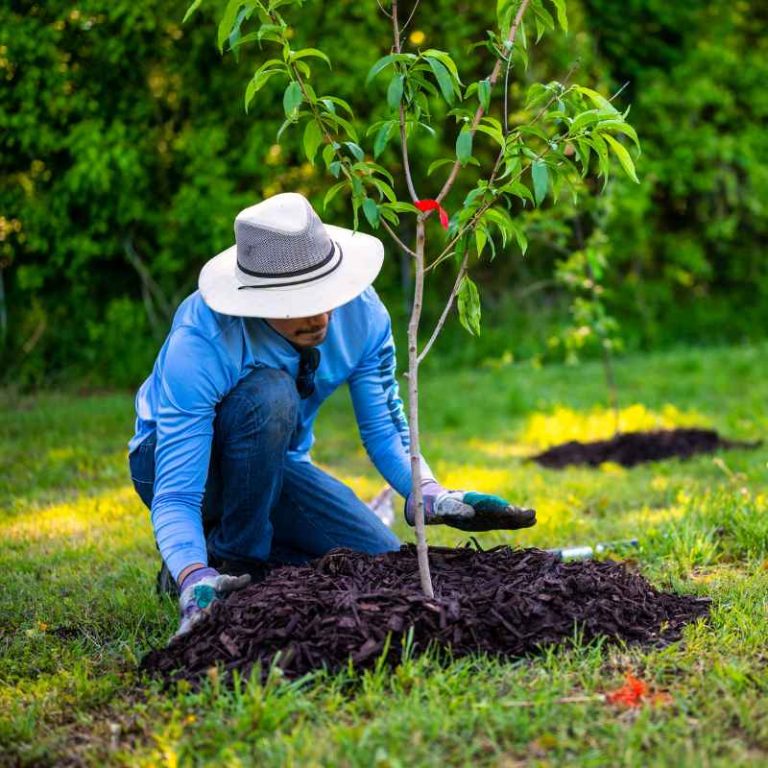
- Dig planting holes twice as wide but no deeper than the root ball.
- Water plants thoroughly after installation.
- Mulch around plants, keeping mulch away from stems or trunks.
Installing Hardscape Elements
Lay paths and patios on a stable, compacted base. Use a level to ensure even surfaces. For DIY projects, follow manufacturer instructions carefully or consult local experts.
Mulching And Initial Watering
Apply a 2-3 inch layer of mulch to suppress weeds and retain soil moisture. Water new plantings regularly until established, then reduce frequency as appropriate for each species.
Seasonal Maintenance Tasks
- Spring: Prune deadwood, fertilize, and refresh mulch.
- Summer: Monitor irrigation, deadhead spent blooms, and control pests.
- Fall: Remove annuals, divide perennials, plant bulbs.
- Winter: Protect tender plants and clean up debris.
Monitoring And Adjusting
Observe how your landscape develops over the first year. Move or replace underperforming plants, adjust watering schedules, and refine maintenance routines.
Real-world Case Studies: Front Yard Success Stories
Learning from real projects can inspire and inform your own front yard transformation.
Case Study 1: Suburban Entryway Makeover
A family in the Midwest wanted to replace a tired lawn with a pollinator-friendly garden. By removing sod, amending soil, and planting native coneflowers, black-eyed Susans, and ornamental grasses, they created a vibrant, low-maintenance front yard. Neighbors noticed a boost in curb appeal, and the family spent less time mowing and watering.
Case Study 2: Small Urban Front Yard
A townhouse in Seattle had a narrow, shaded front yard. The owner used shade-tolerant ferns, hostas, and heuchera, combined with a small flagstone path and simple bench. The result was a lush, inviting entryway that maximized limited space and thrived in the local climate.
Case Study 3: Water-wise Xeriscape
In Albuquerque, a homeowner replaced traditional turf with drought-tolerant succulents, boulders, and gravel mulch. The xeriscape design reduced water bills, eliminated mowing, and provided year-round interest, all while fitting the Southwestern aesthetic.
Frequently Asked Questions
How Can I Make My Small Front Yard Appear Larger?
Use curved planting beds, diagonal lines, and varied plant heights to create depth and movement. Limiting the color palette and avoiding clutter also help a small space feel more open.
What Are Some Low-maintenance Plant Options For Front Yards?
Native plants, ornamental grasses, and evergreen shrubs generally require less care. For example, Russian sage, boxwood, and black-eyed Susan are reliable, attractive choices that thrive with minimal intervention.
How Important Is Soil Testing Before Planting?
Soil testing is essential for long-term plant health. It reveals nutrient deficiencies, pH imbalances, and drainage issues so you can amend the soil before planting, avoiding costly plant failures later.
Is It Better To Hire A Landscape Designer Or Diy?
Hiring a professional ensures a cohesive, expertly planned design and can save time, especially for complex projects. However, DIY landscaping can be more budget-friendly and rewarding for smaller or phased projects, provided you invest time in learning and planning.
What’s The Best Way To Manage Water Runoff In The Front Yard?
Install permeable hardscape materials, grade surfaces away from your home, and use rain gardens or swales to capture runoff. Grouping plants with similar water needs and improving soil with organic matter also help manage excess water efficiently.
Transforming your front yard through thoughtful landscaping planning is a rewarding investment that enhances both your home’s beauty and your daily experience. By carefully assessing your site, setting clear goals, applying proven design principles, and choosing the right plants and materials, you can achieve a front yard that reflects your style and functions for years to come.
Remember, the most successful landscapes evolve over time, start with a solid plan, and don’t be afraid to adjust as your garden grows.