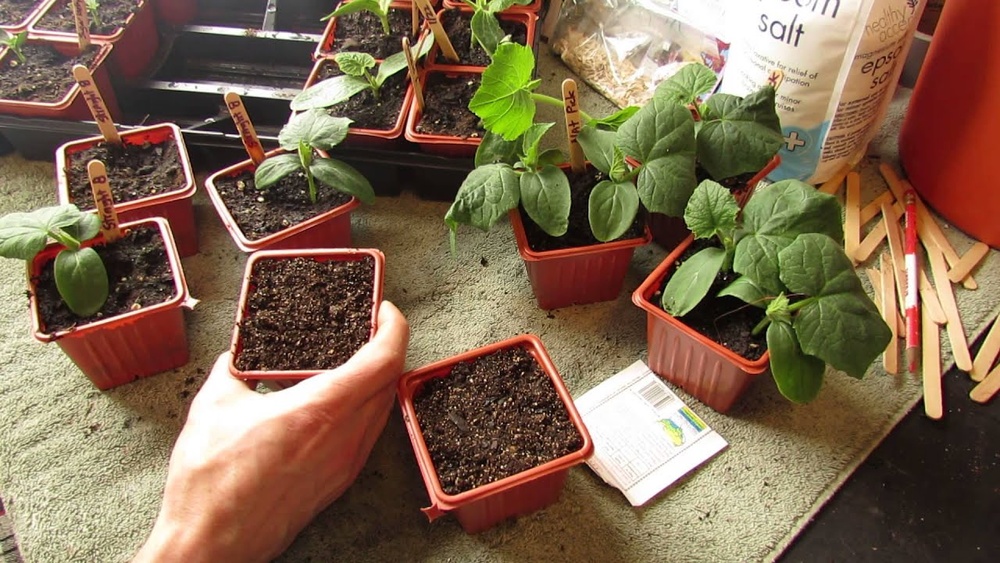
When To Plant Cucumber Seeds Indoors
Growing cucumbers indoors from seed is a rewarding way to jumpstart your gardening season and ensure a healthy, productive crop. Whether you’re a seasoned gardener or a newcomer to indoor seed starting, understanding the nuances of timing can be the difference between vigorous, fruit-laden vines and underwhelming harvests.
The precise window for sowing cucumber seeds indoors is critical, it affects everything from germination rates and seedling vigor to transplant success and overall yield.
The timing decision hinges on your local climate, the cucumber variety, and your indoor growing setup. Too early, and your seedlings might outgrow their pots before outdoor conditions are suitable. Too late, and you risk a shortened harvest window. Balancing these factors lets you harvest cucumbers weeks ahead of outdoor plantings, enjoy stronger plants, and sidestep many common pest and disease pressures.
This article will guide you through the science, strategies, and step-by-step process of when and how to plant cucumber seeds indoors for optimal results.
Key Takeaways
- Start cucumber seeds indoors 3, 4 weeks before your area’s average last frost date.
- Monitor indoor temperatures closely; cucumbers germinate best at 70, 85°F (21, 29°C).
- Transplant seedlings only after the soil outdoors has warmed to at least 60°F (16°C).
- Use disease-resistant varieties and proper seed-starting techniques for higher success.
- Avoid starting seeds too early, as overgrown seedlings suffer during transplant.

Credit: dayswellspent.com
Understanding Cucumber Growth Cycles
Cucumbers are warm-season vegetables that thrive when given the right head start indoors. To optimize your indoor seed-starting schedule, it’s essential to understand their biological timelines and environmental preferences.
The Cucumber Lifecycle
Cucumbers progress through distinct stages: seed germination, seedling development, vegetative growth, flowering, and fruiting. The germination stage typically takes 3, 10 days if seeds are kept at the optimal temperature range. After germination, seedlings need 2, 3 weeks to develop robust roots and true leaves before they’re ready for transplanting.
Temperature And Light Requirements
Cucumbers are particularly sensitive to both soil and air temperatures. Seeds germinate best at 70, 85°F (21, 29°C), and growth stalls below 60°F (16°C). Seedlings require 12, 16 hours of light daily, either from a sunny windowsill or grow lights, to prevent legginess and promote strong stems.
Growth Rate And Timing Implications
Starting cucumber seeds indoors too early can result in root-bound or leggy plants that are prone to transplant shock. Conversely, waiting too long can delay harvest. Thus, the sweet spot is usually 3, 4 weeks before the last expected frost, allowing seedlings to grow but not outgrow their containers.

Credit: www.thespruce.com
Determining The Best Indoor Planting Date
Pinpointing the ideal indoor sowing date is the foundation of successful cucumber cultivation. This section shows how to use climate data and gardening resources to select the right timing for your location.
Calculate Your Local Last Frost Date
Your region’s average last frost date is the key reference point. This date marks when the risk of nighttime freezing temperatures has typically passed. You can find this information through:
- The USDA Plant Hardiness Zone Map
- Local cooperative extension offices
- Online databases like the National Gardening Association’s frost date tool
Working Backwards: The 3, 4 Week Rule
Cucumbers should be started indoors 3, 4 weeks before the last frost. This window gives seedlings enough time to develop without becoming root-bound. For example, if your last frost is May 15, sow seeds indoors between April 15 and April 22.
| US Region | Avg. Last Frost Date | Ideal Indoor Sowing Window |
|---|---|---|
| Northeast (Boston, MA) | April 30 | April 1, April 8 |
| Midwest (Chicago, IL) | May 10 | April 10, April 17 |
| Southeast (Atlanta, GA) | March 30 | March 1, March 8 |
| Pacific Northwest (Seattle, WA) | April 15 | March 15, March 22 |
| Southwest (Phoenix, AZ) | February 15 | January 15, January 22 |
Adjusting For Microclimates And Indoor Conditions
If you use a heated greenhouse or heated seed-starting mats, you may have more flexibility. Conversely, in unheated spaces or areas with unpredictable springs, err on the side of caution to avoid transplanting into cold soil.
Example: Timing In Action
For a gardener in Minneapolis (average last frost: May 20), starting cucumber seeds indoors between April 20 and April 27 sets the stage for transplanting after Memorial Day, when soil temperatures are reliably warm.
Selecting The Right Cucumber Varieties For Indoor Starting
Choosing the best cucumber variety for indoor seed starting can impact germination success, seedling vigor, and overall harvest quality. Some types are better suited for early indoor culture, container growth, or specific climate challenges.
Slicing Vs. Pickling Cucumbers
- Slicing cucumbers (e.g., ‘Marketmore 76’, ‘Straight Eight’) are bred for fresh eating, with thicker skin and larger fruits.
- Pickling cucumbers (e.g., ‘Boston Pickling’, ‘Calypso’) produce smaller, bumpier fruits ideal for preserving.
Each variety has unique growth rates and disease resistance profiles, which can influence your sowing schedule.
Disease-resistant Cultivars
Many modern hybrids are bred for resistance to powdery mildew, downy mildew, and cucumber mosaic virus. Starting with disease-resistant seeds reduces seedling loss and improves transplant success.
Compact And Bush Varieties
If space is limited or you’re growing in containers, opt for compact or bush varieties like ‘Bush Champion’ or ‘Patio Snacker’. These mature quickly and don’t require trellising, making them ideal for early indoor starts.
Table: Popular Indoor-start Cucumber Varieties
| Variety | Type | Days to Maturity | Disease Resistance | Best For |
|---|---|---|---|---|
| Marketmore 76 | Slicing | 68 | Downy Mildew, Mosaic Virus | Outdoor Beds, Raised Rows |
| Boston Pickling | Pickling | 55 | None | Pickling, Containers |
| Burpless Hybrid | Slicing | 60 | Powdery Mildew | Fresh Eating |
| Bush Champion | Slicing | 55 | Scab, Mosaic Virus | Small Spaces |
| Calypso | Pickling | 52 | Downy Mildew | Short Seasons |
Example: Matching Variety To Environment
A gardener in a cool coastal region might select ‘Marketmore 76’ for its proven mildew resistance and adaptability, while a container gardener would benefit from ‘Bush Champion’ for its compact habit and early maturity.

Credit: www.almanac.com
Step-by-step Guide To Planting Cucumber Seeds Indoors
Following a detailed process ensures strong, healthy seedlings that transition smoothly to the garden. The steps below outline best practices from preparation through pre-transplant care.
1. Gather Supplies
You’ll need:
- Cucumber seeds (select disease-resistant or compact varieties for best results)
- Seed-starting trays or small pots (2, 3 inches wide)
- Sterile, peat-based seed-starting mix
- Clear plastic domes or wrap (to maintain humidity)
- Heat mat (optional, for consistent soil warmth)
- Grow lights or a sunny south-facing window
2. Prepare The Seed-starting Mix
Fill trays or pots with moist, sterile seed-starting mix. Avoid using garden soil, which can contain pathogens and is often too dense for seedlings.
3. Sow Seeds At The Correct Depth
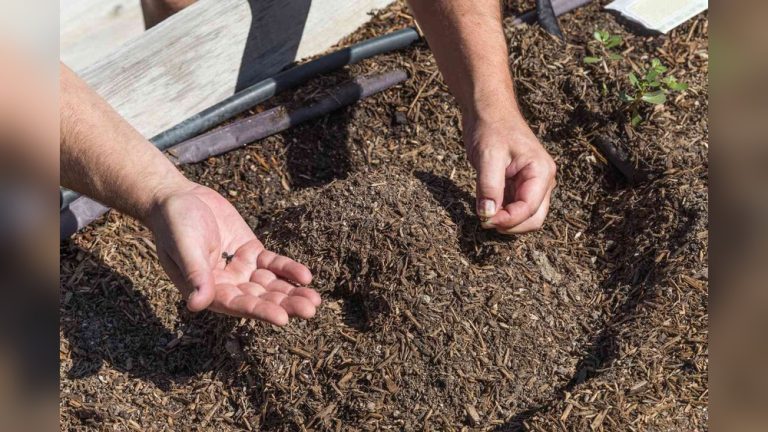
Plant each cucumber seed ½ inch deep. Place 1, 2 seeds per cell or pot to ensure at least one healthy seedling per space.
4. Provide Heat And Moisture
Place trays on a heat mat set to 75, 80°F (24, 27°C) for best germination. Cover with plastic to trap humidity until seeds sprout.
Pro Tip: If you don’t have a heat mat, place trays in the warmest spot in your home, such as the top of a refrigerator.
5. Light Requirements
Once seeds germinate (usually within 3, 7 days), remove covers and move seedlings under grow lights or to a bright windowsill. Keep lights 2, 3 inches above seedlings, adjusting as they grow.
6. Watering And Care
Water seedlings from below to avoid damping-off disease. Allow the top layer of soil to dry slightly between waterings, but never let seedlings wilt.
7. Thinning And Transplant Readiness
When seedlings have two true leaves, thin to one plant per pot by snipping off the weaker seedling. Begin hardening off one week before transplant by gradually exposing plants to outdoor conditions.
Example: My Step-by-step Success
Sowing two seeds per cell and thinning to the strongest results in nearly 100% transplant success and robust, early growth.
Common Mistakes And How To Avoid Them
Even experienced gardeners can run into trouble when starting cucumber seeds indoors. Understanding common pitfalls will help you sidestep them and ensure healthy plants.
Starting Too Early
Cucumbers grow rapidly. Starting seeds more than four weeks before transplant can result in:
- Root-bound seedlings
- Leggy, weak stems
- Stress during transplant
Plan carefully to avoid overgrown plants by using a calendar and setting reminders for sowing and transplanting.
Insufficient Light
Seedlings need 12, 16 hours of strong light each day. Without supplemental grow lights, they may become spindly and weak.
- Use full-spectrum LED or fluorescent lights
- Keep lights close to the plants, raising them as seedlings grow
Overwatering And Poor Drainage
Excess moisture encourages damping-off disease and root rot. Always use well-draining, sterile seed-starting mix and water sparingly.
Skipping The Hardening-off Process
Transplant shock is common if seedlings move abruptly from indoor to outdoor environments. Harden off by:
- Placing seedlings outside in shade for 2, 3 hours on day one
- Gradually increasing sun exposure and time outdoors over 7, 10 days
Example: Avoiding Transplant Shock
One gardener in Pennsylvania reported that skipping hardening off led to nearly half their cucumber seedlings wilting after transplant, while following a gradual acclimatization process resulted in zero losses the following year.
Optimizing Indoor Growing Conditions
Fine-tuning your indoor environment can dramatically increase the success rate of cucumber seedlings. This section covers the most impactful adjustments.
Temperature Control
Keep the seed-starting area consistently warm. Ideal temperatures:
- Daytime: 75, 85°F (24, 29°C)
- Nighttime: No lower than 65°F (18°C)
Use a digital thermometer to monitor fluctuations and adjust as needed.
Humidity Management
High humidity aids germination, but excess moisture after sprouting can cause disease.
- Use humidity domes only until seeds sprout
- Remove covers promptly to reduce fungal risk
Light Intensity And Duration
Strong light prevents legginess. If using grow lights:
- Choose bulbs rated at 4,000, 6,000 lumens per square foot
- Maintain a light schedule of 14, 16 hours daily
- Raise lights as seedlings grow to prevent burning
Air Circulation
Gentle air movement strengthens seedlings and prevents mold.
- Use a small oscillating fan to improve airflow
- Avoid placing trays near cold drafts
Fertilization
Begin feeding with a half-strength balanced liquid fertilizer once seedlings have two true leaves. Avoid over-fertilizing, which can burn young roots.
Example: Controlled Environment Comparison
A side-by-side test in a home greenhouse showed that seedlings grown with supplemental light and a fan were 30% sturdier than those grown on a windowsill alone, according to data published by the University of Minnesota Extension (University of Minnesota Extension).
Transitioning Seedlings To The Garden
Moving cucumber seedlings outdoors at the right time is crucial to avoid stunted growth and poor yields. Proper timing and technique ensure a seamless transition.
Timing The Transplant
Transplant only after:
- All danger of frost has passed
- Soil temperature is at least 60°F (16°C) at a depth of 2 inches
- Nighttime temperatures remain above 50°F (10°C)
Use a soil thermometer for accuracy.
Preparing The Outdoor Bed
- Choose a location with full sun (at least 6, 8 hours daily)
- Amend soil with compost for fertility and drainage
- Space transplants 12, 18 inches apart for vining types, 8, 12 inches for bush varieties
Transplanting Steps
- Water seedlings well before transplanting.
- Gently remove seedlings from pots, disturbing roots as little as possible.
- Plant at the same depth as in the pot.
- Water thoroughly after planting.
Pro Tip: Mulch around seedlings with straw or compost to retain soil moisture and suppress weeds.
Post-transplant Care
- Protect seedlings from late cold snaps with row covers or cloches if necessary.
- Water consistently, keeping soil evenly moist but not soggy.
- Monitor for pests such as cucumber beetles and aphids.
Example: Successful Transplant In A Short Season
A gardener in Colorado waited until June, when soil temperatures reached 65°F (18°C), and saw vigorous growth and early fruit set compared to a neighbor who transplanted two weeks earlier into cooler soil.
Comparing Indoor And Outdoor Cucumber Seed Starting
Is it always worth starting cucumbers indoors? The answer depends on climate, available resources, and desired harvest timing. Here’s a direct comparison:
| Factor | Indoor Seed Starting | Direct Sowing Outdoors |
|---|---|---|
| Time to Harvest | Harvest 2, 3 weeks earlier | Standard season length |
| Seedling Survival | Higher with controlled conditions | Variable, weather-dependent |
| Labor | More initial effort (transplanting, care) | Less labor, but higher risk |
| Pest/Disease Risk | Lower for seedlings | Higher for young plants |
| Resource Needs | Grow lights, trays, space | Outdoor soil prep only |
| Best For | Short seasons, early harvests | Warm climates, large gardens |
Key Takeaways From Comparison
- Indoor seed starting is ideal for climates with short growing seasons or unpredictable spring weather.
- Direct sowing is simpler but riskier in terms of seedling loss and late frosts.
- The extra effort of indoor starting pays off in earlier, more reliable harvests.
Frequently Asked Questions
How Can I Tell If My Cucumber Seedlings Are Ready To Transplant?
Cucumber seedlings are ready for transplant when they have at least two true leaves and are 3, 4 weeks old. The roots should fill the pot without being root-bound, and the plants should be sturdy and green. Gently tip the seedling out of its pot: if roots are circling, it’s time to plant out.
What Are The Signs Of Overwatering Cucumber Seedlings Indoors?
Overwatered cucumber seedlings may show yellowing leaves, wilting despite wet soil, and stunted growth. A common warning sign is the appearance of mold or a musty smell in the seed-starting tray. Allow the soil surface to dry slightly between waterings and ensure proper drainage in all containers.
Can I Start Cucumbers Indoors Without Grow Lights?
While it’s possible to start cucumbers on a very bright, south-facing windowsill, grow lights are highly recommended for robust seedlings. Without supplemental light, seedlings often become leggy, pale, and weak. If natural light is limited, use LED or fluorescent grow lights set 2, 3 inches above the plants for best results.
Should I Use Peat Pots, Plastic Cells, Or Soil Blocks For Cucumber Seedlings?
Each container type has pros and cons. Peat pots reduce transplant shock since roots can grow through the pot, but they dry out quickly. Plastic cells retain moisture better and are reusable, but require careful handling during transplant. Soil blocks eliminate plastic waste and encourage strong root systems, but require practice to make. Choose based on your preference, watering habits, and environmental goals.
Is It Safe To Use Saved Cucumber Seeds From Last Year’s Harvest?
You can use saved seeds if the parent plants were open-pollinated and not hybrids. Hybrid seeds may not produce true-to-type offspring. Always dry seeds thoroughly and store them in a cool, dry place. Before planting , perform a germination test by sprouting a few seeds on a damp paper towel to ensure viability.
Starting cucumbers indoors is a proven strategy for gardeners seeking earlier, healthier harvests, especially in regions with cool springs or short summers. By understanding cucumber growth cycles, selecting suitable varieties, and following best practices for indoor sowing and transplanting, you can maximize your success and enjoy crisp, homegrown cucumbers all season long. For more detailed regional advice, check local extension resources such as the Penn State Extension. With careful planning and attentive care, your indoor-started cucumber seedlings will thrive and reward you with abundant, flavorful fruit.