How to Grow an Avocado Plant From Seed at Home Easily
Growing an avocado plant from seed at home has become a popular and rewarding project for gardening enthusiasts, health-conscious individuals, and anyone who loves the idea of nurturing a living thing from scratch. The allure lies not just in the promise of lush, green foliage but also in the sense of accomplishment as you watch a simple seed transform into a vibrant houseplant.
While many people assume avocado trees are difficult to grow, the truth is that with patience, the right techniques, and a bit of care, you can easily cultivate an avocado plant right in your living room or backyard.
With the rising interest in sustainable living and home gardening, learning how to grow an avocado plant from seed has practical benefits. Avocado plants add beauty to your space, improve indoor air quality, and serve as an engaging educational experience for both children and adults.
This article provides a comprehensive, step-by-step guide backed by data, real-world examples, and expert advice, ensuring you have all the knowledge needed to successfully grow your own avocado plant from seed at home.
Key Takeaways
- Avocado seeds can be easily sprouted with basic supplies and patience.
- The water method and soil method are the two most reliable approaches for germination.
- Proper care—including light, water, and soil requirements—is essential for healthy growth.
- Expect the process to take several weeks, but the results are rewarding and worth the wait.
- Even without fruit production, avocado plants make excellent indoor houseplants.
- Real-world examples show successful growth in diverse climates and homes.

Credit: www.youtube.com
Understanding The Avocado Seed
The journey to growing an avocado plant starts with understanding the anatomy and viability of the avocado seed. Each avocado contains a single, large pit, which is the seed responsible for germination and eventual growth.
Anatomy Of The Avocado Seed
An avocado seed consists of a hard, brown outer shell and a lighter inner core. The seed has two ends:
- Pointed end: The top, where the stem will emerge.
- Flat end: The bottom, where roots will develop.
Proper orientation is critical for successful germination. The seed is also protected by a thin, brown skin, which acts as a barrier against disease and dehydration. Inside, the cotyledons (seed leaves) contain nutrients necessary for the initial stages of growth.
These nutrients will fuel the early sprouting of the root and shoot before the plant can perform photosynthesis.
Seed Viability And Selection
Not all avocado seeds will germinate equally. For best results :
- Choose a fresh, undamaged seed from a ripe avocado.
- Avoid seeds that are cracked or shriveled.
- Wash the seed thoroughly to remove any fruit residue, which can cause mold.
If possible, select seeds from avocados that are not overly refrigerated, as chilling can reduce viability. A seed from a locally sourced avocado, such as one from a farmer’s market, may have a higher success rate than one from a supermarket, where fruits are often stored longer.
Seed Germination Statistics
Research suggests that the average germination rate for avocado seeds is between 70% and 80% when using recommended methods. This high rate makes avocado a great candidate for home gardeners looking for reliable results. Germination rates can be influenced by factors such as seed freshness, environmental conditions, and preparation methods.
| Seed Type | Germination Rate (%) | Time to Sprout (days) |
|---|---|---|
| Avocado | 70-80 | 21-42 |
| Lemon | 50-60 | 14-28 |
| Apple | 60-70 | 14-21 |
| Peach | 80-90 | 28-56 |
It’s also helpful to note that avocado seeds retain their viability for several weeks after extraction, but it’s best to plant them as soon as possible for optimal results.
Credit: www.youtube.com
Preparing The Avocado Seed For Germination
Before you plant your avocado seed, it’s crucial to prepare it correctly to maximize your chances of successful sprouting.
Cleaning And Drying
- Remove all flesh from the seed using water and a soft brush.
- Dry the seed with a paper towel to prevent rot.
Thorough cleaning is vital because any remaining fruit residue can encourage mold growth or bacterial infection, both of which can hinder germination. For best results, soak the seed in lukewarm water for 10–15 minutes before scrubbing. Some gardeners recommend a brief soak in diluted hydrogen peroxide to further sanitize the seed.
Determining The Orientation
- Identify the pointed end (top) and flat end (bottom).
- The pointed end should face upward when planting.
Correct orientation ensures that the roots and stem emerge in the proper direction. If the seed is planted upside down, it may struggle to sprout, or growth could be stunted.
Peeling The Seed (optional Step)
Some gardeners recommend peeling the brown skin from the seed to speed up germination. However, peeling is optional—seeds will sprout with or without the outer skin.
Peeling can be done carefully with your fingers or a paring knife, but avoid damaging the seed itself. Removing the skin allows water to penetrate more easily, potentially accelerating sprouting. On the other hand, the skin also protects the seed from pathogens, so leaving it on may be preferable in humid climates.
Real-world Example: Seed Preparation Success
Linda, a home gardener in Texas, found that soaking the seed overnight and peeling the skin resulted in sprouting within three weeks, compared to six weeks for unpeeled seeds. This demonstrates how small adjustments can impact the germination timeline. Experimenting with preparation methods can help optimize your own results.
Credit: www.livingetc.com
Germination Methods: Water Vs. Soil
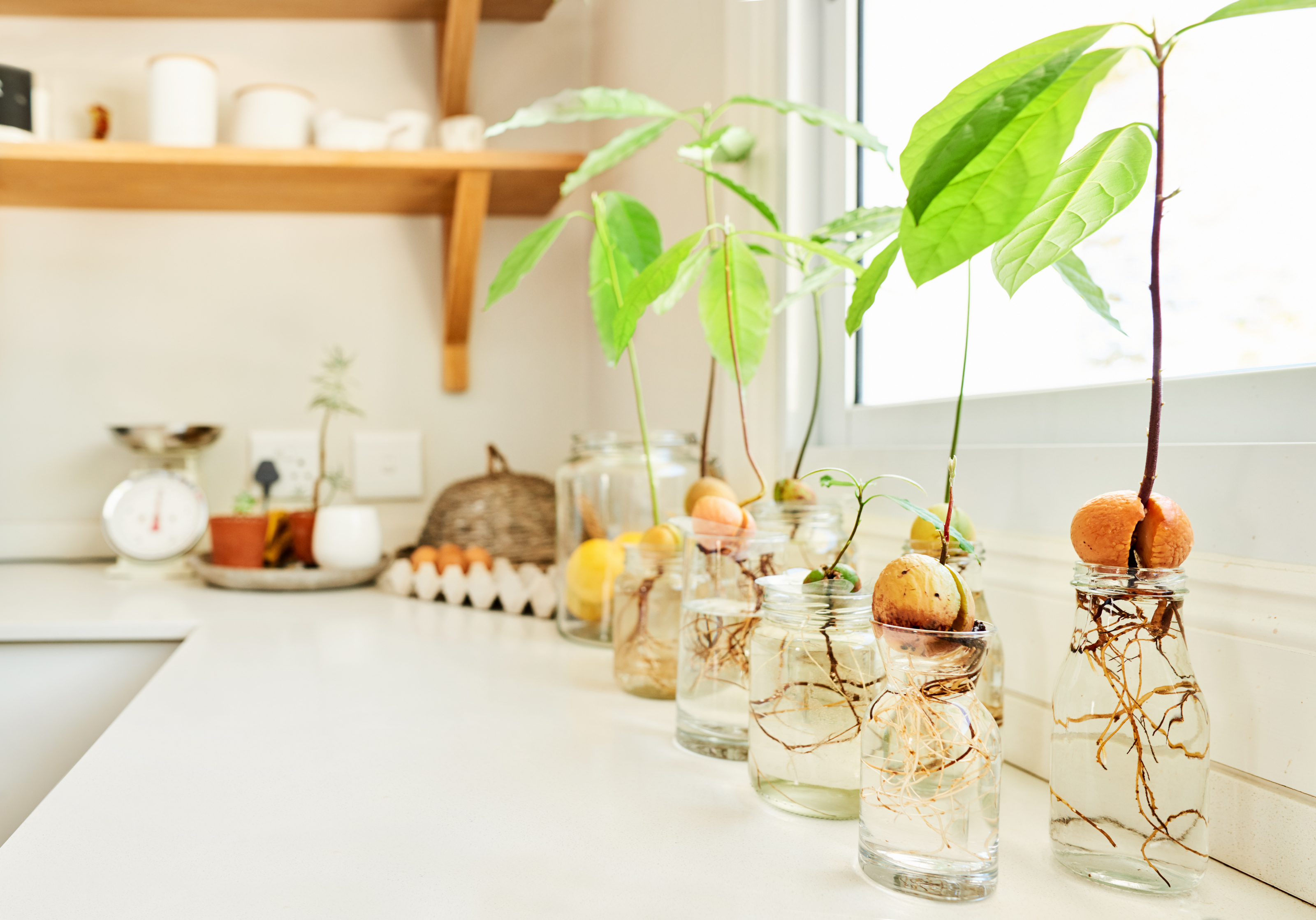
There are two primary methods for sprouting avocado seeds: the water method and the soil method. Each has its unique advantages and practical considerations.
The Water Method
This is the most popular approach, thanks to its simplicity and visibility.
Steps:
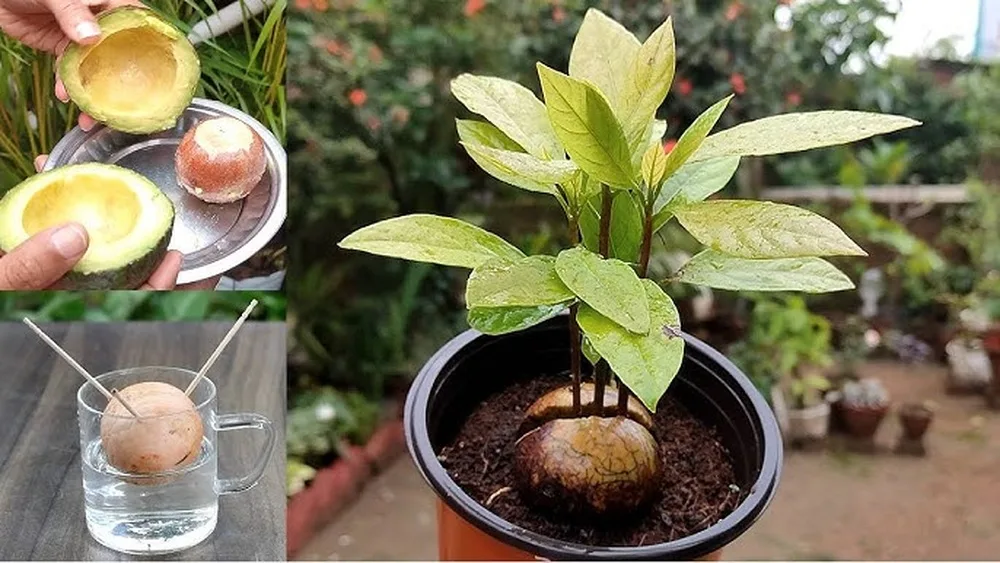
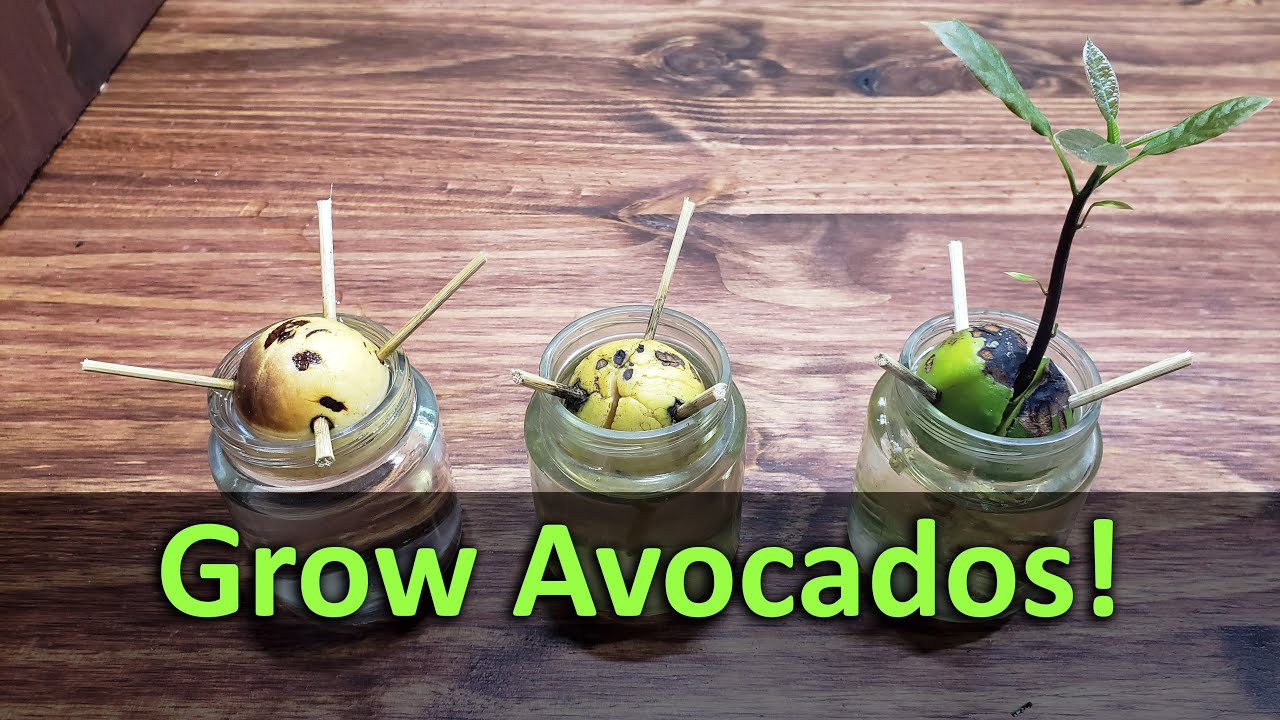
- Insert three or four toothpicks into the seed, spaced evenly around the circumference.
- Suspend the seed over a glass of water, with the flat end submerged about one inch.
- Place the glass in a warm, bright spot, but avoid direct sunlight.
- Change the water every 2–3 days to prevent mold and bacteria.
It’s important to use a clear glass so you can easily monitor root development. Many gardeners use filtered or distilled water to avoid mineral buildup. The water should never cover more than the lower third of the seed, as excessive moisture can cause rot.
Advantages:
- Easy to monitor root and stem growth.
- High germination rate.
- Fun and educational for children.
Disadvantages:
- Requires frequent water changes.
- Seed can rot if submerged too deeply.
- Roots may be more fragile when transplanting.
The Soil Method
This approach mimics natural conditions and often leads to a stronger root system.
Steps:
- Fill a small pot with well-draining potting mix.
- Plant the seed halfway into the soil, with the flat end down.
- Keep the soil moist but not soggy.
- Place the pot in a warm, indirect light location.
Use a potting mix that contains sand, perlite, or vermiculite for best drainage. The pot should have drainage holes to prevent water from accumulating at the bottom. Water gently, ensuring the soil stays evenly moist but not saturated.
Advantages:
- Produces robust roots.
- Less risk of rot.
- More natural acclimation for the seedling.
Disadvantages:
- Growth is less visible until shoots emerge.
- Requires monitoring soil moisture.
- May take slightly longer to sprout.
Data-driven Comparison
| Method | Visibility | Root Strength | Time to Sprout | Risk of Rot |
|---|---|---|---|---|
| Water Method | High | Moderate | 2-6 weeks | Moderate |
| Soil Method | Low | High | 3-8 weeks | Low |
Real-world Example: Water Method Success
John, an urban gardener in New York City, used the water method and observed root growth within four weeks. He transferred the seed to soil after two months, resulting in a robust, leafy plant after six months. John notes that watching the roots form in the glass helped him spot any issues early, such as fungal growth or rot, allowing for quick intervention.
Caring For Your Sprouted Avocado Seedling
Once your avocado seed has sprouted, proper care is essential to ensure healthy growth and development.
Transplanting To Soil
When the stem reaches 6–8 inches, it’s time to transplant the seedling:
- Fill a pot with well-draining soil (mix with perlite or sand for best results).
- Plant the seed with the top half exposed.
- Water thoroughly and place in indirect sunlight.
Transplanting is a delicate process. Gently remove the seed from water, taking care not to damage the roots. If using the soil method, simply continue caring for the seedling in its original pot. Consider a container that is 8–10 inches in diameter to allow for root expansion.
Light And Temperature Requirements
- Avocado plants thrive in bright, indirect light.
- Ideal temperature: 60–85°F (16–29°C).
- Protect from cold drafts and sudden temperature changes.
Avocado plants are sensitive to changes in temperature and humidity. Place them near a window with filtered sunlight, but avoid harsh afternoon rays that can scorch the leaves. If your home tends to be dry, use a humidifier or place a tray of water nearby to increase humidity.
Watering And Fertilizing
- Keep soil moist but not soggy; overwatering can cause root rot.
- Water when the top inch of soil feels dry.
- Fertilize monthly with a balanced, liquid fertilizer during the growing season.
During winter, reduce watering and fertilizing as the plant enters a dormant phase. Choose fertilizers with equal ratios of nitrogen, phosphorus, and potassium (NPK 10-10-10 or similar) for steady growth. Organic alternatives, such as compost tea, can also be effective.
Pruning For Bushier Growth
To encourage a bushier plant:
- Pinch back the top leaves when the stem reaches 12 inches.
- Repeat every 6 inches of new growth.
Pruning promotes lateral branching, resulting in a more attractive, fuller plant. Use clean fingers or scissors to remove the top pair of leaves. If the plant becomes leggy, provide more light or rotate it regularly.
Case Study: Indoor Avocado Success
Sarah, a hobby gardener in Seattle, pruned her avocado plant regularly and used a grow light during winter. Her plant reached 24 inches in one year, with multiple branches and lush leaves. She also noticed that misting the leaves twice weekly prevented leaf browning and kept the foliage vibrant.
Troubleshooting Common Problems
Growing an avocado plant can present challenges. Understanding and addressing issues early ensures healthy growth.
Root Rot
Symptoms: Yellowing leaves, mushy roots, foul smell.
Prevention:
- Use pots with drainage holes.
- Allow soil to dry between waterings.
Root rot is often caused by poor drainage or overwatering. If you suspect root rot, remove the plant from its pot, trim affected roots, and repot in fresh, dry soil. Avoid watering until the plant recovers.
Leaf Browning
Causes: Low humidity, excessive fertilizer, direct sunlight.
Solutions:
- Mist leaves regularly.
- Move plant to indirect light.
- Flush soil with water to remove excess fertilizer.
Brown leaf tips can also result from salt accumulation in the soil. Flush the pot with distilled water every few months to remove built-up salts.
Slow Growth
Factors: Insufficient light, cold temperatures, poor soil.
Solutions:
- Increase light exposure.
- Maintain warm room temperature.
- Repot with fresh, nutrient-rich soil.
If growth stalls, check for root crowding or pests. A lack of nutrients may require a soil amendment or fertilizer boost.
Pest Issues
Avocado plants are occasionally affected by spider mites and aphids.
Treatment:
- Use insecticidal soap or neem oil.
- Remove pests by hand or rinse with water.
Regular inspection is key. Early detection allows for prompt treatment, reducing plant stress and preventing infestations from spreading to other houseplants.
Case Study: Pest Management
Mark, a gardener in Florida, noticed spider mites on his avocado plant. By rinsing leaves and applying neem oil, he eliminated the infestation without harming the plant. Mark also improved air circulation around his plant, further reducing pest recurrence.
Long-term Growth And Maintenance
While most home-grown avocado plants will not produce fruit, they can live for many years and provide decorative value.
Repotting And Root Care
- Repot every 2–3 years as the plant outgrows its container.
- Trim roots if necessary to prevent crowding.
Roots that circle the pot can be gently pruned. Choose a slightly larger pot each time to avoid shocking the plant. Refresh soil to replenish nutrients.
Outdoor Planting
If you live in a warm climate, consider transplanting your avocado plant outdoors.
Requirements:
- Frost-free environment.
- Well-draining soil.
- Space to grow (avocado trees can reach 30–40 feet).
Outdoor planting offers the possibility for fruit production, but seedlings can take 5–13 years to mature. Protect young trees from strong winds and direct sun until established.
Fruit Production
Home-grown avocado plants rarely fruit indoors due to lack of pollination and ideal conditions. Grafted trees are more reliable for fruiting, but this requires specialized techniques.
If you are determined to harvest fruit, consider purchasing a grafted avocado tree from a nursery. Grafted trees are bred for specific varieties and produce fruit faster (typically in 3–5 years).
Real-world Example: Outdoor Growth
Maria in Southern California planted her avocado tree outdoors after two years indoors. Her tree reached 10 feet in four years, though it has not yet produced fruit. Maria notes that adding mulch and regular deep watering helped the tree transition to outdoor life.
Benefits Of Growing Avocado Plants At Home
Growing an avocado plant from seed offers multiple advantages beyond the joy of gardening.
Environmental And Health Benefits
- Improved air quality: Avocado plants filter toxins from indoor air.
- Educational value: Demonstrates plant biology and growth cycles.
- Sustainable living: Reduces waste by reusing avocado seeds.
Avocado plants contribute to household sustainability and provide a hands-on lesson in recycling and natural cycles. They are also effective at absorbing carbon dioxide and releasing oxygen, further improving indoor air quality.
Aesthetic And Psychological Benefits
- Lush foliage: Adds greenery to indoor spaces.
- Stress reduction: Gardening has been shown to lower stress levels.
- Sense of achievement: Watching a plant grow from seed is deeply rewarding.
Studies show that interacting with plants can reduce anxiety, increase feelings of calm, and even lower blood pressure. The presence of greenery in living spaces is linked to improved mood and productivity.
Data-driven Insights
Studies indicate that indoor plants, including avocado, can reduce airborne pollutants by up to 60% and improve mood and productivity (EPA). Avocado plants, with their broad leaves, are particularly effective at trapping dust and absorbing volatile organic compounds (VOCs).
Real-world Examples And Case Studies
Highlighting real-world success stories provides inspiration and practical insights.
Example 1: Urban Apartment Growth
Jessica, living in a small New York apartment, grew her avocado plant using the water method. Despite limited space and light, she achieved a healthy plant by supplementing with grow lights and careful watering. Jessica also used a humidity tray, which prevented leaf browning and enhanced growth.
Example 2: Classroom Project
A middle school science class in Chicago used avocado seeds to teach plant biology. Over three months, students observed root and stem development, learned about photosynthesis, and cared for their seedlings. The project improved student engagement and understanding. Teachers reported increased enthusiasm for science and better retention of plant biology concepts.
Example 3: Family Gardening
The Harris family in Atlanta included avocado seed planting as part of their home gardening activities. Each family member grew a seed, and after six months, they compared growth rates based on different methods, learning valuable lessons about plant care and patience.
The children documented their plants in journals, fostering responsibility and observational skills.
Step-by-step Guide: Growing Your Avocado Plant
Follow this detailed guide to grow an avocado plant from seed at home:
- Choose a fresh avocado seed and clean it thoroughly.
- Determine the orientation (pointed end up).
- Select a germination method:
- Water method: Insert toothpicks and suspend over water.
- Soil method: Plant halfway into moist soil.
- Place in warm, indirect light and monitor regularly.
- Change water or keep soil moist as needed.
- Wait for sprouting: Roots appear first, then stems.
- Transplant to soil when the stem is 6–8 inches tall.
- Water and fertilize as directed.
- Prune for bushier growth and monitor for pests.
- Enjoy your avocado plant as it grows!
For more advanced growth, consider tracking your plant’s height, leaf count, and root development weekly. Sharing your progress on gardening forums can help troubleshoot issues and motivate continued care.
Comparison Table: Avocado Plant Care Vs. Other Popular Houseplants
| Plant | Light Needs | Watering Frequency | Growth Rate | Difficulty |
|---|---|---|---|---|
| Avocado | Bright, indirect | Weekly | Moderate | Medium |
| Spider Plant | Moderate | Weekly | Fast | Easy |
| Fiddle Leaf Fig | Bright, indirect | Biweekly | Slow | Medium |
| Pothos | Low to moderate | Biweekly | Fast | Easy |
| Snake Plant | Low to bright | Monthly | Slow | Easy |
Compared to other houseplants, avocado plants require more attention to light and watering but reward growers with unique foliage and a sense of accomplishment.
Tips For Maximizing Success
Here are actionable strategies to ensure your avocado plant thrives:
- Use distilled water to avoid chlorine and mineral buildup.
- Rotate the plant weekly for even growth.
- Monitor humidity levels—avocado plants prefer 50–60% humidity.
- Avoid over-fertilizing—excess nutrients can damage roots.
- Keep away from pets—avocado leaves can be toxic to animals.
- Inspect leaves and soil regularly for pests and signs of disease.
- Provide support for tall plants—use stakes or trellises as needed.
- Maintain consistent temperature—avoid sudden drops or drafts.
Leveraging Avocado Plants For Home And Garden
Avocado plants are versatile and can be used creatively around the home.
Indoor Decor
- Place in decorative pots for a modern look.
- Pair with other houseplants for a lush arrangement.
- Use tall avocado plants as focal points in living rooms or offices.
Outdoor Landscaping
- Use as shade trees in warm climates.
- Integrate into edible gardens alongside herbs and vegetables.
- Create privacy screens by planting multiple avocado trees in rows.
Educational Tools
- Teach children about plant growth and sustainability.
- Use for science experiments and observation projects.
- Incorporate into classroom lessons on photosynthesis and ecology.
Avocado plants can also be used in community gardens, bringing people together to learn and share gardening techniques.
Resources And Further Reading
For deeper insights and advanced avocado plant care, refer to these authoritative sources:
- Wikipedia: Avocado
- Royal Horticultural Society
- Gardening Know How
- California Avocado Commission
- UBC Botanical Garden
- EPA Indoor Air Quality
You can also join online gardening forums or social media groups for advice and troubleshooting.
Frequently Asked Questions
What Is The Fastest Way To Sprout An Avocado Seed?
The water method is generally the fastest way to sprout an avocado seed. By suspending the seed over water with toothpicks and keeping it in a warm, indirect light, roots and stems typically appear within 2–6 weeks. Peeling the seed’s brown skin can also help speed up the process.
Can An Avocado Plant Grown From Seed Produce Fruit?
While it is possible, fruit production from a seed-grown avocado plant is rare, especially indoors. Most home-grown plants are grown for decorative purposes. For reliable fruiting, grafted trees are recommended.
How Do I Prevent Root Rot In My Avocado Plant?
To prevent root rot, use pots with drainage holes and allow the soil to dry out between waterings. Avoid overwatering and ensure the potting mix is well-draining, such as a blend with sand or perlite.
Are Avocado Plants Toxic To Pets?
Yes, avocado leaves and stems contain persin, which can be toxic to cats, dogs, and some other animals. Keep avocado plants out of reach of pets to avoid accidental ingestion.
How Long Does It Take For An Avocado Seed To Sprout?
Avocado seeds generally sprout within 2–8 weeks, depending on the method used, room temperature, and seed freshness. Consistent warmth and moisture are key for successful germination.
Growing an avocado plant from seed at home is a straightforward, engaging project that offers both aesthetic and educational rewards. With the right techniques, patience, and care, anyone can transform a simple avocado pit into a thriving houseplant. Whether you’re a seasoned gardener or a beginner, the process is accessible and satisfying, bringing a touch of nature and sustainability into your daily life.
By following the steps outlined above, experimenting with different methods, and staying attentive to your plant’s needs, you’ll enjoy the beauty and benefits of your very own avocado plant—an enduring symbol of growth and renewal.