Why Are the Leaves on My Avocado Plant Turning Brown? Fixed
Brown leaves on an avocado plant can be alarming, especially for those who have invested time and care into nurturing their indoor or outdoor tree. Avocado plants, prized for their lush foliage and fruit, can suddenly develop unsightly brown leaf tips, spots, or edges.
This issue can affect both young saplings and mature trees, leaving growers frustrated and searching for answers. Whether you’re a hobbyist or a commercial grower, understanding why your avocado leaves turn brown—and how to fix it—is essential for maintaining a healthy plant.
The phenomenon of browning leaves isn’t unique to avocados, but it’s particularly common due to their sensitivity to environmental conditions, watering habits, and soil quality. Fortunately, most causes of browning are fixable with careful diagnosis and targeted intervention. This article will guide you through the most common reasons for brown leaves, how to identify the exact problem, and proven solutions that restore your avocado plant to vibrant health.
We’ll also share real-world examples, provide actionable tips, and answer frequently asked questions so you can confidently care for your avocado tree.
Key Takeaways
- Brown leaves on avocado plants are usually caused by environmental stress, incorrect watering, pests, diseases, or nutrient deficiencies.
- Quick identification and targeted solutions can reverse browning and restore healthy foliage.
- Real-world examples and case studies demonstrate successful fixes for common problems.
- Proper care, including watering techniques, soil management, and pest control, is key to preventing recurrence.
- Use the tables and actionable tips provided to compare causes and solutions efficiently.
- The FAQ section answers the most common questions about avocado leaf health.

Understanding Brown Leaves On Avocado Plants
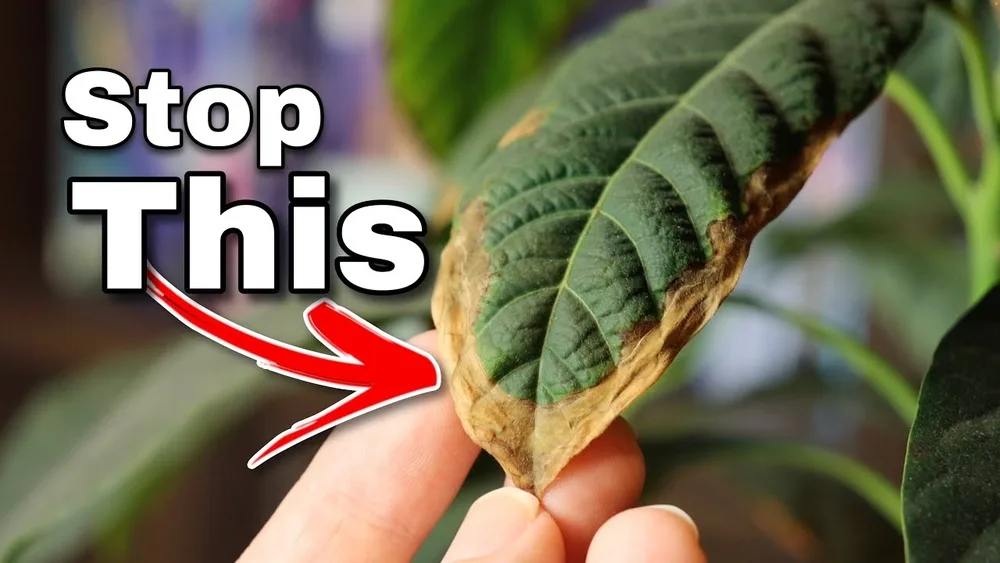
Avocado plants (Persea americana) are known for their large, glossy leaves, but these leaves can quickly become brown due to various factors. Recognizing the underlying cause is the first step to fixing the problem. Brown leaves can manifest as:
- Brown tips or edges
- Brown spots
- Entire leaves turning brown and dropping
Understanding how these symptoms develop helps pinpoint the cause and choose the right remedy. The impact of brown leaves goes beyond aesthetics—it can also signal declining plant health and reduced fruit production if not addressed.
The Science Behind Leaf Browning
Leaf browning often results from cell damage due to stress factors. When an avocado plant is subjected to unfavorable conditions, the cells in the leaves may die, leading to brown discoloration. Common triggers include:
- Excessive salt buildup in soil
- Watering issues (over or under-watering)
- Fungal or bacterial infections
- Pest infestation
- Nutrient imbalance
A 2026 study in the Journal of Plant Physiology found that salt stress alone accounted for up to 32% of browning incidents in avocado leaves in urban gardens. Salt stress disrupts water uptake and causes cellular dehydration, leading to tip burn and necrosis. Similarly, water stress can cause cell collapse, especially at the leaf margins, which are most vulnerable.
Avocado leaves are also sensitive to rapid changes in humidity and temperature. When exposed to sudden drops or spikes, leaf cells may not adapt quickly enough, resulting in browning and tissue death.
Symptoms And Severity
The pattern and severity of browning can help diagnose the issue:
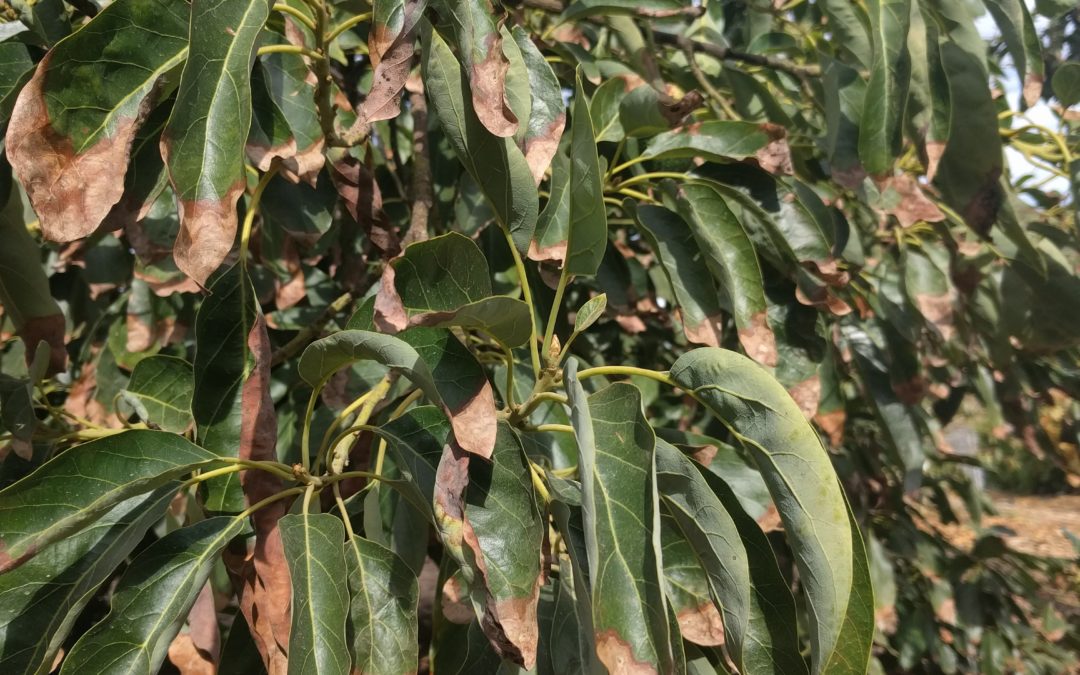
- Brown leaf tips often indicate salt or water stress.
- Brown spots may signal fungal disease or pest damage.
- Uniform browning points to severe dehydration or root issues.
Observing whether browning is isolated or widespread, and whether it affects new or old leaves, gives clues about the underlying cause. For example:
- If only new leaves are browning, it could be a sign of nutrient deficiency or pest attack.
- If older leaves are affected, salt buildup or water stress is more likely.
- If the browning is accompanied by leaf curl or deformation, environmental or chemical stress may be involved.
It’s important to note that slight browning on older leaves can be normal as the plant sheds old foliage, but rapid, widespread browning is a sign of distress.

Common Causes Of Brown Leaves In Avocado Plants
Diagnosing brown leaves requires a methodical approach. Below are the primary causes, with symptoms, scientific explanations, and actionable fixes.
Watering Issues
Overwatering and underwatering are the most frequent causes of brown leaves.
Overwatering
Avocado roots need oxygen; excess water displaces air, causing root rot and brown leaves. Overwatering is particularly problematic in compact soils or pots without proper drainage, as roots become suffocated and vulnerable to fungal infections.
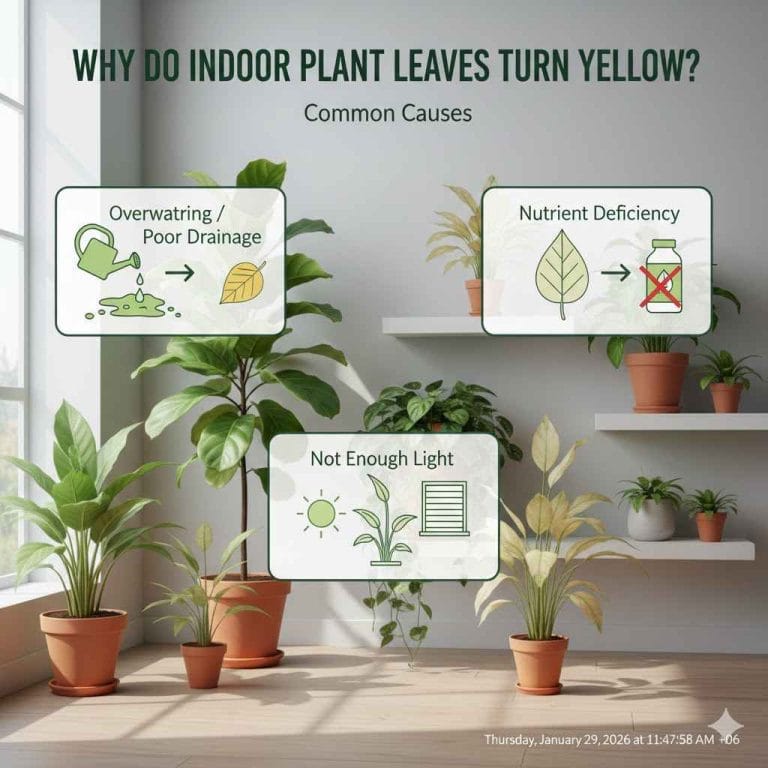
- Symptoms: Yellowing, wilting, followed by brown leaf edges.
- Solution: Allow soil to dry between watering. Use well-draining soil and pots with drainage holes.
To check for overwatering, stick your finger into the soil about two inches deep. If it feels wet, wait before watering again. Root rot can also be detected by a foul smell or mushy roots when the plant is removed from its pot.
Underwatering
When deprived of water, avocado leaves dry out and turn brown. Avocados have relatively high water needs, especially during active growth and warm weather.
- Symptoms: Crispy, dry brown leaf tips or edges.
- Solution: Water consistently, keeping soil moist but not soggy. Check soil moisture with a finger or moisture meter.
Underwatering often occurs when growers are cautious about root rot and err on the side of dryness. However, avocados need a balance—a deep watering followed by a period of drying is ideal.
Real-world Example
A home gardener in San Diego noticed rapid browning after watering their avocado plant daily. Switching to a schedule of watering every 5-7 days, allowing soil to dry out between sessions, restored healthy leaves within three weeks. The grower also improved drainage by adding perlite to the soil mix, which further prevented waterlogging.
Salt Buildup In Soil
Avocado plants are sensitive to salt accumulation, especially from fertilizers or hard water. Salt toxicity is a major concern for indoor growers using tap water and for outdoor growers in areas with saline soils.
- Symptoms: Brown leaf tips, stunted growth.
- Solution: Flush soil with distilled water every few months. Use low-salt fertilizers.
Salt can accumulate from regular fertilization, especially if synthetic fertilizers are used frequently. Over time, salt crystals can build up at the edges of pots, visibly crusting the soil.
Data Table: Salt Sensitivity In Avocado Vs. Other Fruit Trees
| Tree Type | Salt Sensitivity | Recommended Soil EC (dS/m) |
|---|---|---|
| Avocado | High | 0.5-1.0 |
| Citrus | Moderate | 1.5-2.0 |
| Apple | Low | 2.0-3.0 |
The table highlights that avocados require the lowest soil electrical conductivity (EC), which measures salt content. Regularly testing soil EC can help prevent salt stress.
Nutrient Deficiencies
Lack of essential nutrients—especially nitrogen, potassium, and magnesium—can cause browning. Avocados are heavy feeders and require balanced nutrition for optimal growth.
Nitrogen Deficiency
- Symptoms: Pale leaves, brown tips.
- Solution: Apply a balanced fertilizer with nitrogen.
Nitrogen is vital for leaf growth and chlorophyll production. Deficiency leads to yellowing (chlorosis), followed by tip burn.
Potassium Deficiency
- Symptoms: Yellowing, brown edges.
- Solution: Use potassium-rich fertilizer.
Potassium helps regulate water movement and leaf resilience. Deficiency manifests as marginal browning and leaf curling.
Magnesium Deficiency
- Symptoms: Interveinal browning, especially on older leaves.
- Solution: Apply magnesium sulfate (Epsom salt).
Magnesium is key for photosynthesis. Without it, leaves show distinct yellowing between veins with eventual browning.
Nutrient deficiencies often occur when plants are grown in pots with depleted soil or when only one type of fertilizer is used. It’s best to rotate fertilizers and supplement with micronutrients.
Pest And Disease Problems
Avocado plants are vulnerable to certain pests and diseases.
Fungal Diseases
Anthracnose and root rot (Phytophthora) are common fungal issues.
- Symptoms: Brown spots, leaf drop.
- Solution: Remove affected leaves. Apply fungicide. Improve air circulation.
Anthracnose appears as dark, sunken spots that eventually coalesce and kill leaf tissue. Root rot typically starts at the base and spreads rapidly in soggy conditions.
Bacterial Infections
Bacterial leaf spot causes brown spots and lesions.
- Symptoms: Irregular brown patches.
- Solution: Prune infected leaves. Use copper-based bactericides.
Bacterial infections are less common but can spread quickly in humid environments.
Pest Infestation
Spider mites and thrips can damage leaves.
- Symptoms: Tiny brown specks, webbing.
- Solution: Wash leaves with water. Use insecticidal soap.
Spider mites thrive in dry, dusty conditions and are often detected by fine webs. Thrips leave silvery streaks and brown patches.
Real-world Example
A Florida avocado grower noticed brown spots and leaf drop. Laboratory analysis confirmed anthracnose. Treating with copper fungicide and improving airflow reduced browning and restored leaf health. The grower also mulched around the tree base to retain soil moisture and prevent further fungal outbreaks.
Environmental Stress
External conditions can stress avocado plants, causing browning.
Excessive Sunlight
Avocado leaves can scorch under intense sun.
- Symptoms: Brown patches on exposed leaves.
- Solution: Provide partial shade, especially in summer.
Leaf scorch is common in young plants, which haven’t acclimated to full sun. Use shade cloth or place pots in dappled light.
Temperature Extremes
Cold or hot temperatures stress leaves.
- Symptoms: Brown leaf edges, limp leaves.
- Solution: Move indoor plants away from drafts. Outdoor trees may require frost protection.
Avocados are subtropical and dislike temperatures below 50°F (10°C) or above 95°F (35°C). Frost can kill leaves, while heat waves cause dehydration.
Chemical Exposure
Herbicide drift or exposure to chemicals can cause leaf browning.
- Symptoms: Irregular brown spots, distorted growth.
- Solution: Avoid spraying chemicals near avocado plants. Rinse leaves if exposed.
Avocado leaves are highly sensitive to even small amounts of herbicide. If you suspect chemical exposure, wash leaves immediately and monitor for ongoing symptoms.
Diagnosing The Cause: Step-by-step Guide
Proper diagnosis is crucial for effective treatment. Follow these steps to pinpoint the cause of brown leaves.
Step 1: Examine Watering Routine
Check soil moisture, drainage, and watering frequency. Use a moisture meter for greater accuracy, especially in large pots or garden beds.
Step 2: Inspect Soil And Fertilizer Use
Assess for salt buildup, over-fertilization, or nutrient deficiency.
- Use a soil test kit to check pH and EC (electrical conductivity).
- Look for white crusts or residue on the soil surface, which indicate salt buildup.
- Review your fertilizer schedule and type—synthetic fertilizers can increase salt levels.
Step 3: Look For Pests And Diseases
Inspect leaves for spots, webbing, or lesions. Check roots for rot.
- Turn leaves over to check for spider mites or thrips.
- Remove the plant from its pot and smell the roots—healthy roots are white and firm, while rotten roots are brown/black and mushy.
Step 4: Review Environmental Factors
Consider sun exposure, temperature swings, and humidity.
- Track daily sunlight hours and measure temperature near the plant, especially during extreme weather.
Step 5: Consider Chemical Exposure
Note any nearby pesticide or herbicide use. Sometimes, drift from a neighbor’s garden can cause problems.
Diagnostic Table: Common Symptoms And Their Causes
| Symptom | Possible Cause | Recommended Action |
|---|---|---|
| Brown leaf tips | Salt buildup, underwatering | Flush soil, adjust watering |
| Brown spots | Fungal disease, pests | Prune leaves, apply fungicide |
| Entire leaf browning | Root rot, severe dehydration | Improve drainage, adjust watering |
| Irregular brown patches | Chemical exposure, sunburn | Provide shade, rinse leaves |
Careful observation and record-keeping can help you identify trends and patterns. Take photos of your plant over time to monitor progress.
Effective Solutions And Prevention Strategies
Once you’ve identified the cause, apply targeted solutions to fix and prevent brown leaves.
Watering And Soil Management
- Water only when the top 2 inches of soil are dry.
- Use pots with drainage holes.
- Avoid standing water.
- Use well-draining potting mix, such as a blend of peat, perlite, and sand.
- Mulch around outdoor trees to retain moisture and regulate temperature.
Regularly aerate the soil by gently loosening the top layer with a fork. For large trees, install drip irrigation to deliver consistent moisture without overwatering.
Fertilization
- Apply balanced fertilizer monthly during growing season.
- Avoid high-salt fertilizers.
- Test soil annually to ensure proper nutrient levels.
- Supplement with micronutrients if deficiencies are detected.
Slow-release organic fertilizers are ideal for avocados, as they minimize salt buildup and provide steady nutrition.
Pest And Disease Control
- Inspect plants weekly for pests.
- Remove infected leaves promptly.
- Use organic pesticides and fungicides as needed.
- Maintain good airflow around plants.
- Clean tools and pots between uses to prevent disease spread.
If fungal or bacterial infections recur, rotate fungicides to prevent resistance. For severe infestations, consult a local extension office or horticulturist.
Environmental Adjustments
- Move indoor plants to a spot with indirect light.
- Provide shade for outdoor plants during peak sun.
- Protect from frost with covers or move indoors.
- Increase humidity indoors with a pebble tray or humidifier.
Gradually acclimate young plants to outdoor conditions by increasing sunlight exposure over weeks, not days.
Chemical Safety
- Avoid chemical sprays near avocado plants.
- Rinse leaves with water if accidental exposure occurs.
- Use organic gardening products whenever possible.
Carefully read product labels and avoid using weed killers or insecticides near avocado roots or foliage.
Case Study: Successful Avocado Leaf Recovery
In Los Angeles, a gardener’s avocado tree suffered brown tips due to salt buildup from tap water. Switching to rainwater for irrigation and flushing soil monthly eliminated browning. The tree produced healthy leaves and fruit the following season. The gardener also installed a rain barrel to collect water and improved soil structure with compost.
Comparing Indoor Vs. Outdoor Avocado Plant Care
Avocado care varies depending on whether the plant is grown indoors or outdoors. Understanding these differences helps prevent leaf browning.
| Aspect | Indoor Avocado | Outdoor Avocado |
|---|---|---|
| Watering | More frequent, controlled | Depends on rainfall |
| Sunlight | Indirect light preferred | Full sun, partial shade in hot climates |
| Pest Exposure | Lower | Higher |
| Temperature | Stable, controlled | Variable, risk of frost |
| Soil Management | Pots, regular changes | Garden soil, less frequent changes |
Indoor avocados require more attention to soil quality, as pots restrict root growth and increase the risk of salt buildup. Outdoor avocados benefit from natural rainfall but are exposed to more environmental stress and pests.
Key Tip: Indoor avocado plants are more susceptible to salt buildup and root rot, while outdoor plants face higher pest and environmental stress.
Real-world Examples Of Brown Leaf Recovery
Learning from others’ experiences can accelerate your avocado plant’s recovery.
Example 1: Fixing Brown Tips With Soil Flush
A New York gardener’s avocado plant developed brown tips from over-fertilization. Flushing the soil with distilled water and switching to a slow-release, low-salt fertilizer led to green, healthy leaves within a month. The gardener also repotted the plant into a larger container, improving drainage and root health.
Example 2: Disease Control With Fungicide
A commercial avocado orchard in Mexico faced widespread brown spots due to anthracnose. Regular copper fungicide application and removal of infected leaves halted the spread, resulting in improved leaf health and higher fruit yield. The orchard implemented a schedule of fungicide sprays every two weeks during rainy season and increased spacing between trees for better airflow.
Example 3: Pest Management Success
A home grower in Texas battled spider mites, which caused speckled brown leaves. Weekly washing of leaves and application of neem oil eliminated the mites, restoring the plant’s foliage. The grower also increased humidity around the plant and installed sticky traps to catch other pests.
Actionable Tips To Prevent Brown Leaves
Preventing brown leaves is easier than fixing them. Follow these best practices:
- Water wisely: Allow soil to dry between watering.
- Use proper soil: Well-draining mix prevents root rot.
- Fertilize carefully: Opt for low-salt, balanced fertilizers.
- Flush soil regularly: Every 3-6 months, use distilled water to remove salts.
- Inspect leaves weekly: Catch pests and diseases early.
- Provide optimal light: Avoid direct, harsh sun for indoor plants.
- Protect from temperature extremes: Cover or move plants as needed.
- Avoid chemical exposure: Be cautious with sprays and gardening products.
- Prune regularly: Remove brown or infected leaves to encourage new growth and prevent disease spread.
- Monitor environmental conditions: Use a thermometer and humidity sensor to track changes.
By following these tips, you can create a resilient environment for your avocado plant and minimize stress factors.
Long-term Avocado Plant Care For Healthy Leaves
Healthy avocado leaves are the result of consistent, proactive care. Consider these long-term strategies:
Soil Health
- Test soil annually for nutrients and salt content.
- Renew potting mix every 1-2 years for indoor plants.
- Add organic matter (compost, worm castings) to improve soil structure and nutrient availability.
- Rotate soil amendments to provide a full range of micronutrients.
Water Quality
- Use rainwater or distilled water if tap water is high in salts.
- Monitor local water quality reports for sodium and chloride levels.
- Install a water filtration system if necessary.
Good water quality is essential for preventing salt stress and leaf browning.
Integrated Pest Management
- Employ natural predators (ladybugs) for pest control.
- Use organic sprays and avoid harsh chemicals.
- Encourage beneficial insects by planting companion flowers.
Integrated pest management (IPM) reduces reliance on chemicals and promotes a healthy ecosystem.
Seasonal Adjustments
- Reduce watering and fertilizer in winter.
- Increase humidity indoors during dry seasons with a humidifier.
- Protect outdoor trees from frost with covers or blankets.
- Adjust light and temperature as seasons change.
Avocados are sensitive to seasonal shifts, so adapt care routines accordingly.
External Resources
For more information, consult:
- WikiHow: Care for an Avocado Tree
- Gardenia.net: Avocado Plant Guide
- Wikipedia: Avocado
- Western Australia Agriculture: Avocado Leaf Burn
- Royal Horticultural Society: Avocado Growing Guide
- ScienceDirect: Avocado Salt Stress Study
Frequently Asked Questions
What Is The Most Common Cause Of Brown Leaves On Avocado Plants?
The most common cause is improper watering, particularly overwatering, which leads to root rot and brown leaf tips. Salt buildup from fertilizers is also frequent, especially for indoor plants. Environmental stress and pest issues are common in outdoor settings.
Can Brown Leaves Recover, Or Should I Remove Them?
Brown leaves cannot recover, as the tissue is dead. It’s best to prune affected leaves to encourage new growth and prevent disease spread. Use sterilized scissors and dispose of pruned leaves away from the garden.
How Often Should I Flush The Soil Of My Avocado Plant?
Flush the soil with distilled water every 3-6 months, especially if you use tap water or fertilizers. This removes excess salts and prevents brown tips. For outdoor trees, deep watering during rainy season can help leach salts.
Are Avocado Plants Sensitive To Tap Water?
Yes, avocado plants are sensitive to salt and minerals found in tap water. If your local water is high in sodium or chloride, use rainwater or distilled water for better results. Check municipal water reports or use a water testing kit.
What’s The Best Way To Prevent Pest Infestations?
Inspect leaves weekly for pests. Use insecticidal soap or neem oil at the first sign of trouble. Maintain good airflow and avoid overcrowding plants. Encourage natural predators and keep the area clean of fallen leaves and debris.
Avocado plants are rewarding but require attentive care to prevent brown leaves. By diagnosing issues early and applying proven solutions, you can restore your plant’s vibrant foliage and enjoy a healthy tree for years to come. Armed with the knowledge and strategies from this guide, you’re well-equipped to tackle brown leaf problems and cultivate thriving avocado plants indoors or outdoors.
Regular observation, proactive maintenance, and a willingness to adjust your care routine are the keys to long-term avocado success. For more on this, see our guide on Planting .