How Long Can Bare Root Trees Survive Before Planting? Find Out
Planting bare root trees is a popular, cost-effective way to establish a thriving garden or landscape. However, timing is everything: understanding how long bare root trees can survive before planting is critical for success. Each year, thousands of gardeners lose valuable plants simply because they wait too long to plant or mishandle their bare root stock. What seems like a simple process can quickly turn into a costly mistake if you miss the narrow survival window.
Bare root trees are uniquely vulnerable; they lack soil around their roots, leaving them exposed to drying, temperature changes, and other stressors. Whether you’re a homeowner eager to plant fruit trees or a professional landscaper managing a large project, knowing how to properly store and handle bare root trees before planting can make the difference between vibrant growth and disappointing failure.
In this guide, we’ll explore the survival limits, influencing factors, expert-recommended storage techniques, and real-world insights so you can confidently plant for success.
Key Takeaways
- Bare root trees generally survive 3–7 days out of the ground, but optimal survival depends on proper storage and care.
- Extended storage (up to several weeks) is possible with cool, moist, and dark conditions and correct packaging.
- Immediate planting upon arrival is best; delays increase risk of root desiccation and death.
- Different species, climates, and handling methods impact survival time.
- Real-world examples and data-driven comparisons reveal best practices for maximizing tree viability before planting.

Understanding Bare Root Trees
Bare root trees are dormant plants shipped and sold without soil around their roots. This horticultural practice offers several advantages, but also presents unique challenges that affect survival before planting.
What Are Bare Root Trees?
Bare root trees are dug from the ground during dormancy, with soil gently shaken from their roots. They are then bundled and shipped directly to nurseries or customers. Unlike container-grown or balled-and-burlapped trees, bare root specimens are lighter, less expensive, and easier to handle.
This dormant state is crucial for shipment and storage. During dormancy, the tree’s metabolic processes slow dramatically, meaning it requires less water and is less likely to suffer transplant shock when handled correctly. However, the absence of soil also means the root system is without its natural buffer against temperature fluctuations and drying winds, making proper care especially important.
Why Choose Bare Root Trees?
Gardeners and landscapers prefer bare root stock for several reasons:
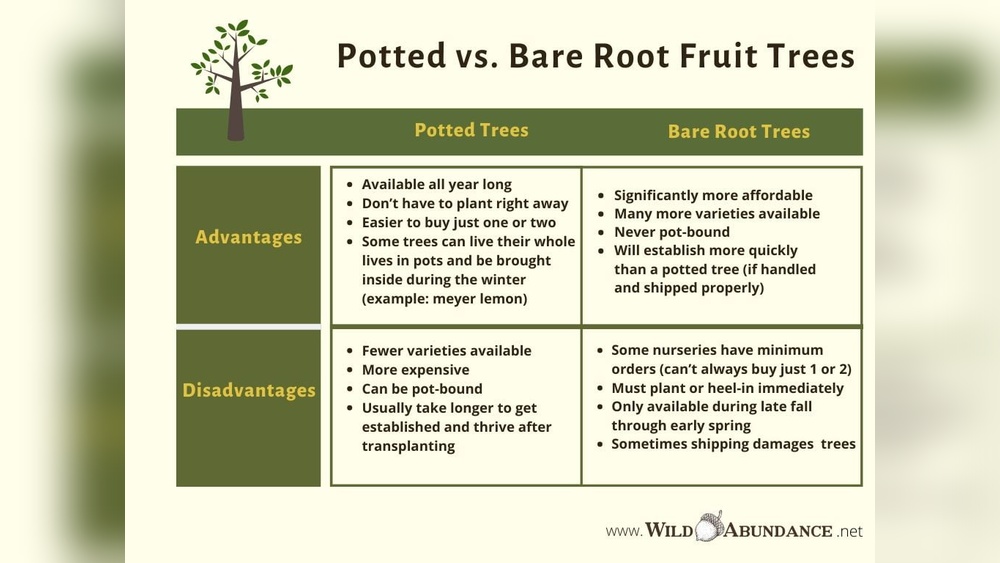
- Cost savings: No bulky soil means lower shipping and handling costs, which can be especially significant for bulk orders or large-scale planting projects.
- Wider selection: Nurseries can offer more varieties, including rare or heritage cultivars that may not be available as container-grown plants.
- Healthier roots: Roots are less likely to be circling or pot-bound, a common problem with container trees, which can impede long-term growth.
- Ease of handling: Bare root trees are much lighter and easier to transport and plant, which can be a major benefit for homeowners and professionals alike.
- Quicker establishment: When planted at the right time, bare root trees often establish more quickly in the landscape, rapidly growing new feeder roots.
Vulnerabilities Of Bare Root Trees
Without soil insulation, bare root trees are highly susceptible to:
- Desiccation (drying out): Roots can lose moisture rapidly through evaporation, especially if exposed to wind or sun, resulting in irreversible damage.
- Temperature extremes: Roots without soil are more sensitive to freezing or overheating, both of which can injure living tissue and decrease survival.
- Mechanical damage: Roots and stems are more prone to breakage during shipping and handling without the support of a soil mass.
In addition, the absence of soil means there is no buffer against pathogens, and wounds incurred during digging or shipping can become points of entry for disease. Understanding these risks is crucial for timing and handling.
How Long Can Bare Root Trees Survive?
The survival window for bare root trees depends on several factors. Under ideal conditions, most species can survive from a few days up to several weeks before planting, but the margin for error is slim.
Survival Times: General Ranges
- Out of packaging, exposed: 3–7 days (maximum), although rapid deterioration can begin after just 24 hours in dry or sunny conditions.
- Properly stored (cool, moist, dark): 2–4 weeks (occasionally longer), especially for hardy species and with attentive care.
- Improper storage (warm, dry, bright): Less than 3 days, often resulting in significant losses due to desiccation and rapid loss of dormancy.
For the best results, minimize the time between receipt and planting. Even a few hours of exposure can make a difference, particularly in dry or windy weather.
Species-specific Differences
Certain trees are more resilient than others. For example, apple and pear trees tend to survive longer than more delicate species like cherry or dogwood. Hardier species often have thicker, more fibrous roots that retain moisture better and withstand handling stress.
| Tree Species | Survival Time (Proper Storage) | Notes |
|---|---|---|
| Apple | Up to 4 weeks | Very hardy roots |
| Pear | Up to 3 weeks | Similar to apple |
| Cherry | 1–2 weeks | More sensitive to drying |
| Oak | 2–3 weeks | Resilient, but can mold if too wet |
| Dogwood | 1 week | Requires very careful handling |
Scientific Studies And Data
A study from the University of California Cooperative Extension found that bare root fruit trees stored at 34–38°F (1–3°C) with 90% humidity retained over 95% viability after 3 weeks. Trees exposed to room temperature and dry air, however, lost viability within 5–7 days (UCANR).
Research from the Royal Horticultural Society also shows that species with fleshy, fine roots (such as magnolia or beech) have significantly lower tolerance for delayed planting compared to those with robust, woody root systems. This data highlights the importance of knowing your species and tailoring your handling methods accordingly.
Real-world Example
In 2026, a commercial orchard in Oregon received 2,000 bare root apple trees but was delayed due to weather. By storing the trees in a walk-in cooler at 36°F with roots wrapped in moist burlap, the orchard successfully planted all trees after 16 days with less than 2% loss.
Similarly, a landscape contractor in Michigan reported that delayed planting for bare root maples and oaks, with proper storage in a shaded, moist environment, still yielded over 90% establishment rates, further confirming the value of attentive handling.
Factors Affecting Bare Root Tree Survival
The survival duration before planting depends on a combination of environmental, biological, and handling factors.
Temperature
- Cool temperatures (32–40°F / 0–4°C): Slow metabolic activity, reducing moisture loss and maintaining dormancy. Commercial storage facilities often aim for these temperatures.
- Warm temperatures (>50°F / 10°C): Accelerate drying and can break dormancy prematurely, leading to increased stress and higher mortality rates. Even brief exposure to warmth can trigger bud swell, after which survival drops sharply.
Humidity
- High humidity (80–95%): Prevents roots from drying out by maintaining a moist microclimate around the root tissue.
- Low humidity: Roots lose moisture rapidly, leading to irreversible damage, particularly in fine-rooted species. In arid climates, the risk of desiccation is exceptionally high.
Light Exposure
- Darkness: Maintains dormancy and reduces stress. Light, especially when combined with warmth, may stimulate premature growth and increase vulnerability.
- Direct sunlight: Heats and dries roots quickly. Even indirect sunlight can cause significant moisture loss over hours.
Packaging And Moisture Control
Proper packaging is critical. Roots should be wrapped in moist (not wet) material such as:
- Damp sawdust or wood shavings, which retain moisture while allowing air exchange.
- Wet shredded newspaper, ideal for small shipments and home gardeners.
- Moist peat moss, which is particularly effective for delicate species.
Plastic liners can help retain humidity but require ventilation to avoid mold. Commercial nurseries may use perforated plastic or wax-coated paper wraps for balance.
Handling During Transit
Excessive shaking, crushing, or dropping can damage fragile roots and bark, shortening the survival window. Trees should always be handled with care, kept upright, and protected from jostling during transportation.
Tree Health And Dormancy
- Healthy, fully dormant stock: Survives longer. Dormant tissue is less susceptible to injury and dehydration.
- Trees breaking dormancy (buds swelling): Much more vulnerable to stress and less tolerant of delays. Once leaves or flowers begin to emerge, the tree’s water demand increases dramatically, making survival outside soil unlikely.
Best Practices For Storing Bare Root Trees Before Planting
To maximize the survival window, follow these expert-recommended storage and handling techniques.
Unpacking And Initial Inspection
- Open packages immediately upon arrival. Delays allow heat and ethylene gases to build up, potentially harming delicate tissues.
- Inspect for:
- Dry, brittle, or moldy roots
- Signs of growth (bud break or leaf emergence)
- Broken stems or roots
- Discard or prioritize planting any trees showing stress.
If you find mold, gently rinse the roots and allow them to air-dry for a few minutes before re-wrapping in moist material.
Moisture Management
- Moisten roots: If roots feel dry, soak them in water (1–2 hours for small trees, up to 12 hours for large specimens). Use clean, room-temperature water, and avoid soaking above the root collar to prevent disease.
- Avoid waterlogging: Never leave roots submerged for more than 24 hours. Overly wet roots can develop rot or suffocate, particularly in species sensitive to oxygen deprivation.
Temporary Storage Methods
Cool, Dark Storage
- Store in a cool, dark location (basement, root cellar, unheated garage).
- Ideal temperature: 34–40°F (1–4°C). Avoid freezing, which can kill living tissue.
- Keep roots wrapped in moist material and inside a plastic bag or box with air holes to balance humidity and airflow. Check moisture every 1–2 days.
“heeling In”
If planting is delayed more than a few days:
- Dig a shallow trench in a shady, sheltered outdoor spot.
- Lay trees at a 45° angle with roots in the trench, spacing them to avoid crowding.
- Cover roots completely with moist soil, sand, or sawdust, making sure no roots are exposed.
- Water lightly to maintain moisture, but do not saturate.
- Trees can be “heeled in” for up to 2–4 weeks, depending on weather. In colder climates, use mulch or straw for extra insulation.
This traditional method is highly effective for gardeners without access to cold storage and can accommodate dozens or even hundreds of trees at once.
Commercial Cold Storage
Nurseries and large-scale growers use walk-in coolers or specialized storage rooms with controlled temperature and humidity. This method can extend survival to several weeks for most species, and is especially useful for managing large orders or unpredictable weather delays.
Avoiding Common Mistakes
- Never leave roots exposed to air, wind, or sun, even for short periods.
- Avoid wrapping in airtight plastic without ventilation (prevents mold).
- Do not pile trees together tightly; allow some airflow to prevent overheating and fungal growth. Stack trees in a single layer if possible, or use spacers to maintain ventilation.
Quick Reference Storage Table
| Storage Method | Recommended Duration | Key Details |
|---|---|---|
| Cool, moist, dark indoors | Up to 3–4 weeks | Monitor moisture; ventilate to prevent mold |
| Heeling in outdoors | 2–4 weeks | Shady spot; cover roots completely |
| Room temperature indoors | 1–3 days | High risk of drying; not recommended |
| Exposed to air/sun | <1 day | Immediate planting required |
Signs Of Deterioration And How To Revive Bare Root Trees
Recognizing and addressing early signs of decline can help salvage stressed trees before planting.
Signs Of Trouble
- Shriveled, brittle roots: Indicate desiccation and possible death. Try bending the roots gently; live roots should be flexible.
- Mold growth: May occur if roots are kept too wet or without air circulation. Look for white, gray, or blue-green spots.
- Swelling or softening of buds: Suggests loss of dormancy and increased vulnerability. Buds should remain firm and closed until planting.
- Discoloration or foul odor: Point to rot or bacterial infection. Healthy roots are generally white or tan inside, not black or brown.
Frequent inspection during storage is essential—catching problems early improves the odds of successful recovery.
Reviving Stressed Trees
Rehydration Soaking
- Soak dry roots in clean, lukewarm water for 4–12 hours. For mild drying, a few hours may suffice; for severe cases, aim for a full 12 hours.
- Do not exceed 24 hours; prolonged soaking can suffocate roots and encourage rot.
Trimming Damaged Roots
- Use sterile pruners to cut away soft, blackened, or moldy roots. Dispose of trimmings away from healthy stock.
- Trim tips of healthy roots by 1–2 cm to encourage new growth and remove any dried ends.
Fungicide Dip (if Needed)
- For trees with visible mold or rot, dip roots in a mild fungicide solution before planting. Always follow label instructions and rinse with clean water if directed.
When To Give Up
If roots are entirely black, mushy, or hollow, the tree is unlikely to survive. Plant only if at least some healthy, white root tissue remains. In severe cases, reordering may be more efficient than attempting revival.
Real-world Example
A home gardener in Illinois received a shipment of bare root cherry trees that sat on the porch for 5 days in March. Roots were dry but not brittle. After a 6-hour soak and prompt planting, three out of four trees survived and leafed out within a month.
Planting Bare Root Trees: Timing And Technique
How and when you plant your bare root trees is just as important as storage.
Ideal Planting Window
- Plant as soon as possible after receiving trees—same day if feasible, but within 2–3 days is usually safe with proper storage.
- Early spring, while trees are still dormant, is best for most climates. In milder regions, late fall planting is also successful.
- Avoid planting during periods of freezing or waterlogged soil. If the ground is frozen, keep trees in storage or “heeled in” until conditions improve.
Planting Steps
- Prepare the site in advance, ensuring proper drainage and soil amendment if necessary.
- Dig a hole wide enough to spread out the roots comfortably. The hole should be at least twice as wide as the root spread, but only as deep as the root system.
- Position the tree with the graft union (if present) above soil level. For fruit trees, the graft should remain 2–4 inches above the final soil grade.
- Spread roots naturally—do not bend or crowd them. Fan them out in the planting hole for best establishment.
- Backfill with native soil, lightly tamping to eliminate air pockets. Avoid adding fertilizer at this stage, as it may burn tender roots.
- Water thoroughly after planting to settle soil and eliminate remaining air pockets.
- Mulch to conserve moisture, but keep mulch away from the trunk to prevent rot and rodent damage.
Post-planting Care
- Water regularly, especially during dry spells in the first growing season. Consistent moisture is essential for root establishment.
- Monitor for signs of stress or delayed leaf-out, and be patient; some trees take several weeks to break dormancy.
- Stake trees if necessary to prevent wind damage, but remove supports after the first year to encourage strong trunk growth.
Case Study: Urban Tree Planting Project
The city of Minneapolis planted 500 bare root maples as part of a street beautification program. By coordinating delivery, immediate heeling-in, and planting within one week, the project achieved a 97% survival rate after one year (USDA Forest Service).
Common Mistakes And How To Avoid Them
Many tree losses can be traced to easily preventable errors.
Mistake 1: Delaying Unpacking
Leaving trees in unopened boxes or bags accelerates deterioration. Always unpack and inspect immediately, even if you cannot plant right away. Early detection of problems allows for timely intervention.
Mistake 2: Improper Moisture Levels
Both dry roots and waterlogged roots are fatal. Aim for “just moist” at all times. Check stored trees every 1–2 days and adjust as needed.
Mistake 3: Exposure To Heat Or Sun
Even short periods of exposure can kill sensitive roots. Store in a cool, shaded area at all times, and avoid leaving trees in vehicles or sunny locations.
Mistake 4: Planting In Poor Conditions
Planting into frozen or sodden soil, or during active leaf-out, reduces establishment success. Wait for optimal soil conditions, and be patient if weather delays planting.
Mistake 5: Ignoring Species Needs
Some trees (e. g. , dogwood, magnolia) are extremely sensitive and require faster planting and gentler handling. Research your species’ requirements before purchasing and plan accordingly.
Real-world Case Studies And Success Stories
Learning from others’ successes and failures can help you avoid costly mistakes.
Case Study 1: Community Orchard Initiative
A community garden in Vermont received 120 bare root fruit trees. By organizing a volunteer planting day within 48 hours of delivery, and storing trees in a shaded barn with roots in damp sawdust, they reported 99% survival after the first growing season.
Case Study 2: Nursery Supply Chain Delay
A nursery in Texas faced a three-week shipping delay during a heat wave. Trees were stored in a commercial cooler at 35°F and checked daily for moisture. Survival rates for apples and pears remained above 90%, but 40% of cherries were lost due to their sensitivity.
Case Study 3: Homeowner Error
A homeowner in California left bare root roses in the garage for 10 days at room temperature. Despite a 12-hour soak before planting, only one of four plants survived.
Lessons Learned
- Prompt action dramatically increases survival.
- Temperature and moisture control are critical, especially during unexpected delays.
- Species selection matters—know your tree’s tolerance before ordering.
- Community coordination can help ensure timely planting and care for larger projects.
Comparing Bare Root Trees To Other Planting Methods
Is bare root the best choice for your project? How does it stack up against other nursery stock types?
| Stock Type | Survival Window Before Planting | Cost | Pros | Cons |
|---|---|---|---|---|
| Bare Root | 3–7 days (up to 4 weeks with proper storage) | Lowest | Lightweight, cheap, wide selection | Short survival window, sensitive to drying |
| Container Grown | Several weeks to months | Medium to high | Longer storage, less root disturbance | Heavier, costlier, risk of circling roots |
| Balled-and-Burlapped | 1–2 weeks | High | Established root ball, suitable for larger trees | Very heavy, expensive, more transplant shock |
When To Choose Bare Root
- Planting in early spring or late fall when trees are dormant
- Planting large numbers of trees or hedges
- Seeking lower cost and wider selection, or when working on restoration projects
When To Avoid Bare Root
- Planting outside dormant season, such as late spring or summer
- Planting in hot or windy climates without storage facilities
- Species known for low tolerance of bare root handling, such as magnolia, dogwood, or evergreen conifers
Expert Tips For Maximizing Survival Of Bare Root Trees
Industry professionals offer these proven strategies for success.
Order Timing
- Schedule delivery for a few days before planned planting. Avoid early delivery that necessitates extended storage.
- Avoid ordering during periods of extreme cold or heat, which can stress trees in transit.
Preparation And Planning
- Pre-dig holes and prepare planting sites in advance, especially for large projects or community plantings.
- Have mulch, stakes, and water ready before trees arrive to minimize delays.
Handling On Arrival
- Keep roots moist at all times, even during short periods of transport between storage and planting site.
- “Heel in” immediately if there will be any delay, even overnight.
Planting Technique
- Plant at the correct depth—too deep can smother roots, too shallow exposes them to air and drying.
- Do not fertilize at planting time; wait until the tree has leafed out and established a strong root system.
Aftercare
- Monitor for pests, diseases, or signs of stress, such as wilting or delayed budbreak.
- Water deeply and regularly during the first growing season, especially during drought or windy weather.
Seek Local Advice
Consult local extension offices or reputable nursery sources for region-specific guidance (University of Minnesota Extension). Local expertise is invaluable for understanding microclimate, soil, and species-specific challenges.
Frequently Asked Questions
How Long Can Bare Root Trees Stay Out Of The Ground Before Planting?
Most bare root trees can survive 3–7 days out of the ground if kept cool and moist, but immediate planting is always best. Under proper storage (cool, dark, moist conditions), survival can extend up to 2–4 weeks for many species. Always check for signs of drying or bud swell.
What Should I Do If I Can’t Plant My Bare Root Tree Right Away?
If you cannot plant immediately, keep roots wrapped in moist material and store in a cool, dark place. For delays beyond a few days, “heel in” the tree outdoors by covering roots with moist soil or sawdust in a shaded trench.
Check moisture daily and inspect for mold or rot.
Can I Store Bare Root Trees In My Refrigerator?
Yes, if you have space, a refrigerator set to 34–40°F (1–4°C) is ideal for short-term storage. Place roots in a plastic bag with holes for air and wrap them in damp newspaper or peat moss. Do not let roots freeze or dry out (Penn State Extension).
How Do I Know If My Bare Root Tree Is Dead?
Check for healthy white roots when scraped with a fingernail. If roots are black, brittle, or mushy, or if the trunk is shriveled and dry, the tree may not survive. Buds should remain firm and not shriveled or slimy.
Why Do Bare Root Trees Need To Be Dormant When Planted?
Planting while dormant reduces transplant shock and allows roots to establish before leaves demand water. Active growth before planting increases water needs and decreases survival chances (Royal Horticultural Society).
Resources For Further Reading
- Arbor Day Foundation: Planting Bare Root Trees
- Gardener’s Supply Company: Bare Root Plant Guide
- Gardenia: Bare Root Planting
Planting bare root trees can be highly rewarding, saving money and providing strong, healthy growth when done correctly. By understanding their vulnerabilities, survival timelines, and best handling practices, you’ll ensure your investment thrives for years to come. Remember: the window for success is narrow—plan ahead, act swiftly, and your garden will thank you with lush, vigorous trees.