
It can be tricky sometimes to see what makes one cell different from another. You might look at them under a microscope and think they all look pretty much the same. But there are some really important distinctions.
These small differences tell us a lot about how living things work. We’re going to break down exactly what makes plant cells and animal cells unique.
The main difference between plant and animal cells is the presence of a cell wall, chloroplasts, and a large central vacuole in plant cells. Animal cells lack these structures but have other specialized organelles.
Understanding the Basics: What is a Cell?
At its core, a cell is the basic unit of all known living organisms. Think of it as a tiny, self-contained factory. This factory has different rooms (organelles) that do specific jobs.
These jobs keep the organism alive and functioning. Cells are incredibly diverse, but they share fundamental components.
Every cell has a membrane that acts like a security gate. This gate controls what goes in and out. Inside, there’s a jelly-like substance called cytoplasm.
This is where most of the cell’s work happens. And within the cytoplasm, you find the organelles. These are like the specialized machines in our factory.
The Key Players: Plant Cells
Plant cells are the building blocks of all plants. They have some special features that help plants survive and thrive. These features are not found in animal cells.
They are crucial for how plants live, grow, and make their own food.
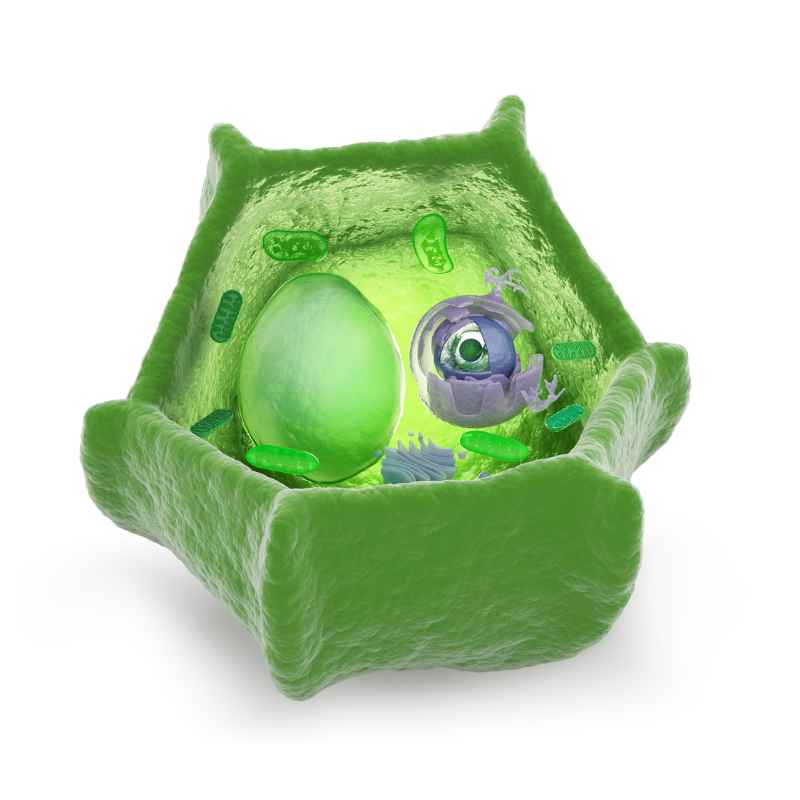
One of the most striking features is the cell wall. This is a tough outer layer. It’s made mostly of cellulose.
It gives the plant cell a rigid shape. It also protects the cell from damage and stress. Think of it as a strong suit of armor for the plant cell.
Inside the cell wall is the cell membrane. This works like the security gate we talked about. Then comes the cytoplasm.
Within the cytoplasm, there are several important organelles. One of these is the nucleus. The nucleus holds the cell’s genetic material, like the blueprints for the factory.
Chloroplasts: The Food Makers
Perhaps the most defining feature of plant cells is the presence of chloroplasts. These are the powerhouses that allow plants to perform photosynthesis. This is the process where plants use sunlight, water, and carbon dioxide to create their own food (sugars).
Chloroplasts contain a green pigment called chlorophyll. This pigment captures the energy from sunlight.
Without chloroplasts, plants couldn’t make their own food. They would starve. This is a fundamental difference from animal cells, which have to get their energy by eating other organisms.
The Large Central Vacuole: Storage and Support
Another key organelle in plant cells is the large central vacuole. This is a big, fluid-filled sac. It can take up a lot of space inside the plant cell.
Its jobs are many. It stores water, nutrients, and waste products. It also helps maintain turgor pressure.
Turgor pressure is like the internal pressure that keeps a balloon firm. This pressure pushes against the cell wall. It helps the plant stand upright.
When a plant wilts, it means the central vacuole has lost too much water and the turgor pressure has dropped.
The Other Side: Animal Cells
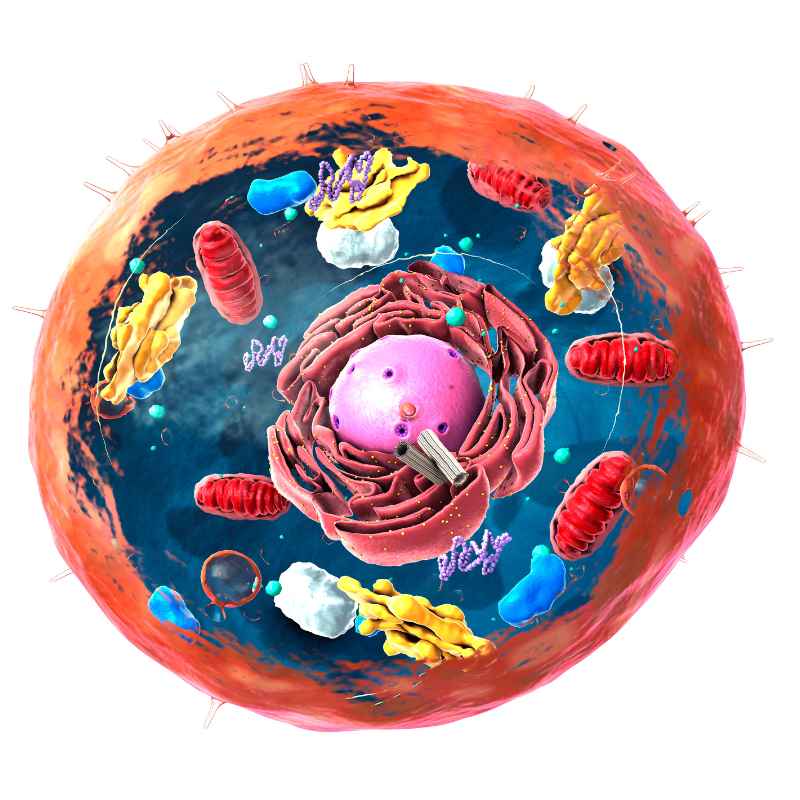
Animal cells are the building blocks of all animals. They are also complex and vital. They have many of the same basic components as plant cells.
But they lack the special features that are unique to plants. This is because animals get their energy differently.
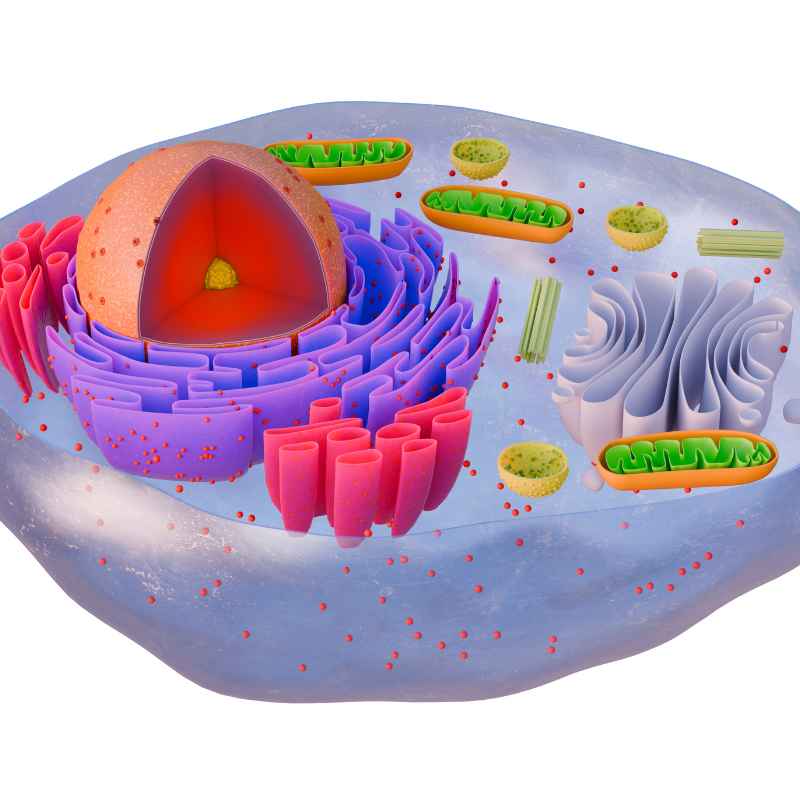
Animal cells have a cell membrane. They also have cytoplasm and a nucleus. Within the cytoplasm, there are various organelles.
These include mitochondria, which are like the energy producers for the cell. They also have ribosomes, which build proteins.
One key difference is the absence of a cell wall. Animal cells are surrounded only by a flexible cell membrane. This allows animal cells to be more flexible and have different shapes.
This flexibility is important for movement and for forming different tissues and organs.
No Chloroplasts, No Problem
Animal cells do not have chloroplasts. This is a major distinction. As mentioned, animals do not perform photosynthesis.
They get their energy by consuming food. They break down food molecules to release energy stored within them. This energy is then used to power the cell’s activities.
So, while plant cells are busy making their own food with sunlight, animal cells are busy processing the food they eat. This difference in energy acquisition is fundamental to the way plants and animals live.
Vacuoles in Animal Cells: Small and Many
Animal cells may have vacuoles, but they are generally much smaller than the large central vacuole in plant cells. They also tend to be more numerous. These smaller vacuoles have various roles.
They can be involved in storing or transporting substances. Some are used for waste disposal. Others are involved in endocytosis and exocytosis, which are ways cells take in or release materials.
Unlike the big, permanent central vacuole in plants, vacuoles in animal cells are often temporary. Their size and function can change as needed by the cell.
Comparing the Structures: A Visual Breakdown
Let’s look at the main structural differences side-by-side. This makes it easier to spot what’s unique about each type of cell.
Plant Cell vs. Animal Cell: Quick Scan
| Feature | Plant Cell | Animal Cell |
|---|---|---|
| Cell Wall | Present | Absent |
| Chloroplasts | Present | Absent |
| Large Central Vacuole | Present (usually large) | Absent (small vacuoles may be present) |
| Shape | Fixed (due to cell wall) | Variable (flexible membrane) |
| Centrioles | Absent | Present (in most) |
A Personal Story: The Microscope Moment
I remember my first time really looking at cells under a microscope in high school. We had prepared slides of both onion skin (plant cells) and cheek cells (animal cells). I was expecting them to look vastly different.
To my surprise, when I first peered through the eyepiece, they seemed quite similar.
I saw the basic round or oval shapes. I could make out darker spots that I assumed were nuclei. But the really striking differences weren’t immediately obvious at lower magnification.
It was when I focused more intently, and especially when the teacher pointed out specific features, that the distinctions became clear.
With the onion skin cells, I noticed the definite, rigid, rectangular borders. It looked like tiny, neat bricks. The teacher explained this was the cell wall.
Then, looking at the cheek cells, they were much more irregular. They looked softer, more like scattered blobs. This was the lack of a cell wall.
Later, we looked at stained slides of Elodea leaves (a water plant). That’s when I finally saw the green specks. These were the chloroplasts, busily doing their thing.
It was a real “aha!” moment. It made the abstract diagrams in textbooks suddenly come alive. It showed me how structure dictates function in the most fundamental way.
Delving Deeper: Organelles and Their Roles
While the cell wall, chloroplasts, and large central vacuole are the biggest giveaways, other organelles also play roles in differentiating plant and animal cells. Understanding these can give you a more complete picture.
Key Organelles and Their Presence
Nucleus
Both: Contains DNA, controls cell activities.
Mitochondria
Both: Powerhouse of the cell, generates ATP energy.
Ribosomes
Both: Synthesize proteins.
Endoplasmic Reticulum (ER) & Golgi Apparatus
Both: Involved in protein and lipid synthesis and transport.
Lysosomes
Animal cells: Break down waste materials and cellular debris. Plant cells: Generally absent, or their functions are handled by the vacuole.
Centrioles
Animal cells: Involved in cell division. Plant cells: Absent in most higher plants.
The presence of lysosomes is more common and pronounced in animal cells. They contain digestive enzymes. These enzymes break down worn-out cell parts and waste products.
Plant cells often rely on their large central vacuole to perform similar functions. This vacuole can break down waste and old organelles.
Centrioles are another structure primarily found in animal cells. They play a role in organizing microtubules. This is especially important during cell division.
Most plant cells do not have centrioles. They manage cell division through other mechanisms.
Why These Differences Matter: Function and Lifestyle
The differences in cell structure are directly tied to the different lifestyles of plants and animals. Plants are stationary. They need to be able to withstand environmental forces.
Their cell wall provides this structural support and protection.
Plants are autotrophs. This means they make their own food. Chloroplasts are essential for this.
They allow plants to convert light energy into chemical energy. This is the foundation of most food chains on Earth.
Animals, on the other hand, are mobile. They are heterotrophs, meaning they must consume other organisms for energy. Their cells are adapted for this.
The flexibility of the animal cell membrane allows for movement. Specialized organelles help process ingested food and break down waste efficiently.
The large central vacuole in plant cells is also critical. It allows plants to store large amounts of water. This helps them survive dry periods.
It also maintains internal pressure, keeping the plant rigid. Without it, plants would wilt and be unable to stand.
Identifying Cells in Real-World Scenarios
When you’re looking at cells, whether in a lab or perhaps even in food, you can start to spot these differences. For instance, when you eat a crunchy vegetable like a carrot or celery stick, you’re experiencing the structural integrity provided by plant cell walls.
The firmness and crispness come from the turgor pressure maintained by those large central vacuoles. When a vegetable starts to wilt, it’s because those vacuoles are losing water. The cells are no longer firm.
Consider different types of tissues. Muscle cells in animals are long and fibrous, specialized for contraction. Nerve cells have unique extensions for transmitting signals.
These shapes are possible because animal cells lack rigid cell walls. They can adapt their form to specialized functions.
Plant tissues are also specialized. Root cells are designed for absorption. Leaf cells are packed with chloroplasts for photosynthesis.
Stem cells provide support. But even with specialization, the underlying plant cell structure, with its cell wall, remains consistent.
Myth vs. Reality: Cell Structures
Myth
All cells have a cell wall.
Reality: Only plant cells, fungi, bacteria, and some protists have cell walls. Animal cells do not.
Myth
Plant cells don’t have mitochondria.
Reality: Plant cells have mitochondria. They need them to produce energy through cellular respiration, especially when they can’t perform photosynthesis (like at night).
Myth
Animal cells are always round.
Reality: Animal cells come in many shapes depending on their function. Their flexible membranes allow for diverse forms.
Myth
Vacuoles are only in plant cells.
Reality: While plant cells have a prominent large central vacuole, animal cells can have smaller, multiple vacuoles with various functions.
What This Means for You: Simple Checks
Understanding these cell differences can help you appreciate the natural world more. When you look at a plant, you know its structure is supported by millions of rigid cells. When you see an animal move, you understand its cells are flexible and designed for action.
If you’re ever looking at something under a microscope, try to identify these key features. Is there a clear, rigid outer boundary? That’s likely a plant cell.
Do you see green dots within the cytoplasm? Those are probably chloroplasts. Are the cells irregularly shaped and more flexible?
You’re likely looking at animal cells.
It’s also helpful when learning about nutrition. Plants provide us with energy through photosynthesis, which we then consume. Our bodies use cellular respiration, much like plant cells do, to unlock that energy.
It’s a beautiful cycle.
Quick Tips for Identification
Here are some quick things to remember when you’re trying to tell plant and animal cells apart:
- Cell Wall: Look for a strong, defined outer layer. If it’s there, it’s likely a plant cell.
- Shape: Plant cells tend to have a more regular, geometric shape (like a box). Animal cells are often more rounded or irregular.
- Chloroplasts: If you can see green structures inside the cell, it’s almost certainly a plant cell. These are for photosynthesis.
- Vacuole Size: A single, very large vacuole that takes up a big portion of the cell is characteristic of plant cells.
These are the most common and easiest-to-spot differences. They will help you identify most typical plant and animal cells.
Frequently Asked Questions
What is the primary function of a cell wall in plant cells?
The primary function of the cell wall in plant cells is to provide structural support and protection to the cell. It helps maintain the cell’s shape and prevents excessive water uptake, which could cause the cell to burst.
Can animal cells perform photosynthesis?
No, animal cells cannot perform photosynthesis. They lack chloroplasts, the organelles responsible for capturing light energy and converting it into chemical energy. Animals obtain energy by consuming food.
What is the role of the large central vacuole in plant cells?
The large central vacuole in plant cells stores water, nutrients, and waste products. It also plays a crucial role in maintaining turgor pressure, which helps support the plant and keep it rigid.
Why do animal cells have a flexible cell membrane instead of a cell wall?
Animal cells have a flexible cell membrane because it allows for greater mobility and the ability to change shape, which is essential for functions like movement, engulfing food particles, and interacting with other cells.
Are there any exceptions to these cell differences?
While these are general rules, there are always nuances in biology. For example, some specialized plant cells might have reduced vacuoles, and some animal cells have unique structures. However, the presence of a cell wall and chloroplasts is a strong indicator of a plant cell.
How do plant cells get energy if they don’t eat?
Plant cells get energy through photosynthesis, a process that occurs in chloroplasts. They use sunlight, water, and carbon dioxide to create sugars, which are then used for energy. They also perform cellular respiration in their mitochondria to release energy from these sugars.
Conclusion
Distinguishing between plant and animal cells comes down to recognizing a few key structures. The cell wall, chloroplasts, and large central vacuole are the main hallmarks of plant cells. Animal cells, by contrast, are more flexible and rely on consuming food for energy.
These fundamental differences highlight the amazing diversity and adaptation found in the living world.