
Water is amazing. It shapes our world. It can be gentle, like a soft rain.
For a related topic, Why Lawn Fertilization Is Vital for a Thriving Yard gives readers a useful next step.
It can also be very strong, like a flood. Have you ever seen a small stream? It might not look like much.
But over long years, it can cut deep paths in the ground. This cutting is called erosion. It’s a big part of how our planet looks.
We’re going to talk about how water runoff does this. It’s a fascinating process.
Water runoff plays a key role in shaping Earth’s landforms. It moves soil and rock, creating features like valleys, canyons, and deltas through erosion and deposition over vast timescales.
The Power of Moving Water
Runoff is water that flows over the land. This happens when rain falls faster than the ground can soak it up. Snowmelt also causes runoff.
Think about a big storm. Water starts to pool. Then it finds a way to move.
It wants to go downhill. It picks up tiny bits of soil. It can even move small stones.
This moving water carries things with it. It’s like a tiny conveyor belt. The longer the water flows, the more it can carry.
It can wear away at dirt and rock. This process is called erosion. Erosion changes the shape of the land.
It makes mountains smaller. It carves out valleys.
But water doesn’t just take things away. It also drops them off. When the water slows down, it can’t carry as much.
It lets go of the soil and rocks. This is called deposition. Deposition builds up new land.
It forms things like sandbars and river deltas. So, runoff does two main things: it takes away (erosion) and it adds (deposition).
These two actions work together. They are like a team. They sculpt the Earth’s surface.
This happens all the time. It happens slowly. It also happens quickly during big events like floods.
Understanding runoff helps us understand our planet’s history. It shows us the constant change happening all around us.
My First Encounter with Runoff’s Work
I remember being a kid, maybe ten years old. We were visiting my grandparents. They lived near a small creek in the countryside.
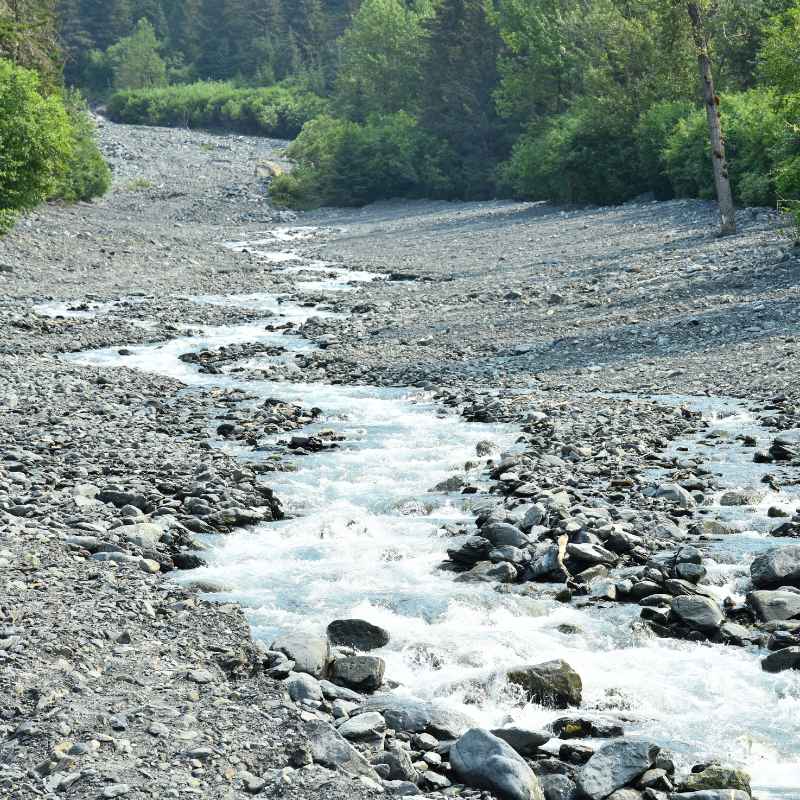
It was a hot summer day. After a sudden, heavy thunderstorm, I went outside. The little creek had turned into a rushing river.
It was brown with mud. I saw branches and leaves swirling past.
I stood on a small bridge, watching this muddy water. It looked powerful. I noticed how it was digging into the bank.
The water was pulling away bits of dirt. It made the bank look messy. There were small gullies forming.
I felt a little scared but also amazed. This tiny creek I knew was acting like a giant. It was changing its own path right before my eyes.
That day, I saw how strong even a little bit of runoff can be.
Runoff: A Quick Look
What is it? Water that flows over the ground.
When does it happen? After rain or snowmelt.
What does it do? It moves soil and rock.
Why is it important? It shapes the land.
How Water Carves the Land
Imagine a gentle slope after it rains. Water starts to flow. At first, it might just be a thin sheet of water.
This is called sheet flow. It covers the surface. It doesn’t look like much.
But it’s still moving. It’s carrying tiny particles of soil. These particles are called sediment.
As more water gathers, it starts to make paths. These paths are small at first. They are like tiny ditches.
They are called rills. Rills connect to each other. They form larger channels.
These are called gullies. Gullies are bigger than rills. They can be quite deep.
The water in these channels moves faster. It has more force. It can pick up bigger pieces.
It can move small pebbles and even larger rocks. Over time, these gullies can grow. They can become valleys.
Think about the Grand Canyon. It was made by a river and its runoff over millions of years. The Colorado River carved it out.
The slope of the land matters a lot. Steeper slopes mean faster water. Faster water means more erosion.
The type of ground also matters. Soft dirt erodes easily. Hard rock erodes more slowly.
But even hard rock can be shaped by water over a very long time.
The amount of water is key. A small shower might cause some sheet flow. A big storm can create powerful flash floods.
These floods can move large amounts of earth. They can change the landscape very quickly. They can carve new gullies or widen existing ones.
So, the process starts small. It’s a gentle flow. It gets stronger.
It carves deeper. It moves more material. This constant action shapes our hills, mountains, and plains.
It’s a slow but powerful force.
From Sheet Flow to Grand Canyons: A Journey
Let’s trace the journey of runoff. It begins with rain. The rain hits the ground.
Some soaks in. Some stays on top. This surface water is runoff.
On a flat surface, it might just spread out. It flows slowly.
On a slight slope, the water starts to move downhill. It picks up fine dust. This is the first stage of erosion.
The water is still thin here. It’s like a wet sheen. We call this sheet erosion.
It’s hard to see happening. But it’s always there. It removes a little bit of soil over time.
As the water flows, it finds low spots. It gathers into tiny streams. These are called rills.
Rills are like small finger trenches. They concentrate the water flow. Now the water has more power.
It can dig down into the soil. It carries away more dirt and sand.
These rills join together. They become bigger channels. These are called gullies.
Gullies are like mini-canyons. They can be several feet deep. They are very common on hillsides.
Especially where there isn’t much grass or trees to hold the soil.
Now, imagine these gullies are on a larger scale. Rivers are essentially very large gullies. They are formed by the constant flow of runoff over thousands or millions of years.
A river carries a huge amount of sediment. It cuts into the land. It widens its valley.
The shape of the valley depends on the river. A fast-moving river on a steep slope might cut a deep, narrow canyon. Think of Yosemite Valley.
A slow-moving river on a flat plain will spread out. It will meander. It will build up floodplains.
The materials the water flows over are important. If it’s soft soil, erosion happens fast. If it’s hard rock, it takes much longer.
But even rock can be worn down. Water finds cracks. It can freeze and expand, breaking the rock.
Then the runoff can carry the pieces away.
This whole process is a cycle. Rain falls. Runoff forms.
Erosion happens. Deposition happens. The land changes.
It’s a continuous, natural shaping of the Earth.
Erosion vs. Deposition
Erosion: This is when water (or wind, or ice) wears away rock and soil. It moves them from one place to another.
Deposition: This is when that same water (or wind, or ice) drops the rock and soil it was carrying. It builds up new landforms.
The Role of Plants and Soil
Plants are super important for stopping erosion. Their roots act like glue. They hold the soil together.
Grass is great for this. Trees are even better. Their roots go deep.
They create a strong network underground.
When there are lots of plants, the rain hits the leaves first. This slows it down. It doesn’t hit the bare ground with full force.
The water then drips off the leaves. It lands softly. It doesn’t cause much splashing.
Splashing can loosen soil particles.
Also, plant roots create tiny tunnels in the soil. This makes the soil more porous. Porous soil can soak up water better.
So, less water becomes runoff. More water goes into the ground. This is good for plants.
It’s also good for preventing erosion.
Bare soil is very vulnerable. Think of a farmer’s field after harvest. The ground is exposed.
If it rains heavily, a lot of soil can be washed away. This is why farmers use techniques like cover crops. They plant something after the main crop is gone.
This keeps the soil covered.
The type of soil matters too. Clay soil can be sticky. It can resist erosion sometimes.
But if it gets wet enough, it can also be washed away easily. Sandy soil is often less stable. It can be eroded quickly.
So, a healthy ecosystem with plenty of plants is key. It helps manage runoff. It keeps the soil in place.
When we remove too many plants, like by cutting down forests, we make the land more prone to erosion. This can lead to bigger problems like landslides.
It’s a balance. Nature has ways to keep soil in place. We need to respect those ways.
We need to protect our soil. It’s a valuable resource. And it’s directly linked to how water runoff shapes our world.
Building New Landscapes: Deposition
While erosion takes things away, deposition builds things up. This happens when the moving water slows down. When water slows, it loses energy.
It can no longer carry all the sediment it was holding.
Think about a river flowing into a lake or the ocean. The river is moving fast. It’s carrying lots of sand and mud.
When it reaches the open water, the river slows down a lot. The sediment starts to fall out of the water. It settles on the bottom.
This creates a landform called a delta. The Mississippi River delta is a great example. It’s a huge area of land that has been built up over thousands of years.
The river keeps depositing sediment. It creates new land. This land is very fertile.
It’s good for farming.
Deposition also happens in rivers. When a river bends, the water flows faster on the outside of the bend. It erodes the bank there.
On the inside of the bend, the water is slower. It deposits sediment. This builds up a sandbar.
Over time, these bends can become very wide. The river might even cut a new, straighter path. The old bend is left behind.
This is called an oxbow lake.
Floodplains are another result of deposition. When a river overflows its banks, it floods the surrounding land. The floodwaters are moving slower than the river channel.
They drop sediment onto the floodplain. This makes the soil rich. It’s why river valleys are often good places for agriculture.
Even in small streams, you can see deposition. You might see small piles of sand or gravel behind rocks. Or in slower-moving sections of the stream.
These are miniature deltas or sandbars.
So, deposition is the other side of the coin. It’s how runoff reshapes the Earth. It takes the eroded material and uses it to build new features.
It’s a continuous process of shaping and reshaping.
Features Created by Deposition
Deltas: Landforms built where rivers meet oceans or lakes.
Alluvial Fans: Cone-shaped deposits at the base of mountains.
Floodplains: Flat areas next to rivers, built by flood deposits.
Sandbars: Deposits within river channels.
Different Types of Runoff and Their Impact
Not all runoff is the same. The amount of water and how it moves makes a difference. We’ve talked about sheet flow, rills, and gullies.
But there are other ways runoff behaves.
Surface runoff is what we’ve mainly discussed. It’s the water that travels over the land surface. But there’s also shallow subsurface flow.
This is water that moves just below the surface. It can also contribute to erosion. It can carry dissolved materials.
In urban areas, runoff can be a big issue. Paved surfaces like roads and parking lots don’t soak up water. This means much more water becomes runoff.
This runoff can pick up oil, grease, and trash from the streets. It carries pollutants into rivers and lakes. This is called urban runoff.
It’s a form of pollution.
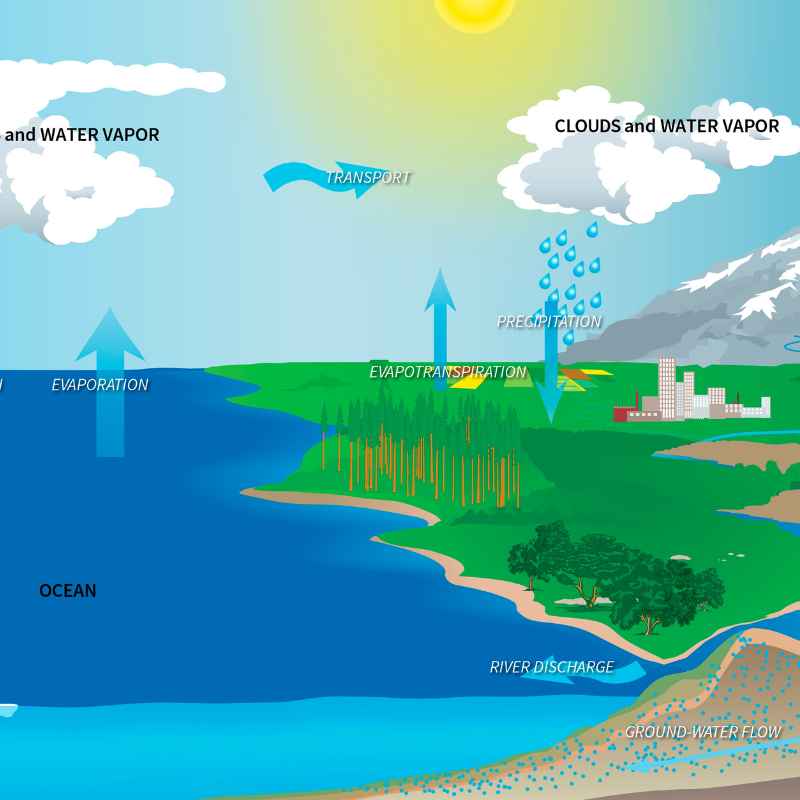
In natural areas, runoff is part of the water cycle. It feeds streams and rivers. It replenishes groundwater.
In agricultural areas, runoff can carry fertilizer and pesticides. This can harm water quality. This is why we have regulations on farming practices near water sources.
The intensity of rainfall is also a factor. A light rain might soak into the ground. A moderate rain might cause some sheet flow.
A heavy downpour or a thunderstorm can cause rapid runoff. This can lead to flash floods. Flash floods are very dangerous.
They can cause a lot of erosion and damage very quickly.
The geology of an area matters too. Some rocks are harder and resist erosion. Others are softer and erode easily.
Limestone, for example, can be dissolved by acidic rainwater. This can create unique features like sinkholes and caves. This is called karst topography.
It’s shaped by the chemical action of runoff.
So, the context of the runoff is important. Where does it happen? What is the ground like?
What is the weather like? All these things affect how runoff shapes the land.
Human Impact on Runoff and Erosion
Humans have a big impact on runoff. Building roads, houses, and cities changes how water flows. We cover up the soil with concrete and asphalt.
This means water can’t soak in. More water runs off. This increases erosion.
It can also cause flooding.
Farming practices can increase erosion too. Tilling the soil can loosen it. If the field is on a slope, rain can wash away the soil.
This is called soil erosion. It removes valuable topsoil. This makes it harder to grow crops.
It also pollutes rivers with sediment.
Logging in forests can also increase runoff and erosion. When trees are cut down, the soil is exposed. The canopy is gone.
Rain hits the ground harder. There are fewer roots to hold the soil. This can lead to landslides.
It can also cause streams to become muddy.
However, humans can also help manage runoff. We can build things like retention ponds. These ponds collect rainwater.
They slow it down. They let sediment settle out. This reduces the amount of pollution going into rivers.
We can also plant more trees and create green spaces. These help absorb water.
Using permeable paving materials is another way. These materials let water soak through. They reduce surface runoff.
Protecting wetlands is also crucial. Wetlands act like sponges. They absorb excess water.
They filter pollutants.
It’s a trade-off. Development often increases runoff. But with smart design and planning, we can minimize the negative effects.
We can work with nature, not against it. Understanding how runoff works is the first step.
Managing Runoff: What Helps
Green Infrastructure: Rain gardens, permeable pavements, green roofs.
Conservation Practices: Cover crops, no-till farming, terracing.
Preserving Natural Areas: Forests, wetlands, and natural vegetation.
Urban Planning: Designing cities to manage stormwater.
When is Runoff a Problem?
Runoff itself isn’t always bad. It’s a natural process. It’s essential for the water cycle.
It feeds rivers. It waters plants. But it becomes a problem when it’s too much or too fast.
Excessive Erosion: When runoff removes too much soil, it’s a problem. This can damage farmland. It can lead to landslides.
It can clog up streams with sediment. This harms aquatic life.
Flooding: When heavy rain causes runoff that overwhelms drainage systems or riverbanks, it causes floods. Floods can destroy homes and businesses. They can be dangerous to human life.
Pollution: Runoff from cities and farms can carry pollutants. This includes trash, oil, pesticides, and fertilizers. This pollution harms rivers, lakes, and oceans.
It can make water unsafe to drink or swim in. It can kill fish and other wildlife.
Clogged Drains: In urban areas, leaves and debris can get washed into storm drains. This can clog them. This leads to localized flooding on streets.
It can also cause sewage backups.
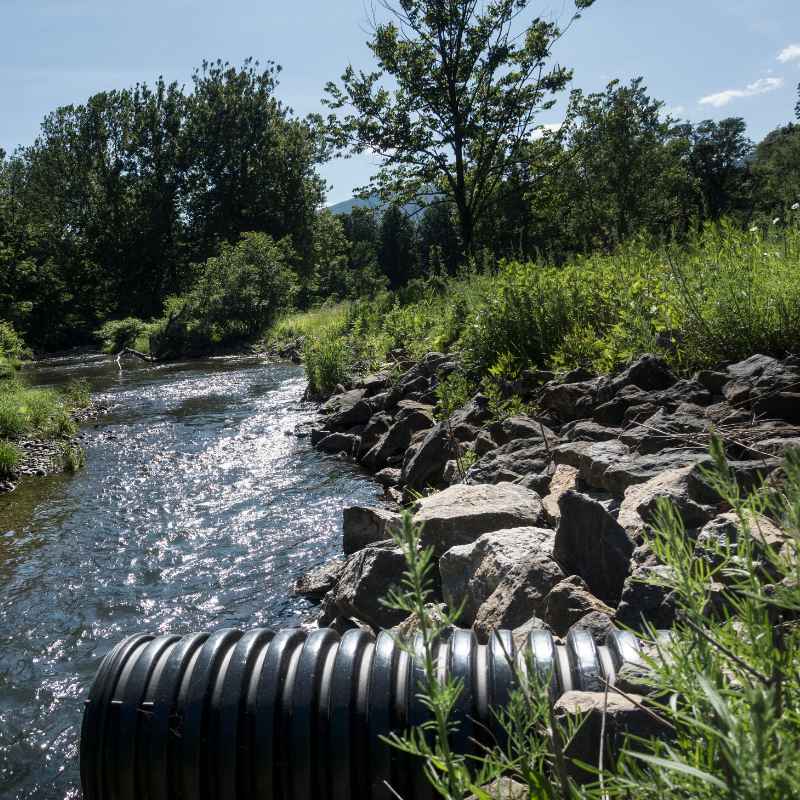
Changes to Waterways: Increased runoff can deepen and widen river channels. It can erode stream banks. This can damage habitats for fish and other animals.
It can also undermine bridges and other structures.
So, while runoff is natural, human activities often make it worse. They increase the volume and speed of runoff. They also increase the amount of pollution it carries.
Recognizing these problems is important. It helps us find solutions.
Simple Checks for Runoff Issues
You don’t need to be an expert to notice potential runoff problems. Here are some simple checks you can do:
Look at your yard: After it rains, do you see puddles that last a long time? Is water pooling against your house foundation? Are there small channels forming in your lawn?
Observe your street: When it rains, does water flow rapidly down the street? Does it carry trash or debris? Are the storm drains clear?
Check nearby streams: Is the water very muddy after rain? Are the banks of the stream eroding away?
Listen to neighbors: Do people in your area often talk about basement flooding? Or problems with standing water after rain?
These simple observations can tell you if runoff is a significant issue where you live. If you see these signs, there might be ways to improve the situation. This could involve planting more ground cover, clearing drains, or even looking into more advanced solutions for your property.
Quick Tips for Managing Runoff at Home
You can do a few things around your own home to help manage runoff. These are simple steps.
Plant more greenery: Add more plants, shrubs, and trees to your yard. Their roots hold soil. Their leaves slow down rain.
Ground cover plants are great for bare spots.
Use rain barrels: Collect rainwater from your downspouts. You can use this water for your garden. It reduces the amount of runoff going into storm drains.
Create a rain garden: This is a shallow, planted area. It’s designed to soak up rainwater. It helps filter pollutants too.
You can put it in a low spot in your yard.
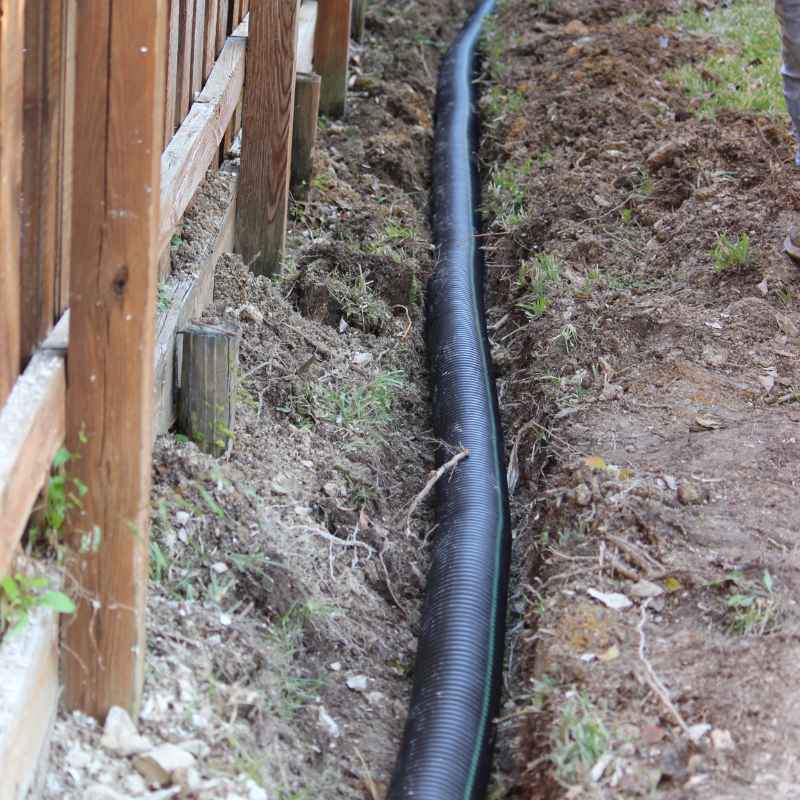
Check your downspouts: Make sure your downspouts direct water away from your house foundation. You can add extensions if needed.
Avoid over-watering: Water your lawn and garden only when needed. Excess watering can contribute to runoff.
Sweep, don’t hose: Sweep driveways and sidewalks instead of hosing them down. Hosing washes debris and pollutants into storm drains.
These small actions can make a difference. They help reduce erosion and pollution in your local area. They also help protect your own home from water damage.
Frequently Asked Questions About Runoff
What is the main difference between erosion and deposition?
Erosion is the process of wearing away and moving soil or rock. Deposition is the process of dropping that material in a new place.
How does a river carve a canyon?
A river carves a canyon through constant erosion. The moving water carries sediment. This sediment acts like sandpaper, grinding away at the riverbed and banks over very long periods.
Are all landscapes shaped by runoff?
No, not all landscapes are solely shaped by runoff. Glaciers, wind, and volcanic activity also play significant roles in shaping Earth’s features.
Why is urban runoff a bigger problem than rural runoff?
Urban areas have more hard, impermeable surfaces like roads and roofs. This means more water runs off quickly, carrying pollutants like oil and trash into waterways.
How long does it take for runoff to shape a landscape?
It takes a very long time. Shaping landscapes through runoff is a slow process, often taking thousands or millions of years to create features like canyons and valleys.
Can planting trees stop erosion?
Yes, planting trees is very effective. Their roots hold the soil firmly in place. Their canopy also slows down the impact of rain, reducing splash erosion.
What is the role of sediment in erosion?
Sediment, like sand and pebbles, carried by runoff acts like tiny tools. It scrapes and grinds against the land, making the erosion process more effective.
The Ongoing Story of Our Earth
Runoff is a constant force. It’s quietly shaping our world. It carves mountains.
It builds plains. It creates the beautiful landscapes we see. From tiny gullies to vast river systems, water’s movement tells a story.
Understanding this process helps us appreciate nature. It also helps us see how our actions impact the environment. By managing runoff wisely, we can protect our soil and water.
We can help keep our planet beautiful and healthy.