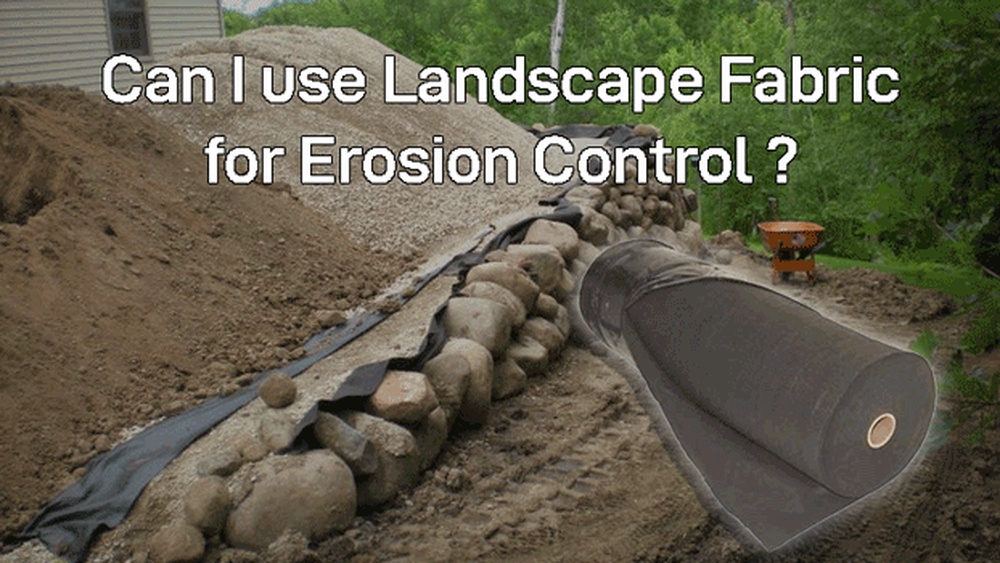
Can I Use Landscape Fabric For Erosion
Soil erosion is a persistent challenge for gardeners, landscapers, and property owners worldwide. Left unchecked, erosion can degrade soil quality, destabilize slopes, and even threaten structures. Among the many solutions available, landscape fabric is frequently touted as an effective, low-maintenance barrier. But can landscape fabric really prevent erosion? Or is it better suited to weed control and garden beds? Understanding the role of landscape fabric in erosion management is crucial for making informed landscaping decisions.
In this comprehensive guide, we’ll explore the science behind erosion, how landscape fabric works, its strengths and weaknesses in erosion control, practical installation tips, and real-world outcomes. Whether you’re managing a gentle garden slope or a steep embankment, this article will help you decide if landscape fabric is the right solution for your erosion concerns, or if alternative methods may serve you better.
Key Takeaways
- Landscape fabric can help control erosion in certain scenarios, especially on gentle slopes and under mulch or gravel.
- Effectiveness depends on proper installation, slope steepness, and integration with other erosion control methods.
- Landscape fabric is not a universal solution, limitations include durability concerns and potential for water runoff problems.
- Alternatives like erosion control blankets, plantings, and hardscape solutions may be more suitable for challenging sites.
- Combining multiple strategies often yields the best long-term erosion control.

Credit: www.eastgatesupply.com
Understanding Erosion And Its Impact
Soil erosion is the process by which the upper layer of soil is displaced by wind, water, or gravity. This phenomenon poses significant risks to landscapes, agriculture, infrastructure, and water quality.
Causes Of Erosion
The primary drivers of erosion include:
- Rainfall and surface water runoff: Water flowing over soil can detach and carry soil particles away.
- Wind: In dry, exposed areas, wind lifts and transports fine soil particles.
- Gravity: On slopes, gravity assists water or loose soil in moving downhill.
- Human activity: Construction, poor landscaping, and deforestation can disturb soil and exacerbate erosion.
Consequences Of Erosion
Unchecked erosion can result in:
- Loss of fertile topsoil, reducing plant growth and crop yields.
- Siltation of waterways, harming aquatic life and water quality.
- Destabilization of slopes and embankments, threatening structures and roads.
- Increased maintenance costs for landscapes and infrastructure.
Why Erosion Control Matters
Effective erosion control preserves soil health, supports vegetation, protects property, and minimizes environmental harm. Selecting the right method is crucial for long-term landscape stability.

Credit: jonpenland.com
What Is Landscape Fabric? Types And Properties
Landscape fabric is a synthetic or natural textile used to cover soil and suppress weeds, improve moisture retention, and in some cases, prevent erosion.
Types Of Landscape Fabric
There are several main categories:
- Woven fabrics: Made from woven polypropylene or polyester threads. They are durable and allow some water and air movement.
- Non-woven fabrics: Manufactured from bonded fibers; typically more permeable but less durable than woven types.
- Biodegradable fabrics: Crafted from natural fibers like jute or coir, decomposing over time to enrich the soil.
| Type | Material | Permeability | Longevity | Best Use |
|---|---|---|---|---|
| Woven | Polypropylene, Polyester | Moderate | 5-10 years | Under mulch, moderate slopes |
| Non-woven | Polypropylene, Polyester | High | 3-5 years | Garden beds, weed suppression |
| Biodegradable | Jute, Coir | High | 6-24 months | Temporary erosion control |
Key Properties For Erosion Control
- Permeability: Allows water to pass through, reducing runoff and pooling.
- UV resistance: Prolongs fabric life when exposed to sunlight.
- Tensile strength: Withstands stress from soil movement and weather.
- Biodegradability: Important for temporary erosion control where eventual decomposition is desired.
How Landscape Fabric Works
When installed, landscape fabric acts as a barrier between the soil and external forces. It:
- Reduces direct impact of raindrops on soil, minimizing detachment of soil particles.
- Slows water flow, allowing more infiltration and less runoff.
- Holds mulch or gravel in place, further stabilizing the soil.
- Suppresses weed growth, reducing root disturbance.
Using Landscape Fabric For Erosion: Effectiveness And Limitations
The utility of landscape fabric in erosion control depends on multiple factors, including site conditions, installation quality, and ongoing maintenance.
Where Landscape Fabric Excels
Gentle slopes: On mild gradients (less than 3:1 or 33% slope), fabric can help stabilize soil, especially if covered with mulch or decorative rock.
Under hardscape or mulch: Fabric prevents soil movement beneath pathways, patios, or heavy mulch, reducing erosion in landscaped areas.
Temporary erosion control: Biodegradable fabrics are effective for short-term stabilization until vegetation is established.
Where It Falls Short
Steep slopes: On gradients steeper than 3:1, landscape fabric alone is rarely sufficient. Water can flow over and under the fabric, leading to undermining or slumping.
Heavy rainfall: In regions with intense rainfall, water may pool on or beneath impermeable fabrics, causing slippage or channelization.
Root growth interference: For long-term erosion control, plant roots are essential. Some fabrics can restrict root penetration, limiting stabilization.
Degradation and exposure: UV light, rodents, or improper installation can compromise the fabric over time , reducing effectiveness.
Research And Expert Opinions
A 2016 study published in the Journal of Environmental Management found that erosion control blankets (including some types of landscape fabric) reduced soil loss by 60-90% on gentle slopes compared to bare soil. However, performance dropped significantly on steeper grades or with poor installation.
Pro Tip: Always assess the site’s slope, rainfall, and intended plantings before choosing landscape fabric for erosion control.

Credit: ecsproductsva.com
Proper Installation Of Landscape Fabric For Erosion Control
Success with landscape fabric hinges on correct installation. Improper methods can actually worsen erosion or create maintenance headaches.
Site Preparation
- Remove existing weeds, rocks, and debris.
- Grade the area to minimize steep spots and fill in depressions.
- Compact the soil lightly to provide a stable base.
Laying The Fabric
- Overlap edges by 6-12 inches to prevent gaps where soil can escape.
- Anchor the fabric every 2-3 feet with landscape staples, especially on slopes.
- Cut holes or X-shaped slits for plantings, allowing roots to penetrate.
Covering The Fabric
- Add a 2-4 inch layer of mulch, gravel, or decorative rock on top. This protects the fabric from UV rays and anchors it further.
- Avoid piling mulch too deeply, which can retain excess moisture and cause rot.
Maintenance Tips
- Check for exposed edges after heavy rain or wind and re-anchor as needed.
- Replace or patch damaged fabric promptly to prevent undermining.
- Monitor plant health, if roots appear stunted, consider cutting larger openings.
Real-world Examples And Case Studies
Practical outcomes can vary based on context. Here are three case studies illustrating landscape fabric’s performance in erosion control.
Example 1: Residential Slope Stabilization
A homeowner in North Carolina installed woven landscape fabric under mulch on a gentle (2:1) backyard slope prone to washouts. After three years, mulch and soil loss were significantly reduced, and the area remained stable. However, some weeds penetrated the fabric over time, requiring spot treatment. The fabric also limited root growth of groundcover plants, slowing their ability to knit the soil together.
Example 2: Commercial Parking Lot Perimeter
In a commercial development in Oregon, contractors used non-woven fabric beneath gravel around a parking lot embankment. While the fabric prevented gravel migration and minor soil erosion, water pooled in some areas due to low permeability. Maintenance crews had to add drainage channels and periodically lift the fabric to release trapped water.
Example 3: Temporary Construction Site Stabilization
A construction site in Texas employed biodegradable jute matting (a type of landscape fabric) on exposed slopes during rainy season. The matting held soil in place long enough for native grasses to establish. After one year, the matting decomposed, leaving a stable, vegetated slope with minimal erosion.
Alternatives To Landscape Fabric For Erosion Control
While landscape fabric offers benefits, it’s not always the best choice. Several alternative solutions may be more effective for certain applications.
Erosion Control Blankets
Erosion control blankets (ECBs) are specially engineered mats made from straw, coconut fiber, or synthetic materials. They are designed for slopes, channels, and disturbed soils.
- Pros: Superior soil contact, biodegradable options, support rapid vegetation growth.
- Cons: More expensive, require professional installation for steep slopes.
Living Ground Cover
Plant-based solutions use grasses, groundcovers, or shrubs to anchor soil with their root systems.
- Pros: Long-term stability, habitat creation, aesthetic value.
- Cons: Takes time to establish, may require irrigation and maintenance.
Hardscape Solutions
Rocks, retaining walls, and terracing can provide immediate, robust erosion control for severe slopes.
- Pros: Durable, effective for high-risk areas.
- Cons: High cost, may require permits or engineering.
Mulching Without Fabric
Applying a thick layer of organic mulch directly on soil can reduce surface erosion by absorbing raindrop impact and slowing runoff.
- Pros: Improves soil health, supports beneficial organisms.
- Cons: Needs periodic replenishment, less effective on steep slopes.
| Solution | Best Use | Installation Complexity | Longevity | Cost |
|---|---|---|---|---|
| Landscape Fabric | Gentle slopes, under mulch | Moderate | 3-10 years | Low |
| Erosion Control Blanket | Steep slopes, channels | High | 6 months, 5 years | Moderate, High |
| Living Ground Cover | All slopes (once established) | Moderate | Permanent | Low, Moderate |
| Hardscape (Walls, Rock) | Severe slopes, structural | High | 20+ years | High |
| Mulch Only | Flat, gentle slopes | Low | 1, 2 years | Low |
Integrating Landscape Fabric With Other Erosion Control Strategies
Combining methods often produces the most reliable erosion control. Landscape fabric can play a supporting role when used wisely with other solutions.
With Plantings
- Install fabric and cut X-shaped holes for each plant.
- Use fast-rooting groundcovers or grasses to provide living stabilization as fabric ages.
- Choose biodegradable fabric to allow seamless transition to plant-based control.
With Mulch And Rock
- Layer mulch or decorative stone atop fabric to anchor it and protect from UV exposure.
- For high-traffic areas, use heavier gravel or larger stones.
With Drainage Systems
- Incorporate French drains or swales to manage excess water, preventing fabric from becoming waterlogged or undermined.
- Ensure outlets direct water to stable, vegetated areas.
Pro Tip: Monitor And Adapt
Check your erosion control measures seasonally. Replace worn fabric, add mulch, or adjust plantings as needed for ongoing effectiveness.
Environmental Impact And Sustainability Considerations
The choice of erosion control method can impact local ecosystems, waste streams, and long-term sustainability.
Synthetic Vs. Biodegradable Fabrics
- Synthetic fabrics (polypropylene, polyester) last longer but contribute to plastic pollution if not disposed of properly.
- Biodegradable fabrics (jute, coir) break down naturally, enriching soil but requiring more frequent replacement.
Effects On Soil And Water
- Some synthetic fabrics can inhibit water infiltration if not properly permeable, potentially increasing runoff and downstream erosion.
- Natural fiber mats tend to improve soil structure as they decompose.
Wildlife And Plant Health
- Dense, non-permeable fabrics may limit soil-dwelling organisms and hinder plant root development.
- Choose products labeled as environmentally safe and free from harmful additives.
Disposal And Recycling
- Check local regulations for disposal or recycling options for synthetic fabrics.
- Compostable fabrics can be tilled into the soil at end of life.
Example: In my experience as a landscape designer, switching from synthetic to biodegradable jute matting reduced plastic waste and improved soil health in a community garden project.
Cost Analysis: Landscape Fabric Vs. Other Erosion Solutions
Cost is a major consideration for homeowners and professionals. Here’s a side-by-side comparison of typical installation and maintenance costs.
| Solution | Material Cost (per sq. ft.) | Labor Intensity | Maintenance Needs |
|---|---|---|---|
| Landscape Fabric | $0.10, $0.50 | Moderate | Edge repair, replacement after 3, 10 years |
| Erosion Control Blanket | $0.50, $1.50 | High | Replace after 1, 5 years |
| Groundcover Plants | $0.50, $2.00 | High (initially) | Watering, weeding until established |
| Retaining Wall | $15, $50 | Very High | Minimal, periodic inspection |
Pro Tip: For small DIY projects on gentle slopes, landscape fabric offers a cost-effective, short- to medium-term solution.
Best Practices And Common Mistakes To Avoid
Maximize your landscape fabric’s erosion control potential, and avoid pitfalls, with these actionable tips.
Best Practices
- Select fabric appropriate for your slope and intended plantings.
- Overlap and anchor fabric securely to prevent soil leaks.
- Cover with mulch or rock for UV protection and added stability.
- Integrate with plantings for long-term erosion control.
Common Mistakes
- Using fabric alone on steep slopes (>33%): Risk of failure is high.
- Choosing impermeable plastic sheeting instead of landscape fabric, this can cause water runoff and erosion elsewhere.
- Allowing fabric to remain uncovered: Exposure shortens lifespan.
- Neglecting maintenance after installation.
Warning: Don’t Rely Solely On Fabric For Severe Erosion
For embankments, drainage ditches, or areas with heavy water flow, consult an engineer or erosion control specialist for a comprehensive solution.
Frequently Asked Questions
What’s The Difference Between Landscape Fabric And Plastic Sheeting For Erosion Control?
Landscape fabric is designed to be permeable, allowing water and air to pass through while stabilizing soil and suppressing weeds. Plastic sheeting, by contrast, is impermeable. While it blocks water, it can lead to pooling, increased runoff, and even worse erosion in adjacent areas. Plastic sheeting is not recommended for erosion control because it disrupts the natural water cycle and can cause root suffocation.
How Long Does Landscape Fabric Last When Used For Erosion Control?
The lifespan of landscape fabric depends on the material type, exposure to sunlight, and whether it’s covered with mulch or stone. Woven synthetic fabrics can last 5, 10 years when protected, while non-woven types typically last 3, 5 years. Biodegradable fabrics last 6, 24 months.
Regular inspection and maintenance can extend fabric life but expect to replace it as it degrades.
Can I Plant Trees Or Shrubs Through Landscape Fabric On A Slope?
Yes, you can plant trees or shrubs through landscape fabric. Cut an X-shaped opening at each planting spot. However, for large woody plants, ensure the opening is generous enough to accommodate trunk growth and root expansion. Over time, consider removing fabric around mature trees to avoid girdling and promote healthy root systems.
Is Landscape Fabric Environmentally Friendly?
Synthetic landscape fabrics are made from plastics, which may persist in the environment if not disposed of properly. Biodegradable fabrics (like jute or coir) are more eco-friendly, decomposing naturally and enriching the soil. Always check for environmental certifications and avoid products with chemical additives.
For long-term sustainability, pair fabric with living plantings that eventually take over the soil stabilization role.
Where Can I Find More Guidance On Erosion Control For My Property?
For in-depth guidance, consult your local extension office, conservation district, or a licensed landscape architect. The United States Department of Agriculture (USDA) offers resources on erosion control practices and best management techniques. You can also explore technical guides from organizations like the USDA Natural Resources Conservation Service and the U.S. Environmental Protection Agency for reliable information.
So, can you use landscape fabric for erosion? The answer is a qualified yes: on gentle slopes and as part of a layered approach, landscape fabric offers useful, affordable erosion protection. However, it’s not a silver bullet. For demanding conditions, steep slopes, heavy rain, or critical infrastructure, consider integrating fabric with other solutions or opting for more robust alternatives. Thoughtful planning, proper installation, and regular maintenance are the keys to lasting erosion control and a resilient, beautiful landscape.