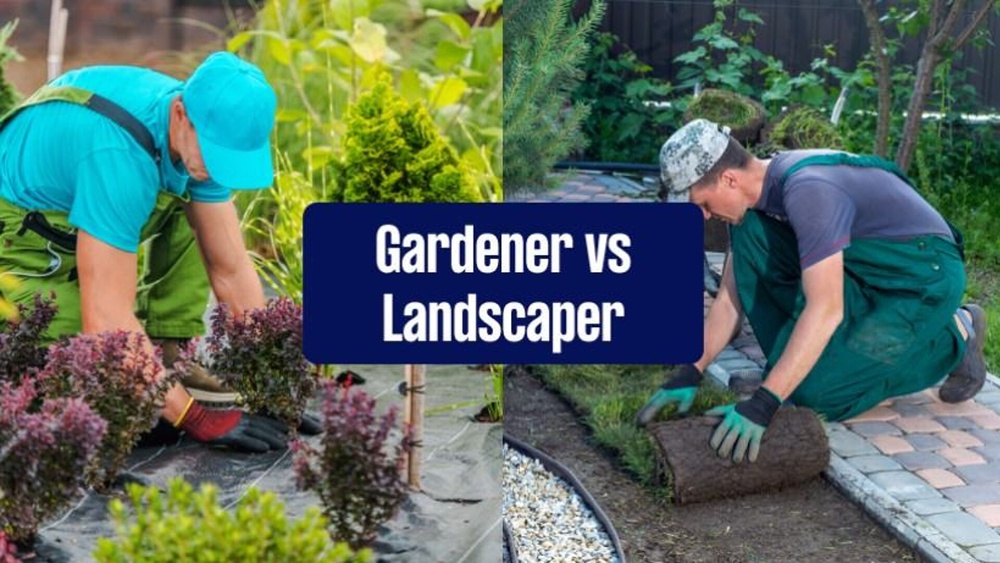
Is Landscaping And Gardening The Same
Landscaping and gardening are often used interchangeably, but the reality is far more nuanced. Whether you’re a homeowner seeking to improve your curb appeal or a professional aiming to master your craft, understanding the differences and similarities between these two disciplines can help you achieve better results.
Both landscaping and gardening shape our outdoor environments, but their purposes, techniques, and impacts diverge in significant ways.
The distinction matters: landscaping can transform entire properties with structural elements, while gardening focuses on cultivating living plants. This article explores every aspect of the question, Is landscaping and gardening the same?, with authoritative, data-driven insights, real-world examples, and actionable guidance. By the end, you’ll be equipped to make informed decisions about your own outdoor space, and you’ll appreciate why the answer to this question is more than just semantics.
Key Takeaways
- Landscaping and gardening share similarities but differ in scope, purpose, and methods.
- Landscaping involves both living and non-living elements, while gardening focuses primarily on plant cultivation.
- Professional landscaping requires specialized design skills and often integrates architecture, whereas gardening relies more on horticultural knowledge.
- Both activities contribute to environmental sustainability, but landscaping can have larger-scale impacts through water management and biodiversity.
- Understanding the distinctions can help homeowners, businesses, and professionals optimize their outdoor spaces for beauty, function, and ecological benefit.
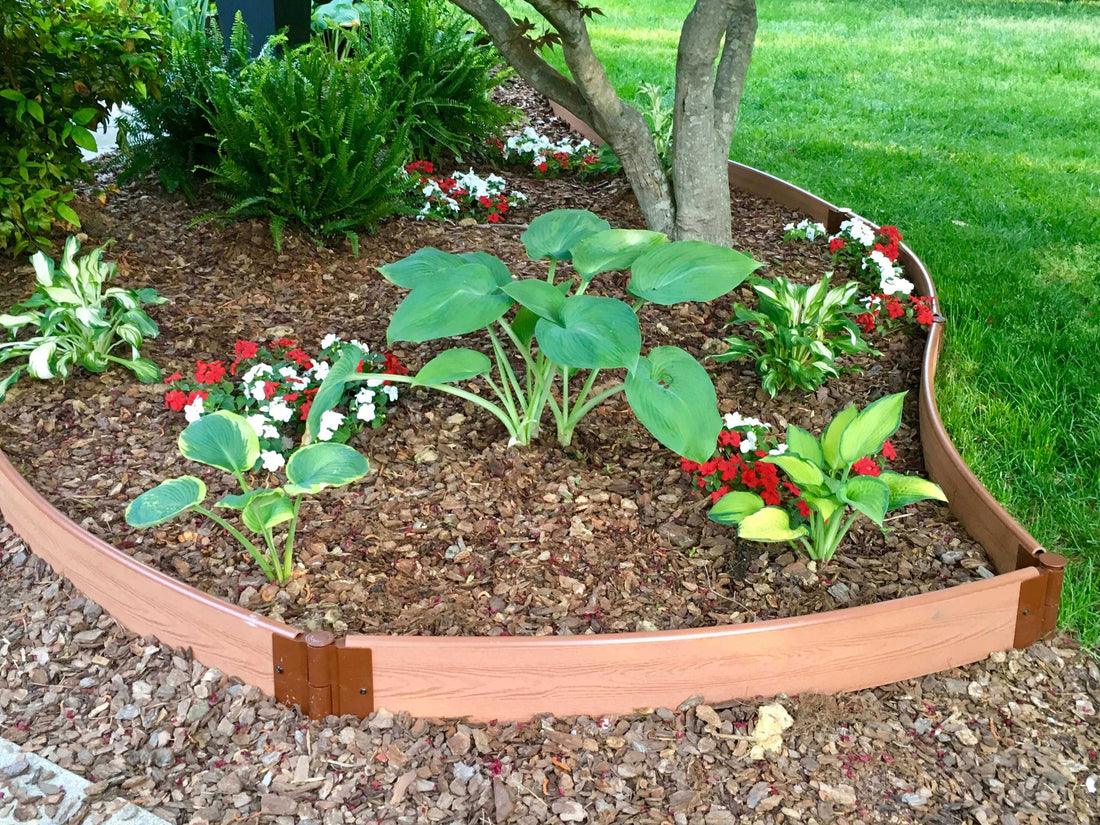
Credit: frameitall.com
Understanding Landscaping
Landscaping is the art and science of modifying outdoor spaces to achieve aesthetic, functional, and environmental goals. It encompasses a broad range of activities that go beyond mere plant cultivation.
Scope And Definition
Landscaping includes the planning, design, and construction of both natural and artificial features. This can involve:
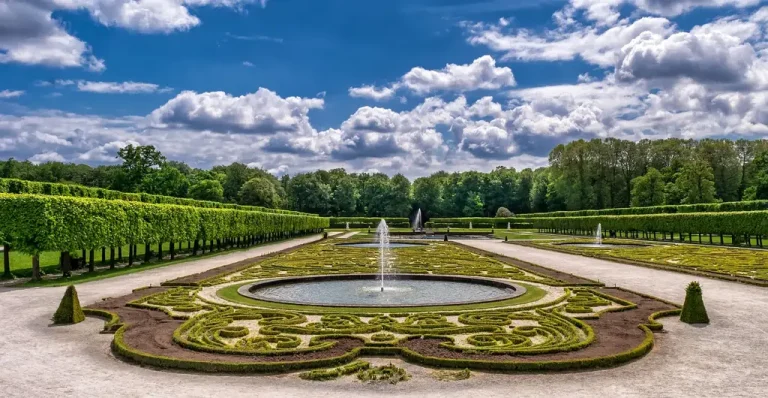
- Hardscaping: Elements like patios, walkways, walls, fences, decks, and water features.
- Softscaping: Living elements including trees, shrubs, flowers, and lawns.
- Site analysis: Assessing soil, climate, drainage, and topography before designing.
- Design principles: Using symmetry, balance, focal points, and color schemes to create appealing spaces.
Landscaping projects often require collaboration between landscape architects , designers, contractors, and horticulturists.
Techniques And Tools
Landscapers employ a wide variety of tools and techniques:
- Computer-aided design (CAD) software for planning layouts and visualizing concepts.
- Heavy machinery for excavation, grading, and installation of hardscape features.
- Plant selection based on climate, soil, maintenance needs, and desired aesthetic.
Real-world Example
A corporate campus redesign in Houston, Texas integrated sustainable landscaping with native plants, permeable walkways, and rain gardens to manage stormwater runoff. The project required both architectural and horticultural expertise, demonstrating the multidisciplinary nature of landscaping.
Environmental Impact
Modern landscaping increasingly prioritizes sustainability. Techniques like xeriscaping reduce water usage, while strategic planting improves biodiversity and mitigates urban heat islands.
Pro Tip: When planning a landscape, always consider long-term maintenance and environmental impact to ensure lasting value and ecological health.
Exploring Gardening
Gardening is the practice of cultivating and caring for plants, usually for personal enjoyment, food, or ornamental purposes. While it may be part of landscaping, gardening is a distinct discipline with its own traditions and techniques.
Scope And Definition
Gardening focuses primarily on:
- Plant selection and care: Choosing appropriate species, planting, watering, fertilizing, pruning, and harvesting.
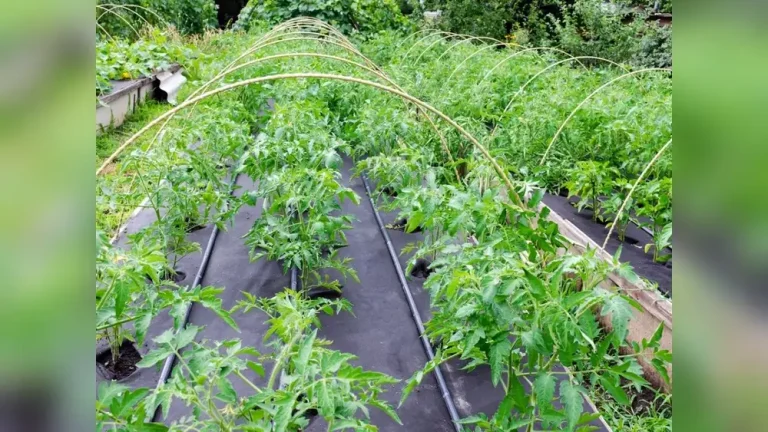
- Garden types: Vegetable gardens, flower beds, herb gardens, container gardening, and community gardens.
- Seasonal cycles: Understanding and managing growth patterns, pest control, and soil health.
Gardening can range from small container gardens on a balcony to extensive backyard plots.
Techniques And Tools
Gardeners typically use:
- Hand tools such as trowels, pruners, hoes, and watering cans.
- Organic and chemical fertilizers to promote healthy growth.
- Integrated pest management (IPM) to control pests naturally and sustainably.
Real-world Example
A community garden in Seattle transformed a vacant lot into a productive vegetable and flower garden. Residents worked together to plant, maintain, and harvest crops, building both food security and social cohesion.
Environmental Impact
Gardening enhances local biodiversity, improves soil health, and can reduce carbon footprints through homegrown produce. However, improper gardening practices (e. g. , overuse of pesticides) can harm local ecosystems.
Example: In my experience, transitioning from traditional gardening to organic methods significantly improved soil fertility and reduced pest issues, highlighting the importance of sustainable practices.

Credit: growcycle.com
Comparing Landscaping And Gardening
To fully answer whether landscaping and gardening are the same, it’s essential to compare their defining features, purposes, and techniques. The following table summarizes the major differences and overlaps.
| Aspect | Landscaping | Gardening |
|---|---|---|
| Scope | Broad, includes hardscape and softscape | Narrow, focuses on plant cultivation |
| Elements | Plants, structures, water features, lighting | Flowers, vegetables, herbs, shrubs |
| Skills Required | Design, engineering, horticulture | Botany, soil science, pest control |
| Professional Training | Landscape architecture, construction | Horticulture, gardening courses |
| Purpose | Aesthetic, functional, environmental | Personal enjoyment, food, beauty |
| Scale | Large properties, public spaces | Small plots, residential gardens |
| Tools Used | Heavy equipment, CAD, irrigation systems | Hand tools, fertilizers, hoses |
Overlapping Areas
Despite their differences, landscaping and gardening intersect in several ways:
- Both require knowledge of plants and soils.
- Both can improve aesthetics and well-being.
- Both contribute to sustainability when managed wisely.
Distinct Approaches
Landscaping often involves structural changes and professional design, while gardening is more about nurturing plants and enjoying the process.

Credit: frameitall.com
Professional Pathways: Landscaping Vs. Gardening Careers
Both fields offer rewarding career opportunities, but their requirements and prospects differ.
Education And Certification
- Landscaping professionals may need degrees in landscape architecture, civil engineering, or design. Certification from organizations like the American Society of Landscape Architects (ASLA) is common.
- Gardeners often have backgrounds in horticulture, botany, or agriculture. Certification from bodies such as the National Gardening Association can boost credibility.
Job Roles
Landscaping careers include:
- Landscape architect
- Designer
- Contractor
- Irrigation specialist
- Hardscape installer
Gardening careers include:
- Professional gardener
- Horticulturist
- Nursery worker
- Groundskeeper
Salary And Job Outlook
According to the U. S. Bureau of Labor Statistics, landscape architects earned a median annual wage of $73,970 in 2026, while grounds maintenance workers averaged $34,420. The demand for landscaping and gardening professionals is projected to grow as property owners invest in outdoor improvements and sustainability initiatives.
| Career | Typical Education | Median Salary (2026) | Job Outlook |
|---|---|---|---|
| Landscape Architect | Bachelor’s/Master’s in Landscape Architecture | $73,970 | Steady growth |
| Professional Gardener | Associate/Bachelor’s in Horticulture | $34,420 | Growing with sustainability focus |
| Groundskeeper | On-the-job training | $34,420 | Steady demand |
| Landscape Designer | Certification/Design courses | $60,000 (estimate) | Increasing |
Real-world Example
A landscape architect working for a city government designed parks with both hardscape and softscape elements to improve public spaces, while a professional gardener maintained those spaces by caring for plant beds and trees.
Design Principles: Landscaping Vs. Gardening
Both landscaping and gardening employ design principles, but their application varies.
Landscaping Design
Landscaping design integrates:
- Spatial planning: Organizing spaces for function and flow.
- Focal points: Using sculptures, water features, or specimen plants to draw attention.
- Unity and balance: Creating harmonious, visually pleasing compositions.
- Sustainability: Choosing native plants, permeable surfaces, and efficient irrigation.
Gardening Design
Gardening design focuses on:
- Plant arrangement: Grouping by color, height, and blooming period.
- Crop rotation: For vegetable gardens, maximizing yield and soil health.
- Edging and pathways: Using low-cost materials to define spaces.
- Pollinator support: Planting species that attract bees and butterflies.
Pro Tip: For small gardens, maximize beauty and yield by combining edible and ornamental plants in creative layouts.
Case Study: Residential Property
A homeowner in Chicago combined landscaping and gardening by installing stone pathways, raised beds, and a rain garden. Professional landscapers handled the structural elements, while the homeowner cultivated vegetables and flowers, demonstrating synergy between the two disciplines.
Environmental And Social Impacts
Both landscaping and gardening can positively affect the environment and society, depending on practices employed.
Sustainability Practices
Landscaping improves sustainability through:
- Rain gardens: Filtering runoff and preventing erosion.
- Native plantings: Reducing water and fertilizer needs.
- Green roofs and walls: Enhancing insulation and biodiversity.
Gardening supports sustainability via:
- Organic methods: Avoiding synthetic pesticides and fertilizers.
- Composting: Reducing waste and enriching soil.
- Water conservation: Using drip irrigation or mulching.
Social Benefits
- Landscaping enhances property values and community pride.
- Gardening fosters personal wellness, food security, and social connections.
According to a study published in the Journal of Environmental Psychology, regular gardening reduces stress and improves mental health more than other leisure activities (Wikipedia).
Example: Urban Greening
Cities like Portland, Oregon, have invested in public landscaping and community gardens to improve air quality, reduce urban heat, and build stronger communities.
Challenges And Considerations
Both disciplines have unique challenges and require careful planning.
Landscaping Challenges
- High upfront costs: Hardscape and design work can be expensive.
- Complexity: Requires coordination among multiple professionals.
- Regulatory issues: Permits and zoning restrictions may apply.
Gardening Challenges
- Time and labor: Regular maintenance is essential.
- Pest and disease management: Requires ongoing attention.
- Seasonal limitations: Growth cycles depend on local climate.
Warning: Poorly planned landscaping can increase maintenance costs, while improper gardening practices can harm soil and water quality.
Example: Drought-resistant Landscaping
During California’s drought, homeowners shifted to xeriscaping, reducing lawn areas and installing drought-tolerant plants. This lowered water bills and maintenance, but required expertise in plant selection and soil preparation.
How To Choose: Landscaping Or Gardening?
Deciding between landscaping and gardening, or integrating both, depends on your goals, budget, and skills.
Assessing Your Needs
- Aesthetic goals: Landscaping can create dramatic transformations; gardening offers lush, colorful plantings.
- Functional needs: Landscaping provides structural features; gardening yields food and flowers.
- Maintenance capacity: Landscaping can reduce maintenance with strategic design; gardening requires ongoing effort.
Planning Steps
- Define your objectives: Beauty, function, sustainability, food production.
- Evaluate your site: Soil, climate, space, sunlight, and water availability.
- Research options: Native plants, hardscape materials, irrigation systems.
- Set a budget: Include installation and long-term maintenance.
Example: Small Space Solutions
Apartment dwellers can use container gardening for fresh herbs and flowers, while homeowners may choose landscaping for larger outdoor projects. Both approaches add value and enjoyment.
Frequently Asked Questions
Is Landscaping More Expensive Than Gardening?
Landscaping often involves structural changes, professional design, and installation, which can drive up costs. Gardening is typically less expensive, especially for small-scale or DIY projects. However, ongoing maintenance costs can accumulate for both activities. It’s advisable to request detailed quotes and compare long-term expenses before starting any project.
Can Landscaping And Gardening Be Combined In One Project?
Yes, many successful outdoor spaces integrate both landscaping and gardening. For example, a landscape design might include paved patios and garden beds, allowing homeowners to enjoy structural features alongside plant cultivation. Combining both enhances beauty, functionality, and ecological benefits.
Are There Environmental Risks Associated With Landscaping Or Gardening?
Both can pose risks if managed improperly. Landscaping may disrupt ecosystems if non-native plants or excessive hardscaping are used . Gardening can impact soil and water quality through overuse of pesticides or fertilizers. Choosing sustainable practices, such as native plantings and organic gardening, minimizes these risks.
Do I Need Professional Help For Landscaping Or Gardening?
Professional help is recommended for complex landscaping projects, especially those involving structural elements or large-scale design. Gardening can often be managed independently, but consulting a horticulturist or local extension service may be beneficial for troubleshooting plant diseases or soil issues.
For legal or health-related concerns, always consult a licensed professional.
How Do Landscaping And Gardening Affect Property Value?
Both can increase property value, but landscaping generally has a larger impact due to its scale and permanence. Well-designed landscapes improve curb appeal and can yield a return on investment of up to 150%, according to the National Association of Realtors (NAR Research). Gardening contributes by enhancing beauty and functionality, especially for buyers interested in sustainability or homegrown produce.
Landscaping and gardening are distinct yet interconnected disciplines, each shaping our outdoor spaces in unique ways. Recognizing their differences empowers homeowners, professionals, and communities to create environments that are beautiful, functional, and sustainable. Whether your aim is structural transformation or plant cultivation, understanding the nuances between landscaping and gardening ensures you achieve the best results for your property and well-being.