Does Landscaping Fabric Prevent Weeds
Few elements of garden maintenance spark as much debate as landscaping fabric. Promoted as a solution for effortless weed control, this woven or non-woven material promises to keep beds pristine and reduce hours spent pulling unwanted plants. But does landscaping fabric actually prevent weeds in the long term, or is its reputation inflated by marketing hype? As homeowners and landscapers seek sustainable, effective ways to manage weeds without harsh chemicals, understanding the real-world performance of landscaping fabric is critical.
This article evaluates the science and practice behind landscaping fabric as a weed barrier. Drawing on research, expert opinions, and first-hand experience, we examine how landscaping fabric works, its strengths and weaknesses, and how it compares to other weed control methods.
If you’re considering installing landscaping fabric, or wondering whether it’s worth maintaining your existing beds, read on for data-driven answers, practical tips, and clear guidance.
Key Takeaways
- Landscaping fabric provides initial weed suppression but is not a permanent solution.
- Organic mulch often outperforms fabric in long-term weed control and soil health.
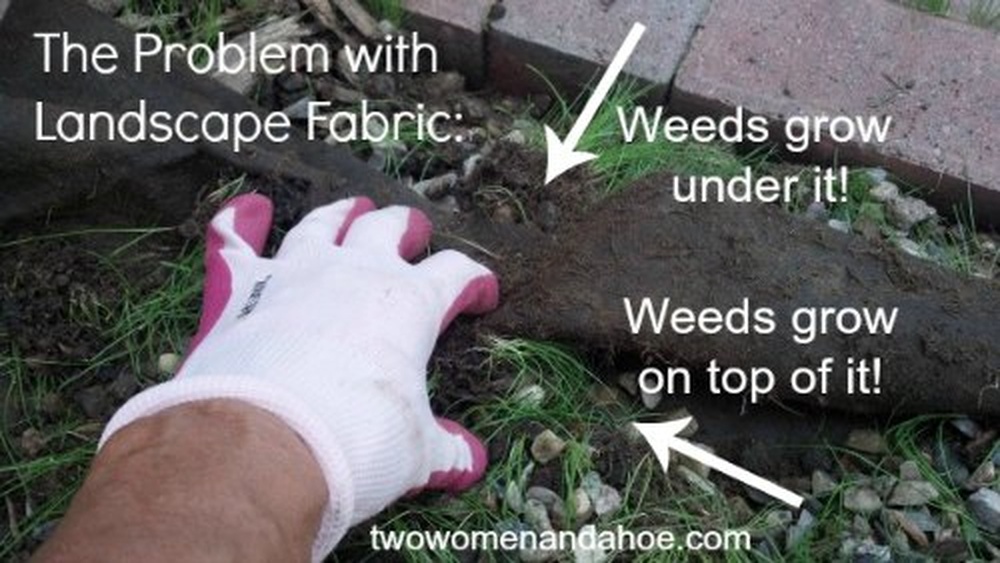
- Weeds can grow above, below, or through fabric, especially as it ages or is improperly installed.
- Fabric can impede water, nutrients, and beneficial organisms, potentially harming plant growth.
- Proper installation and maintenance are critical for fabric to be effective.
- Alternatives such as deep organic mulch, manual weeding, and selective herbicides may be preferable for many gardens.
:max_bytes(150000):strip_icc()/spr-landscape-fabrics-apr-24-test-vevor-woven-weed-barrier-laura-hard-03-3e17bc018642489b9bd3202a30688bf5.jpeg)
Credit: www.thespruce.com
How Landscaping Fabric Works
Landscaping fabric, also known as weed barrier fabric, is engineered to block sunlight and limit weed growth. It comes in woven, non-woven, and spun-bonded varieties, each with different permeability and durability. Understanding its mechanics is key to evaluating its effectiveness.
Physical Barrier To Weeds
The primary function of landscaping fabric is to act as a physical barrier. By covering the soil, it restricts the light and space weeds need to germinate. Most products are made from polypropylene or polyester, designed to withstand outdoor conditions for several years.
- Woven fabrics offer durability and allow some water penetration.
- Non-woven fabrics are generally less durable but can be more permeable.
- Spun-bonded fabrics balance permeability and strength.
Water And Nutrient Permeability
A major consideration is how well fabric allows water and nutrients to reach plant roots. While high-quality fabrics are designed to be permeable, cheaper or poorly installed products can create water runoff or block nutrients, stressing desirable plants.
Installation And Coverage
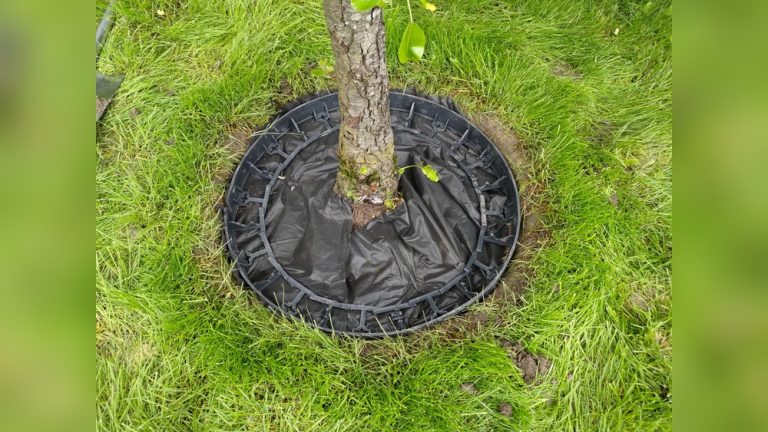
Proper installation is crucial. Overlapping seams, securing edges, and cutting holes for plants must be done carefully. Gaps or loose fabric invite weeds to penetrate, undermining the barrier effect. Covering the fabric with mulch can help hide it and extend its lifespan.
Intended Applications
Landscaping fabric is widely used under:
- Decorative gravel and stone pathways
- Perennial flower beds
- Shrubs and trees in low-maintenance landscapes
However, it is generally discouraged in vegetable gardens or areas requiring frequent soil amendments.

Credit: www.wa-rock.com
Real-world Effectiveness Of Landscaping Fabric
Studies and user experiences reveal that landscaping fabric’s effectiveness varies depending on location, maintenance, and time.
Short-term Success
In the first year or two after installation, landscaping fabric can significantly reduce weed pressure. According to the University of Florida Extension, well-installed fabric can cut weed emergence by up to 90% in the initial season. This is most noticeable in newly established beds or areas with few existing weeds.
Long-term Limitations
Over time, landscaping fabric’s efficacy declines for several reasons:
- Weeds growing above the fabric: Seeds carried by wind, birds, or mulch can sprout atop the fabric, especially in organic mulch layers.
- Root penetration: Aggressive weeds like bindweed or nutgrass can pierce the fabric or exploit gaps.
- Degradation: Fabric exposed to sunlight, moisture, and soil organisms will break down, creating holes that allow weeds through.
A 2016 study by the University of California Cooperative Extension found that after three years, weed suppression dropped to less than 50% in most beds with fabric, compared to 80% in beds with deep organic mulch.
Case Study: Residential Flower Beds
Example: In my experience installing landscaping fabric in a suburban flower bed, weeds were suppressed for the first 18 months. However, by year two, wind-blown seeds established themselves atop the mulch layer, and persistent grasses began to grow through the fabric seams. Manual weeding was still required, albeit less frequently than before.
Comparison Table: Weed Control Methods
| Method | Initial Weed Suppression | Long-Term Effectiveness | Impact on Soil Health |
|---|---|---|---|
| Landscaping Fabric | High (up to 90%) | Moderate (declines over time) | Can impede soil health |
| Organic Mulch (deep layer) | Moderate (60-80%) | High (maintained with renewal) | Improves soil health |
| Manual Weeding | Varies | High (if consistent) | No negative impact |
| Selective Herbicides | High | Moderate (requires repeat) | Potential negative impact |
Advantages And Disadvantages Of Landscaping Fabric
A balanced evaluation of landscaping fabric must consider both its strengths and weaknesses.
Advantages
- Reduces initial weed emergence
- Minimizes soil erosion under mulch and gravel
- Facilitates cleaner walkways by preventing soil mixing with decorative stones
- Provides a tidy appearance in low-maintenance beds
Disadvantages
- Weeds can grow atop mulch covering fabric
- Fabric can restrict water and nutrients, harming plants
- Degrades over time, requiring replacement
- Complicates planting and soil amendments
- Can create anaerobic conditions by trapping moisture
Impact On Soil Health
Research from the University of New Hampshire Extension indicates that landscaping fabric can inhibit beneficial soil organisms, including earthworms and microbes. This slows decomposition, nutrient cycling, and can lead to compacted, unhealthy soil.
- Warning: Avoid using landscaping fabric in beds where you regularly amend soil or plant annuals.
Maintenance Requirements
Regular maintenance is needed to keep landscaping fabric effective:
- Remove weeds growing on top of mulch/fabric
- Replace mulch to prevent seed accumulation
- Check for tears and gaps in fabric annually
Comparison: Landscaping Fabric Vs. Organic Mulch
Many experts recommend organic mulch as an alternative to landscaping fabric. Mulch includes materials such as bark chips, straw, and composted leaves.
Weed Suppression
While mulch does not provide a physical barrier, it blocks sunlight and creates an environment less favorable to weed seeds. Deep layers (3-4 inches) are most effective. Renewal is required every 1-2 years, but mulch supports soil health as it decomposes.
Soil Health Benefits
Organic mulch:
- Feeds soil organisms
- Improves moisture retention
- Regulates soil temperature
- Adds nutrients as it breaks down
In contrast, landscaping fabric creates a barrier between soil and mulch, preventing these benefits. Over time, soil under fabric can become compacted and lifeless.
Comparison Table: Fabric Vs. Mulch
| Attribute | Landscaping Fabric | Organic Mulch |
|---|---|---|
| Weed Suppression (Short-Term) | High | Moderate |
| Weed Suppression (Long-Term) | Moderate | High |
| Soil Health | Can impede | Improves |
| Maintenance | Replace after 2-3 years | Renew mulch annually |
| Plant Growth | May restrict | Supports |
| Ease of Installation | Complex (requires cutting, securing) | Simple (spread mulch) |
Pro Tip:
If you’re seeking weed suppression with minimal impact on soil health, a combination of deep organic mulch and manual weeding may be preferable to fabric.
Installation Best Practices For Landscaping Fabric
If you decide to use landscaping fabric, proper installation can maximize its benefits and reduce drawbacks.
Site Preparation
- Remove all existing weeds and debris from soil surface.
- Grade soil to ensure water drains away from plants.
Fabric Placement
- Roll out fabric over prepared soil, overlapping seams by 6-12 inches.
- Secure fabric with landscape staples every 12-18 inches along edges and seams.
- Cut holes for plants, making the smallest openings possible.
Mulch Cover
- Apply 2-3 inches of mulch (stone or organic) atop fabric to protect it from sunlight and hide it from view.
- Avoid piling mulch against plant stems.
Maintenance Tips
- Inspect fabric annually for tears or gaps.
- Renew mulch to prevent weed seed buildup.
- Remove weeds growing on top of mulch/fabric promptly.
Example: Commercial Installation
In a commercial landscape with shrubs and gravel, fabric installation reduced maintenance costs by 30% in the first two years. However, after three years, weeds began to grow above the fabric, requiring renewed attention and added labor.
Common Problems With Landscaping Fabric
Despite its popularity, landscaping fabric can create new challenges for gardeners and landscapers.
Weeds Growing Above The Fabric
Seeds blown onto mulch or soil above the fabric can germinate, especially if mulch is thin or neglected. Removing these weeds may require disturbing the mulch, potentially exposing the fabric.
Persistent Weed Penetration
Some weeds, notably nutgrass and bindweed, can penetrate fabric. These weeds are known for their aggressive roots and can exploit holes or seams.
Fabric Degradation
Exposure to sunlight, moisture, and foot traffic accelerates fabric breakdown. UV-resistant products last longer, but all fabrics eventually degrade, requiring replacement.
Soil Compaction And Poor Drainage
Fabric can create a barrier that restricts water movement, especially in clay soils. Over time, this leads to compaction and poor drainage, stressing plants and encouraging disease.
Difficulty In Planting Or Amending Beds
Adding new plants or amending soil becomes cumbersome with fabric in place. Cutting new holes exposes soil to weeds and further weakens the barrier.
Alternatives To Landscaping Fabric For Weed Control
Gardeners and landscapers seeking sustainable weed control have several alternatives to landscaping fabric.
Deep Organic Mulch
A thick layer of mulch (3-4 inches) smothers weed seeds and supports soil health. Renewing mulch annually maintains effectiveness.
Manual Weeding
Consistent hand weeding is effective, especially in smaller beds or vegetable gardens. Using tools like weed pullers can speed the process.
Selective Herbicides
For persistent weed problems, selective herbicides may be appropriate, but use caution. Always follow label instructions and consult local extension offices for guidance.
Living Ground Covers
Planting low-growing, dense ground covers (such as creeping thyme or clover) can outcompete weeds and reduce maintenance.
Landscape Design
Design beds with minimal open soil, using dense plantings and strategic pathways to discourage weed growth.
Example: Organic Vegetable Garden
A community garden switched from landscaping fabric to deep straw mulch and regular hand weeding. After two seasons, weed pressure was reduced and soil quality improved, supporting higher yields.
Environmental Impact Of Landscaping Fabric
Environmental considerations are increasingly important in landscape management.
Synthetic Materials
Most landscaping fabrics are made from polypropylene or polyester, which are petroleum-based plastics. While durable, they do not biodegrade and contribute to landfill waste when removed.
Soil Health And Biodiversity
By creating a barrier, fabric limits the movement of earthworms, microbes, and other beneficial organisms. This can reduce soil biodiversity and slow nutrient cycling.
Water Runoff
Impermeable or degraded fabric can create water runoff, contributing to erosion and poor plant health.
Sustainable Alternatives
Organic mulches, recycled materials, and living ground covers are more environmentally friendly choices. They support soil health and reduce waste.
Frequently Asked Questions
Is Landscaping Fabric Safe For All Plants?
Landscaping fabric is generally safe for established shrubs and trees, but it can hinder the growth of annuals and perennials that require soil amendments or frequent planting. Sensitive plants may suffer from reduced water and nutrient access. For vegetable gardens or beds with frequent plant changes, fabric is not recommended.
How Long Does Landscaping Fabric Last?
High-quality landscaping fabric lasts 3, 5 years under mulch, depending on exposure and maintenance. UV-resistant products may endure longer, but all fabrics degrade over time. Replacement is necessary when tears or gaps appear, or when weed growth increases noticeably.
Can Landscaping Fabric Be Recycled?
Most landscaping fabrics are not recyclable through curbside programs. Some specialized facilities may accept polypropylene or polyester, but most used fabric ends up in landfills. Choosing biodegradable alternatives or minimizing use can reduce environmental impact.
Does Landscaping Fabric Prevent All Weeds?
No weed control method, including landscaping fabric, prevents all weeds. Aggressive species can penetrate fabric, and seeds can germinate atop mulch or soil above the barrier. Regular maintenance and complementary methods (such as mulch and manual weeding) are necessary for complete control.
Are There Biodegradable Alternatives To Landscaping Fabric?
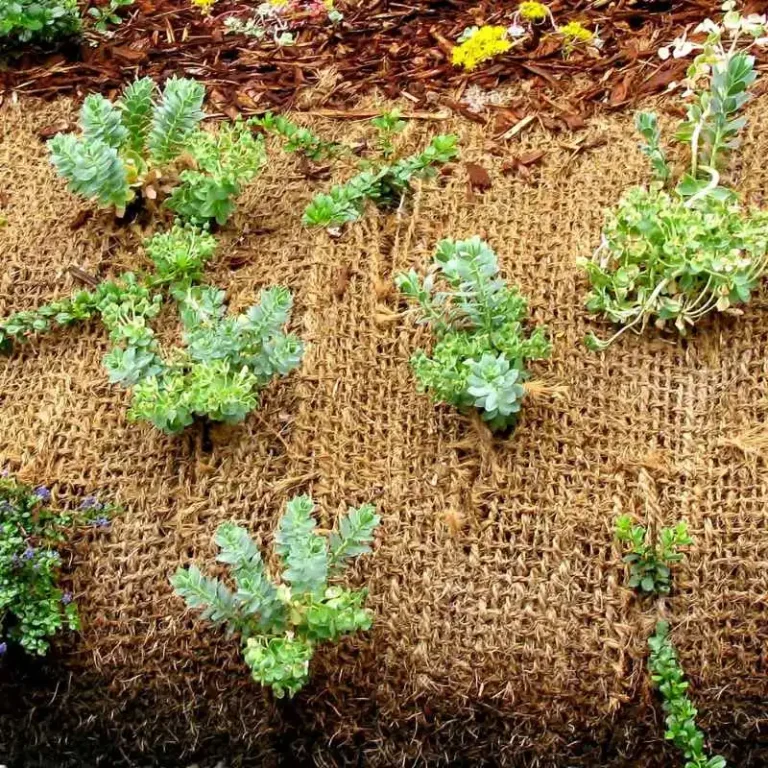
Yes, biodegradable weed barriers made from materials like jute, coir, or paper mulch are available. These products break down over time, enriching soil and reducing waste. However, they may require more frequent replacement and are less durable than synthetic fabrics.
Landscaping fabric can provide short-term weed suppression and clean beds, but it is not a permanent solution. Over time, weeds will find ways to grow above, below, or through the barrier, and soil health may suffer. For most gardens, deep organic mulch, manual weeding, and careful design offer more sustainable, long-lasting results. If you opt for landscaping fabric, prioritize proper installation and maintenance, and consider your specific landscape needs before committing. For further guidance, consult resources like the University of Florida Extension or Wikipedia’s mulch page for research-backed recommendations.