
It’s a question that pops up, especially when you’re learning about nature. Why are plants called producers? It seems a bit grand, doesn’t it?
But there’s a really good reason behind it. It all boils down to how they get their food. Unlike us, they don’t need to go to the store or hunt.
They make their own. This amazing ability is what sets them apart.
Photosynthesis is the process plants use to make their own food. This process allows them to be classified as producers, forming the base of most food chains on Earth by converting light energy into chemical energy.
What Photosynthesis Means for Plants
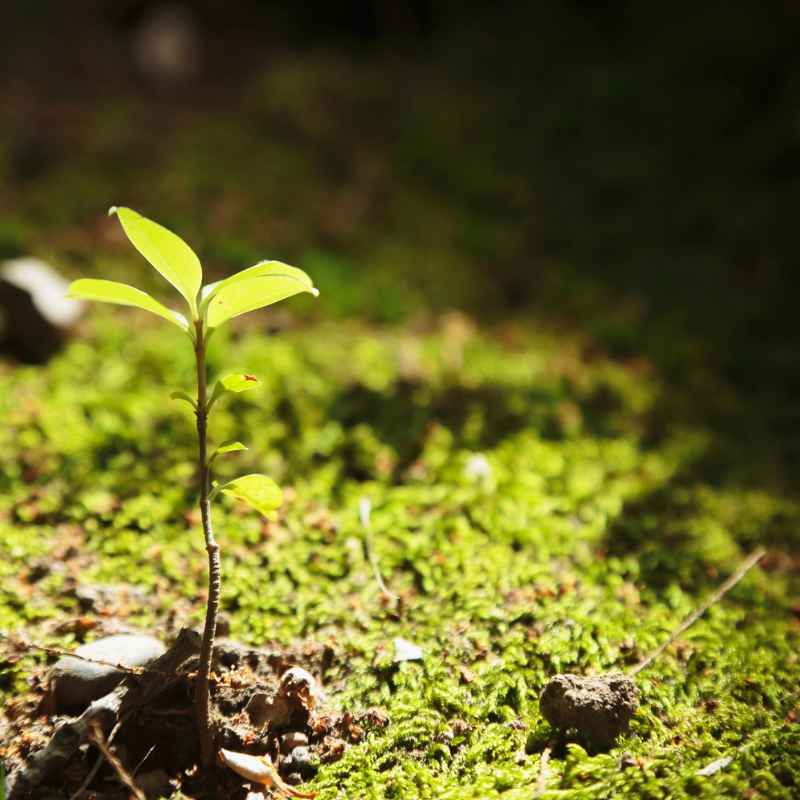
Plants are amazing. They can take simple things from their surroundings and turn them into food. This food gives them the energy to grow.
It helps them make leaves, flowers, and fruits. It’s like they have a built-in kitchen that runs on sunlight. This is a huge deal for life on our planet.
The core of this food-making process is called photosynthesis. It’s a big word, but the idea is simple. Plants use sunlight, water, and air to create sugars.
These sugars are their food. They store this energy for later use. It’s the foundation of almost all life we see around us.
Without it, things would be very different.
Think about it this way: everything else that eats needs plants, or eats things that eat plants. So, plants are the starting point. They produce the energy that flows through the whole system.
This is why they are called producers. They produce the food that others need to survive. It’s a continuous cycle powered by the sun.
The Magic of Photosynthesis Explained
Let’s break down what happens during photosynthesis. It’s a clever process plants have developed over millions of years. It happens mainly in their leaves.
Leaves have tiny parts called chloroplasts. Inside these chloroplasts is a green stuff called chlorophyll. Chlorophyll is super important.
It’s what captures the sunlight.
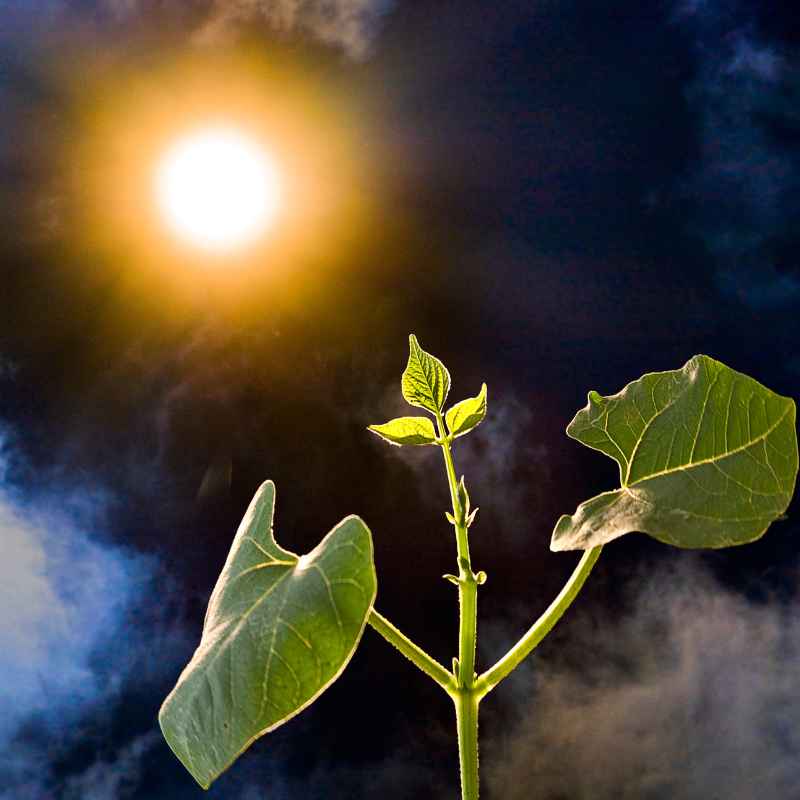
Plants need three main things for photosynthesis. First, they need sunlight. This is their energy source.
Second, they need water. Plants get water from the soil through their roots. Third, they need carbon dioxide.
This is a gas in the air. Plants take it in through tiny holes in their leaves. These holes are called stomata.
So, the plant takes sunlight, water, and carbon dioxide. Chlorophyll helps mix these ingredients. The plant uses the sun’s energy to change water and carbon dioxide.
It turns them into glucose. Glucose is a type of sugar. This sugar is the plant’s food.
It’s stored energy. As a bonus, plants also release oxygen into the air. This is the oxygen we breathe!
The basic chemical reaction looks like this:
- Sunlight + Water + Carbon Dioxide → Glucose (sugar) + Oxygen
This equation shows how simple things are turned into something vital. The glucose gives the plant energy. The oxygen is released for other living things.
It’s a beautiful system of give and take. It shows how connected everything is in nature.
My Own “Aha!” Moment with Photosynthesis
I remember being a kid, maybe around ten years old. We were learning about plants in school. My teacher, Mrs.
Davison, was trying to explain photosynthesis. I was looking out the window at the big oak tree in the schoolyard. It was a bright, sunny day.
I could see the leaves shimmering. I kept thinking, “How does that giant tree get its food?”
Mrs. Davison talked about sunlight and water and air. She showed us diagrams of leaves.
She even had us act out the process. I felt a bit silly pretending to be a leaf. But then, she said, “Plants don’t eat like we do.
They make their food.” That hit me. They make it? From sunshine and air?
It felt like magic. It wasn’t magic, of course. It was science.
But it seemed so incredible. That giant tree, which looked so solid and permanent, was busy creating its own energy. It was pulling things out of the sky and the ground and turning them into life.
It wasn’t just sitting there. It was working. It was a producer.
From that day on, I looked at plants differently. I saw them not just as decorations or things to mow. I saw them as tiny, silent factories.
They were working hard every day. They were the reason the squirrels could run and the birds could sing. They were the reason we could all breathe.
It was a powerful realization for a young kid.
The Producers’ Toolkit
What plants need:
- Sunlight: The energy source.
- Water (H₂O): Absorbed by roots.
- Carbon Dioxide (CO₂): Taken from the air.
What plants make:
- Glucose (Sugar): Their food for energy and growth.
- Oxygen (O₂): Released into the atmosphere.
Plants as the Base of the Food Chain
The term “producer” isn’t just a label. It describes a vital role. In any ecosystem, there’s a flow of energy.
This energy starts somewhere. For most ecosystems on Earth, that starting point is plants. They are the primary producers.
They create the energy that other living things need.
Think about a forest. There are deer that eat leaves. There are rabbits that nibble on grass.
There are insects that feed on nectar from flowers. All of these animals are getting their energy from plants. They are consumers.
They consume the energy that plants have stored.
Now, think about animals that eat other animals. A fox might eat a rabbit. A hawk might eat a mouse.
These animals are secondary consumers or tertiary consumers. But where did the rabbit or mouse get its energy? From eating plants.
So, even the biggest predators ultimately depend on the plants’ ability to produce food.
This is why plants are so fundamental. They are the link between non-living energy (sunlight) and living energy (food). Without producers, the entire food web would collapse.
There would be no energy source for herbivores, and subsequently, no energy for carnivores. It’s a simple yet profound concept.
Food Chain Levels
Producers: Plants, algae, some bacteria. They make their own food.
Primary Consumers: Herbivores (plant-eaters). They eat producers.
Secondary Consumers: Carnivores or omnivores. They eat primary consumers.
Tertiary Consumers: Top predators. They eat secondary consumers.
Comparing Producers to Consumers
It’s helpful to see the difference between producers and consumers. This contrast highlights why plants’ role is so special. Consumers are organisms that cannot make their own food.
They must eat other organisms to get energy.
There are different types of consumers. Herbivores eat only plants. Carnivores eat only meat.
Omnivores eat both plants and meat. Even decomposers, like fungi and bacteria, are consumers. They break down dead organic matter, getting energy from it.
Plants, on the other hand, are autotrophs. This is a scientific term meaning “self-feeder.” They feed themselves through photosynthesis. This ability makes them unique.
It places them at the very beginning of the energy chain. They are the ultimate source of sustenance for almost all life on Earth.
Consider a desert environment. Cacti and desert shrubs are the producers. They store water and can survive harsh conditions.
They provide food and shelter for desert animals like lizards, insects, and small mammals. These animals, in turn, are food for larger predators like snakes or birds of prey. All of it traces back to the desert plants.
Producer vs. Consumer: Key Differences
Producers
- Make their own food.
- Use sunlight (photosynthesis).
- Form the base of food chains.
- Example: Grass, trees, algae.
Consumers
- Must eat other organisms.
- Get energy from food they eat.
- Depend on producers.
- Example: Rabbits, lions, humans.
Beyond Green Plants: Other Producers
When we think of producers, we often picture green, leafy plants. And indeed, most terrestrial plants are producers. But the definition extends beyond just trees and flowers.
Many other organisms use photosynthesis to create their own food.
Algae are a great example. These can be single-celled organisms or large seaweeds. They live in water, from tiny ponds to vast oceans.
Algae are responsible for a huge portion of the Earth’s photosynthesis. They produce a lot of the oxygen we breathe. Marine ecosystems, like coral reefs, depend heavily on algae as producers.
Certain types of bacteria are also producers. These are called cyanobacteria, or sometimes blue-green algae. They were among the first organisms on Earth to perform photosynthesis.
They played a critical role in changing the planet’s atmosphere by releasing oxygen. They still exist today and contribute to ecosystems.
So, while plants are the most familiar producers on land, life’s ability to create food from light is more widespread. This diversity ensures that energy production can happen in many different environments, supporting a vast array of life forms.
The Role of Chlorophyll
We mentioned chlorophyll earlier. It’s the green pigment found in plants and algae. But what exactly does it do in photosynthesis?
It’s the key ingredient for capturing light energy. Think of it like a solar panel for the plant cell.
Chlorophyll absorbs light, especially in the red and blue parts of the spectrum. It reflects green light. That’s why plants appear green to our eyes.
The absorbed light energy is used to split water molecules. This process releases electrons. These electrons are then used to power the creation of sugars.
There are different types of chlorophyll, like chlorophyll a and chlorophyll b. They absorb light at slightly different wavelengths. This allows plants to capture a wider range of light energy.
Some plants might also have accessory pigments, like carotenoids, which help capture even more light. These pigments can also give leaves different colors in the fall.
Without chlorophyll, plants would not be able to harness the sun’s power. They would be unable to convert light energy into the chemical energy of food. It’s a truly remarkable molecule.
Its presence is what allows plants to be producers.
Why Plants Need Sunlight Specifically
Sunlight is more than just light. It’s energy. Plants have evolved to capture this specific form of energy.
The wavelengths of light from the sun provide the power needed for the chemical reactions in photosynthesis. Water and carbon dioxide are the raw materials, but sunlight is the engine that drives the process.
Imagine trying to bake a cake without an oven. You have the flour, sugar, and eggs. But without the heat to bake it, you just have batter.
Sunlight is the oven for plants. It provides the energy to transform the raw ingredients into usable food. Different intensities of light can affect how well photosynthesis works.
Very cloudy days can slow down photosynthesis. Plants might not grow as quickly. Long periods of darkness prevent photosynthesis altogether.
This is why plants need a regular cycle of light and dark. The light period is for making food. The dark period is for using that food for growth and repair.
This dependence on sunlight is why plants are found where light is available. Deserts, forests, grasslands, even shallow ocean waters – all have light. Plants that live in deep caves or very dark underwater areas often cannot perform photosynthesis.
They might rely on other methods of getting energy or they might not survive there.
Sunlight’s Role in Photosynthesis
- Energy Source: Provides the power for chemical reactions.
- Light Spectrum: Chlorophyll absorbs red and blue light.
- Photosynthesis Rate: Higher light intensity (up to a point) means more photosynthesis.
- Growth Cycle: Plants need regular light for food production.
The Importance of Water and Carbon Dioxide
Water and carbon dioxide are the other critical pieces of the puzzle for photosynthesis. They are the raw materials that get converted into food. Plants have specific ways of getting and using these.
Water is absorbed from the soil by the plant’s roots. It travels up through the stem to the leaves. Water is essential not only for photosynthesis but also for keeping the plant firm.
When a plant wilts, it’s because it doesn’t have enough water, and its cells aren’t firm.
Carbon dioxide is a gas present in the atmosphere. Plants take it in through their leaves. Tiny pores called stomata open and close to let carbon dioxide in and oxygen out.
These stomata are crucial for gas exchange. They are like the plant’s lungs, but on a much smaller scale.
The balance of these elements is key. If a plant doesn’t get enough water or carbon dioxide, photosynthesis slows down. This means the plant produces less food.
It might stop growing or even start to die. The environment must provide these resources for producers to thrive.
Humans have a direct impact on carbon dioxide levels. Burning fossil fuels releases a lot of CO₂. While plants use CO₂, excessive amounts can contribute to climate change.
It’s a reminder of how interconnected our actions are with natural processes.
What “Producers” Means for Ecosystem Health
The health of producers directly impacts the health of the entire ecosystem. When plants are thriving, the animals that depend on them also thrive. This leads to a robust and balanced environment.
Consider a forest fire. It destroys a vast number of plants, the primary producers. This devastation affects everything.
Herbivores lose their food source and may starve or migrate. Without herbivores, the predators that hunt them also suffer. The ecosystem is thrown out of balance.
Over time, if conditions are right, plants will regrow. New seeds will sprout. The ecosystem begins to recover.
This resilience is a testament to the importance of producers. They are the engine that drives life’s continuation.
On the flip side, when producers are abundant and healthy, the ecosystem is strong. Forests can support diverse wildlife. Meadows can sustain large herds of grazing animals.
Oceans with plentiful algae and seagrass can support rich marine life. It all starts with the producers doing their job.
When Photosynthesis Might Be Slowed Down
While plants are designed to photosynthesize, several factors can slow down or stop the process. This is important to understand for gardening, farming, or just appreciating nature.
Lack of Light: As we know, light is essential. Shading from buildings, other plants, or even persistent cloud cover can reduce the rate of photosynthesis. This is why some plants need full sun, while others prefer shade.
Water Shortages: Drought is a major threat. When water is scarce, plants close their stomata to conserve moisture. This also prevents carbon dioxide from entering the leaves, halting photosynthesis.
Nutrient Deficiencies: Plants need more than just light, water, and CO₂. They need nutrients from the soil, like nitrogen, phosphorus, and potassium. If these are lacking, the plant cannot build the necessary molecules for photosynthesis, like chlorophyll.
Temperature Extremes: Photosynthesis has an optimal temperature range. Very cold temperatures can slow down the chemical reactions. Very hot temperatures can damage the enzymes involved and cause the plant to close its stomata.
Pollution: Air pollution can damage leaves and clog stomata. Water pollution can affect root uptake of water and nutrients. These factors hinder the plant’s ability to photosynthesize.
Factors Affecting Photosynthesis
- Light Intensity: Too little or too much can be a problem.
- Water Availability: Essential for raw materials and plant structure.
- Nutrient Levels: Soil health is crucial for plant growth.
- Temperature: Enzymes work best within specific ranges.
- Air Quality: Pollutants can damage plant tissues.
What This Means for You and Your Garden
Understanding photosynthesis and the producer role has practical applications. If you have a garden or houseplants, you can help them thrive.
Choose the Right Spot: Know how much sun your plants need. Put sun-loving plants in bright spots and shade-tolerant plants in darker areas. This ensures they get the right amount of light for photosynthesis.
Water Wisely: Don’t let plants dry out completely, but also don’t overwater. Check the soil moisture regularly. Water deeply when needed.
Feed Your Plants: Use good quality soil and consider adding compost or fertilizer. This provides the essential nutrients plants need to build chlorophyll and other vital components for photosynthesis.
Monitor the Environment: Protect plants from extreme weather if possible. Ensure they aren’t in areas with heavy air pollution.
By supporting the plant’s ability to perform photosynthesis, you are helping it grow strong. A healthy plant is a producer that can contribute more to its environment, whether that’s your backyard or a larger natural setting.
Quick Checks for Your Plants
Here are some simple things to look for to see if your plants are producing well:
- Green Leaves: Healthy green color usually means good chlorophyll levels. Yellowing leaves can indicate nutrient or light problems.
- New Growth: Are there new leaves or shoots appearing? This means the plant has enough energy to grow.
- Flowering/Fruiting: Producing flowers or fruit requires significant energy, a sign of successful photosynthesis.
- Firmness: Turgid (firm) leaves and stems indicate good water levels.

Frequently Asked Questions About Producers and Photosynthesis
Are all plants producers?
Yes, generally speaking, all plants are considered producers because they can perform photosynthesis. There are rare exceptions, like parasitic plants, that get their nutrients from other plants and don’t photosynthesize, but the vast majority of plants are producers.
What is the main difference between producers and consumers?
The main difference is how they get energy. Producers, like plants, make their own food using sunlight through photosynthesis. Consumers, like animals, must eat other organisms to get their energy.
Why is oxygen released during photosynthesis?
Oxygen is a byproduct of the process. When plants use sunlight to split water molecules, oxygen atoms are released. This is a vital part of photosynthesis that benefits many other living things.
Can plants survive without sunlight?
Most plants cannot survive long-term without sunlight because they need it to perform photosynthesis and create their own food. Some specialized plants or those in very specific environments might have alternative ways to get energy, but standard green plants rely heavily on sunlight.
What happens to the sugar produced by plants?
The sugar, or glucose, produced during photosynthesis is used by the plant for energy. It fuels growth, repairs cells, and helps the plant produce flowers, fruits, and seeds. Excess sugar can be stored as starch for later use.
Are algae producers?
Yes, algae are producers. Many types of algae, from tiny single-celled ones to large seaweeds, perform photosynthesis and are a vital source of food and oxygen in aquatic environments.
Bringing It All Together
So, the reason plants are classified as producers is wonderfully simple yet profoundly important. It’s all thanks to photosynthesis. This incredible ability allows them to create their own food using sunlight, water, and air.
They are the foundation upon which most life on Earth is built.
Understanding this role helps us appreciate plants more. It shows us their vital contribution to ecosystems and our own survival. They are more than just pretty green things; they are the hardworking energy factories of our planet.