
It’s one of those amazing journeys nature took. Plants didn’t just pop up fully formed. They changed over a very, very long time.
Think about the green world around you. It all started from something much simpler. Understanding this journey helps us see the world differently.
We’ll walk through this incredible story together.
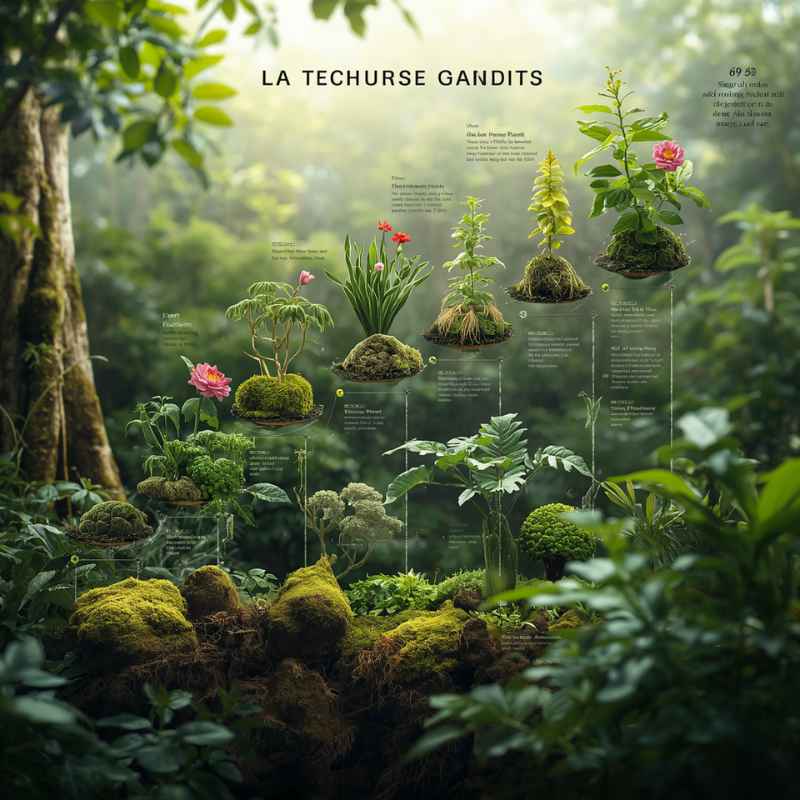
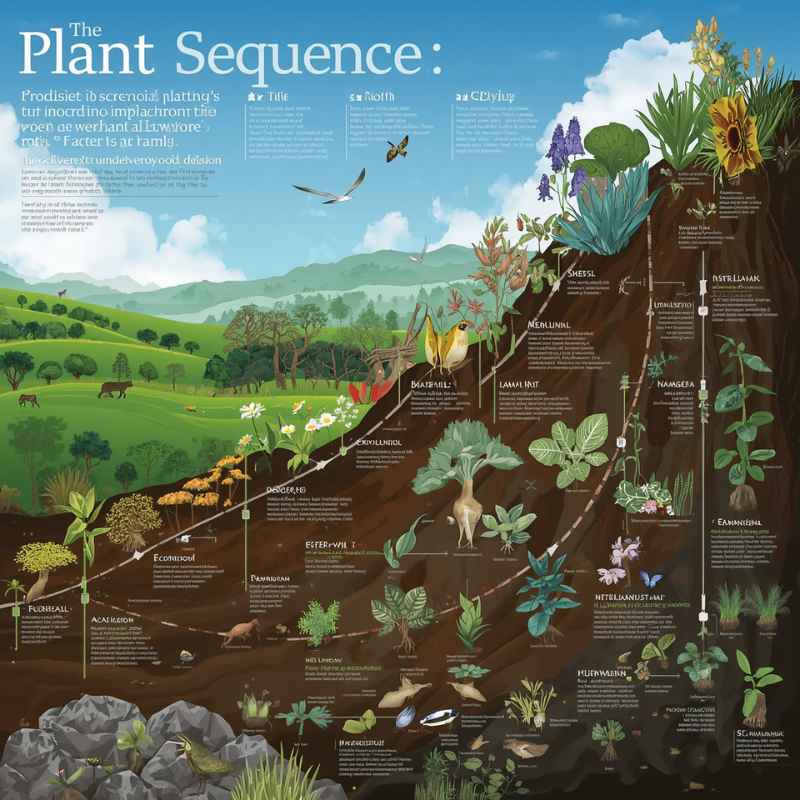
The proposed sequence in plant evolution shows a gradual transition from simple aquatic life to complex land plants. It highlights key adaptations like developing vascular tissue, seeds, and flowers, which allowed plants to thrive in diverse terrestrial environments. This evolutionary path explains the variety of plant forms we see today.
The Long Road from Water to Land
Imagine the Earth billions of years ago. It looked very different. Mostly water and bare rock.
Life started in the oceans. Tiny single cells were the first living things. Over vast stretches of time, these cells began to group.
They started working together. This was the very first step.
The ancestors of plants were simple, aquatic organisms. Think of algae. They lived in the water.
They had no need for roots or sturdy stems. The water supported them. It also gave them the water they needed.
They got nutrients right from the water around them. This life was easy for them. But it was also limited.
The big change came when life started exploring land. This was a huge challenge. Land was dry.
It had strong sun. There was no easy support. Plants that could survive this had a big advantage.
They could spread into new places. They could find new resources. This began the move to land.
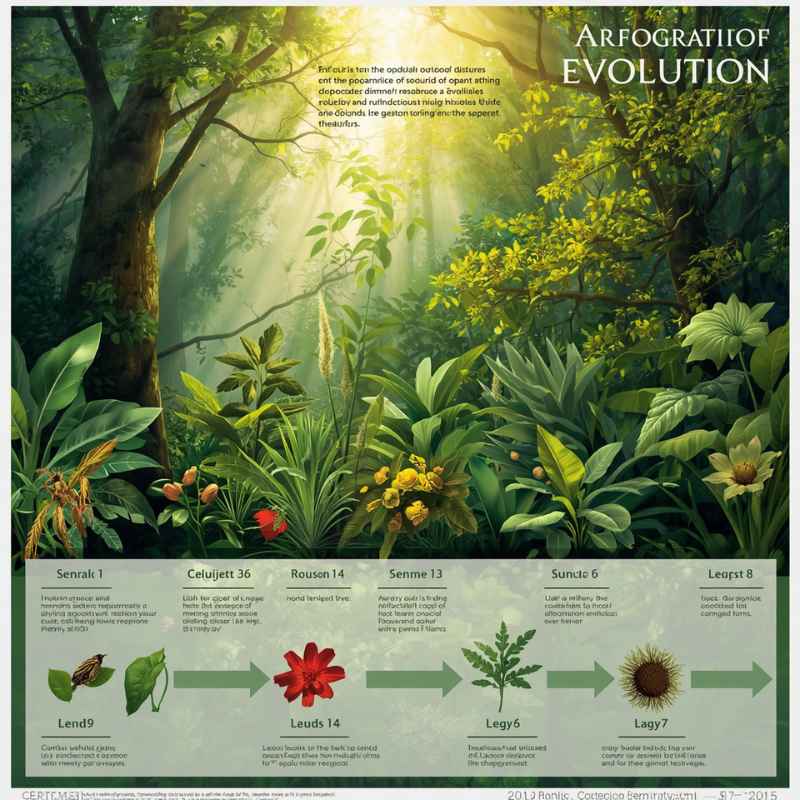
Early Steps and Simple Forms
The earliest plant ancestors were likely single-celled algae. They shared traits with modern green algae. These were the pioneers.
They lived in shallow water. They were close to sunlight. Sunlight is key for making food.
This process is called photosynthesis. It is how plants eat sunlight.
These early forms did not have complex bodies. They were not like trees or flowers. They were very basic.
They were often just a few cells stuck together. They could reproduce easily. They could multiply quickly.
This helped them spread. They were also good at surviving short dry spells. This was important.
It helped them live where water levels changed.
The move from water to land was not a sudden event. It was a slow, step-by-step process. Each step brought a new advantage.
Each step helped plants survive better. It helped them grow larger. It helped them live in more places.
This long process took millions of years.
The Dawn of Land Plants: Bryophytes
The first true land plants are called bryophytes. This group includes mosses, liverworts, and hornworts. They are still around today.
You see them on rocks and trees. They like damp places. They are a good example of early land plants.
They show us what life was like for them.
Bryophytes were a big step forward. They developed a cuticle. This is a waxy layer.
It stops water from drying out. It’s like a waterproof coat. This helped them live away from constant water.
They also developed simple structures to absorb water and nutrients. These were not true roots.
But bryophytes still had challenges. They needed water for reproduction. Their sperm had to swim to reach the eggs.
This meant they had to live near water. They also did not have true vascular tissue. This is like the plumbing system in plants.
It moves water and food. Without it, they stayed small. They stayed close to the ground.
Bryophyte Life: A Closer Look
Key Features:
- Waxy cuticle to prevent drying.
- Simple structures for water absorption.
- Dependence on water for reproduction.
- Lack of true roots, stems, and leaves.
- Small size, growing close to the ground.
Living as a bryophyte meant being tied to dampness. It meant a simple life. But it was a life on land.
This was a major achievement. It paved the way for more. It showed that plants could survive outside of water.
It was a crucial phase in plant evolution. These plants are survivors. They still exist today.
The Vascular Revolution: Pteridophytes
The next big leap in plant evolution was the development of vascular tissue. This was a game-changer. It led to plants like ferns, horsetails, and club mosses.
These are called pteridophytes. They could grow much taller than bryophytes. This was because they had a better way to move water.
Vascular tissue has two main parts. There is xylem. It carries water from the roots up.
There is phloem. It carries food made by leaves down. This system is like a plant’s internal highway.
It allows plants to grow big and strong. It helps them reach sunlight better.
With vascular tissue, plants could also develop true roots. Roots anchor the plant. They also absorb water and nutrients from the soil.
This freed plants from needing to be so close to the water source. They could now explore drier soils. This opened up vast new areas of land for plants to colonize.
Pteridophytes also developed true leaves and stems. Leaves are where photosynthesis happens. Stems provide support.
They also transport water and nutrients. These new structures allowed plants to become more efficient. They could capture more sunlight.
They could grow more leaves. This meant they could make more food.
Ferns: A Living Legacy
Ferns are a great example of pteridophytes. They have large leaves called fronds. They have stems that grow underground.
They have roots that spread out. They reproduce using spores. These spores are very tiny.
They are carried by the wind. This helped ferns spread far and wide.
The age of ferns was a time of great forests. These forests covered the Earth. They were very different from today’s forests.
They were dominated by these early vascular plants. The decaying matter from these vast fern forests is what forms much of our coal today. It’s amazing to think about that.
Pteridophytes still had a weakness. Like bryophytes, they needed water for reproduction. Their sperm needed to swim to the egg.
So, while they could live in drier places, they often reproduced during wet seasons. This limited their ability to colonize the driest deserts. But they were a huge success.
They changed the planet.
Vascular Plants: The Big Leap
What changed?
Before: Bryophytes (mosses)
- No true roots, stems, or leaves.
- Small and low to the ground.
- Dependent on water for reproduction.
After: Pteridophytes (ferns)
- Developed vascular tissue (xylem, phloem).
- Grew taller and stronger.
- Had true roots, stems, and leaves.
- Still needed water for reproduction.
This vascular system was a major evolutionary step. It allowed plants to exploit new environments. It led to the formation of complex plant communities.
It changed the atmosphere of the early Earth. It set the stage for the next big innovation.
The Seed Revolution: Gymnosperms
The invention of the seed was the next massive evolutionary breakthrough. This happened with the gymnosperms. This group includes conifers like pine trees, fir trees, and spruce trees.
It also includes cycads and ginkgo trees. These plants are incredibly successful. They can live in many different places.
Seeds are like tiny packages of life. A seed contains an embryo. It also has a food supply.
It is protected by a coat. This seed coat is tough. It protects the embryo from drying out and damage.
This was a huge advantage over spores.
Seeds allowed plants to reproduce without water. The male part of the plant, pollen, is carried by wind or animals. It travels to the female part.
Fertilization happens inside the female plant. Then, a seed develops. This seed can survive for a long time.
It can wait for the right conditions to grow. It can travel far from the parent plant.
Gymnosperms also had advanced vascular systems. They were much more efficient at transporting water and nutrients. This allowed them to grow very large.
They could survive in drier climates than ferns. They could spread across vast areas of the continents. This was a truly global success story.
Conifers: Masters of Survival
Conifers are the most common gymnosperms today. They are well-adapted to many environments. Their leaves are often needle-like or scale-like.
This shape helps them lose less water. It also helps them shed snow easily in cold climates. Their wood is strong.
It provides excellent support.
The cones of gymnosperms are where their seeds are found. Male cones produce pollen. Female cones produce ovules, which become seeds after fertilization.
This cone structure was a new way for plants to protect their reproductive parts. It was a more robust system.
The dominance of gymnosperms lasted for millions of years. They formed great forests. These forests covered much of the world during the Mesozoic Era.
This was the age of dinosaurs. Many of the plants dinosaurs ate were gymnosperms. They shaped the ecosystems of that time.
The Seed: A Natural Wonder
What makes a seed so special?
- Embryo: The baby plant inside.
- Food Supply: Nourishment for the embryo.
- Seed Coat: Tough outer layer for protection.
Benefits:
- Survives dry conditions.
- Can wait for ideal growing times.
- Easier to spread far from the parent.
- Releases plants from water-dependent reproduction.
The evolution of the seed was a pivotal moment. It allowed plants to conquer drier lands. It led to the spread of forests across continents.
It changed the face of the planet. It was a step towards even greater complexity.
The Flowering of the World: Angiosperms
The most recent major group of plants to evolve are the angiosperms. These are the flowering plants. They appeared much later in plant history.
But they quickly became the most diverse and widespread plants on Earth. They are everywhere we look today. From tiny flowers to giant trees.
The key innovation of angiosperms is the flower. Flowers are amazing structures. They are often brightly colored and fragrant.
They attract pollinators like insects, birds, and bats. This relationship with pollinators is a co-evolutionary success story. It helps both the plant and the animal.
Another key innovation is the fruit. Fruits develop from the flower. They enclose the seeds.
Fruits serve many purposes. They protect the seeds. They also help in seed dispersal.
Animals eat fruits. They then carry the seeds to new places. This is a very effective way to spread.
Angiosperms also have highly efficient vascular systems. They have advanced methods of reproduction. Fertilization is faster.
They often produce more seeds. This has allowed them to adapt to almost every environment on Earth. They are incredibly varied.
Flowers and Fruits: A Partnership
The flower’s job is to make seeds. It does this through pollination and fertilization. Pollinators carry pollen from one flower to another.
This ensures genetic mixing. This helps create new variations. This variation is vital for evolution.
The fruit develops after fertilization. It’s often sweet and fleshy. This attracts animals.
As animals eat the fruit, they swallow the seeds. The seeds pass through their digestive system unharmed. They are then dropped in new locations, often far from the parent plant.
This is how many flowering plants spread.
This combination of flowers and fruits has been incredibly successful. It has led to an explosion of plant diversity. Angiosperms now make up about 90% of all plant species.
They are the foundation of most terrestrial ecosystems. They are essential for life on Earth.
Angiosperm Success Factors
- Flowers: Attract pollinators for efficient reproduction.
- Fruits: Protect and disperse seeds effectively.
- Efficient Vascular Systems: Allow for rapid growth and adaptation.
- Co-evolution with Animals: Mutual benefits driving diversification.
- Diverse Life Forms: From herbs to trees, adapting to many niches.
The rise of flowering plants changed the world. They provided new food sources. They created new habitats.
They are the basis of many food webs. Our lives are deeply connected to them. They represent the latest major chapter in plant evolution.
Putting It All Together: The Evolutionary Timeline
Let’s look at the big picture. It’s a journey through time. It shows how plants changed.
It shows how they adapted. It’s a story of innovation and survival.
A Simple Timeline of Plant Evolution
~500 Million Years Ago:
- First plants emerge from aquatic algae ancestors.
- Likely simple, multicellular green algae.
- Lived in shallow water.
~470 Million Years Ago:
- Bryophytes (mosses, liverworts) appear.
- First colonization of land.
- Developed cuticle to prevent drying.
- Still needed water for reproduction.
~400 Million Years Ago:
- Pteridophytes (ferns) evolve.
- Developed vascular tissue (xylem, phloem).
- Grew taller with true roots, stems, and leaves.
- Still needed water for reproduction.
~300 Million Years Ago:
- Gymnosperms (conifers, cycads) emerge.
- Invented the seed for reproduction.
- Could survive in drier conditions.
- Formed vast forests.
~140 Million Years Ago – Present:
- Angiosperms (flowering plants) appear.
- Evolved flowers and fruits.
- Co-evolved with pollinators and seed dispersers.
- Became the dominant plant group.
This timeline shows a clear progression. Each stage built on the last. Each stage brought new abilities.
It’s a testament to nature’s ability to adapt. It’s a story that continues to unfold.
What This Means for Us Today
Understanding plant evolution isn’t just an academic exercise. It helps us appreciate the world around us. It shows us how interconnected life is.
Every plant we see has a history. It has a lineage that stretches back millions of years. The food we eat, the air we breathe, the materials we use – all are products of this long evolutionary journey.
For instance, the oxygen we breathe is largely a gift from plants. Early land plants began to transform Earth’s atmosphere. They produced oxygen as a byproduct of photosynthesis.
This allowed animal life to evolve and thrive.
Our agriculture depends heavily on angiosperms. Grains like wheat and rice. Fruits and vegetables.
These are all flowering plants. Their evolution directly impacts our food security.
When It’s Normal, When to Worry
Seeing moss on a shady spot is normal. It’s a sign of a healthy, damp environment. It’s a bryophyte doing its thing.
Seeing a majestic pine tree is also normal. It’s a gymnosperm adapted to its habitat.
Seeing a field full of diverse wildflowers is a sign of a healthy ecosystem. These are angiosperms interacting with pollinators. This is plant evolution at work, supporting biodiversity.
Worry might come if we see drastic changes. For example, if a forest of a particular plant type suddenly starts dying off. This could signal disease or climate stress.
It shows how plants are sensitive to their environment.
Conservation efforts are vital. They protect this incredible diversity. They ensure these evolutionary lines continue.
Understanding their past helps us protect their future. It’s a responsibility we share.
Quick Tips for Appreciating Plants
You don’t need to be a scientist to enjoy this story. Here are a few simple ways to connect with plant evolution:
- Visit a botanical garden. See different plant groups side-by-side.
- Go for a walk in a park or nature reserve. Observe the variety of plants.
- Learn to identify local plants. Start with common trees or wildflowers.
- Grow something yourself. Even a small herb garden connects you to the process.
- Read about plant adaptations. How do they survive in their specific homes?
Every plant tells a story of survival. It’s a story of millions of years. It’s a story of adapting to change.
It’s a story that is still being written.
Frequently Asked Questions About Plant Evolution
What was the very first plant on Earth?
The very first plants are believed to have evolved from aquatic green algae ancestors. It’s hard to pinpoint an exact “first plant” as it was a gradual transition over millions of years. These early forms were simple, likely single-celled or forming small colonies in water.
Did plants evolve before animals?
Yes, plants evolved before animals. The earliest evidence of plant life dates back to around 500 million years ago, while the earliest evidence of animal life is much later, around 600 million years ago, but complex animal life developed after plants began transforming the atmosphere.
Why are flowers important in plant evolution?
Flowers are crucial because they allow for more efficient reproduction. They attract pollinators like insects and birds, which carry pollen from one plant to another. This leads to better seed production and dispersal, and also helps create genetic diversity, which is key for long-term survival.
What is the difference between gymnosperms and angiosperms?
The main difference is how they reproduce. Gymnosperms, like pine trees, have naked seeds, usually found on cones. Angiosperms, or flowering plants, have seeds enclosed within a fruit, and they reproduce using flowers.
How did plants get oxygen into the atmosphere?
Plants produce oxygen as a byproduct of photosynthesis. As early plants began to colonize land and perform photosynthesis on a massive scale, they released significant amounts of oxygen into the atmosphere. This process gradually changed the composition of the Earth’s air over millions of years.
Are ferns considered “primitive” plants?
Ferns are often called “primitive” because they have existed for a very long time and retain some traits of early land plants, like needing water for reproduction. However, they also possess advanced features like vascular tissue, true roots, stems, and leaves, making them highly successful in many environments.
Conclusion
The journey of plant evolution is a story of remarkable adaptation. From simple algae to complex flowering plants, each step brought new ways to survive and thrive. This ongoing process shaped our planet.
It continues to shape our lives in profound ways every single day.